Festival
Looking back – The FashionTEX Festival 2025 in Chemnitz
Chemnitz: European Capital of Culture Meets the Digital Future of Fashion
No location could have been more fitting. Chemnitz, the European Capital of Culture 2025, once known worldwide as the “Manchester of Germany,” became the stage for the first FashionTEX Festival. Where looms once clattered and textile machines shaped the industrial revolution, digital technologies and physical materials now merge into entirely new forms and designs.
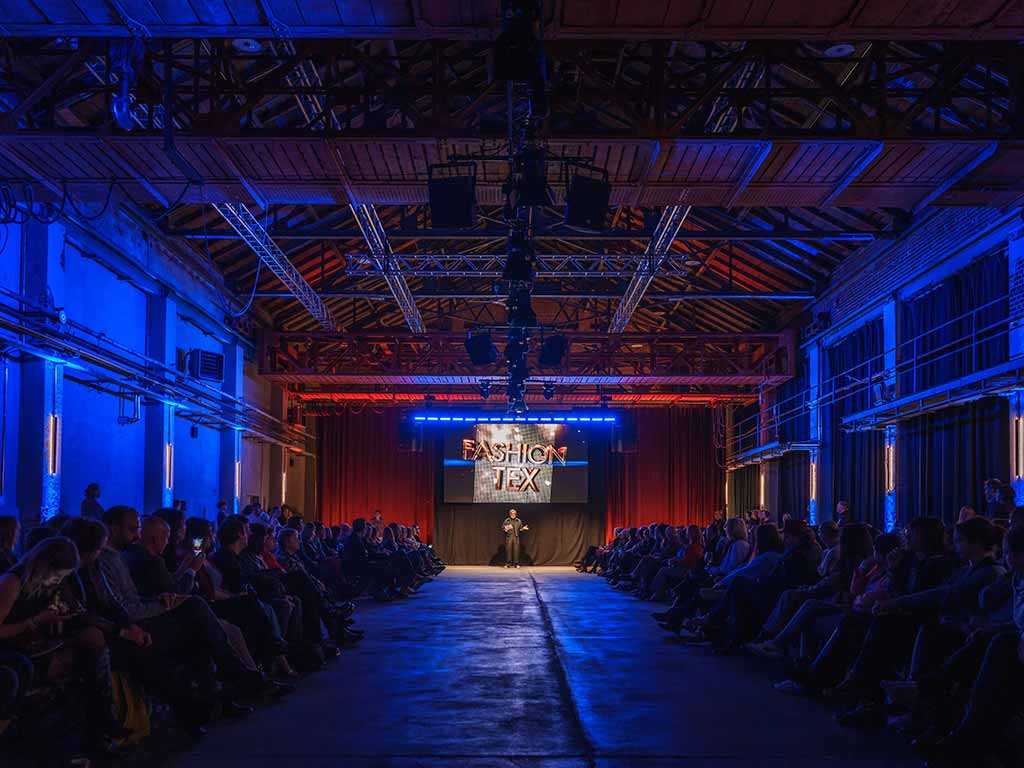
As a historical center, deeply rooted in European textile and mechanical engineering history, Chemnitz stands for change. This is precisely where FashionTEX came into play, not nostalgically, but progressively. In the former tulle factory, now “die fabrik” Chemnitz, industrial history met AI, 3D design, virtual prototypes, and smart fabrics. History was not only exhibited, but reinterpreted.
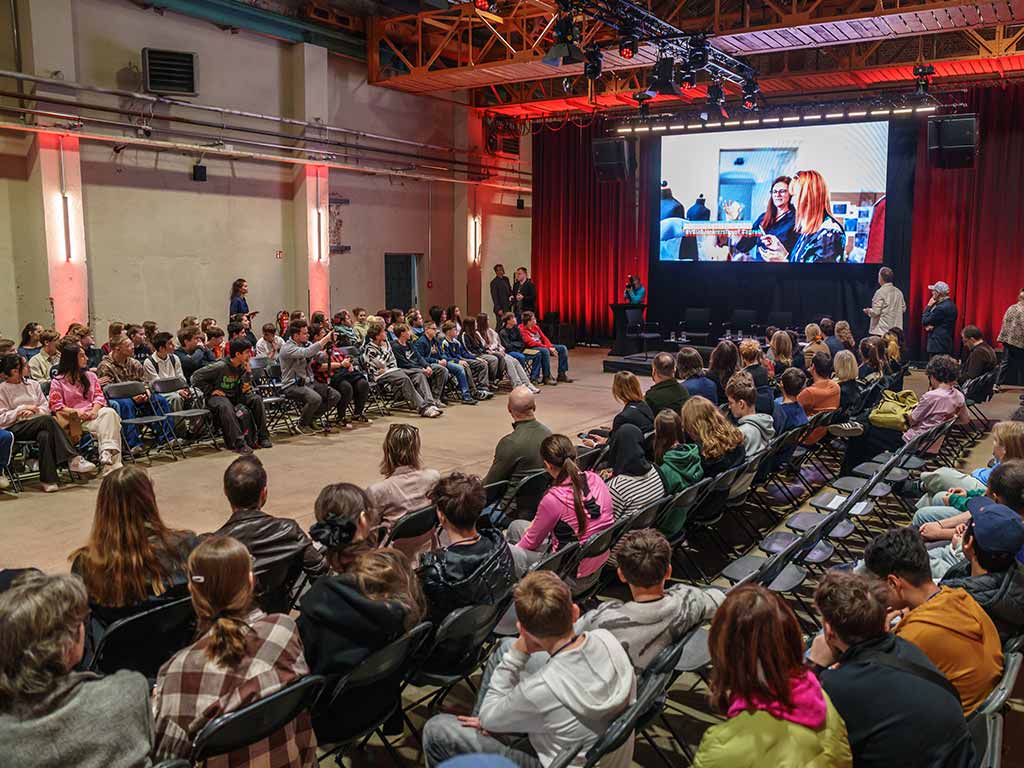
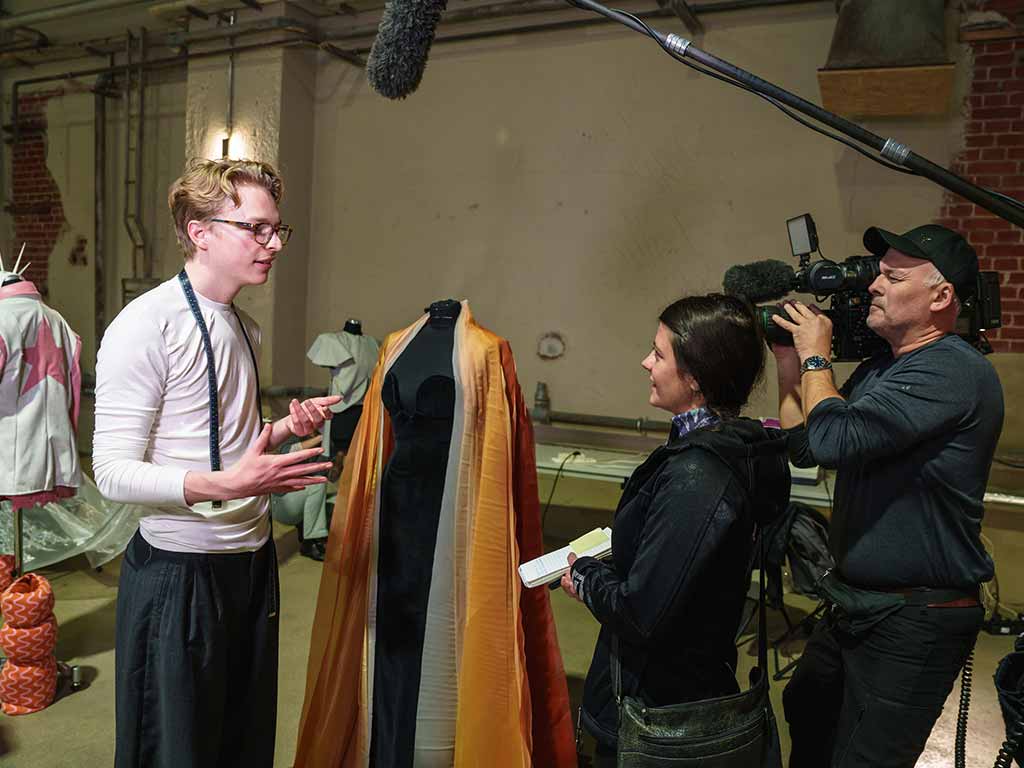
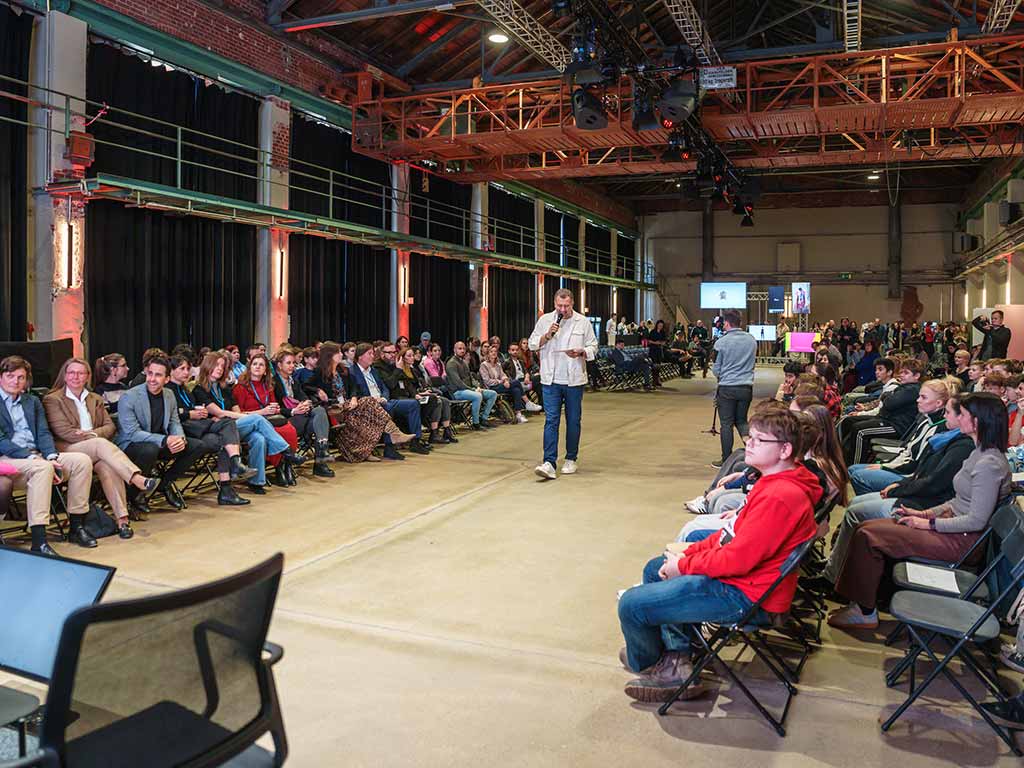
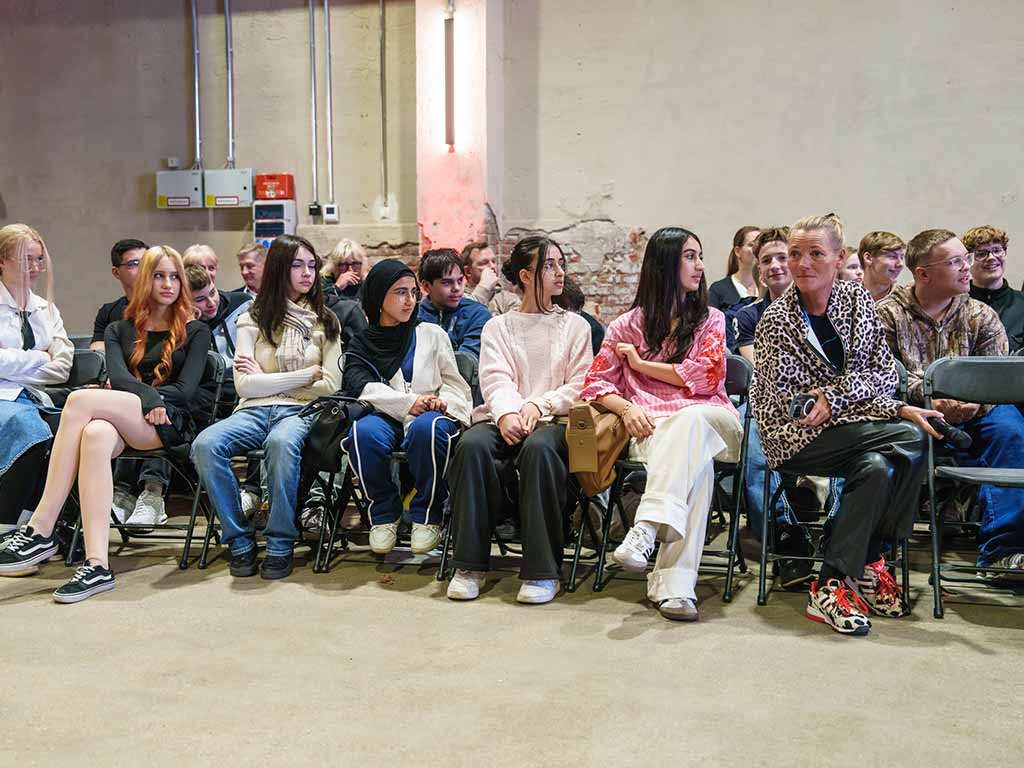
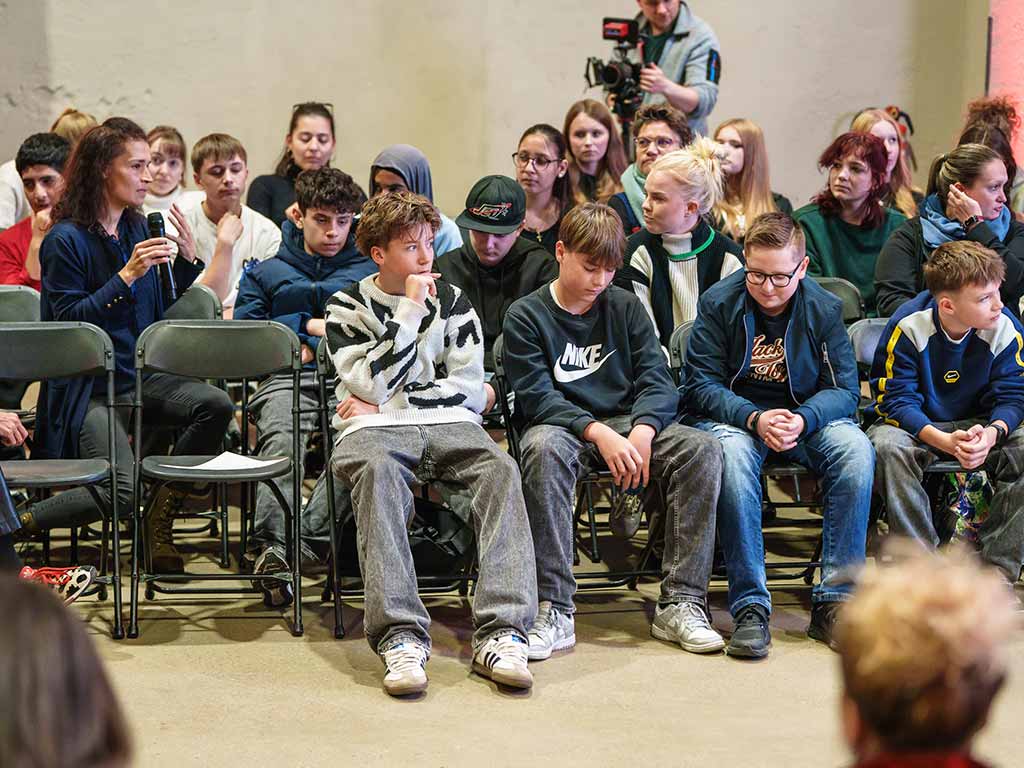
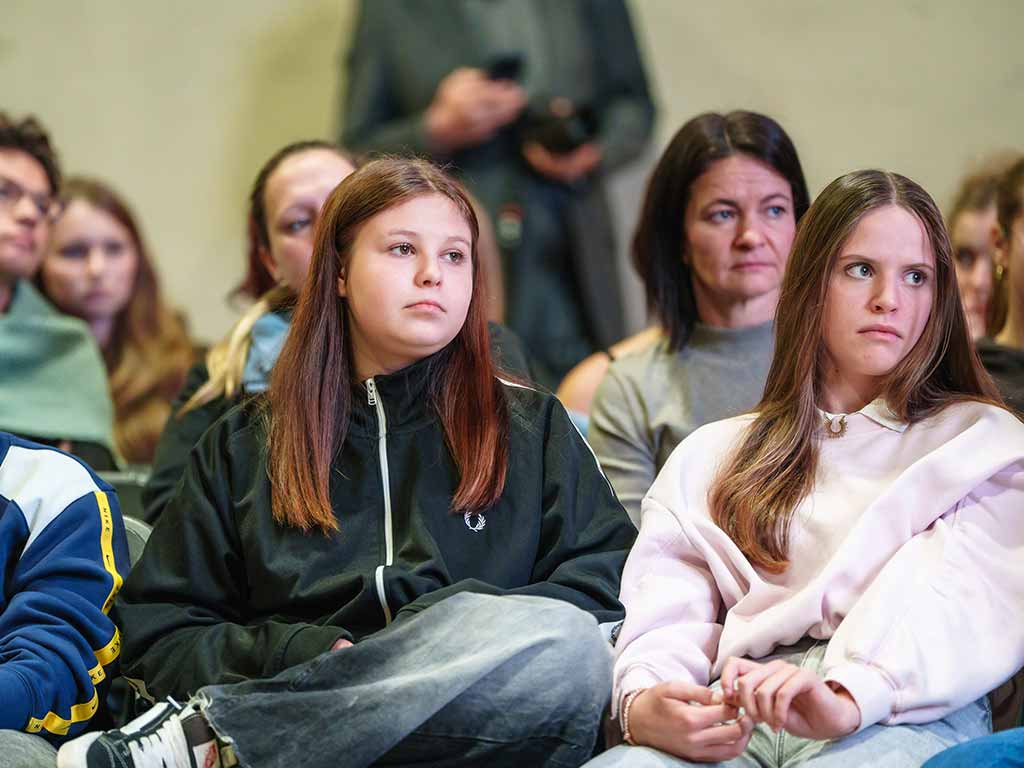
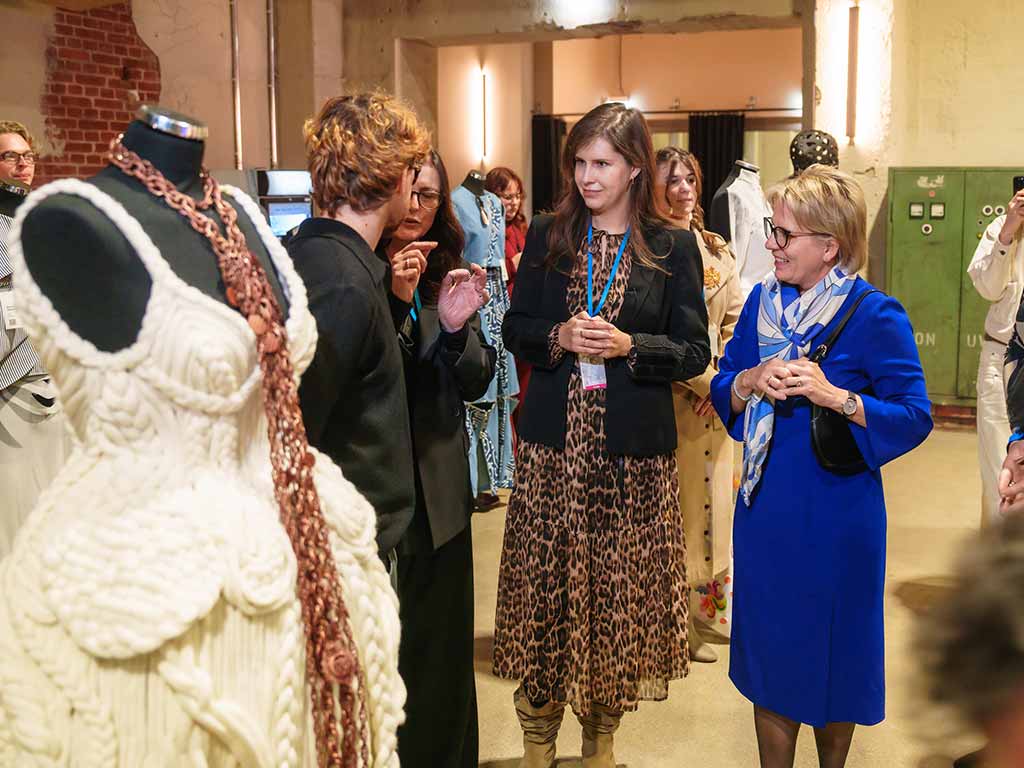
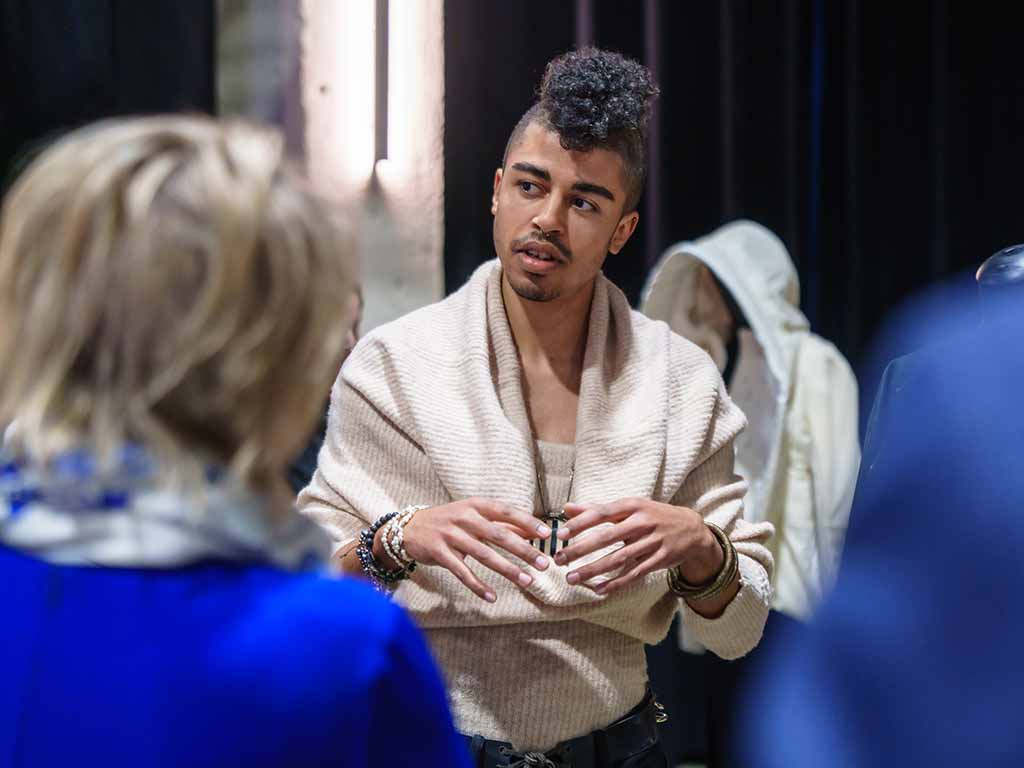
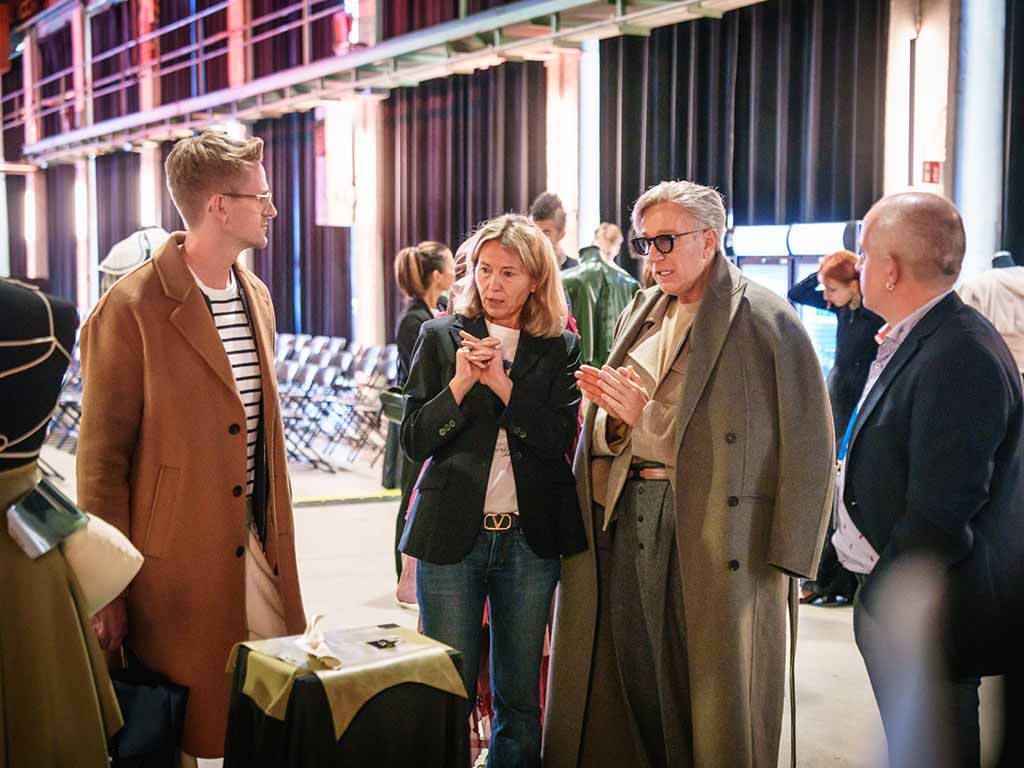
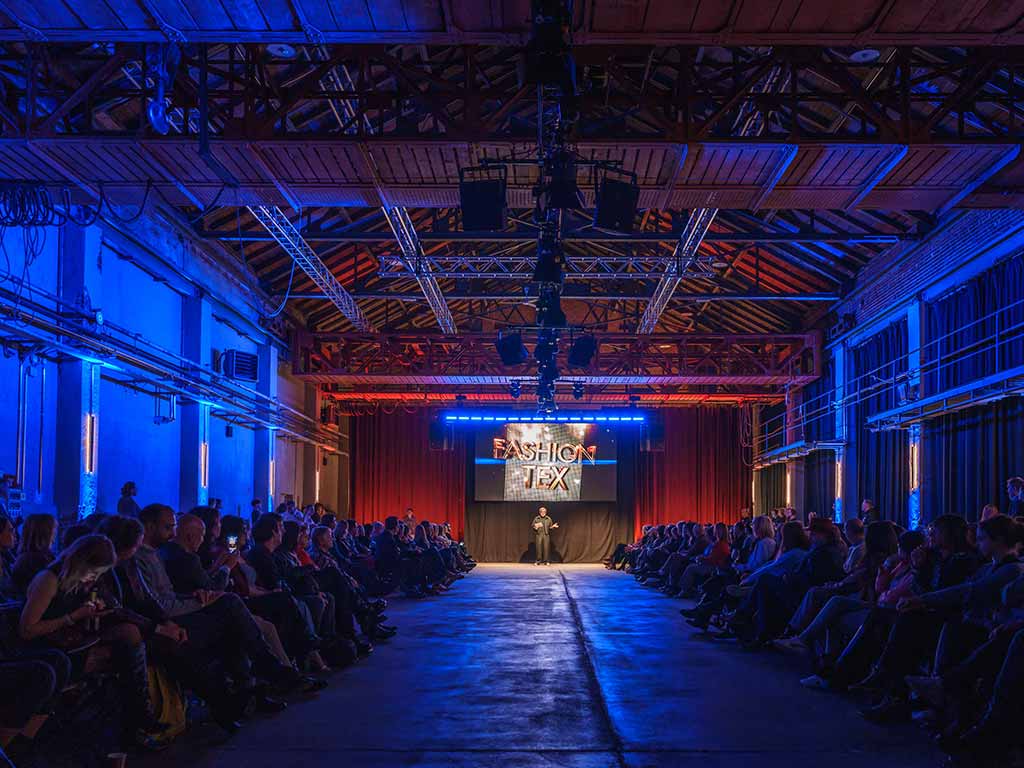
With around 2,000 visitors, international participation, and significant media interest, the Capital of Culture became a hotspot for digital fashion for two days. Designers, technology experts, students, industry representatives, politicians, and the creative scene from across Europe came together to showcase how fashion emerges when craftsmanship, high-tech, and cultural identity merge.
When fashion thinks digitally and inspires in real life
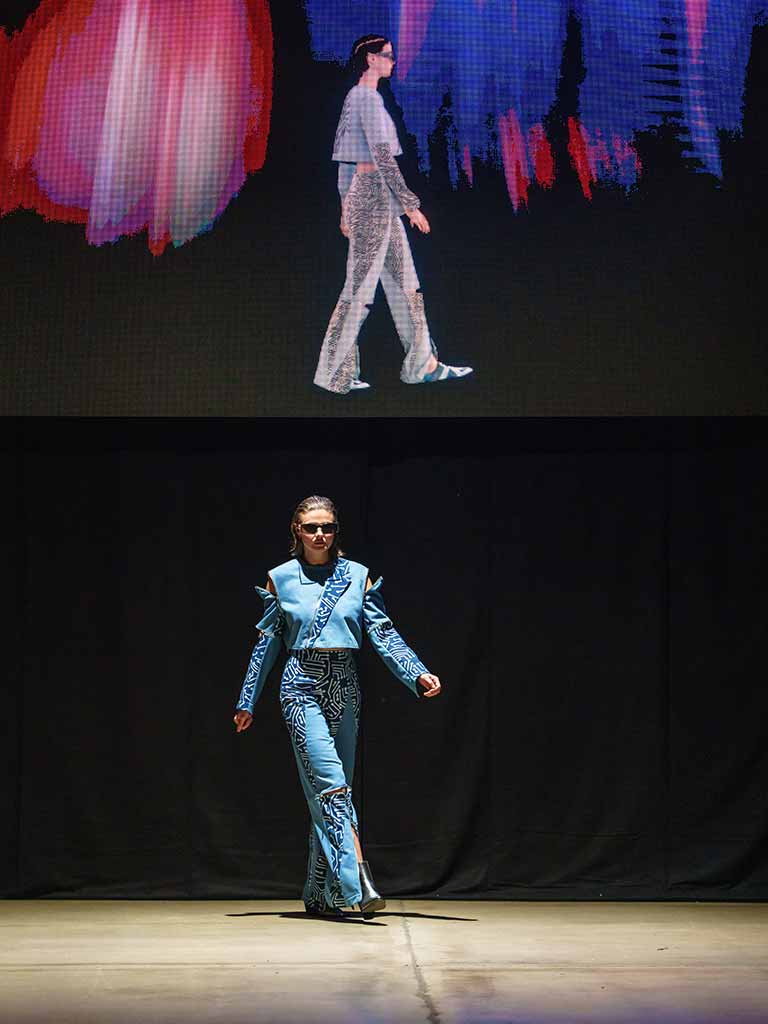
From the outset, it was clear: FashionTEX is not a typical fashion event. The focus wasn’t on trends, but on the work processes of tomorrow. Virtual collections became tangible, digital materials felt real, avatars stood alongside models, and thus digital and physical fashion were united.
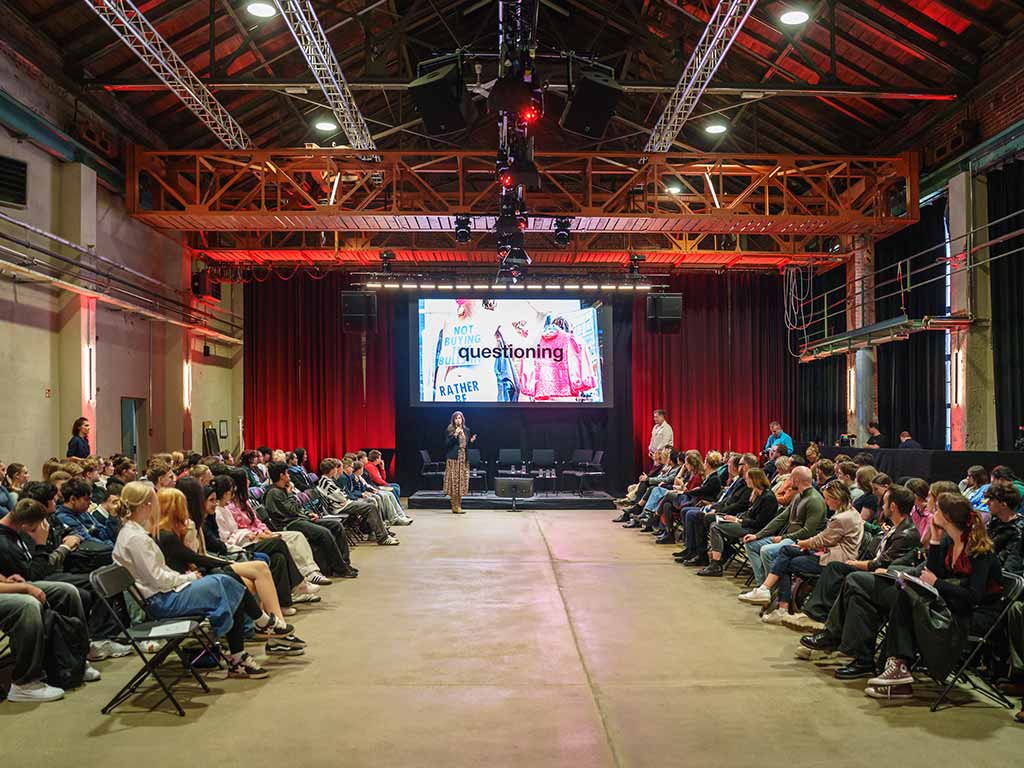
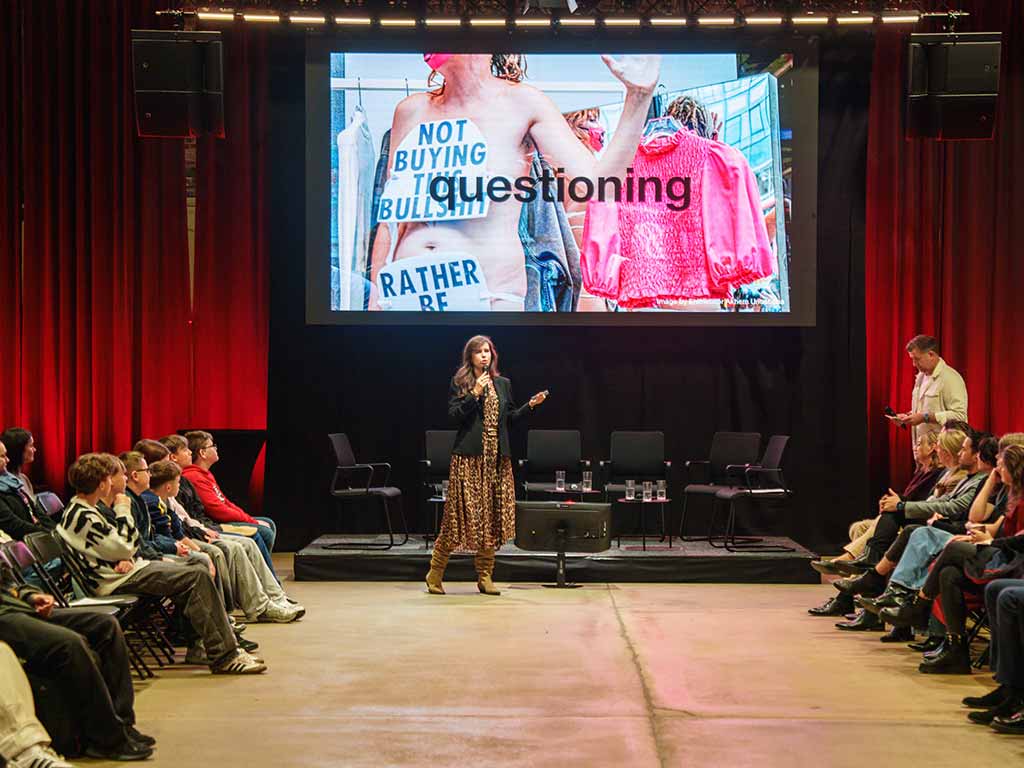
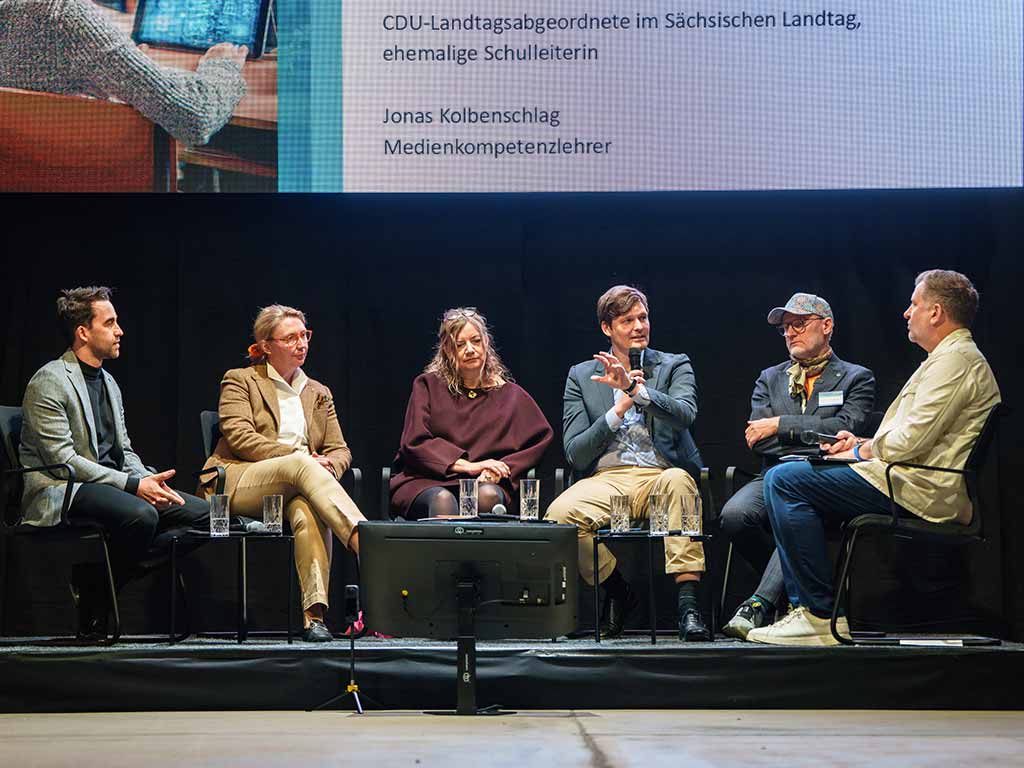
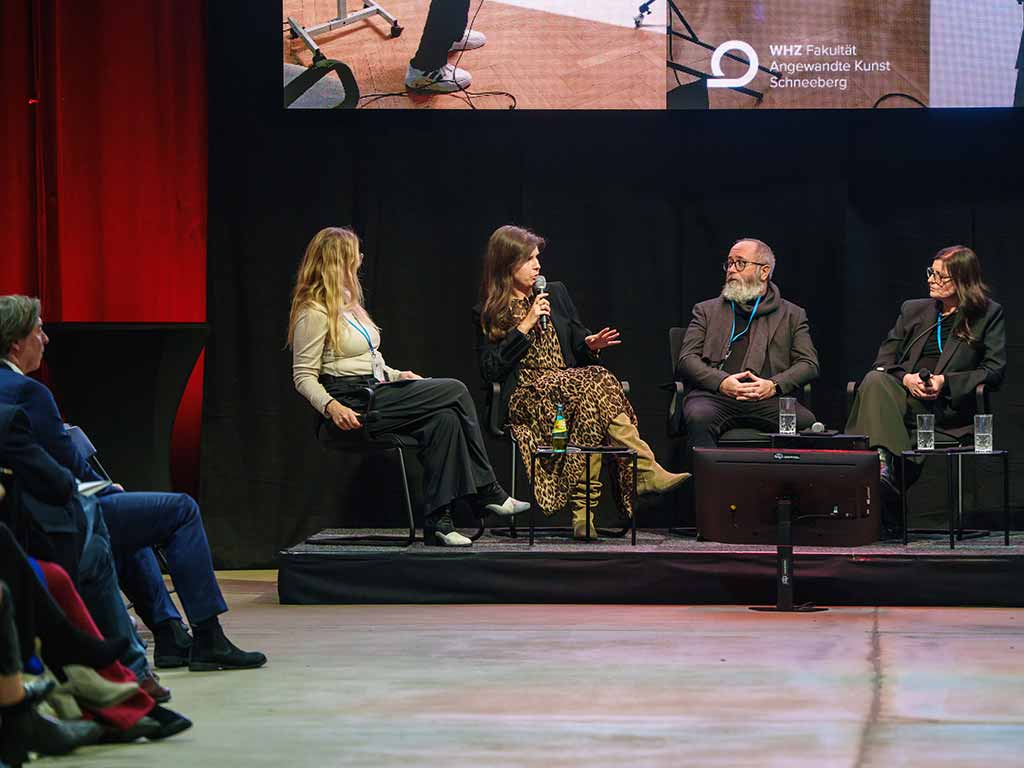
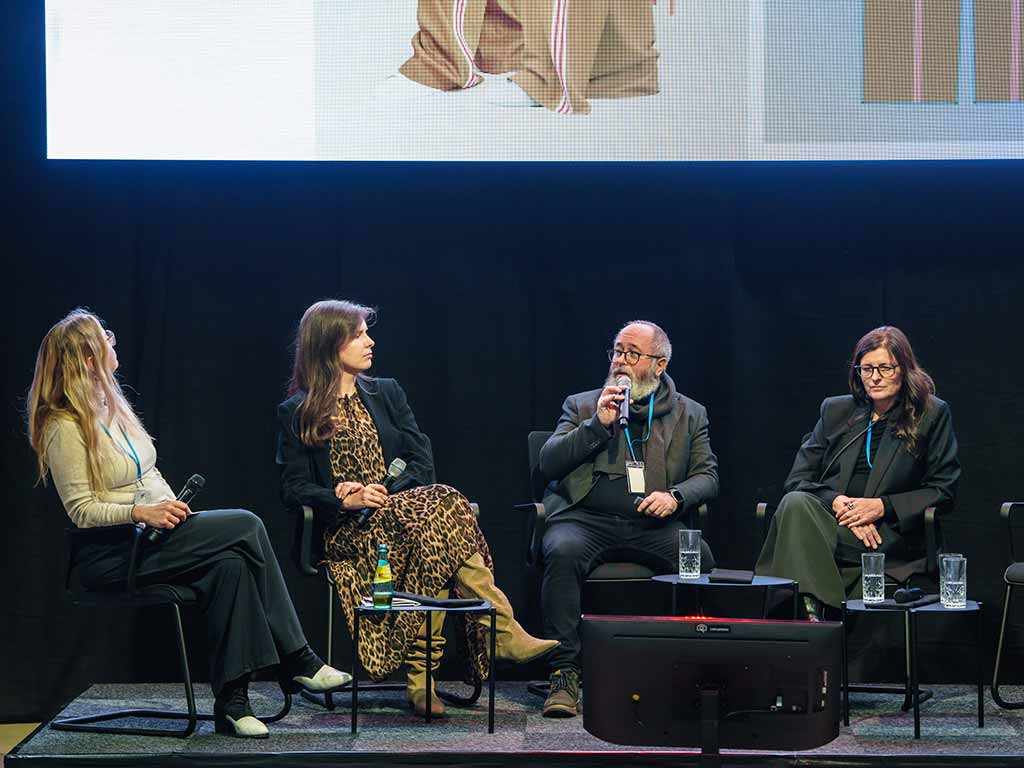
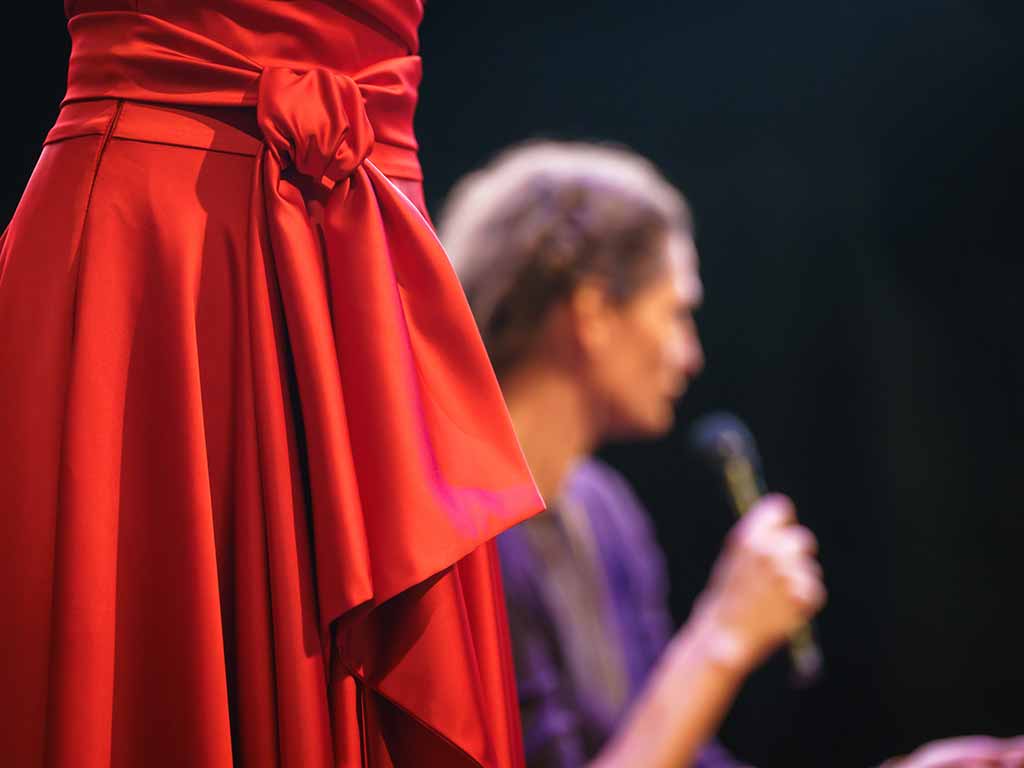
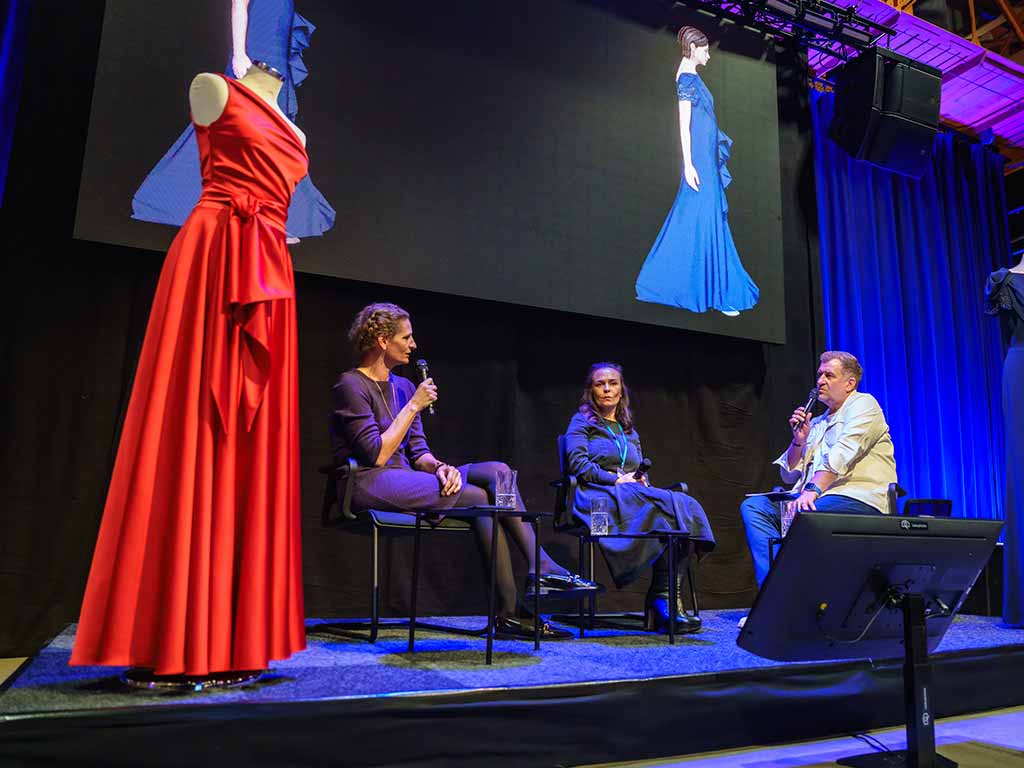
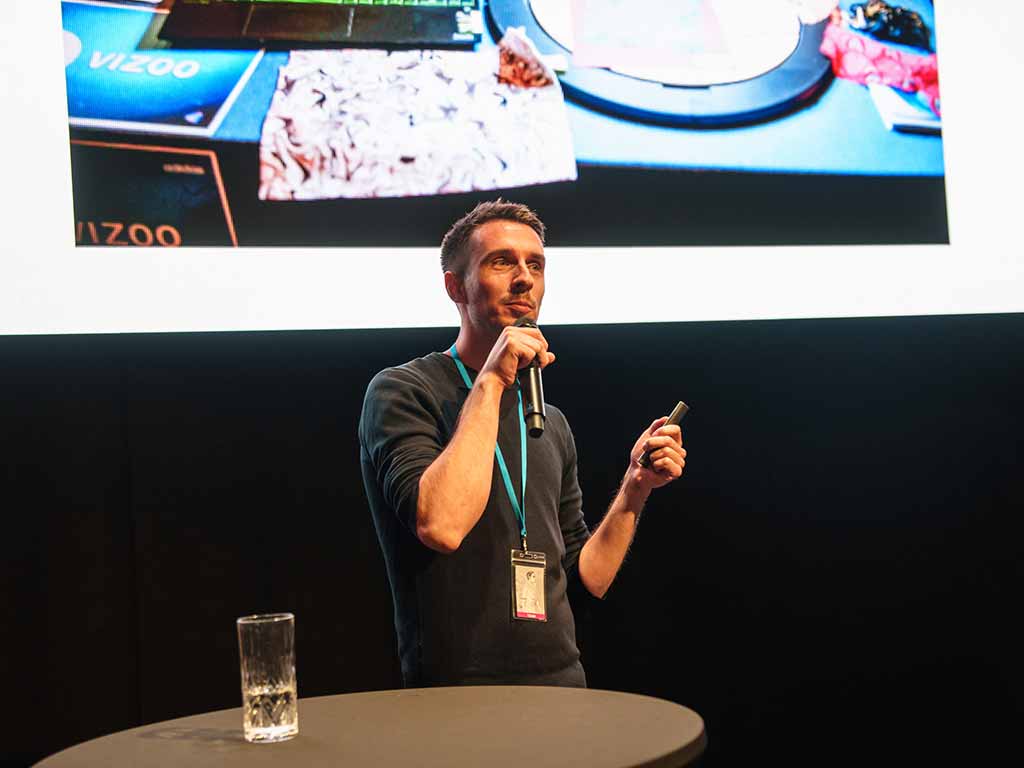
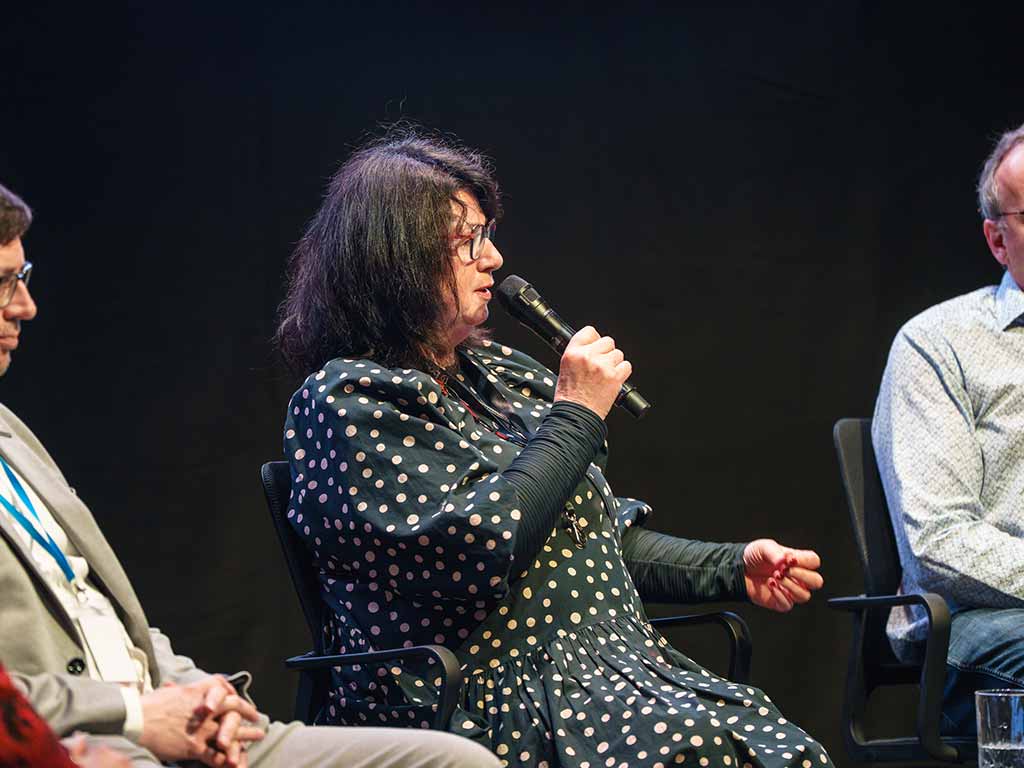
Lectures, panel discussions, and live demonstrations showed how AI, 3D simulations, and sustainable processes are fundamentally changing design, production, and consumption. FashionTEX presented not just visions, but concrete applications—phygital rather than analog.
Weeks of work, powerful emotions, a unique runway
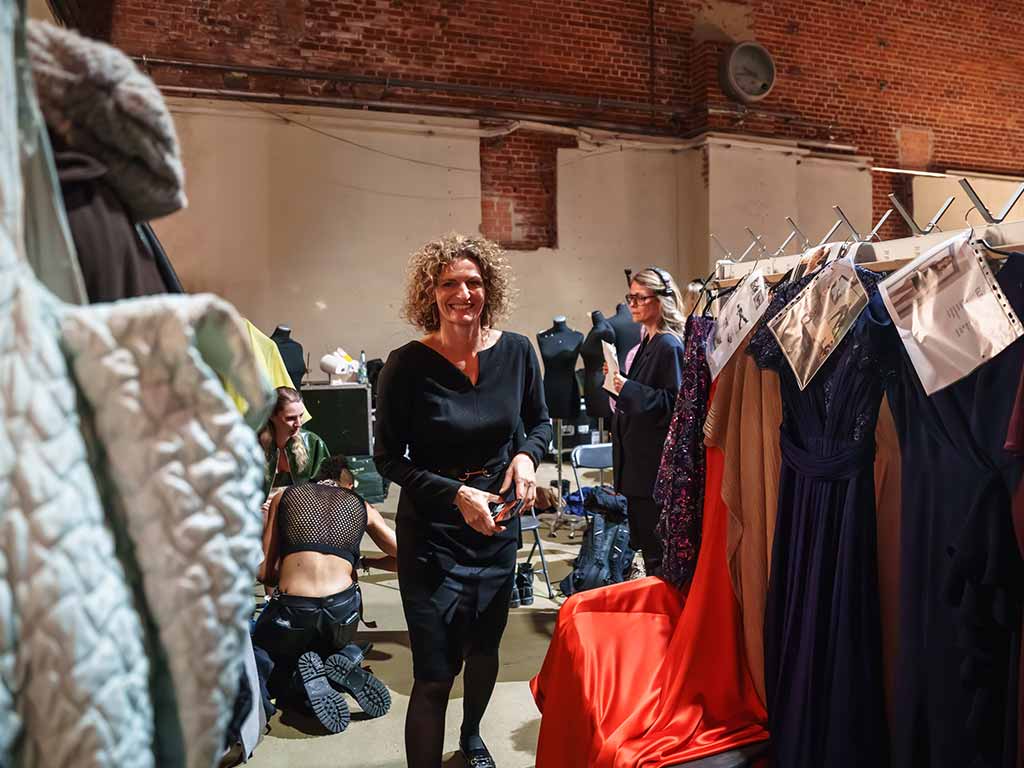
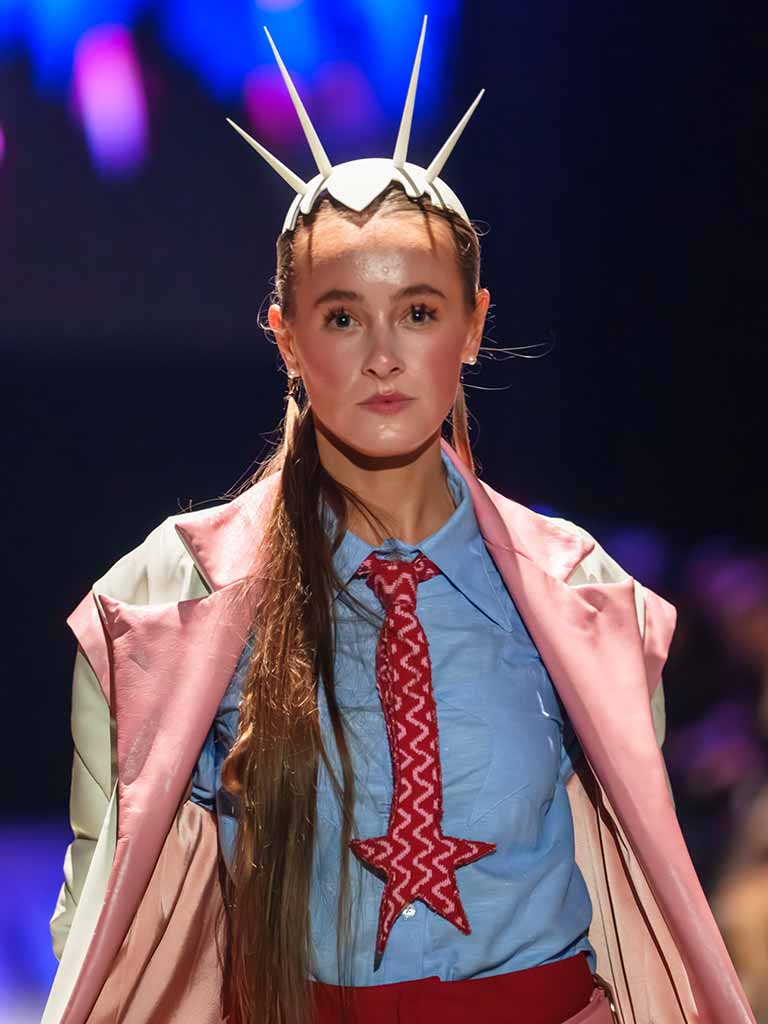
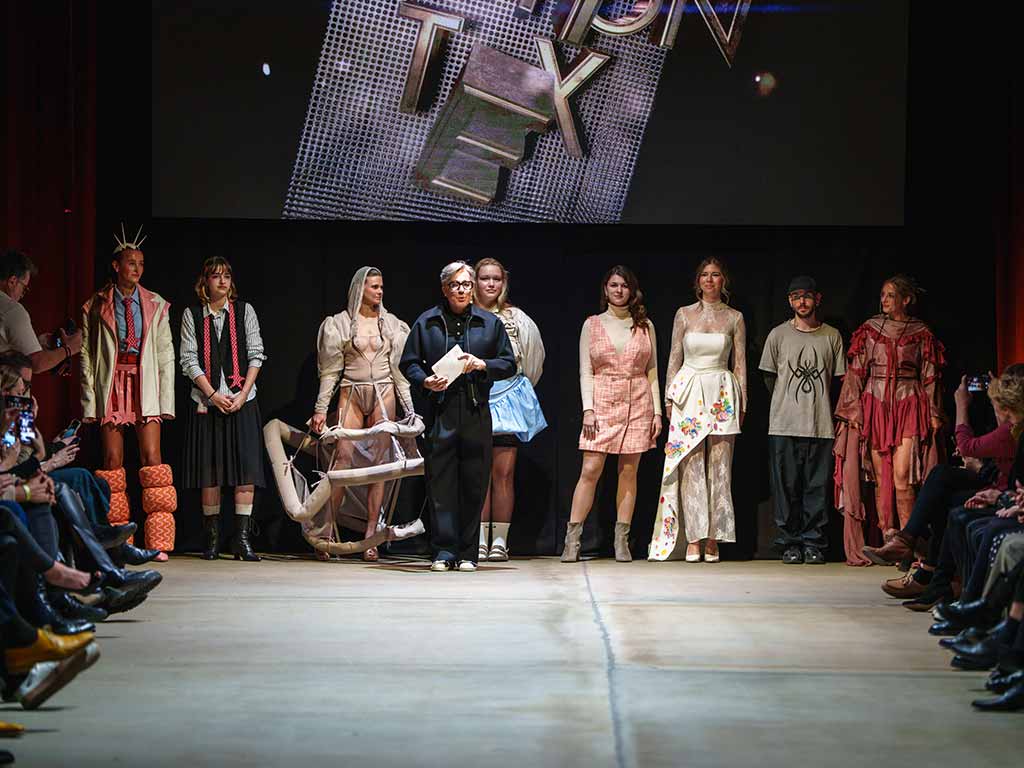
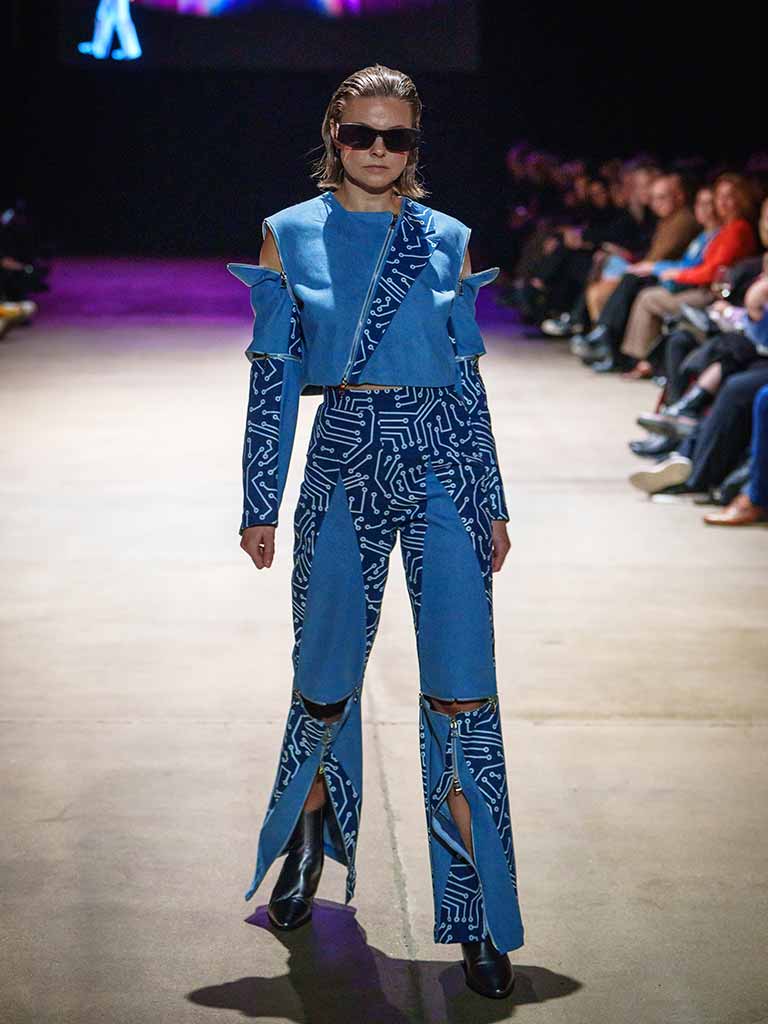
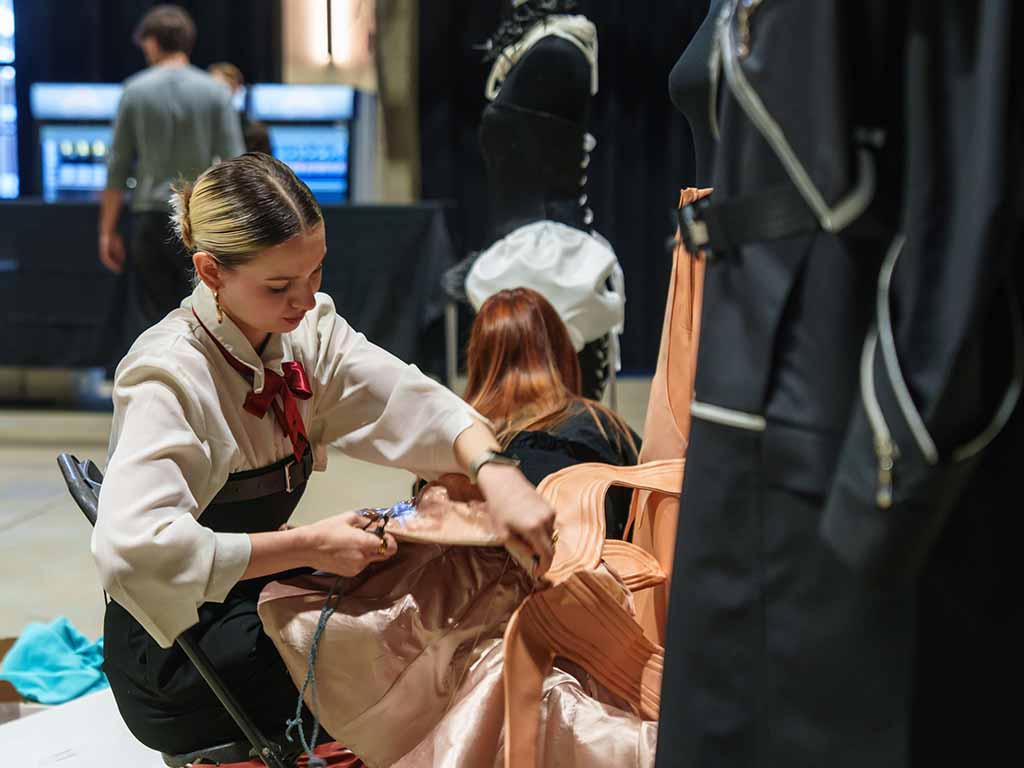
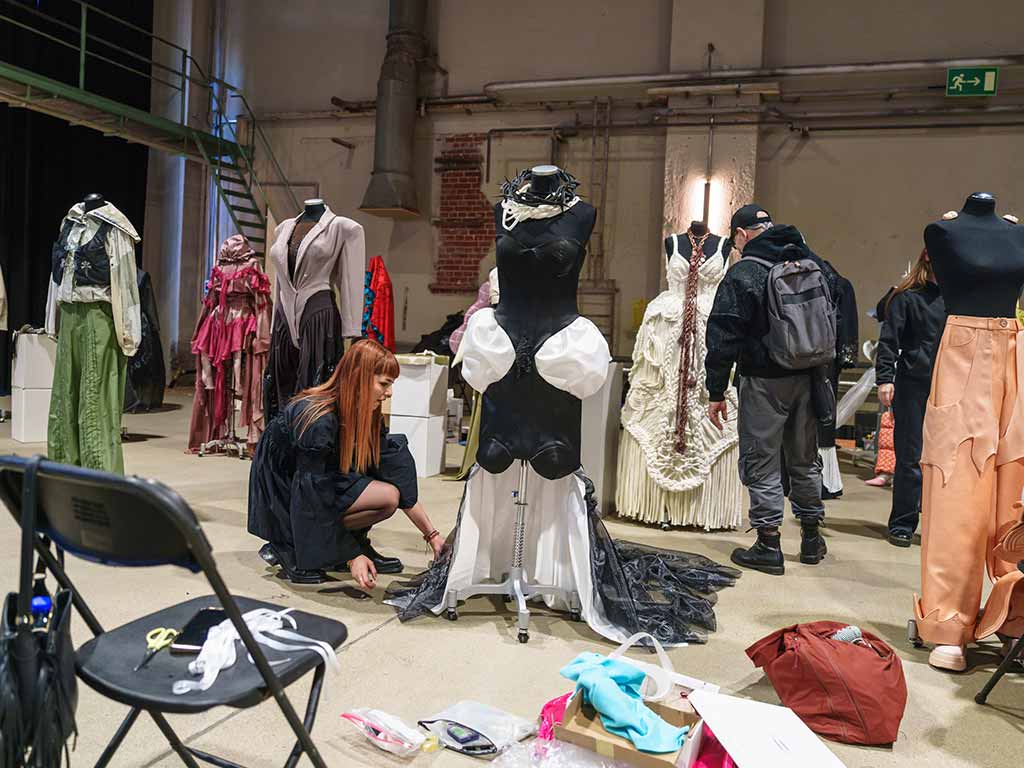
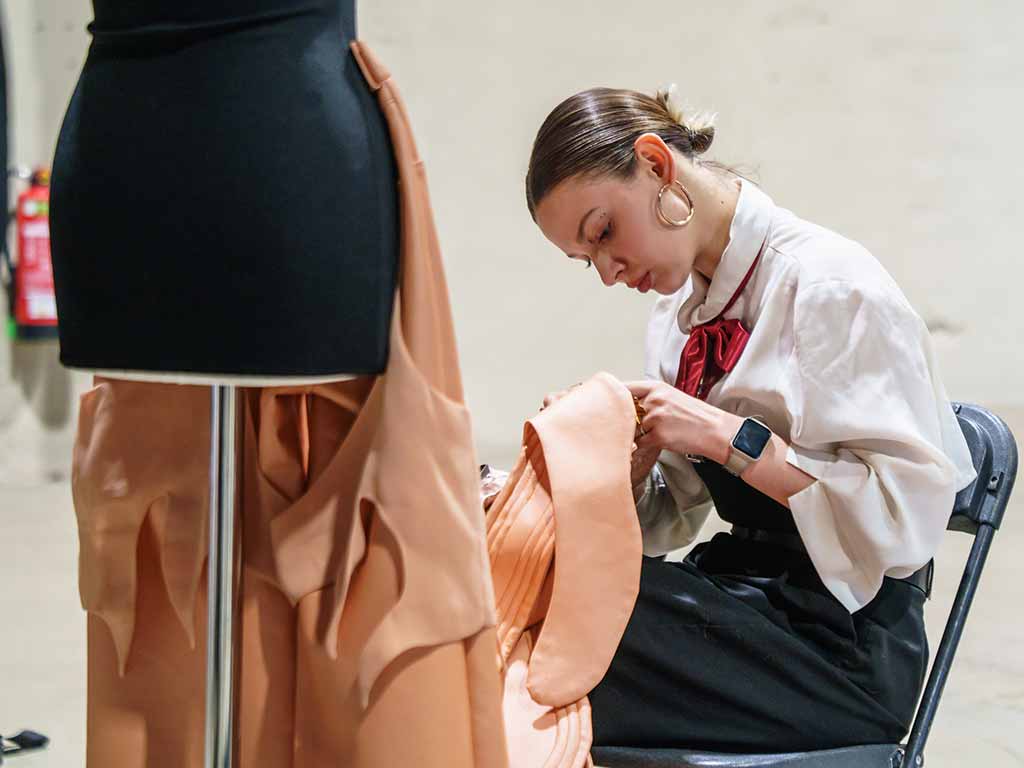
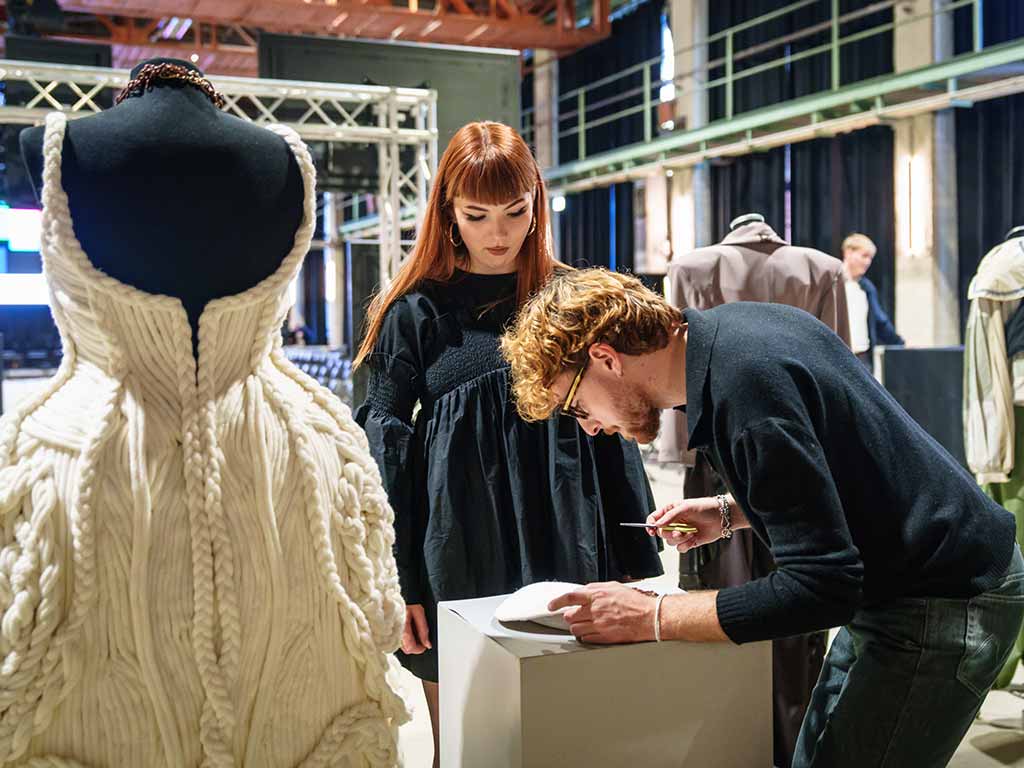
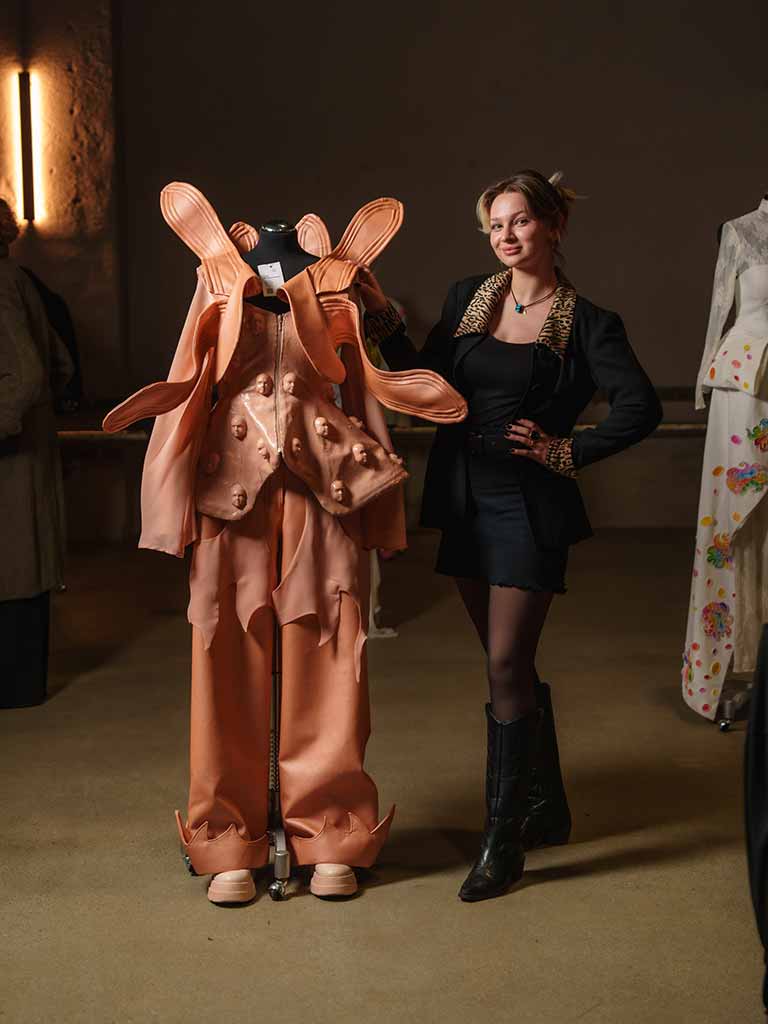
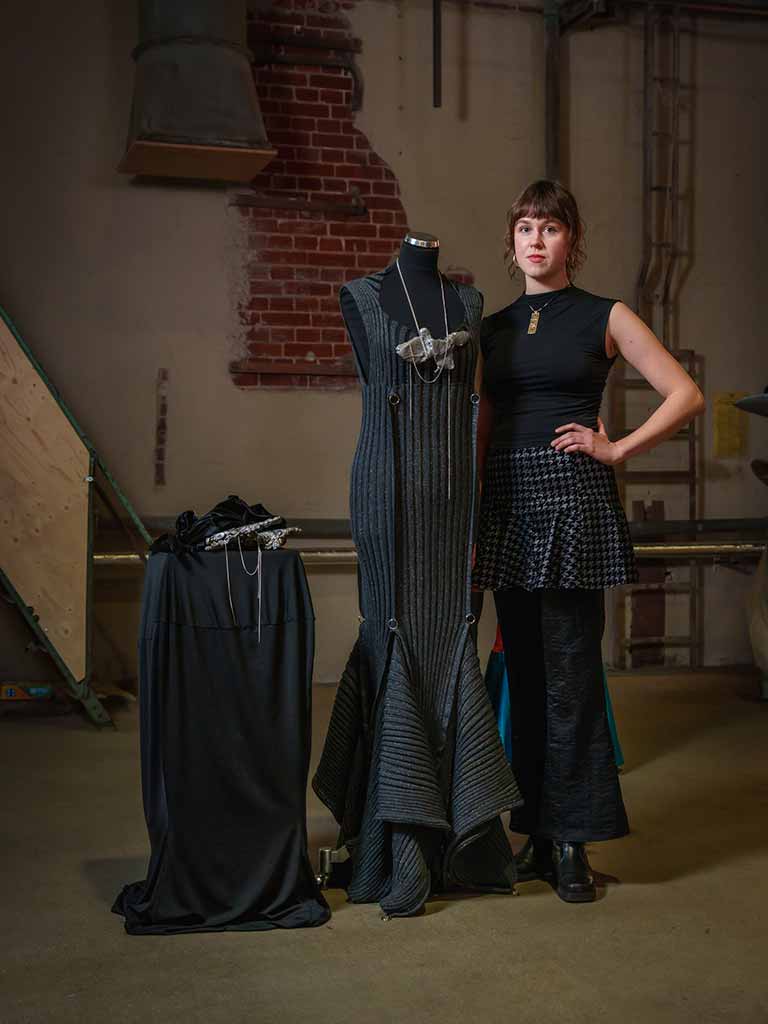
At the heart of the festival were 24 students from 11 European partner universities of the FashionTEX project. In weeks of intensive work, they developed hybrid collections in which digital avatars and physical clothing merged into a shared experience.
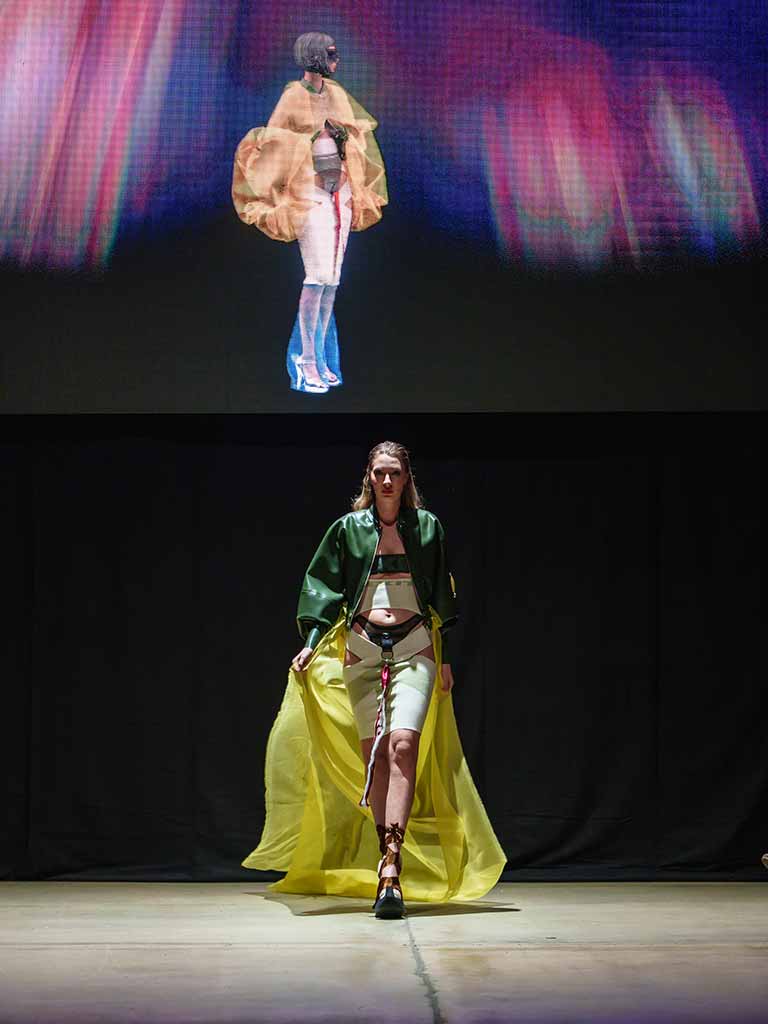
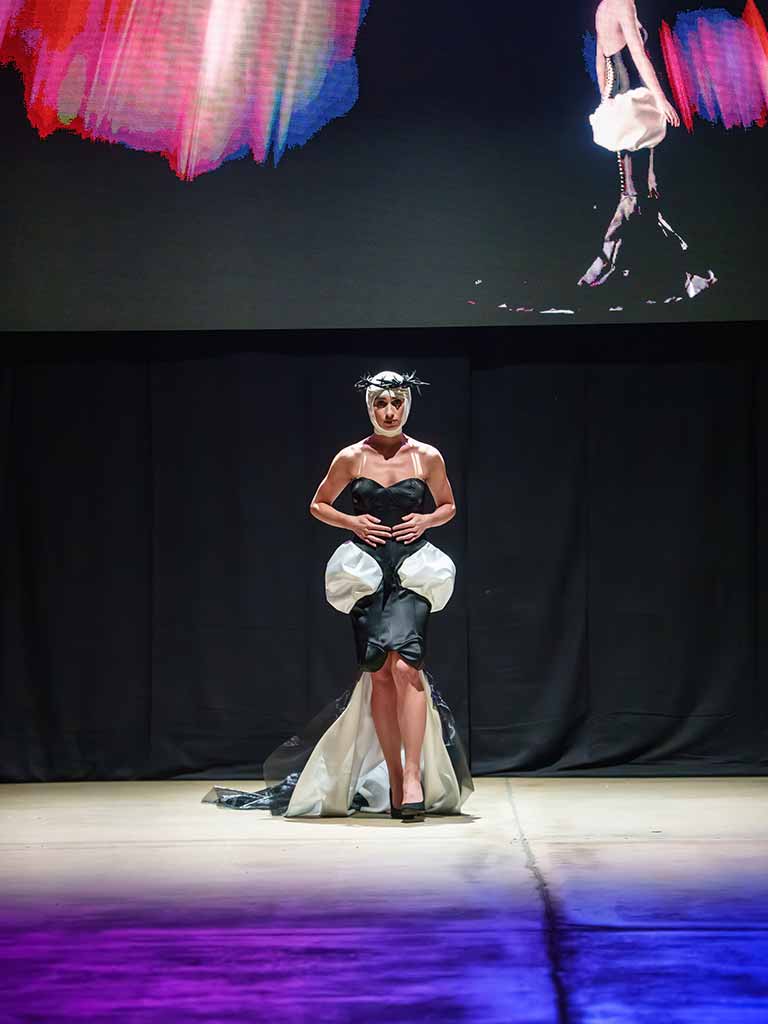
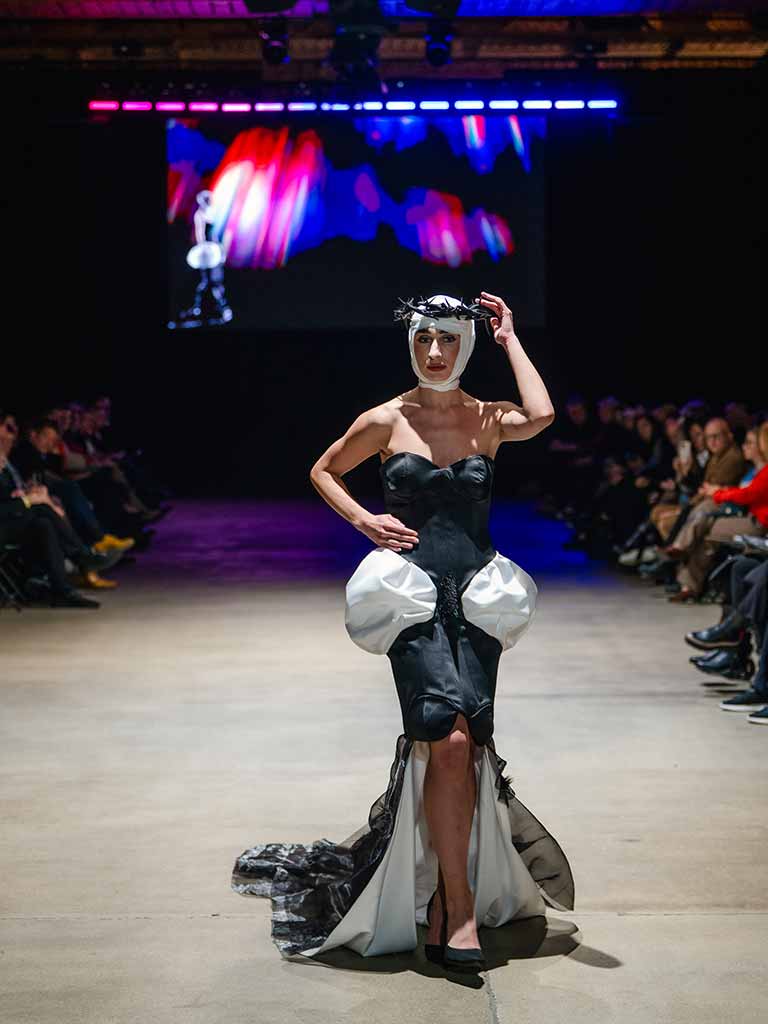
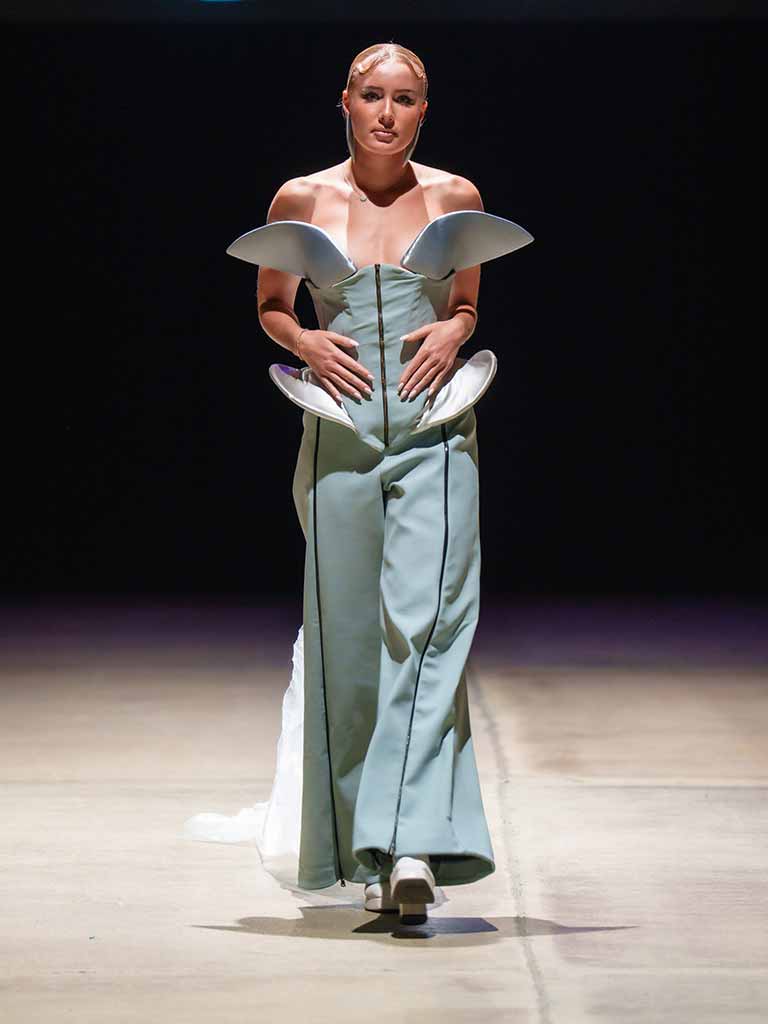
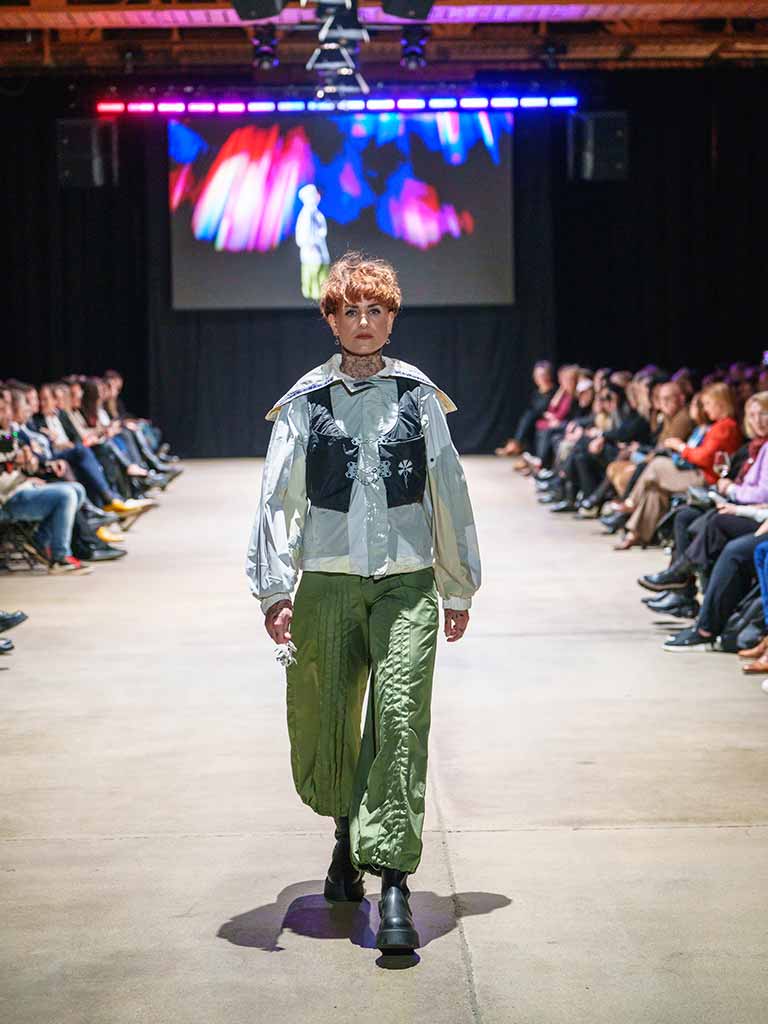
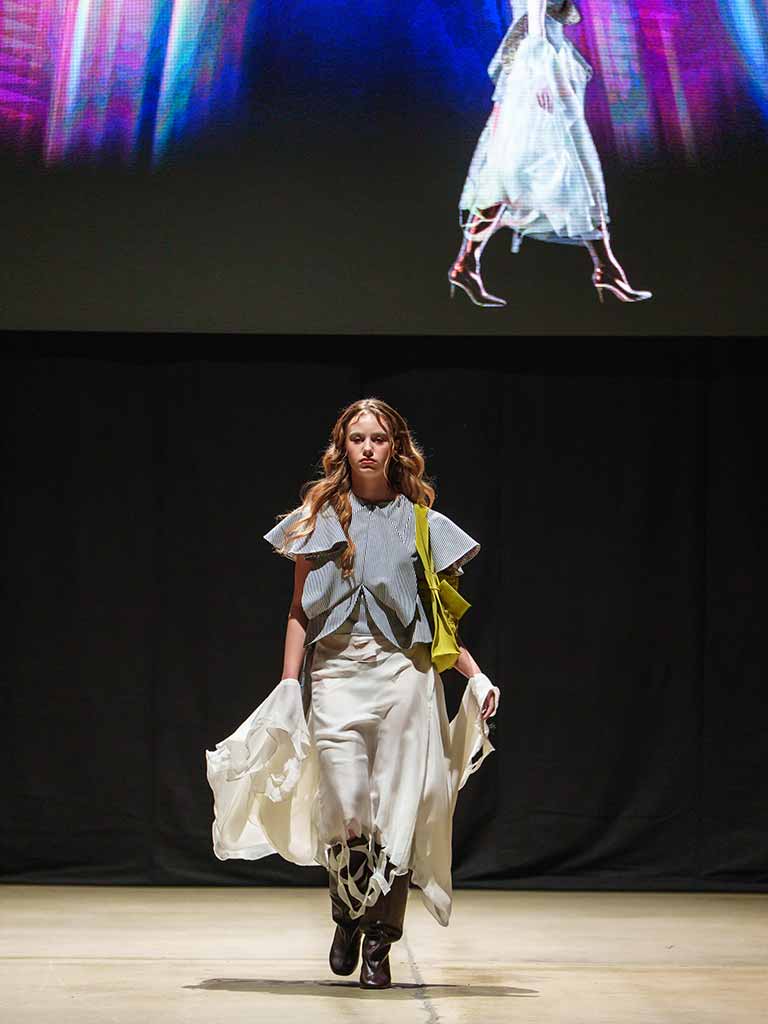
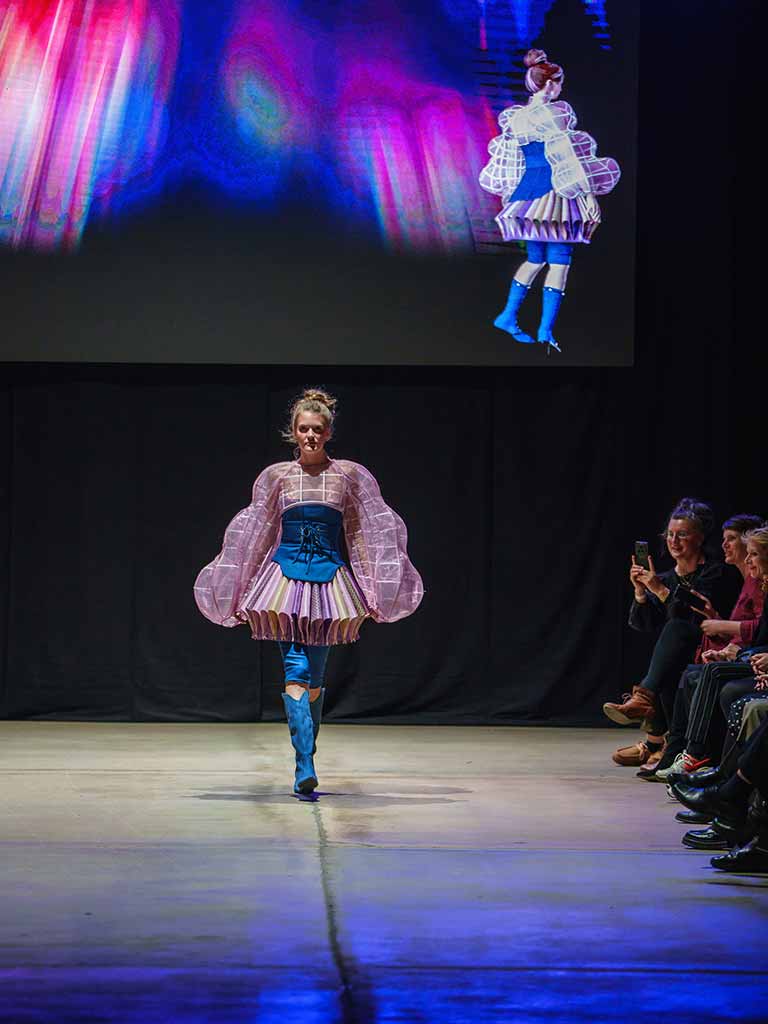
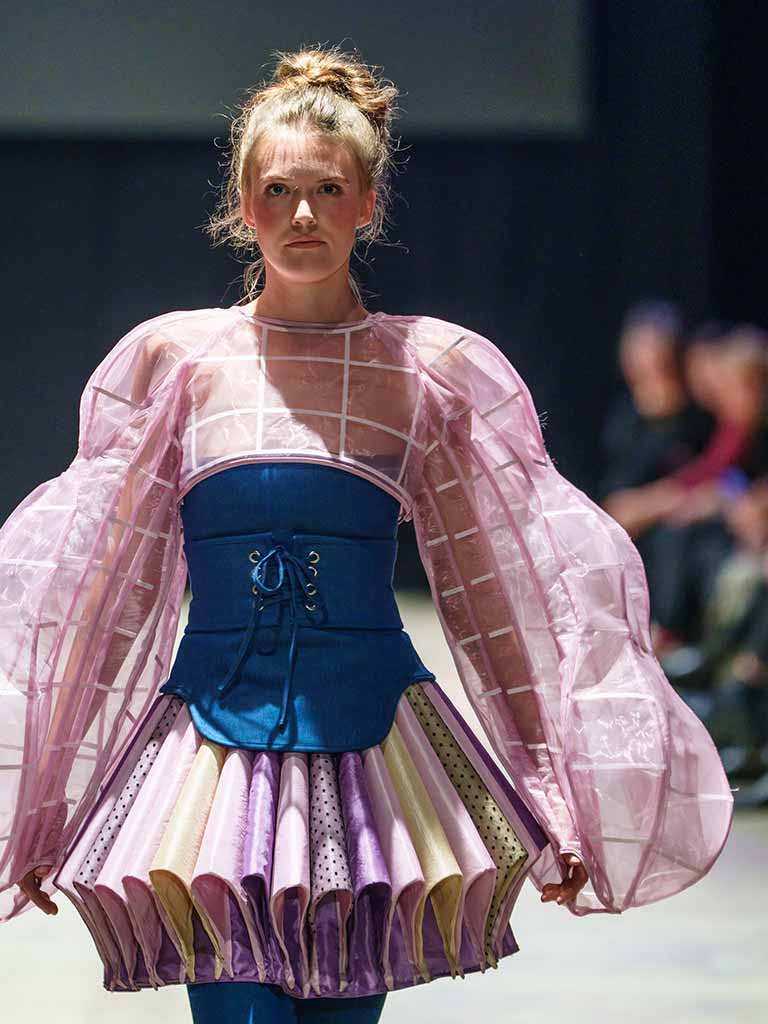
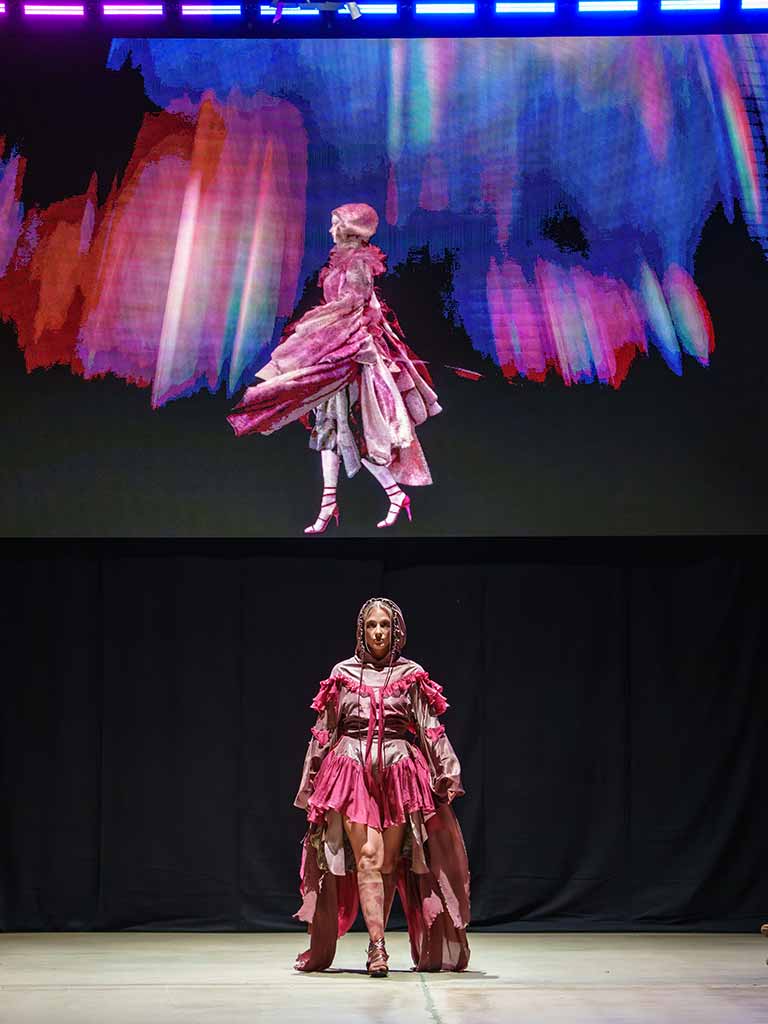
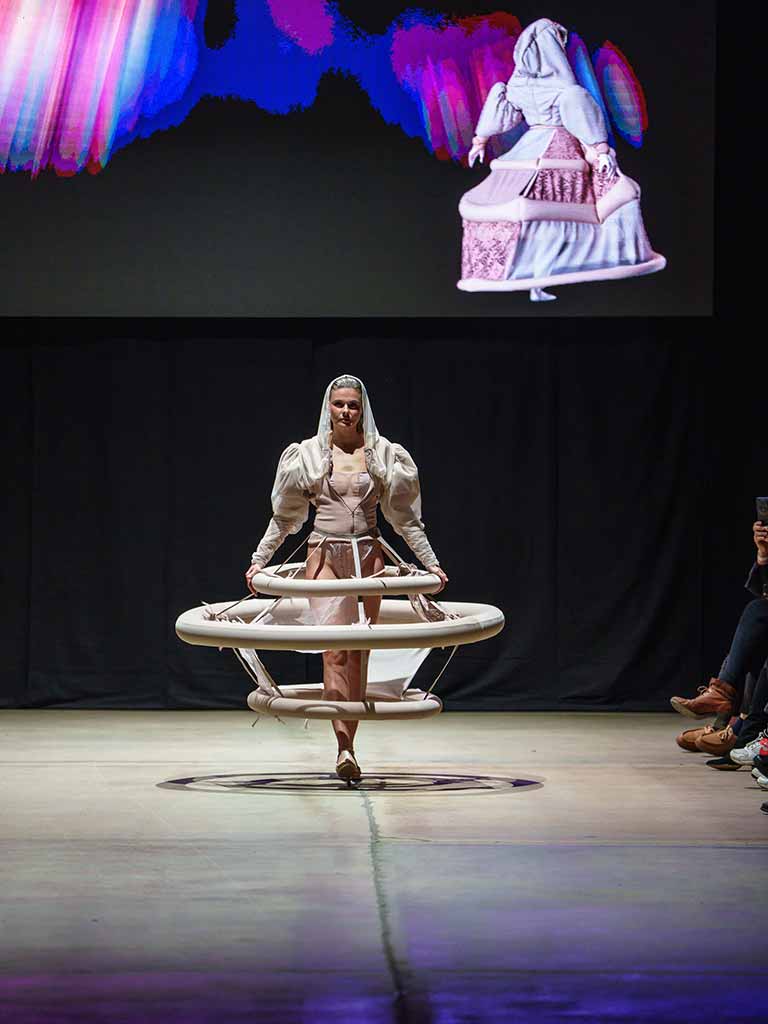
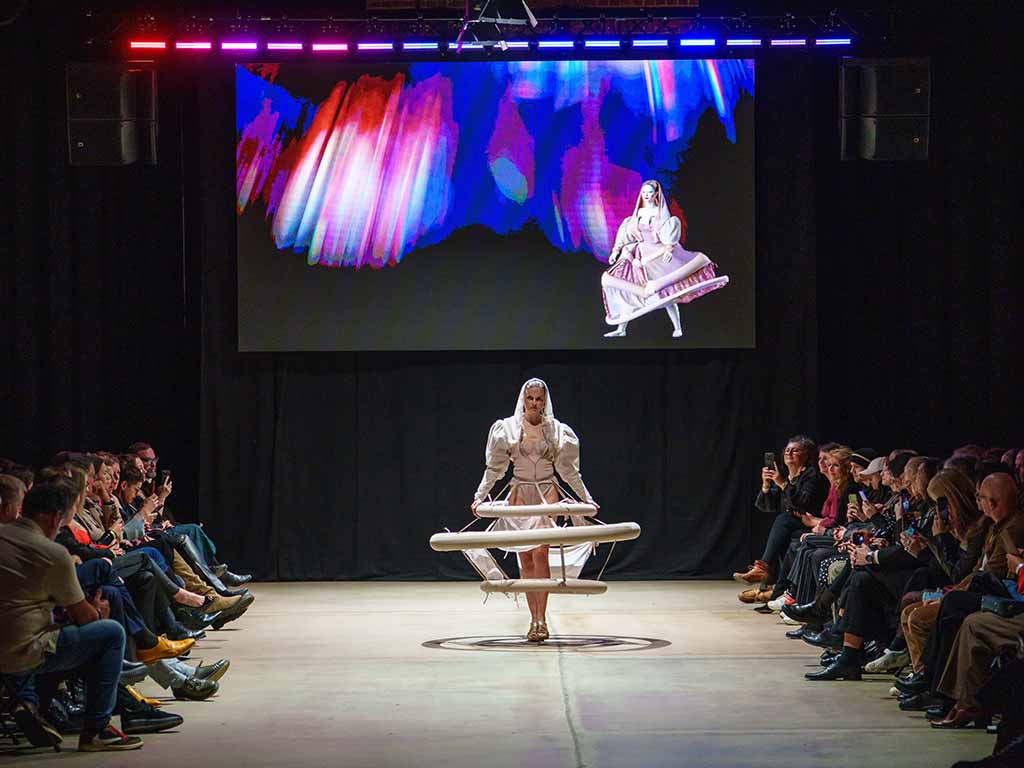
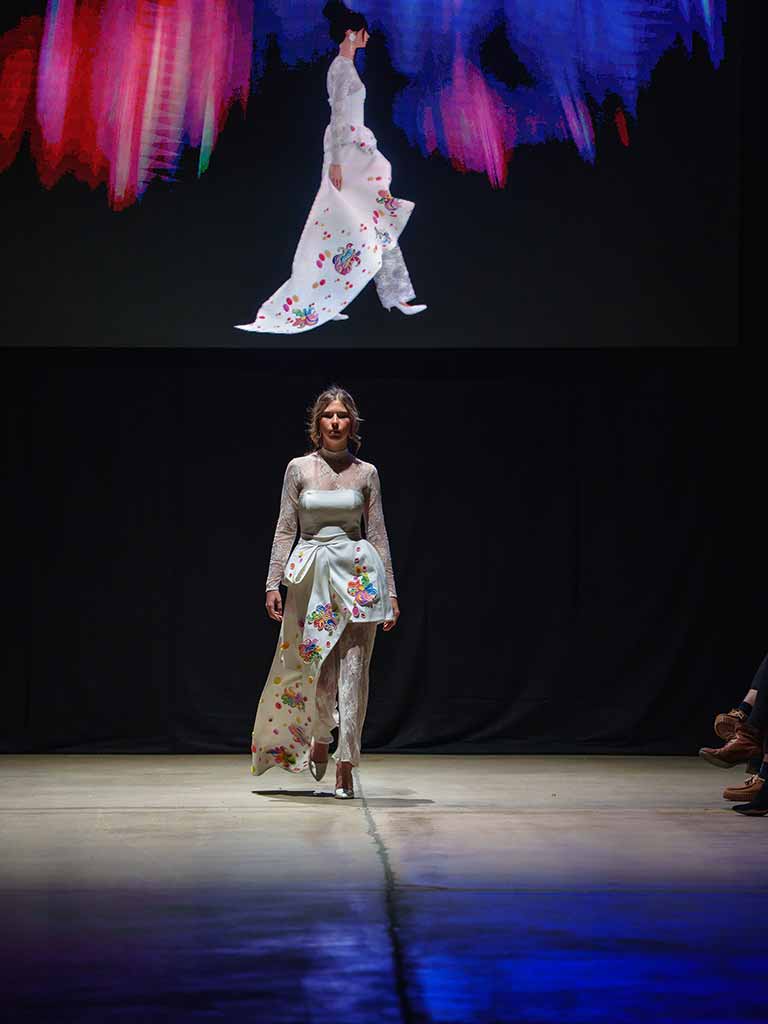
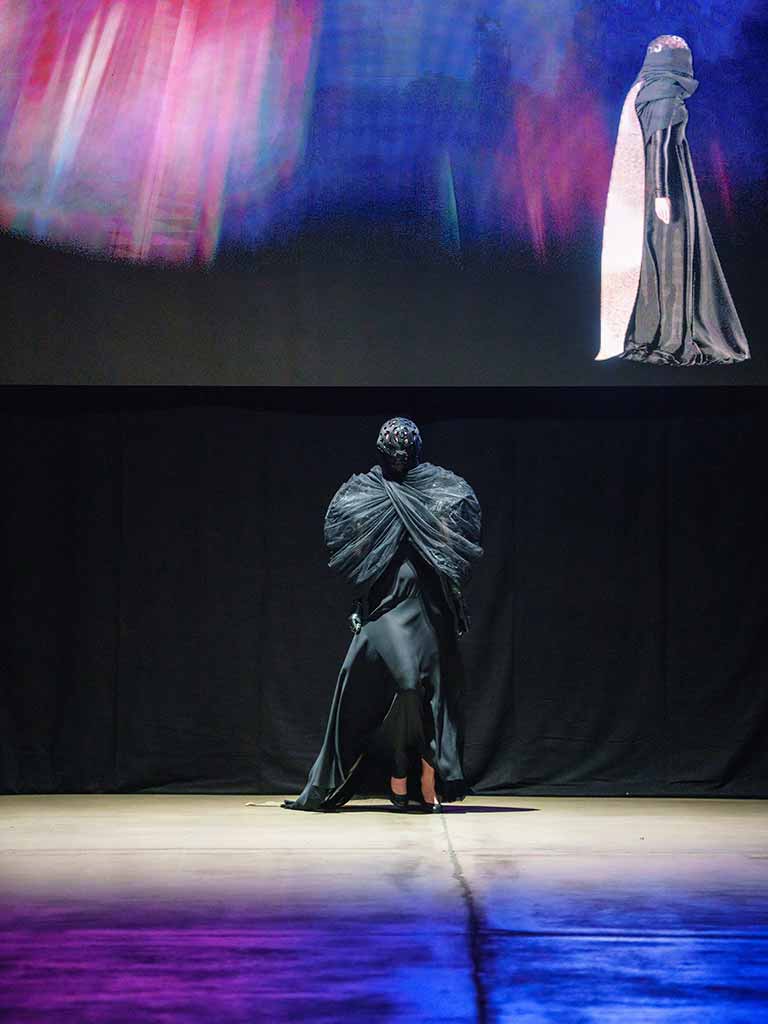
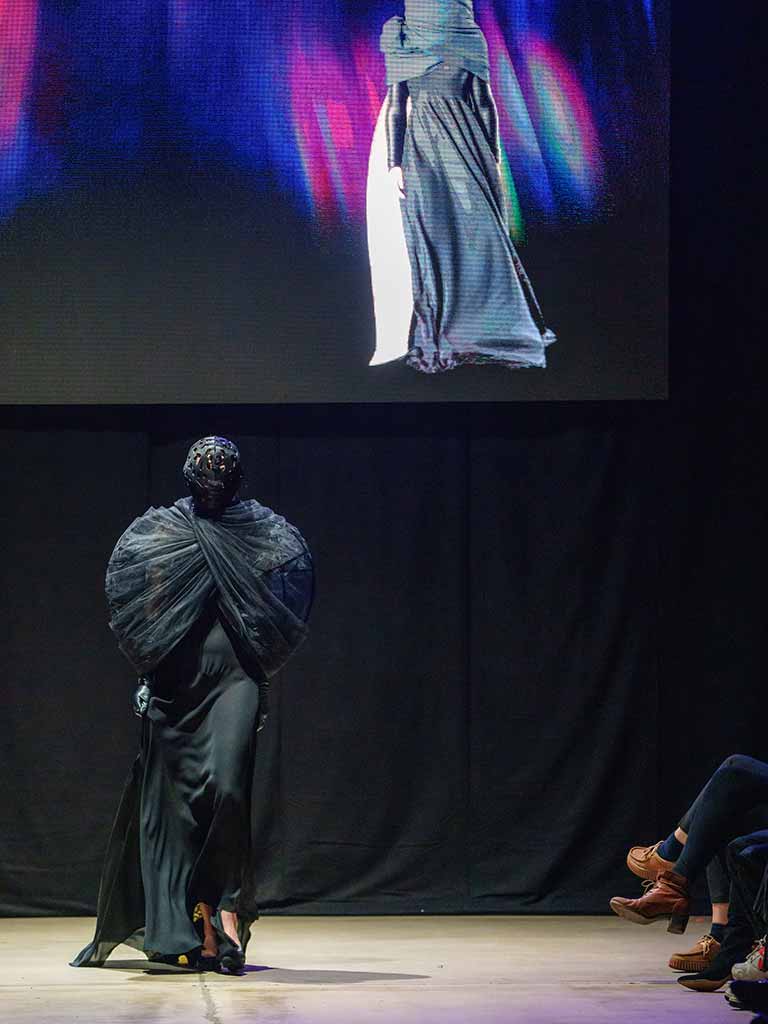
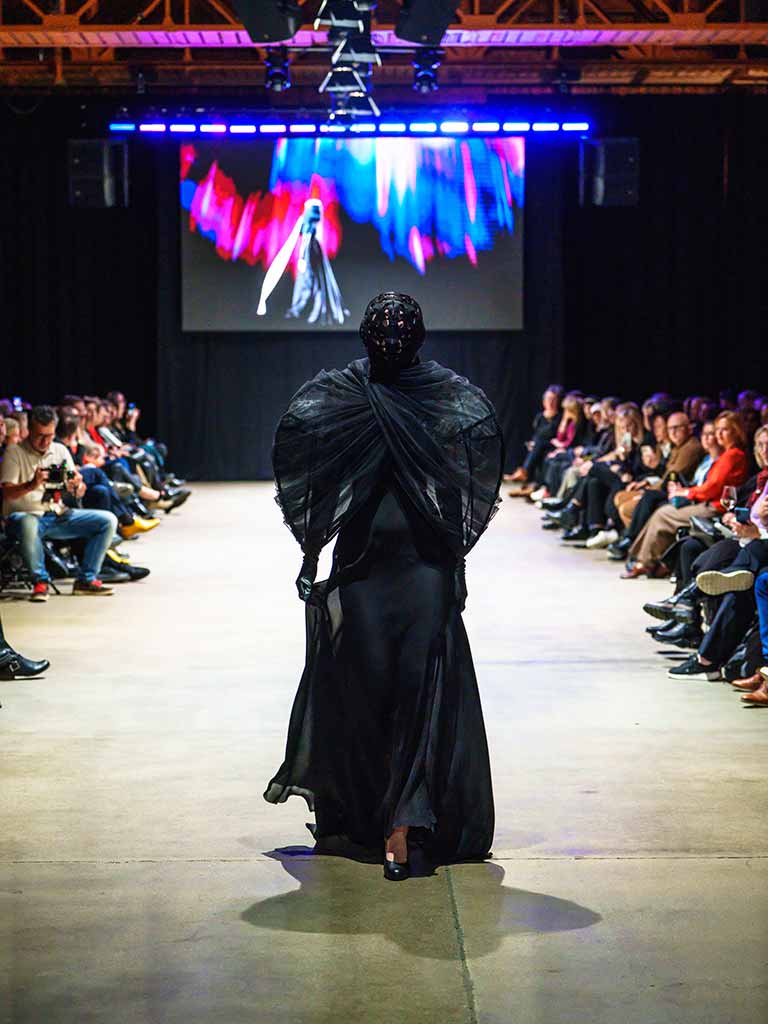
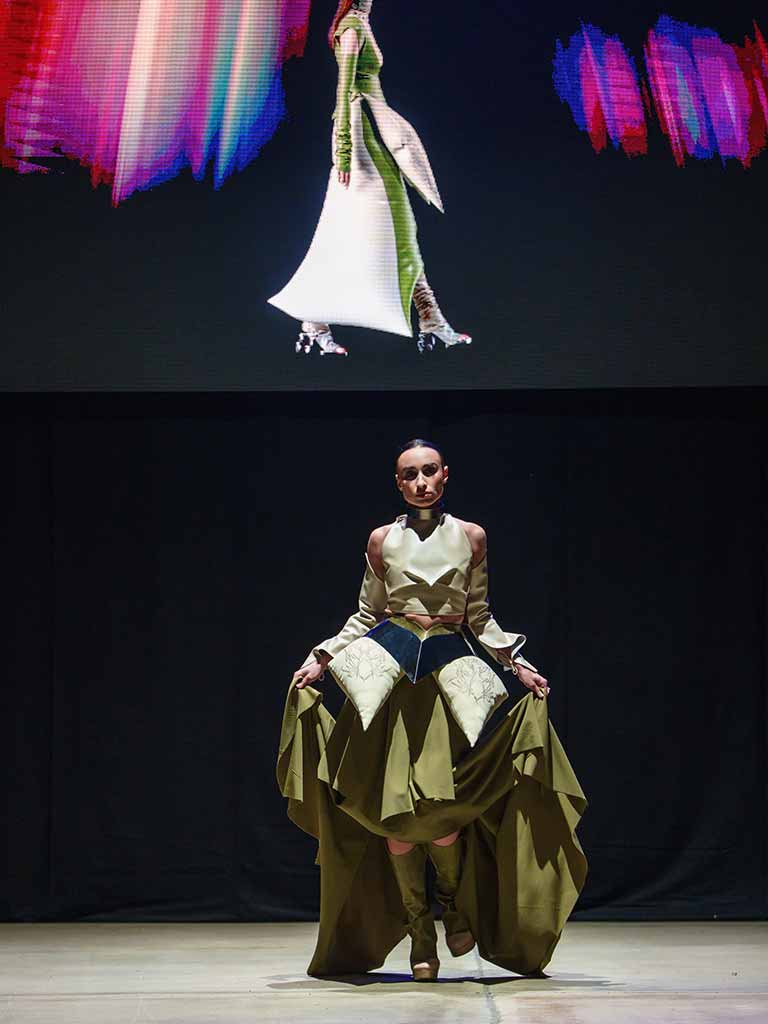
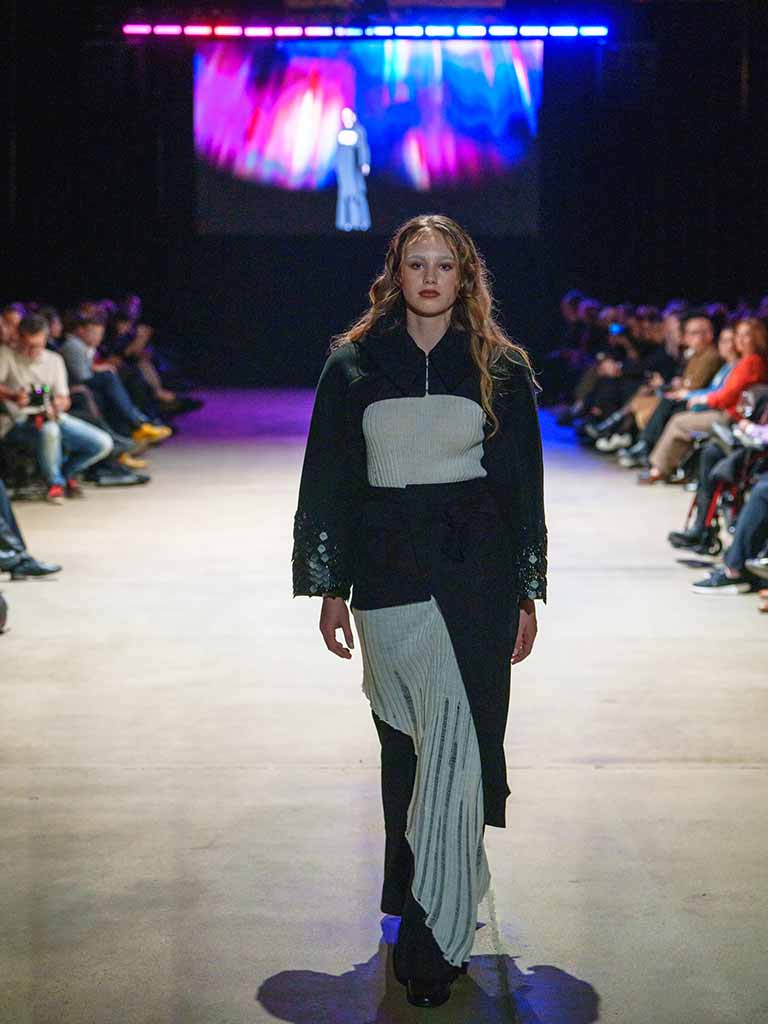
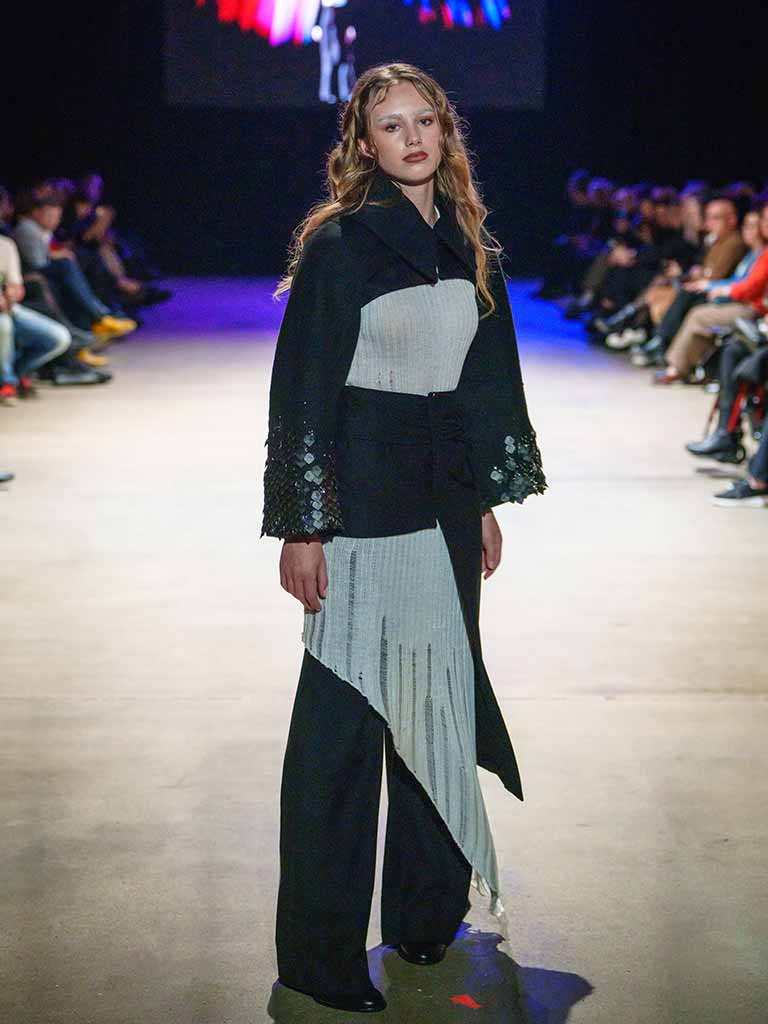
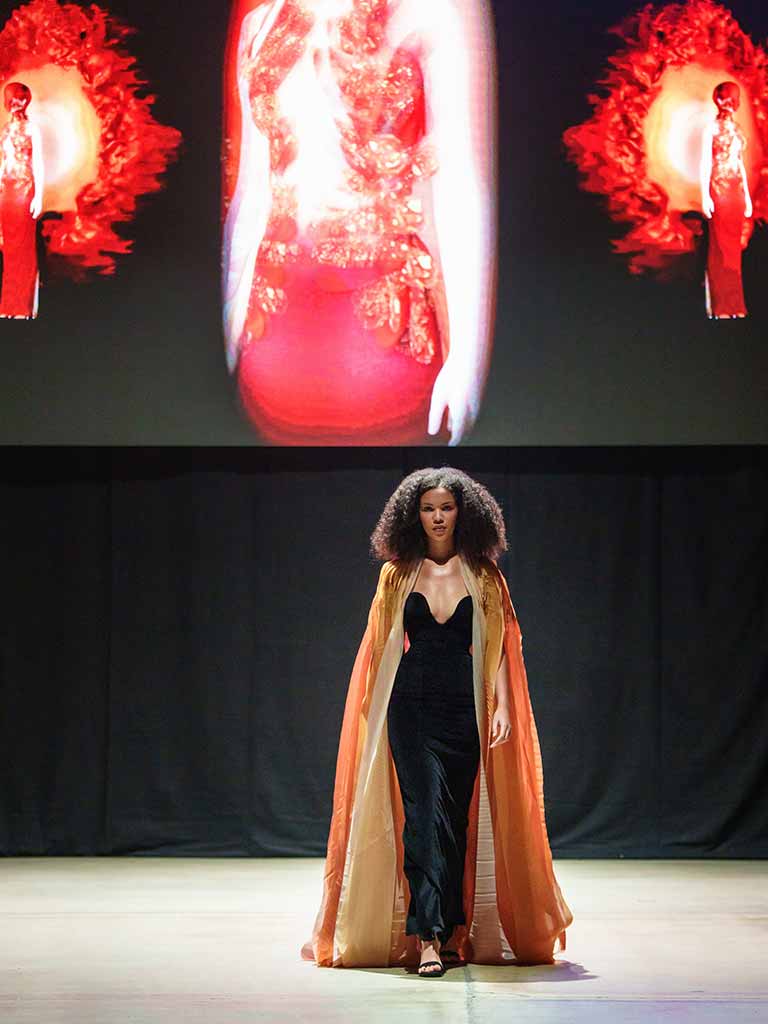
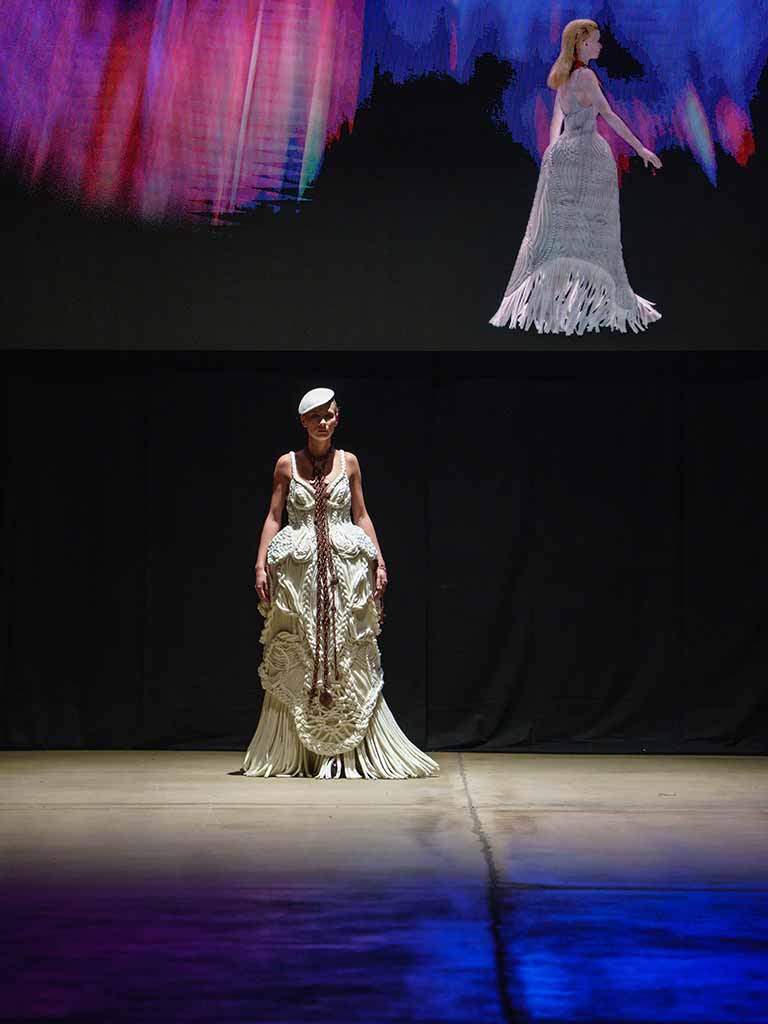
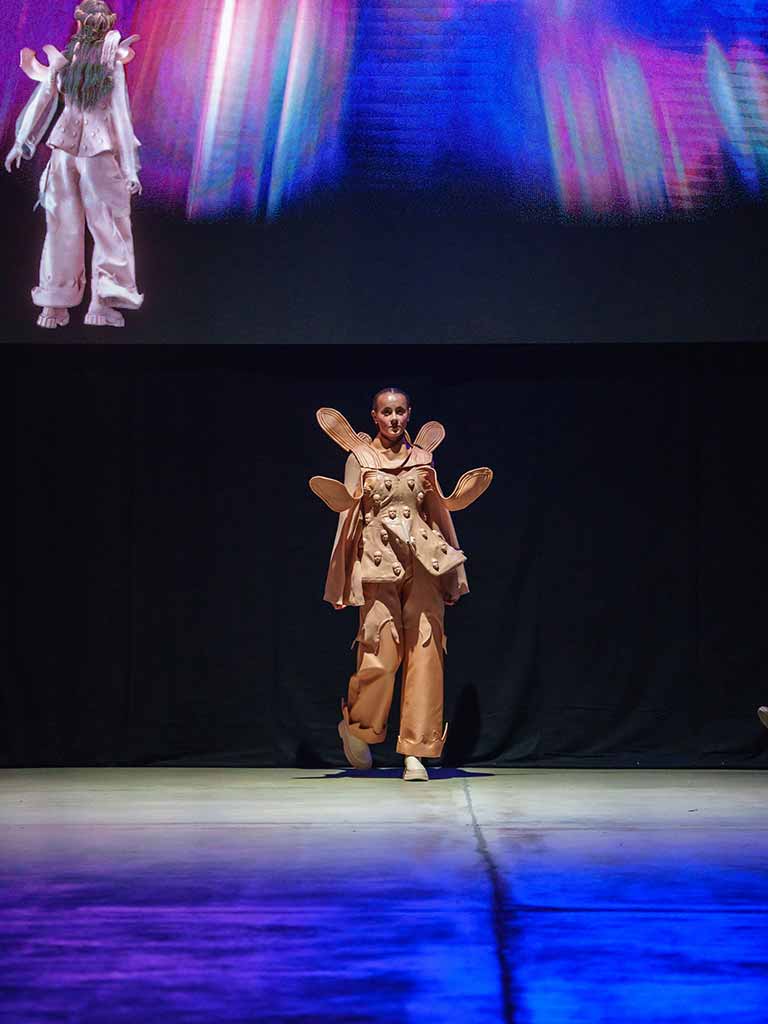
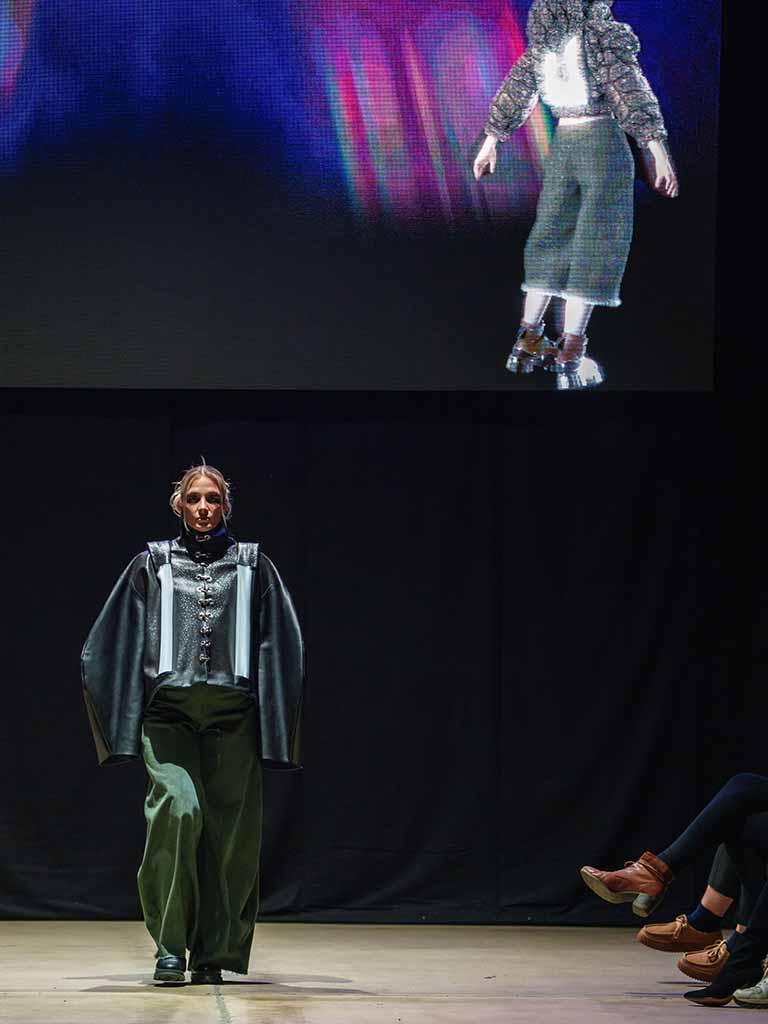
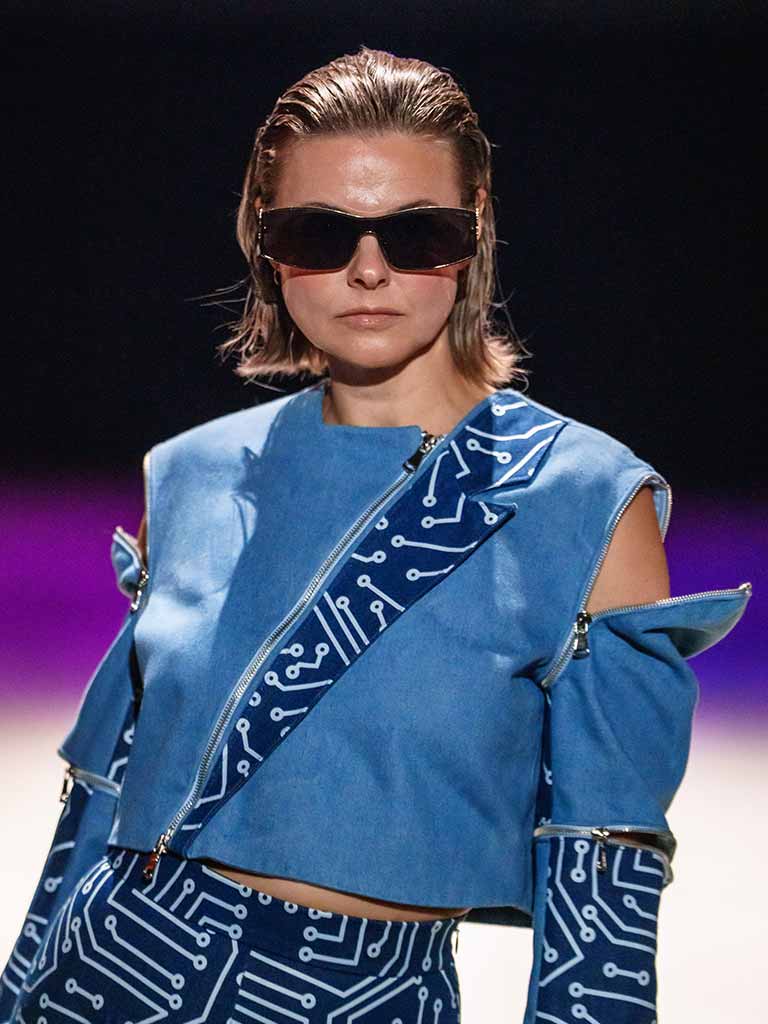
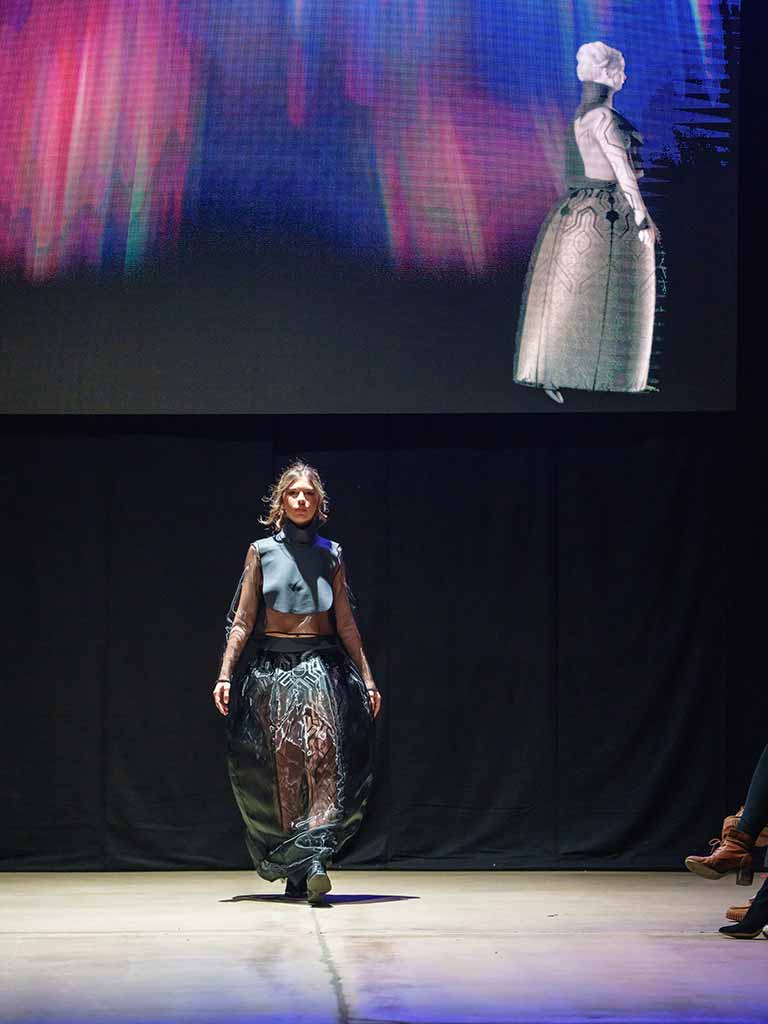
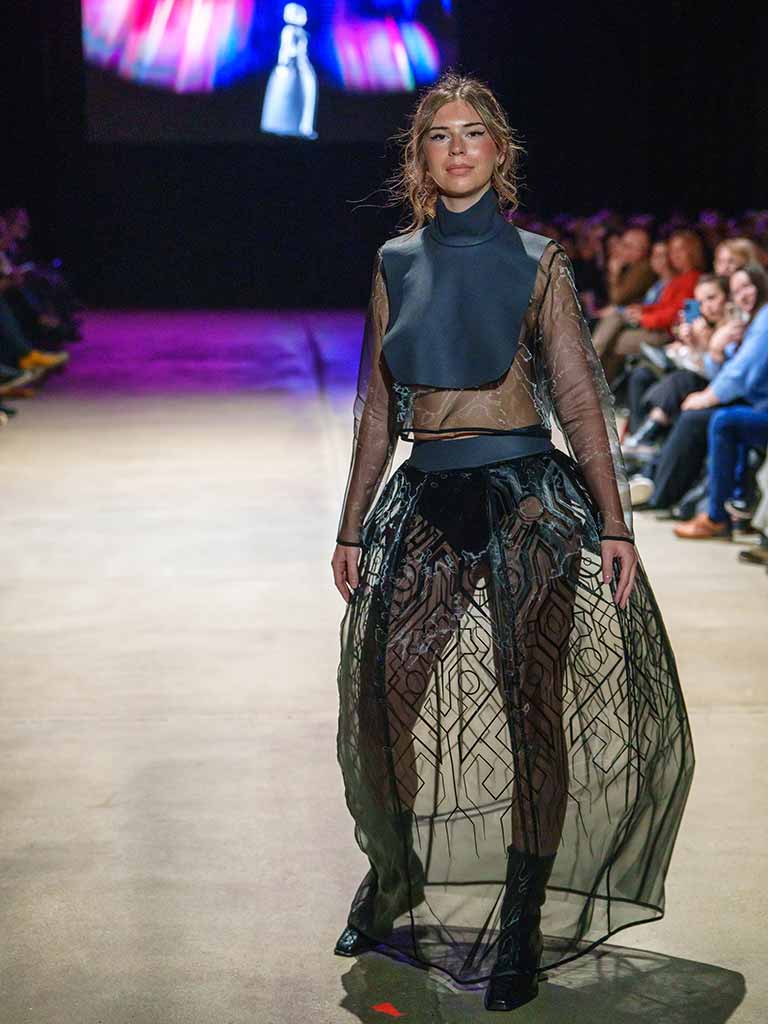
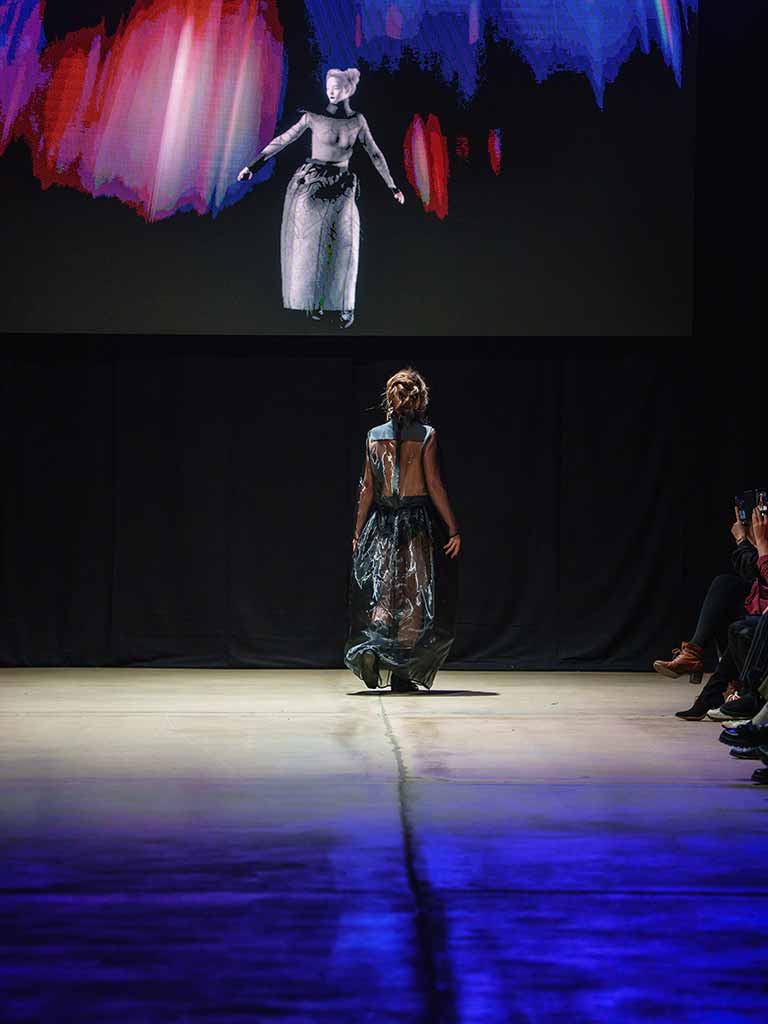
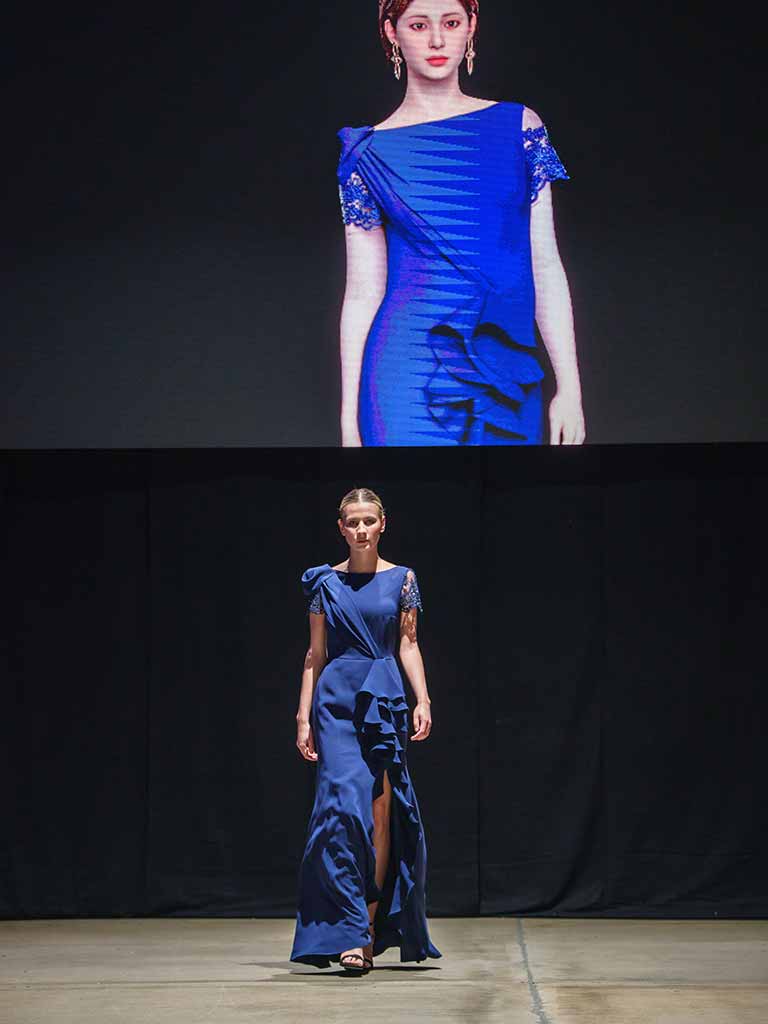
By combining 3D design, avatars, digital materials, and real fabrics, new design approaches emerged. Digital silhouettes enhanced the real look, virtual layers complemented materials and forms, and phygital fashion became real on the runway.
The show was the culmination of long nights, tests, and creative decisions. For many, it was their first presentation before an international jury, a large audience, and the media. A moment that demonstrated how professional and forward-thinking this new generation is.
The emotional highlight
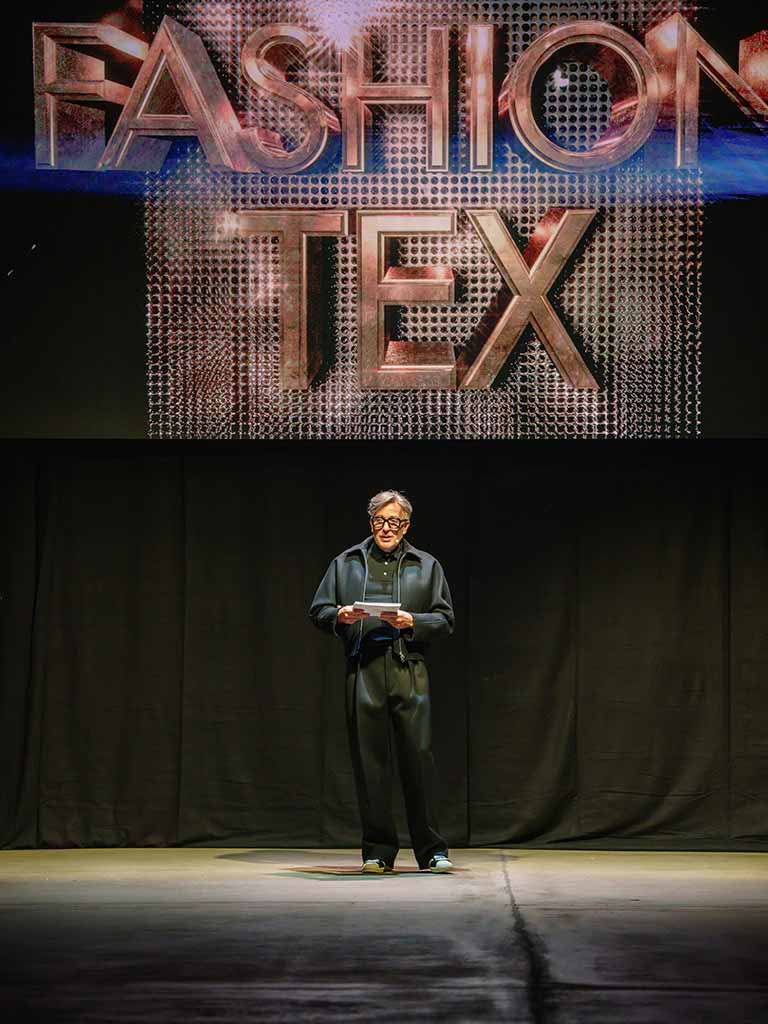
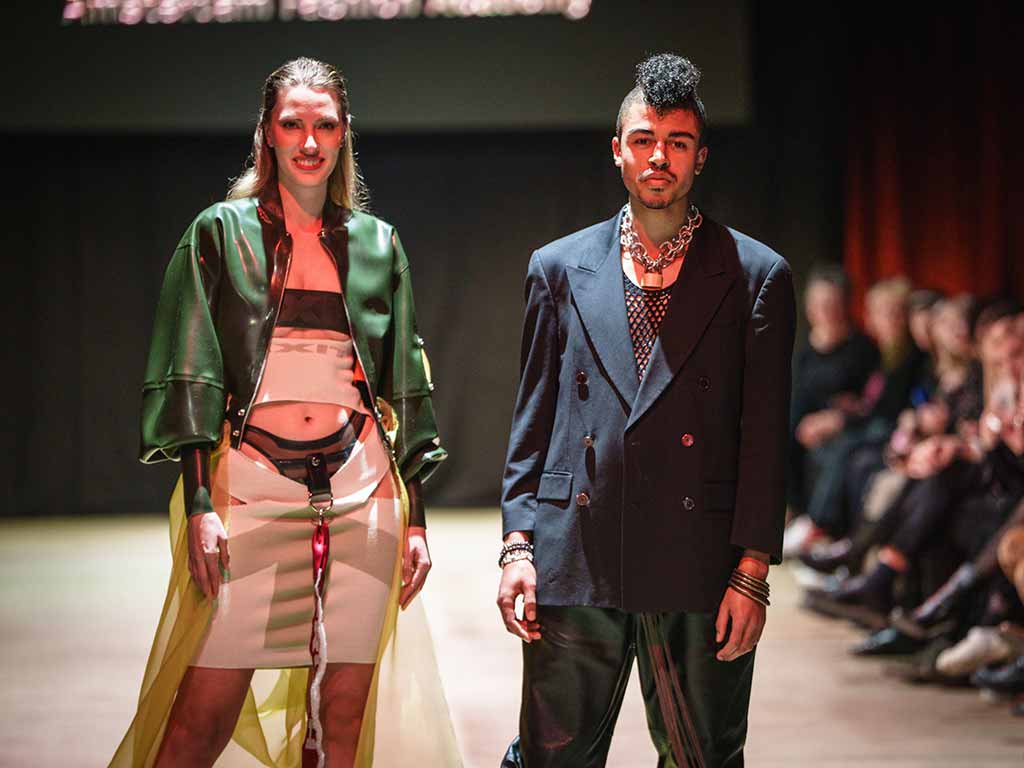
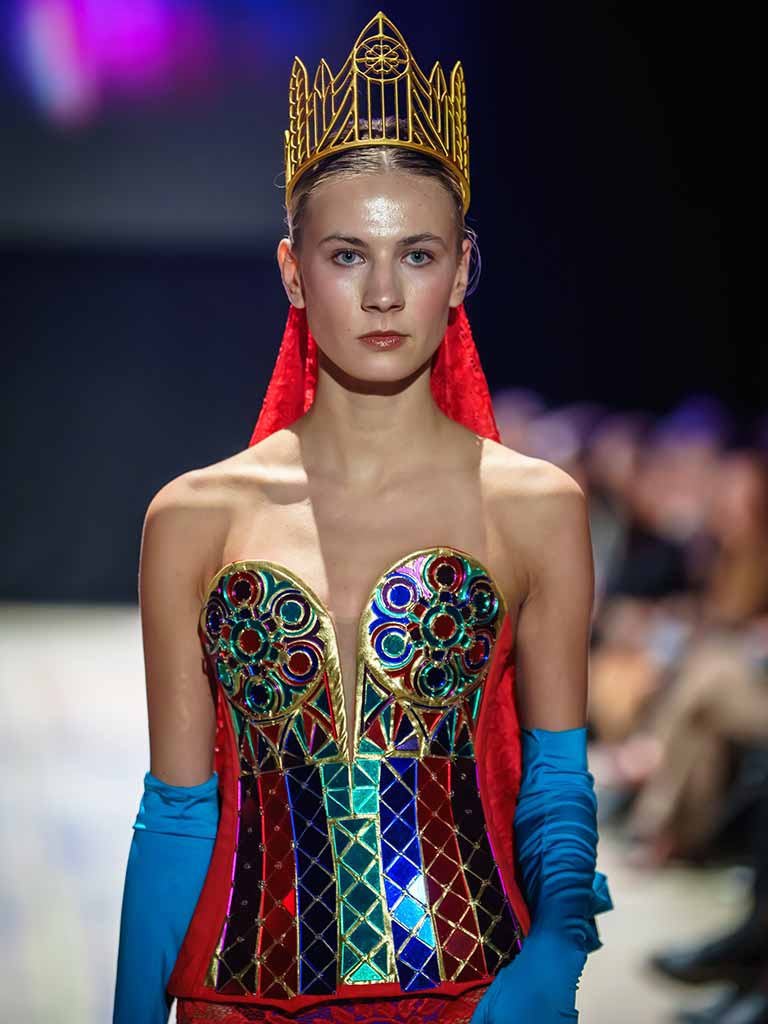
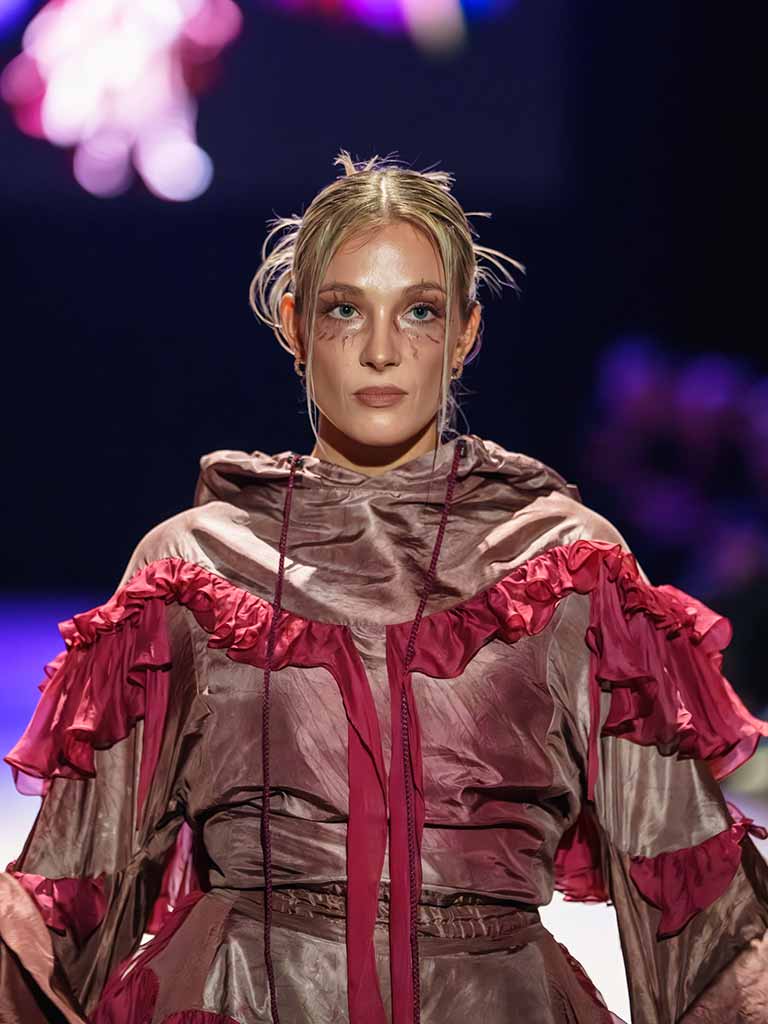
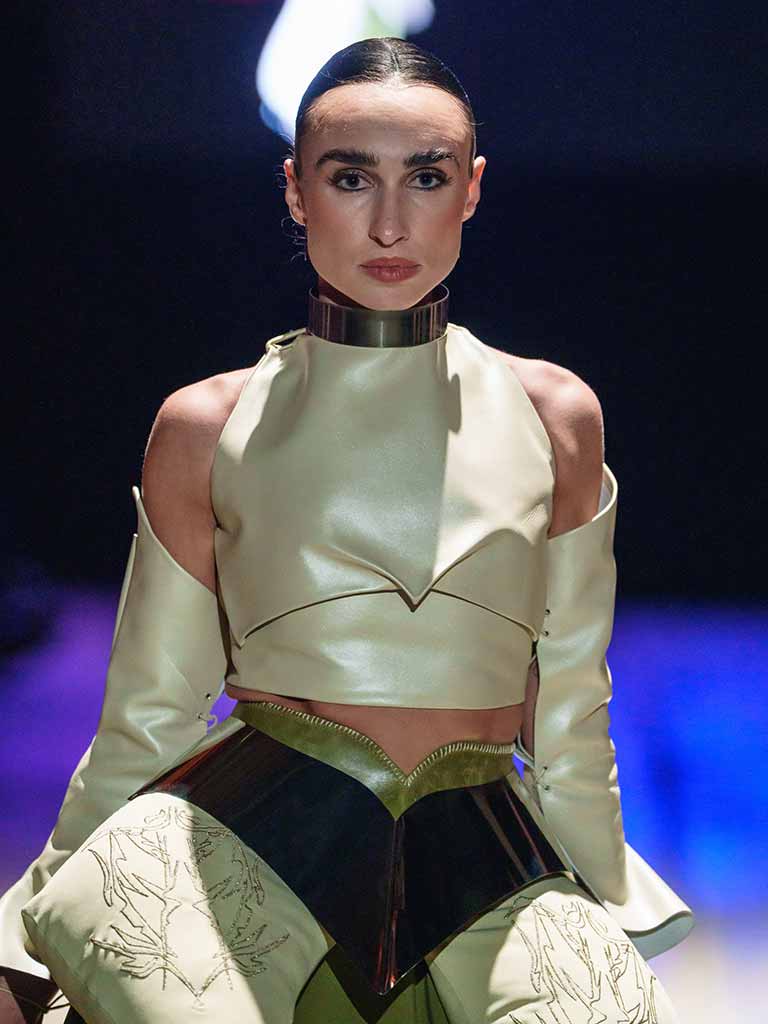
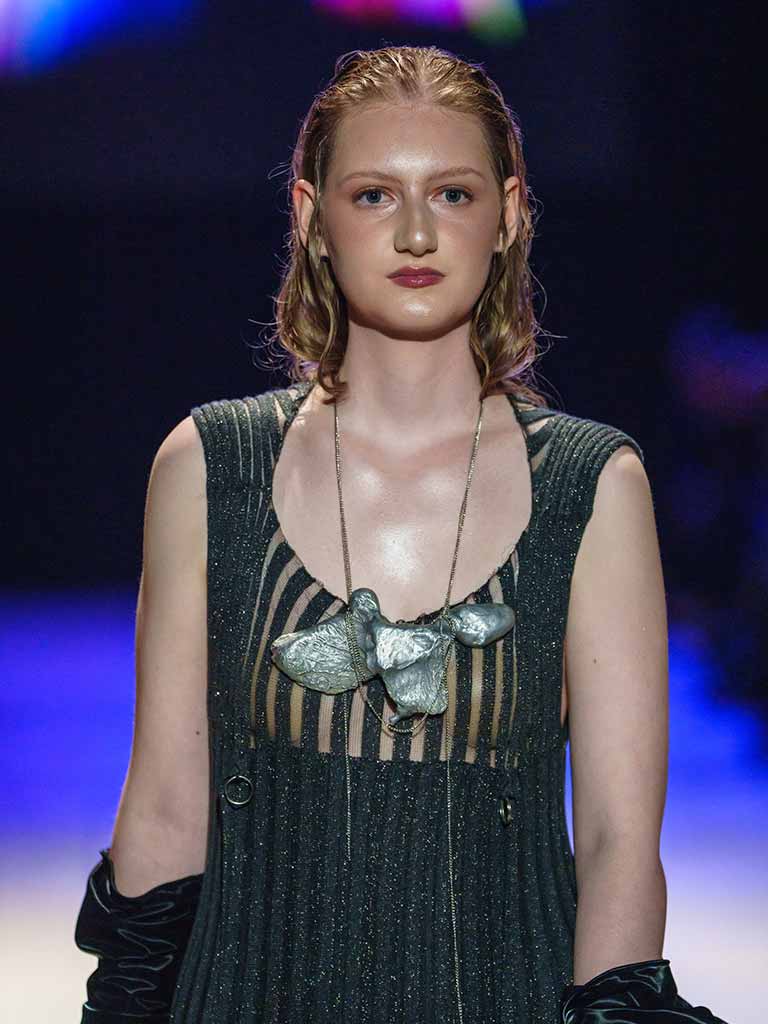
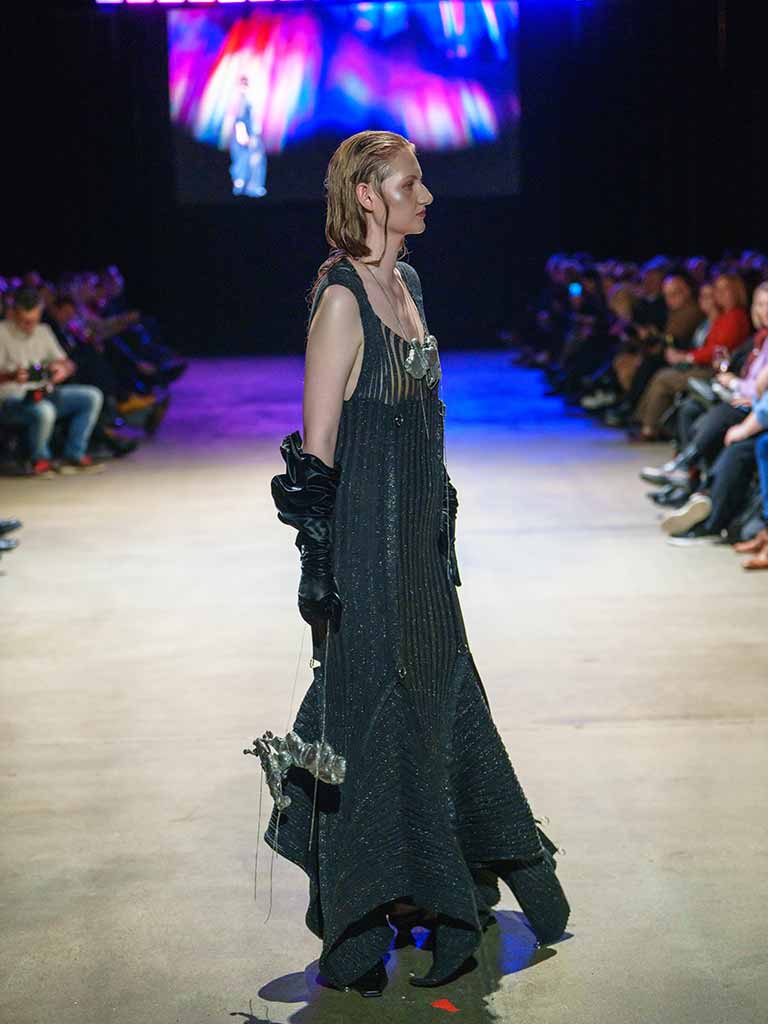
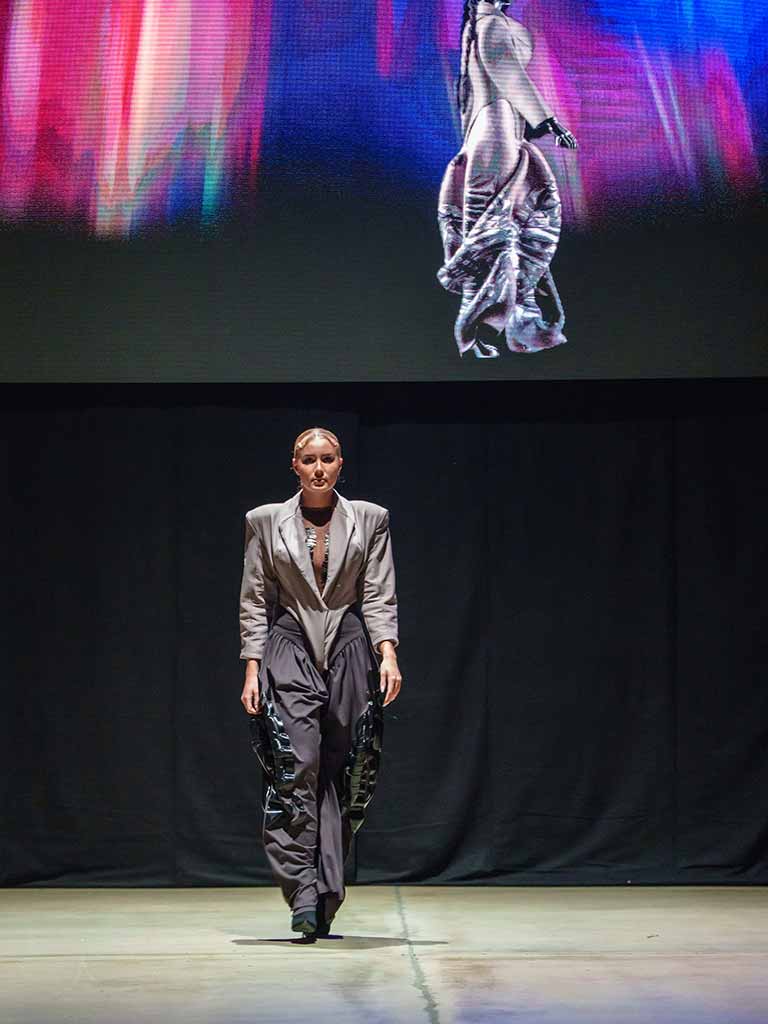
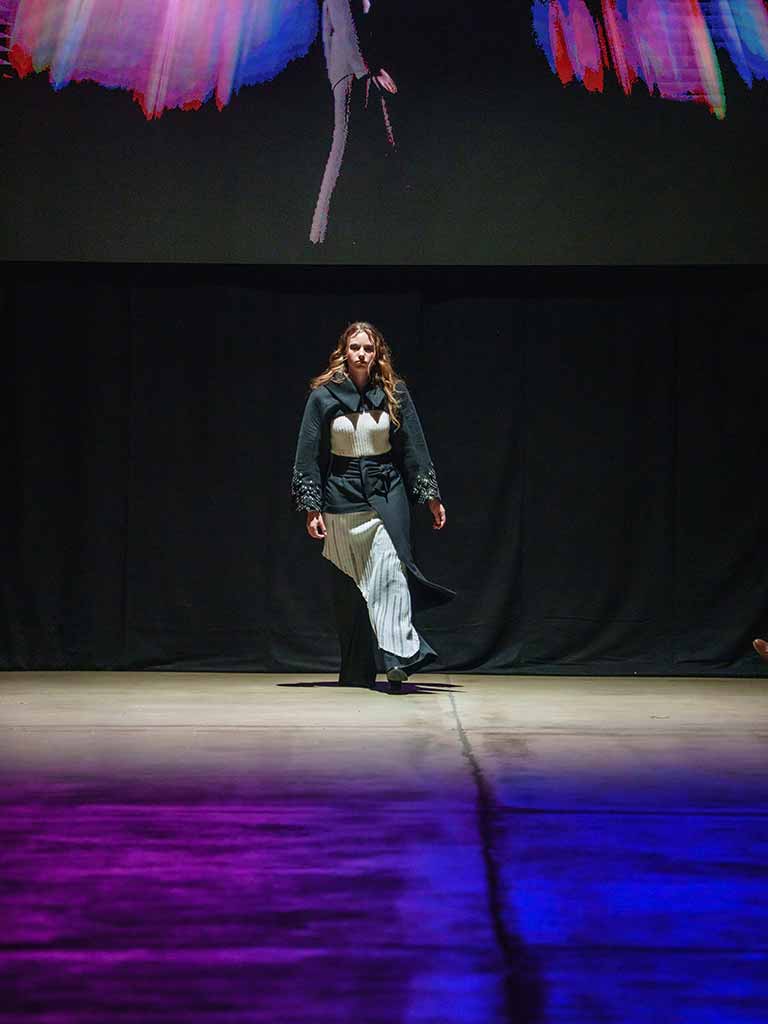
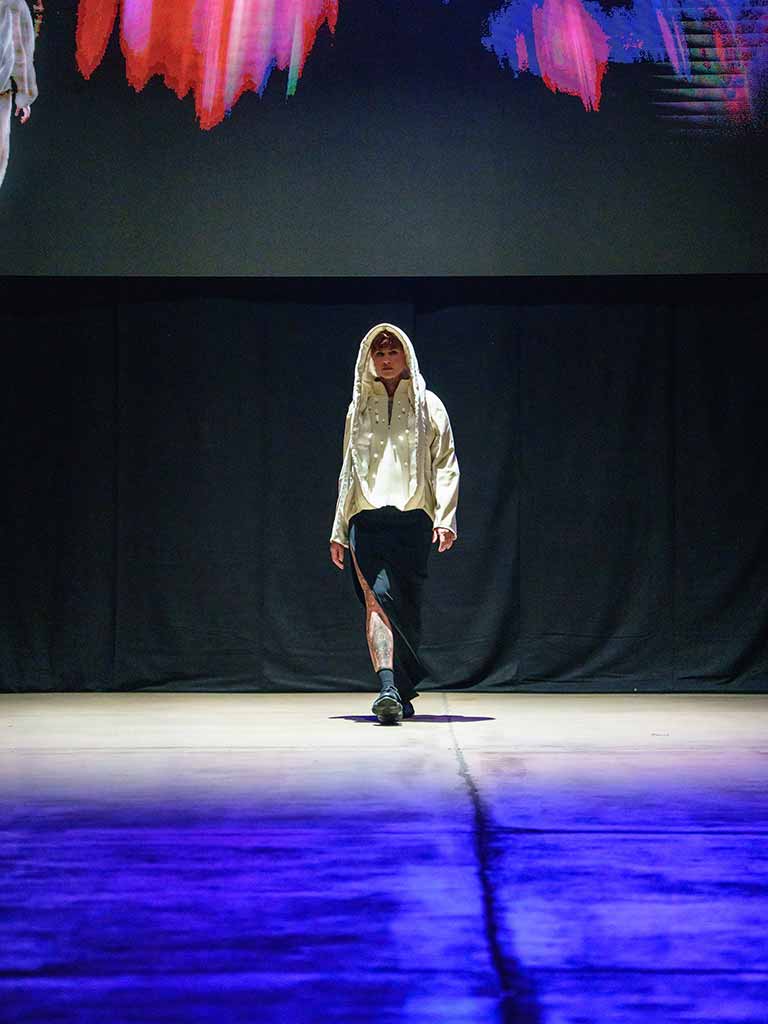
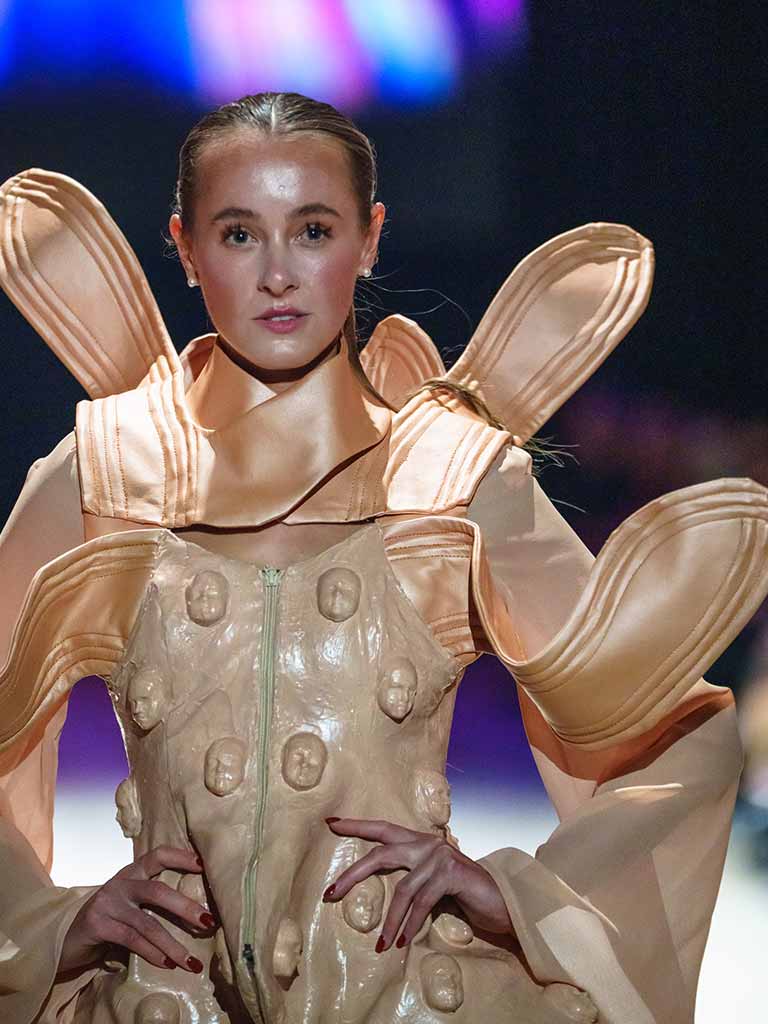
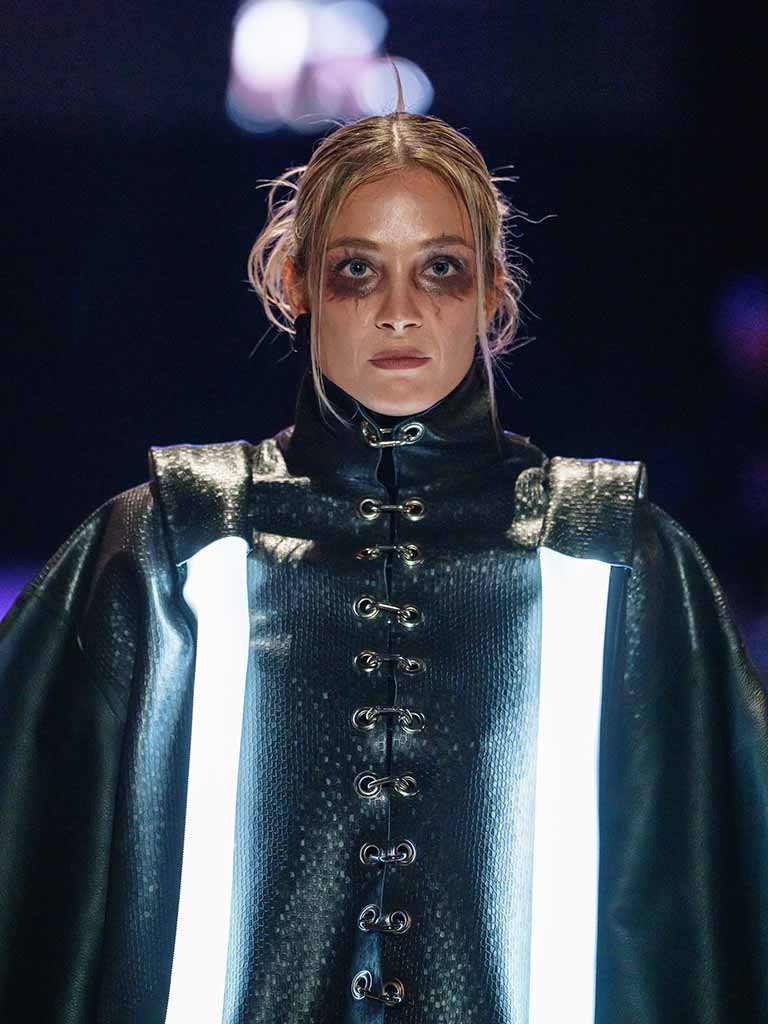
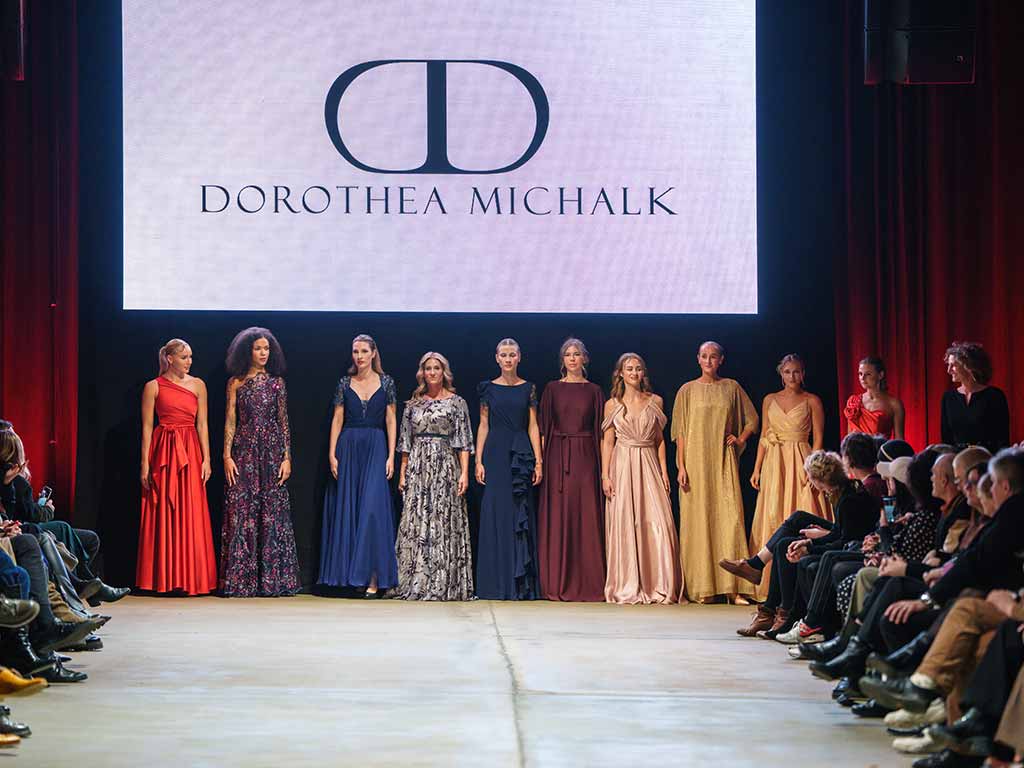
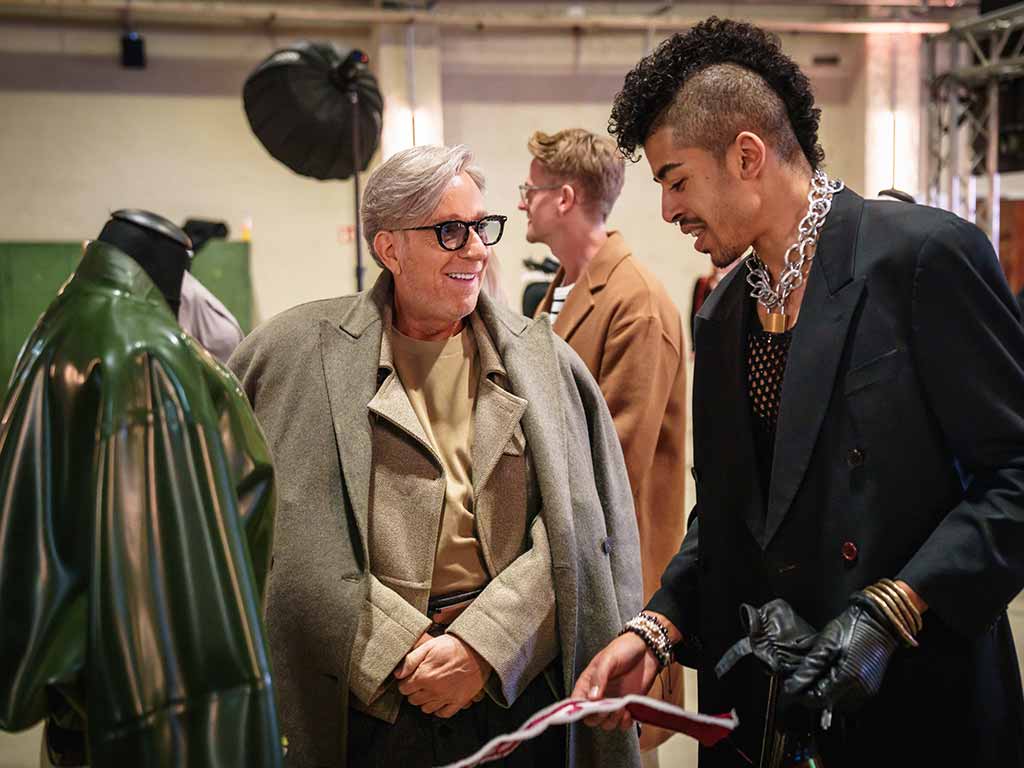
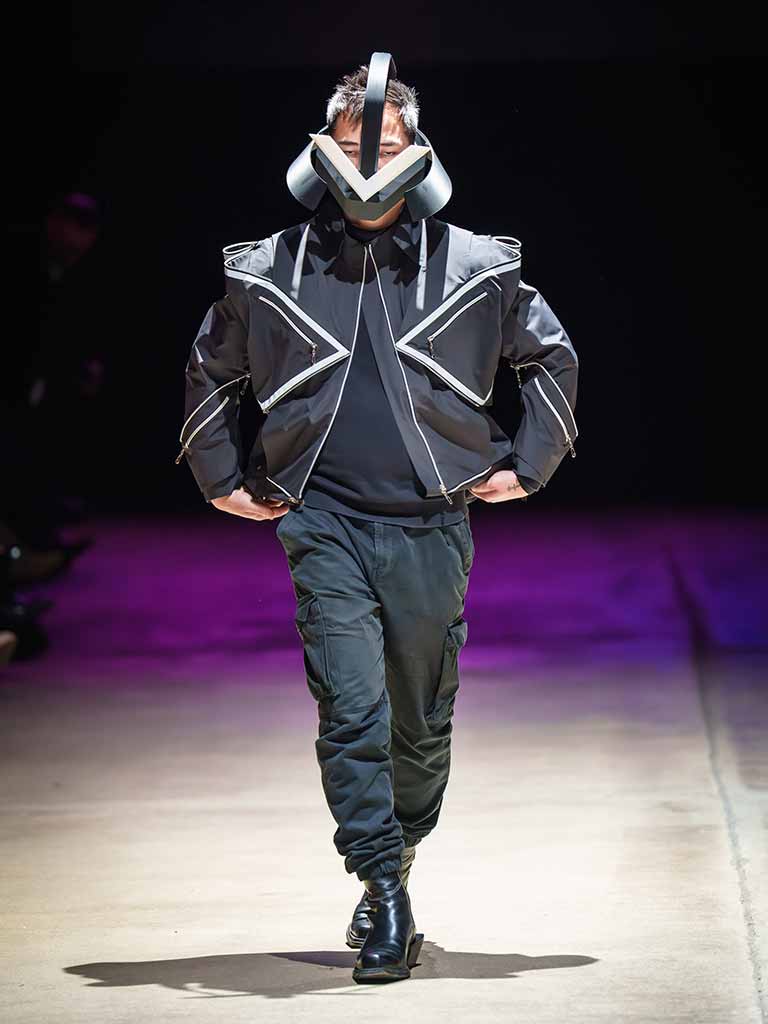
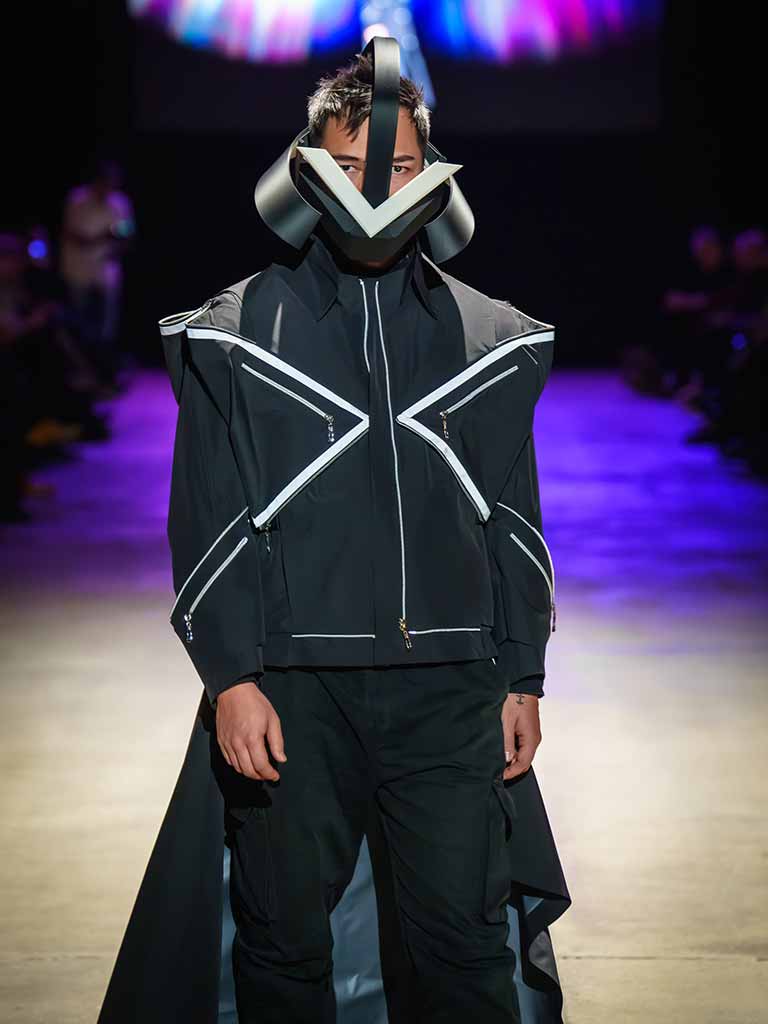
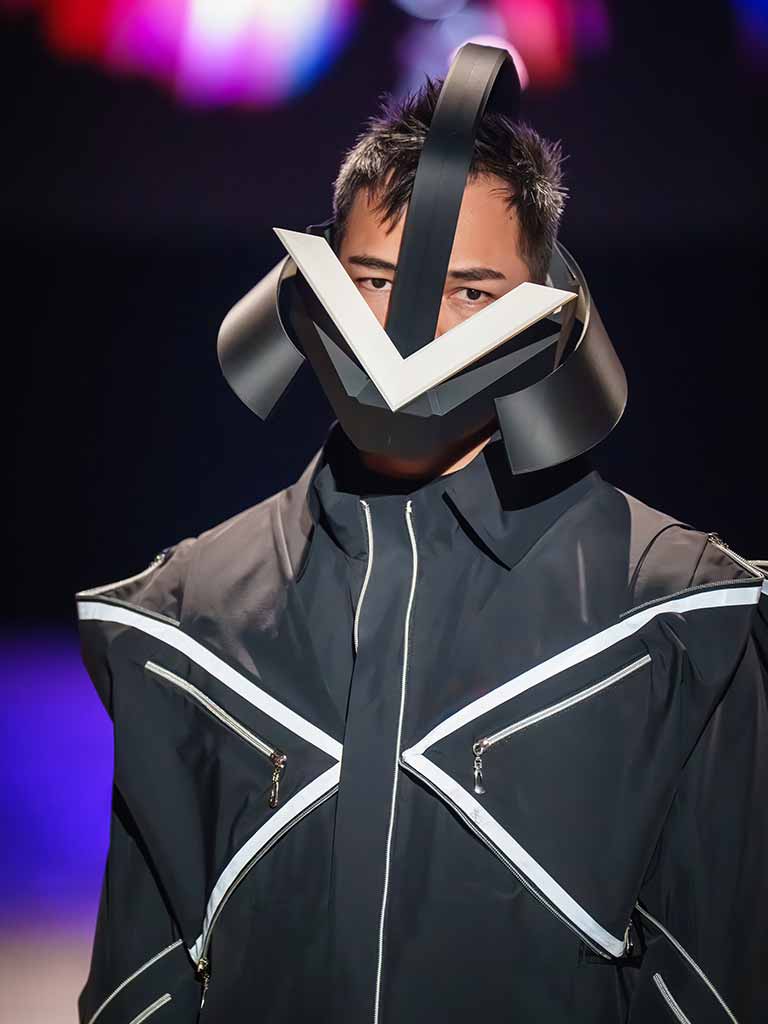
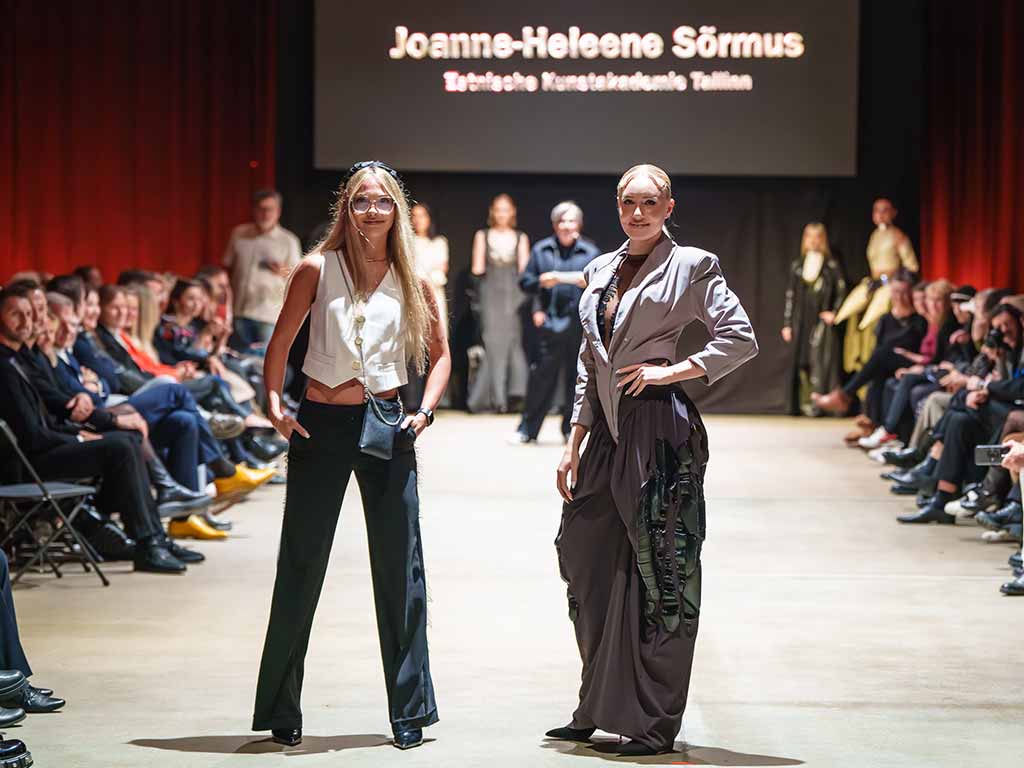
The grand FashionTEX show, hosted by star designer Thomas Rath, formed the emotional highlight of the festival. Twenty-four international students presented their collections boldly, experimentally, and with an uncompromising vision for the future. The physical appearance was augmented by digital layers, projections, and virtual elements: Runway meets Metaverse.
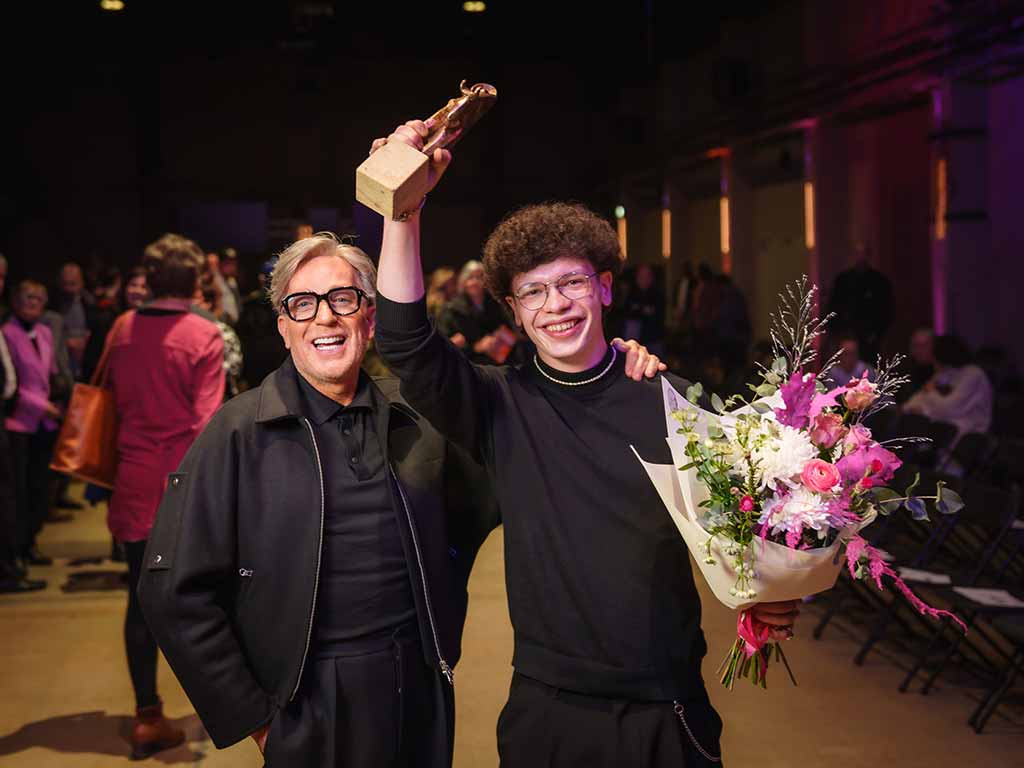
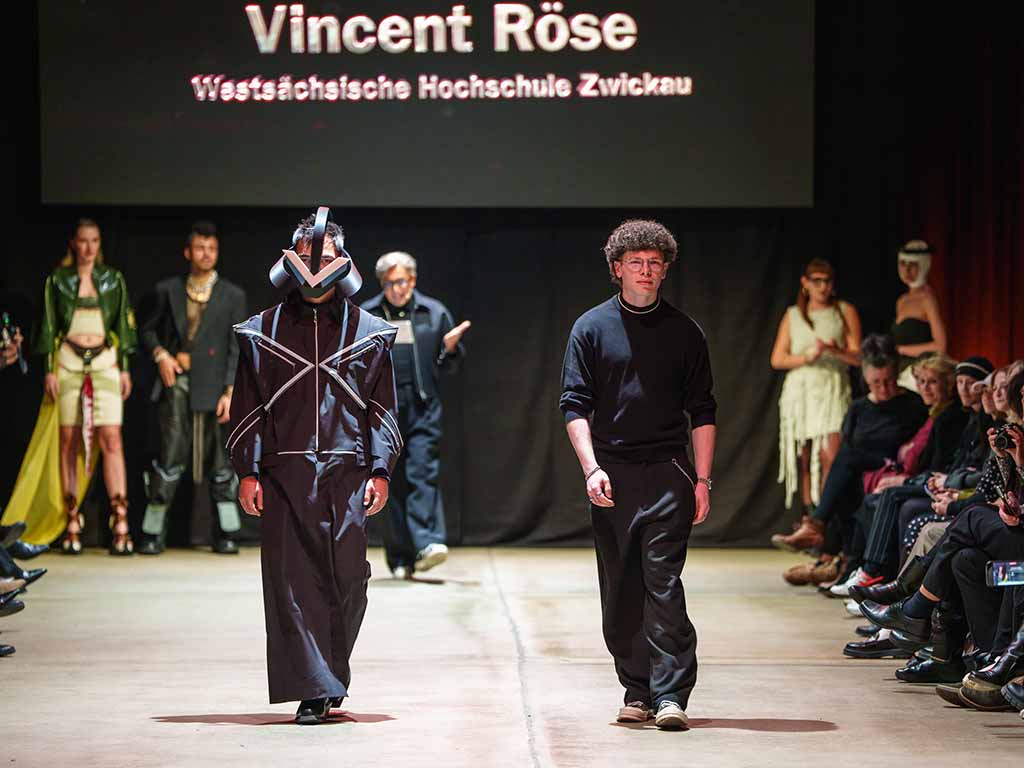
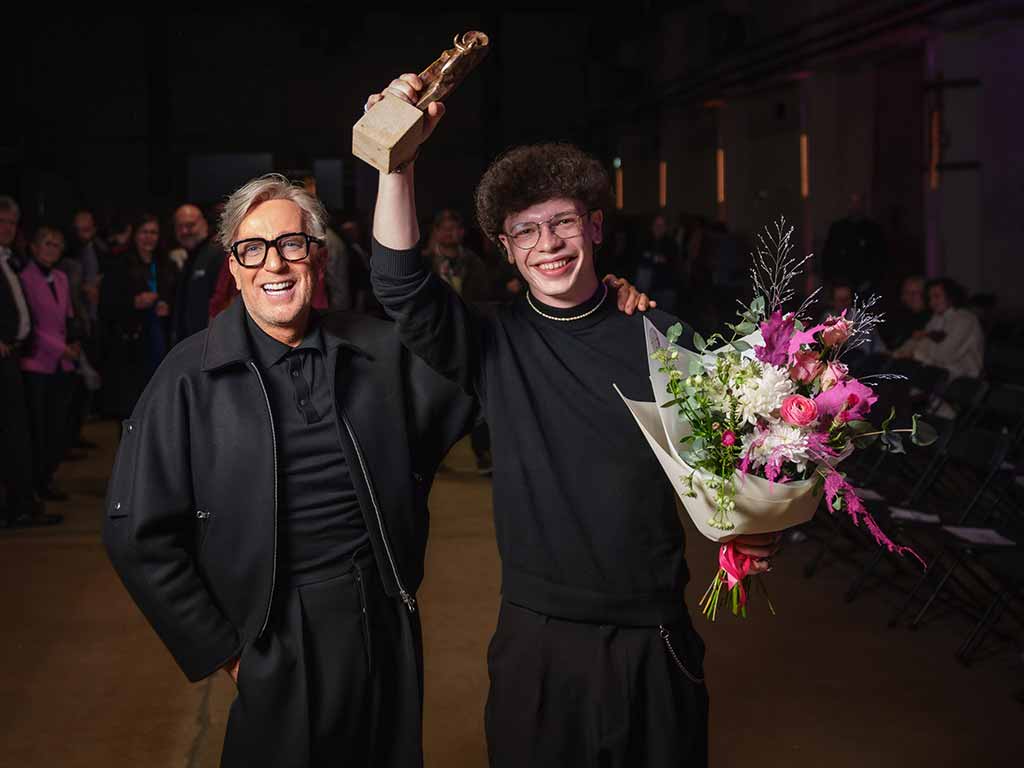
The European Advancement Award “Next Generation – Fashion 2025” went to Vincent Röse from the West Saxon University of Applied Sciences Zwickau – Schneeberg Faculty of Applied Arts. With “GORE LUX,” he made a powerful statement for fashion that seamlessly combines technology, function, and aesthetics.
Innovation You Can Touch
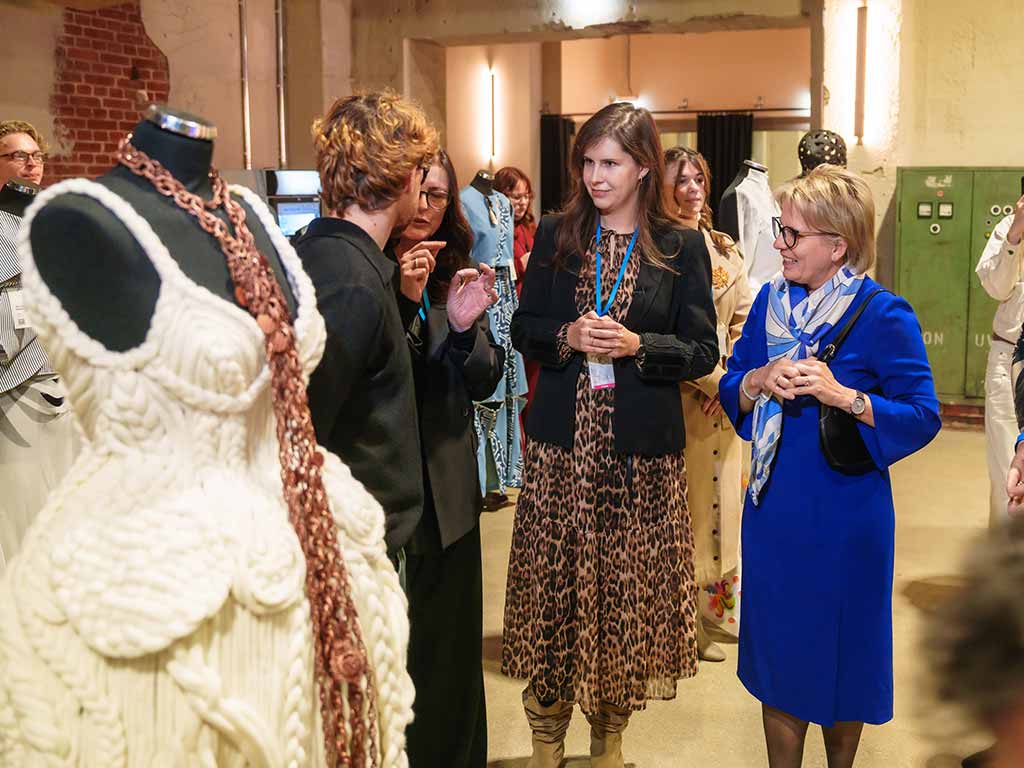
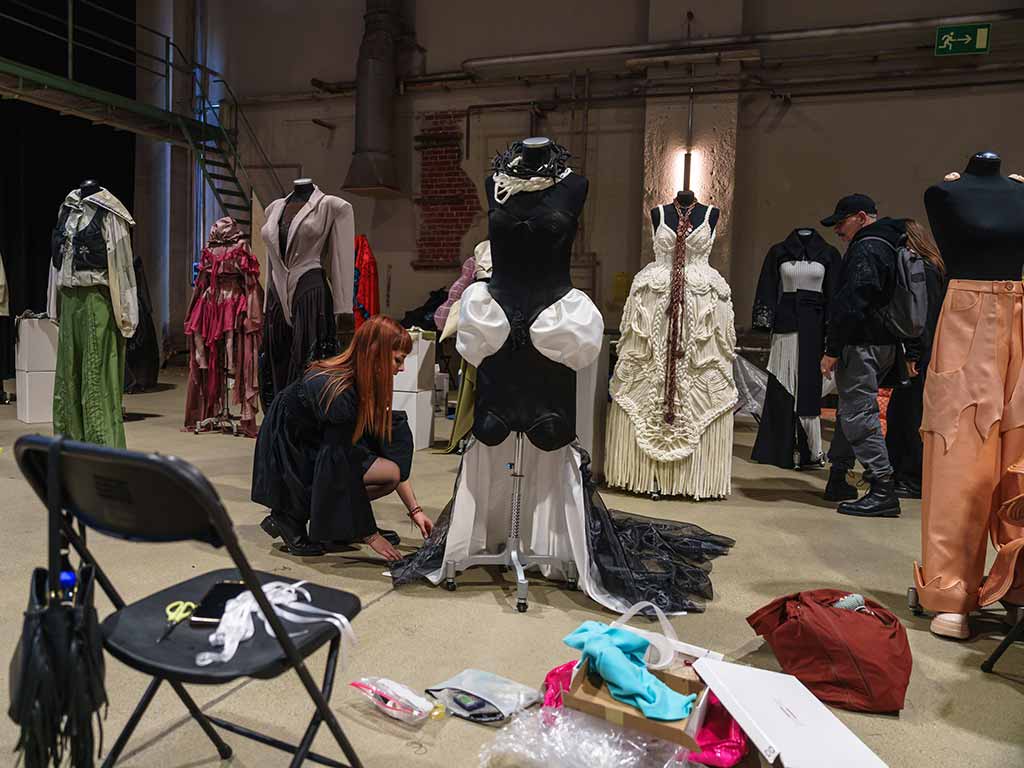
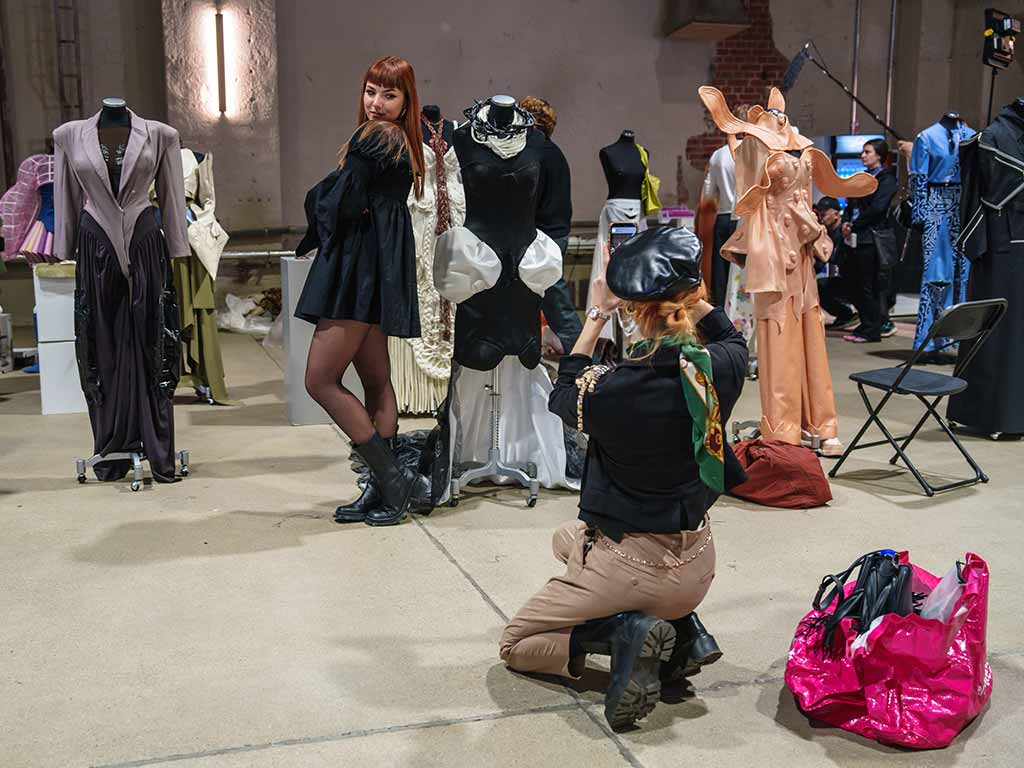
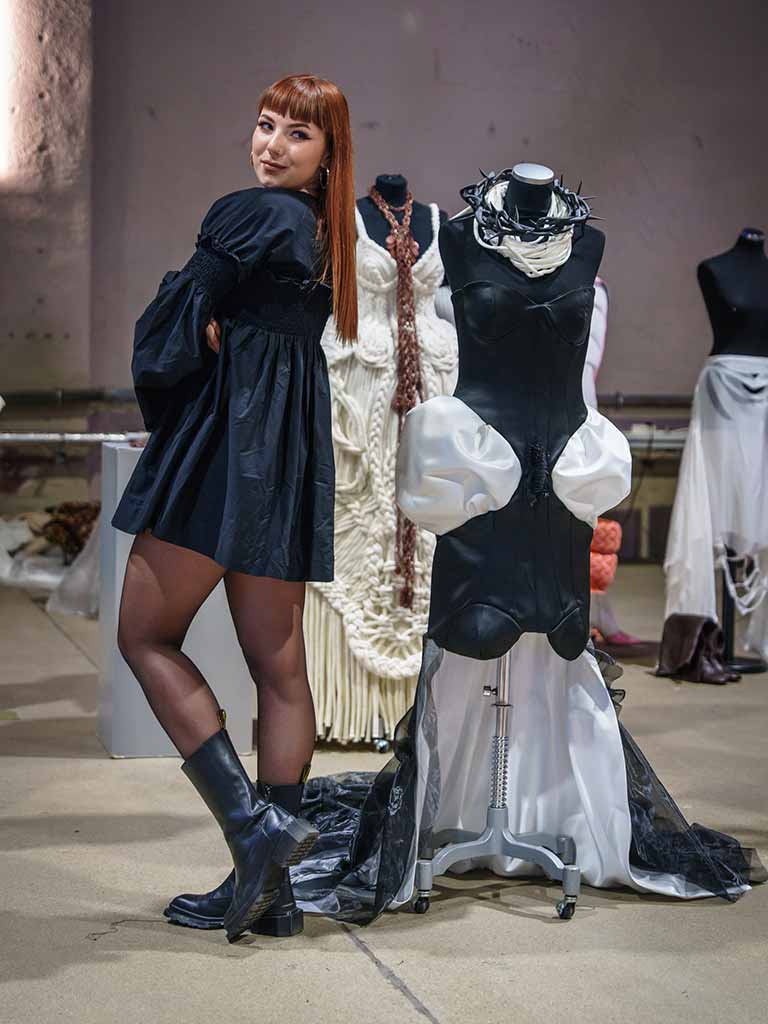
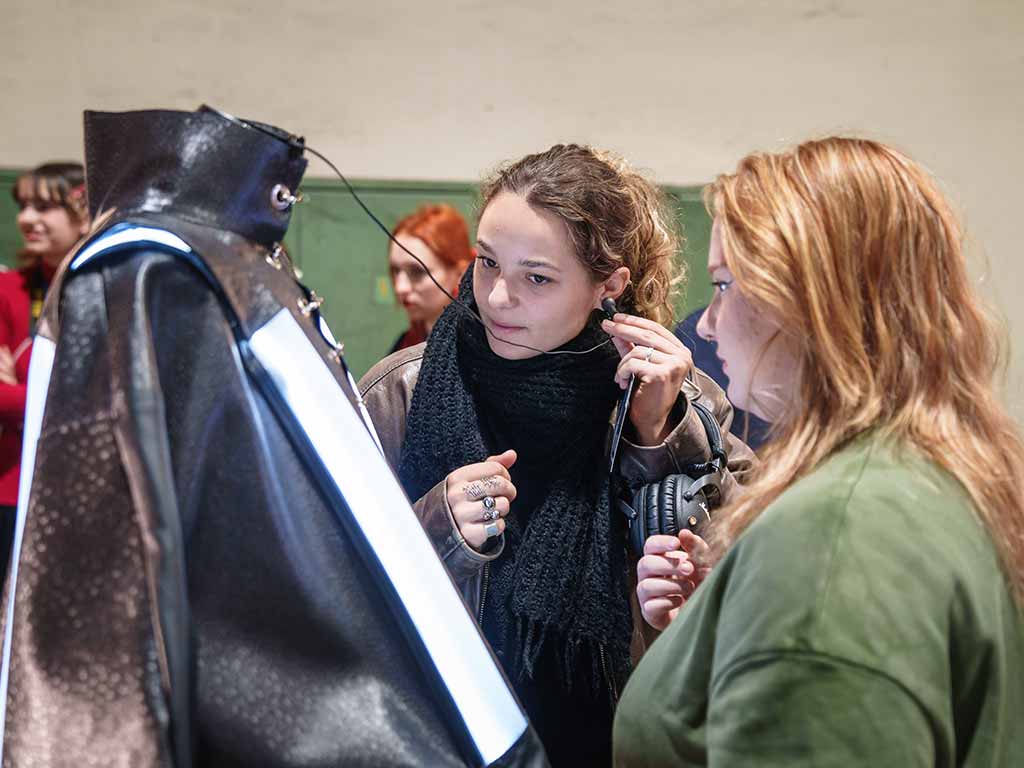
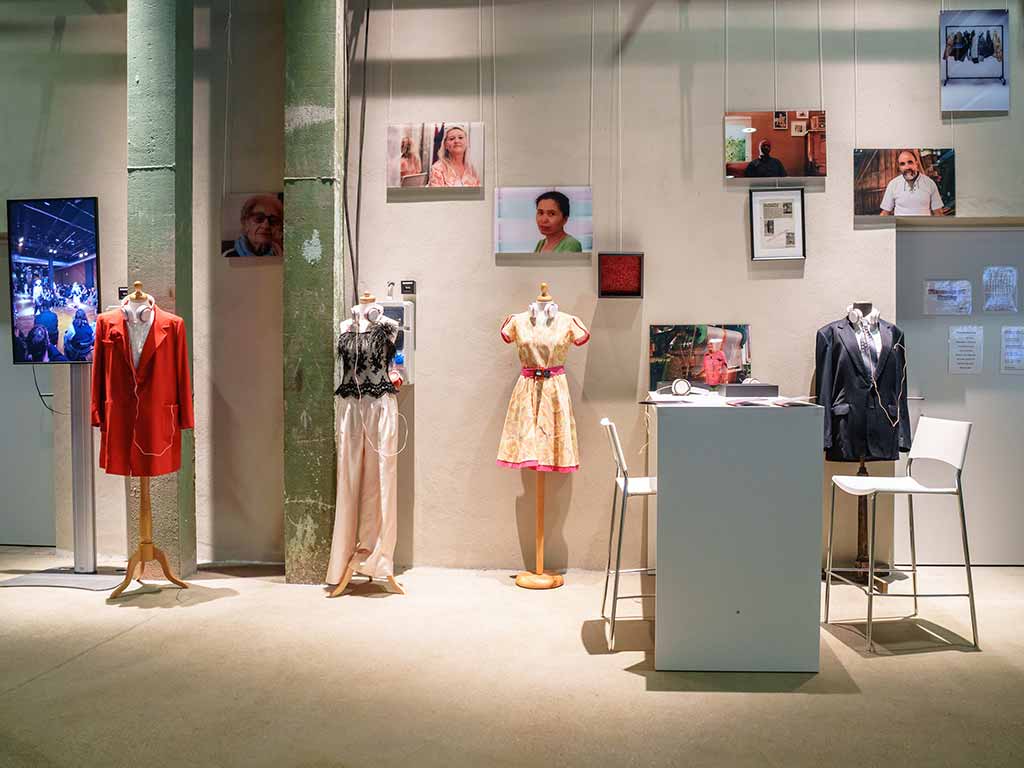
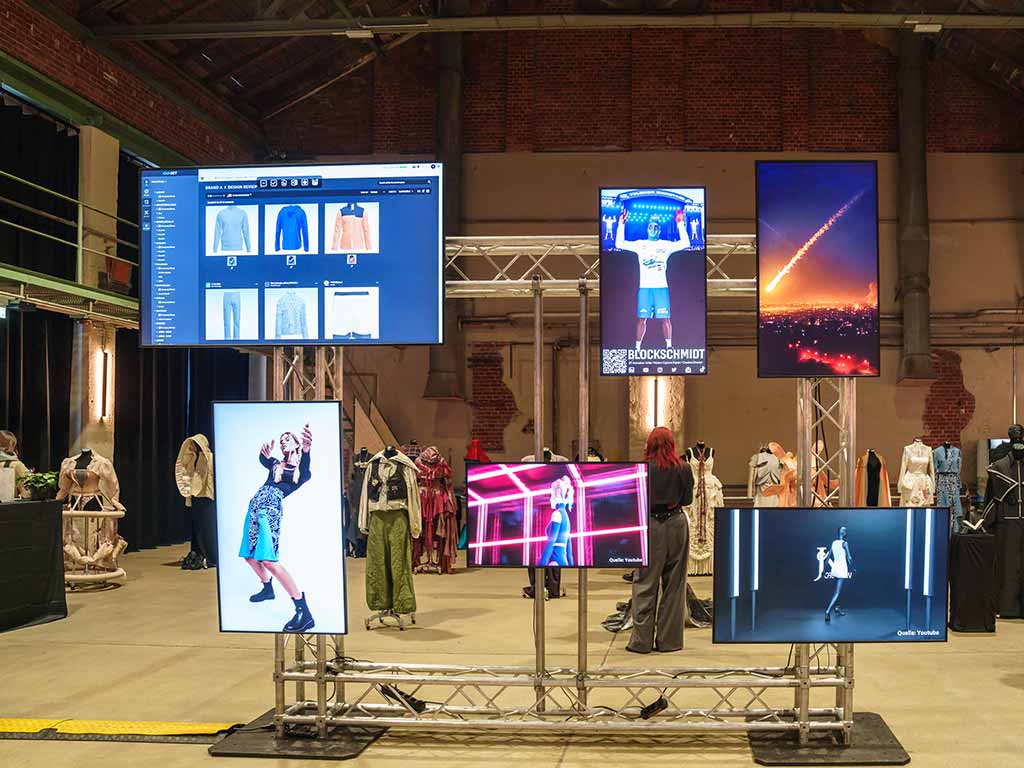
The accompanying innovation exhibition made the transformation visible. Interactive avatars, smart textiles, AI-supported design processes, and virtual runways demonstrated how the industry is already operating today. Partners from industry, startups, and research proved that the future of fashion is already a reality.
A Strong Signal from Chemnitz
FashionTEX impressively demonstrated how tradition and change can come together. As a European Capital of Culture and a historical center of the textile industry, Chemnitz is repositioning itself as a laboratory for digital fashion, sustainable innovation, and cultural change.
Relive the highlights of the FashionTEX Festival, from phygital runway moments and digital avatars to a very special fashion show.
Watch the festival video here:
Two days, two stages – a resounding success for the future of fashion.
The FashionTEX Festival 2025 captivated audiences with visionary keynotes, top-tier panels, and a unique blend of tradition, technology, and creativity. Thousands of ideas, intensive networking, and groundbreaking innovations in AI, 3D, smart textiles, and sustainability transformed Chemnitz into the vibrant hub of the European fashion and textile industry. Inspiring shows, strong exhibitors, and the celebrated “Next Generation Fashion 2025” award crowned a festival that set new standards and had a lasting impact.
Participants
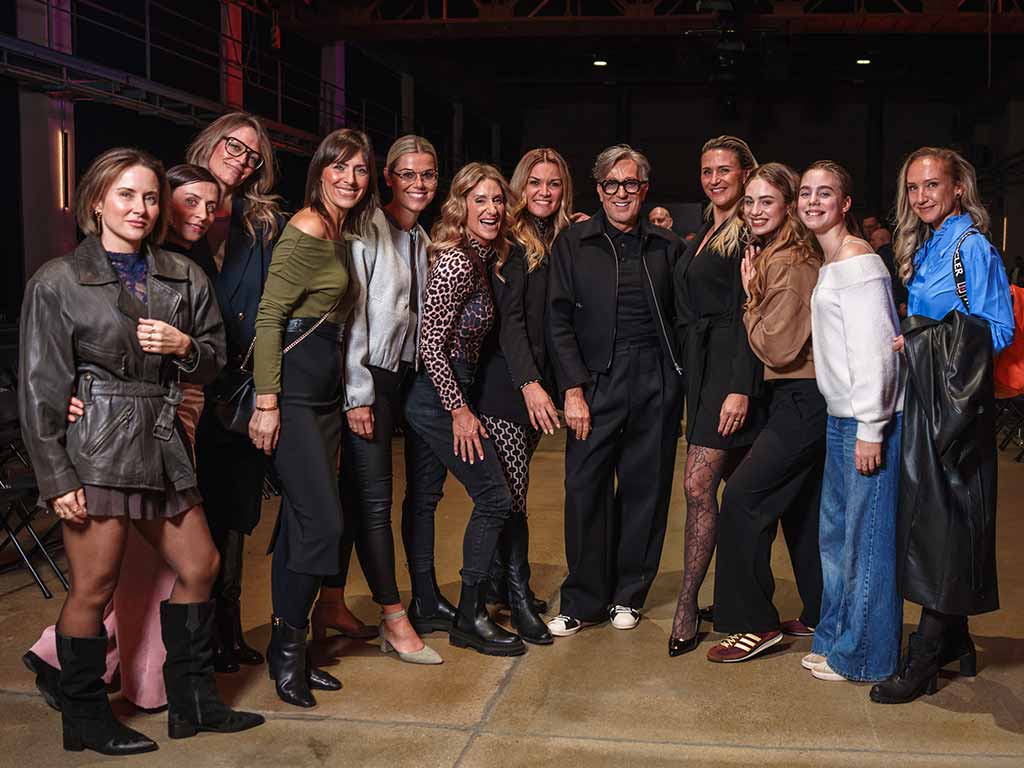
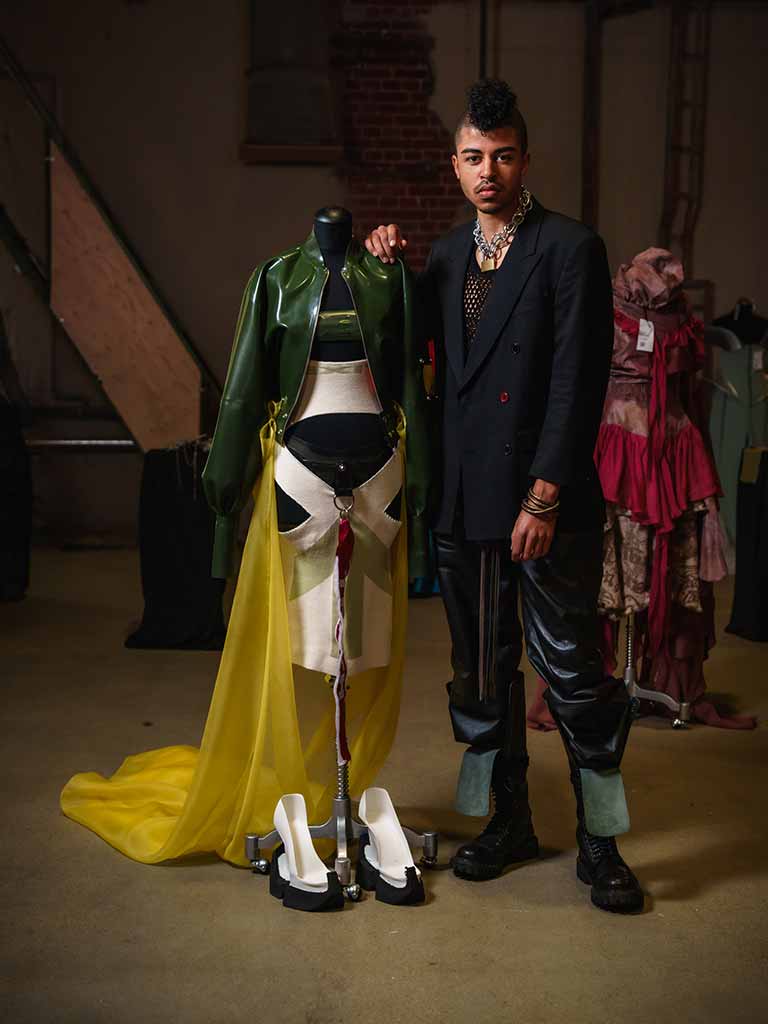
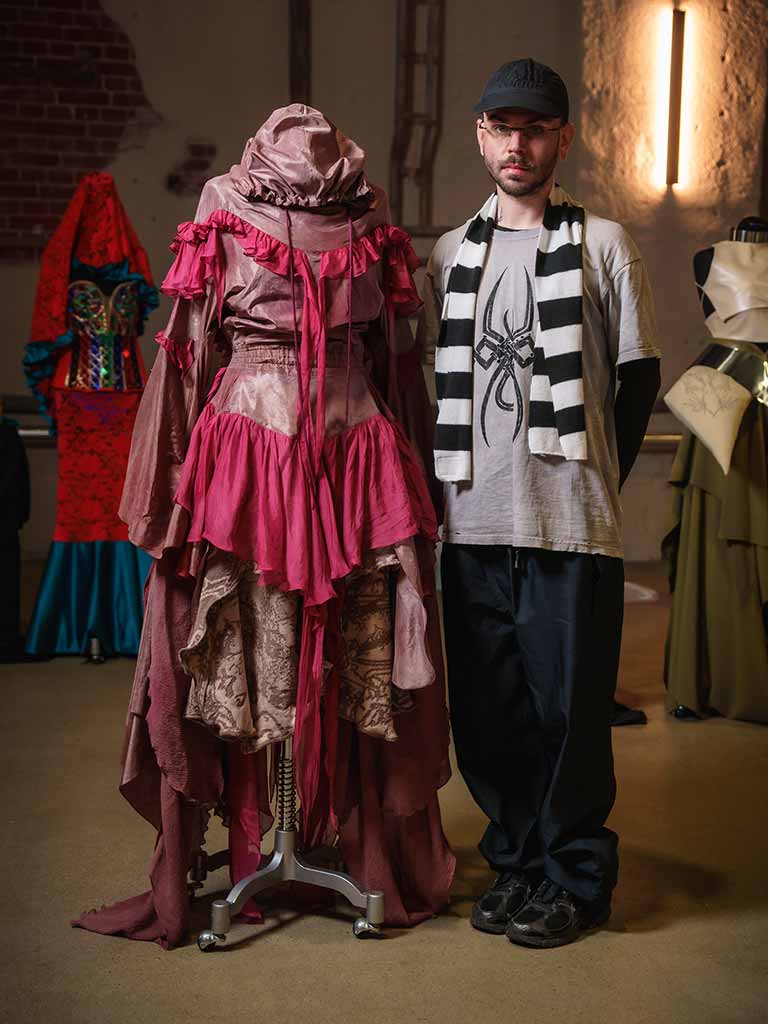
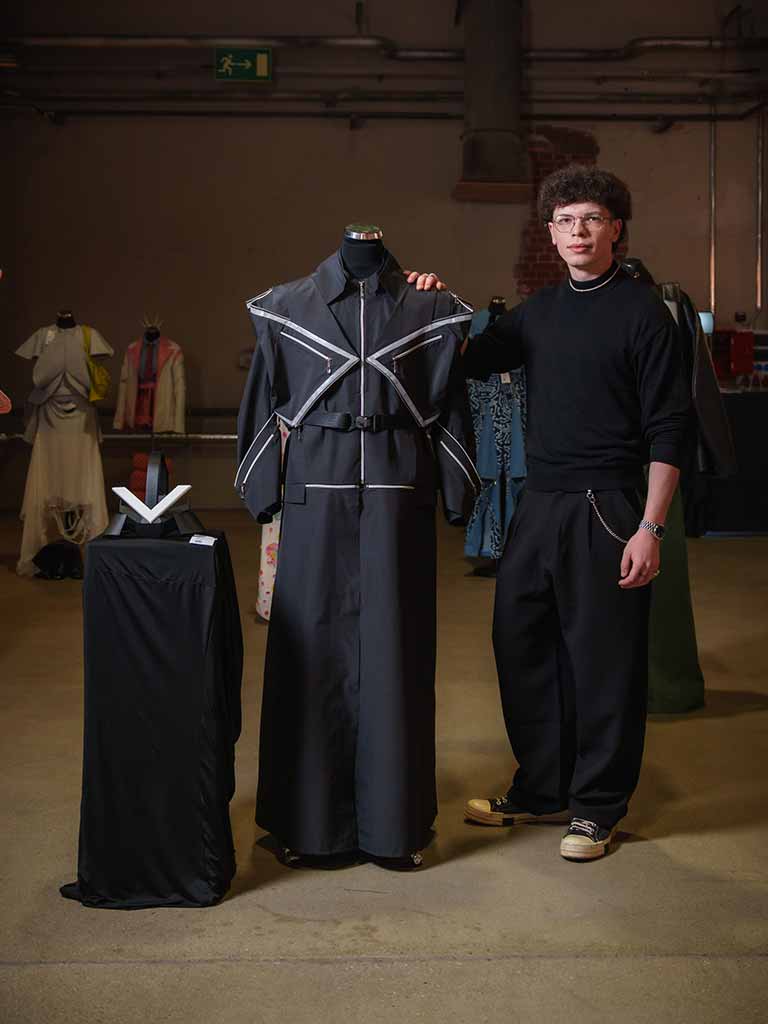
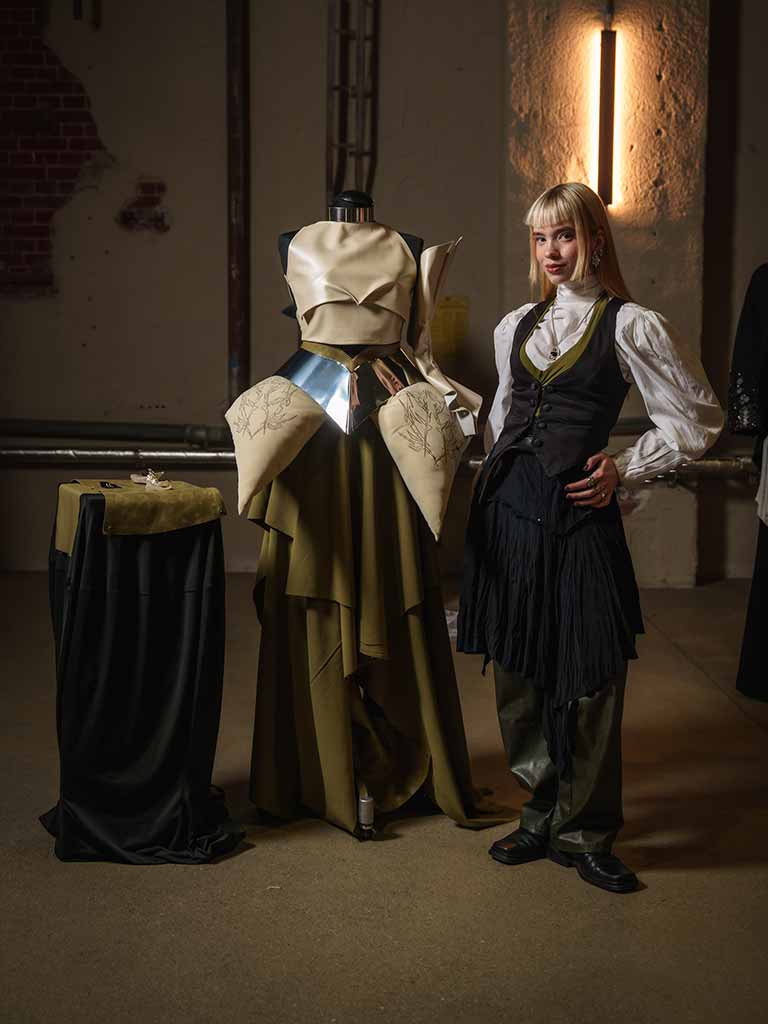
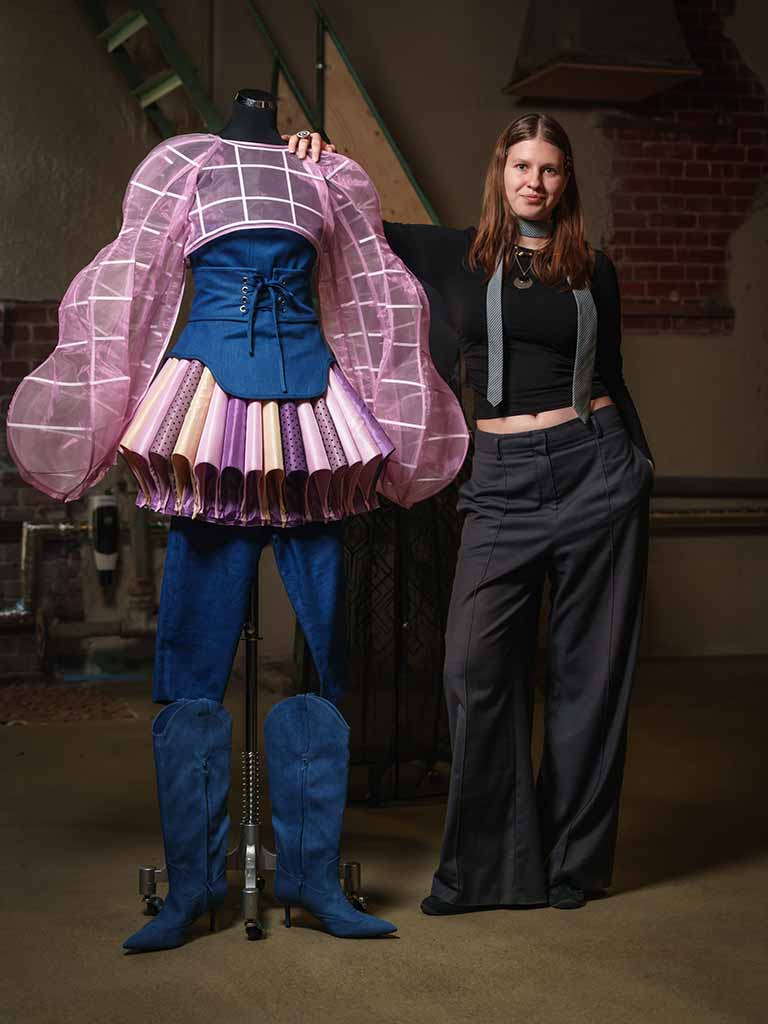
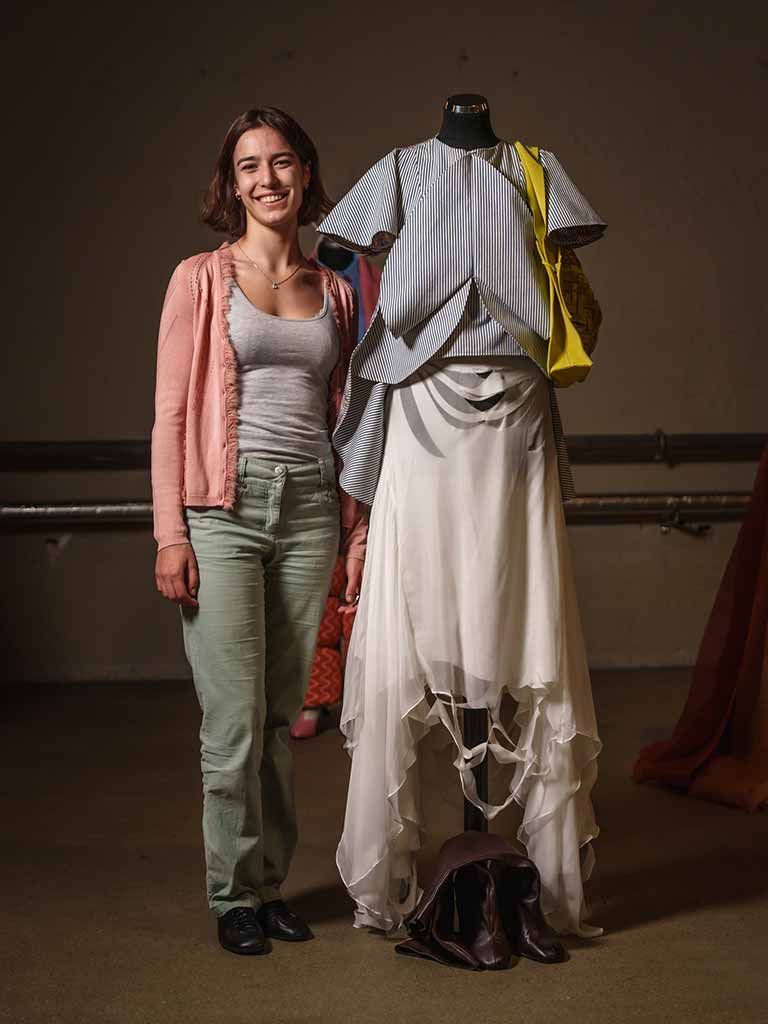
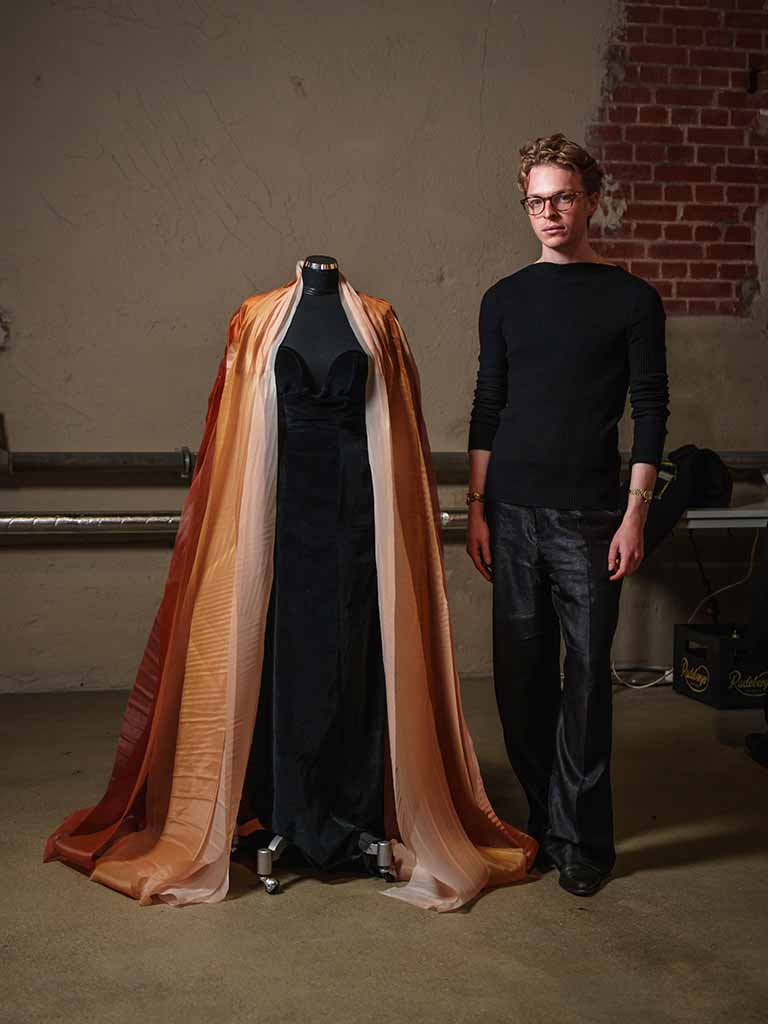
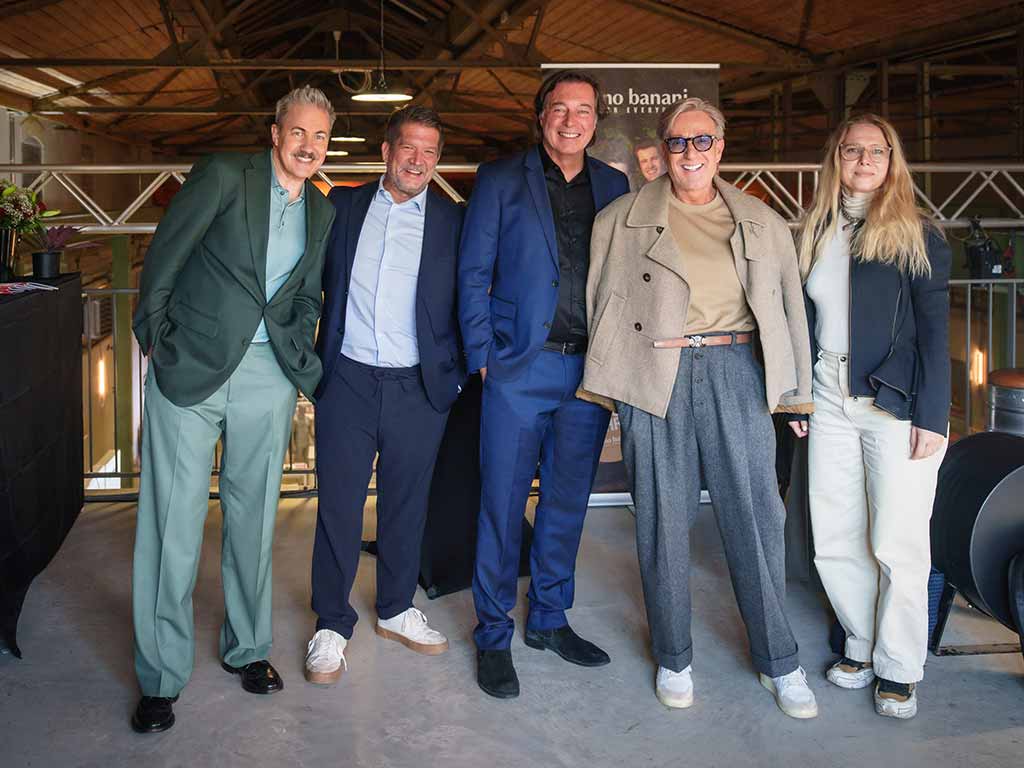
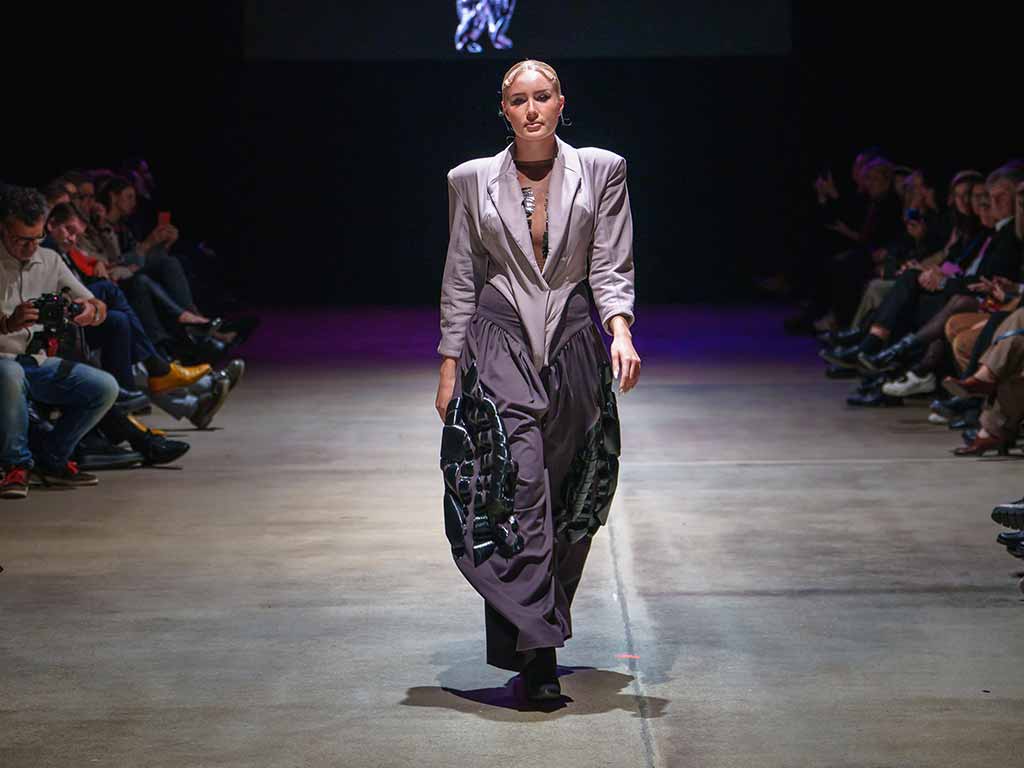
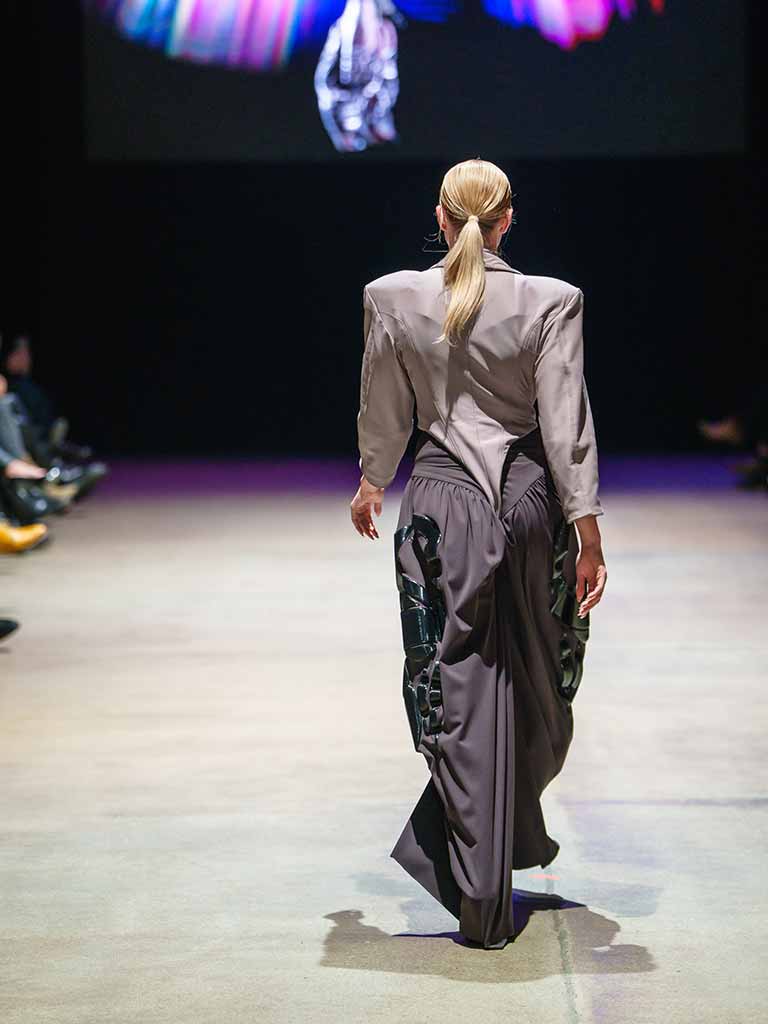
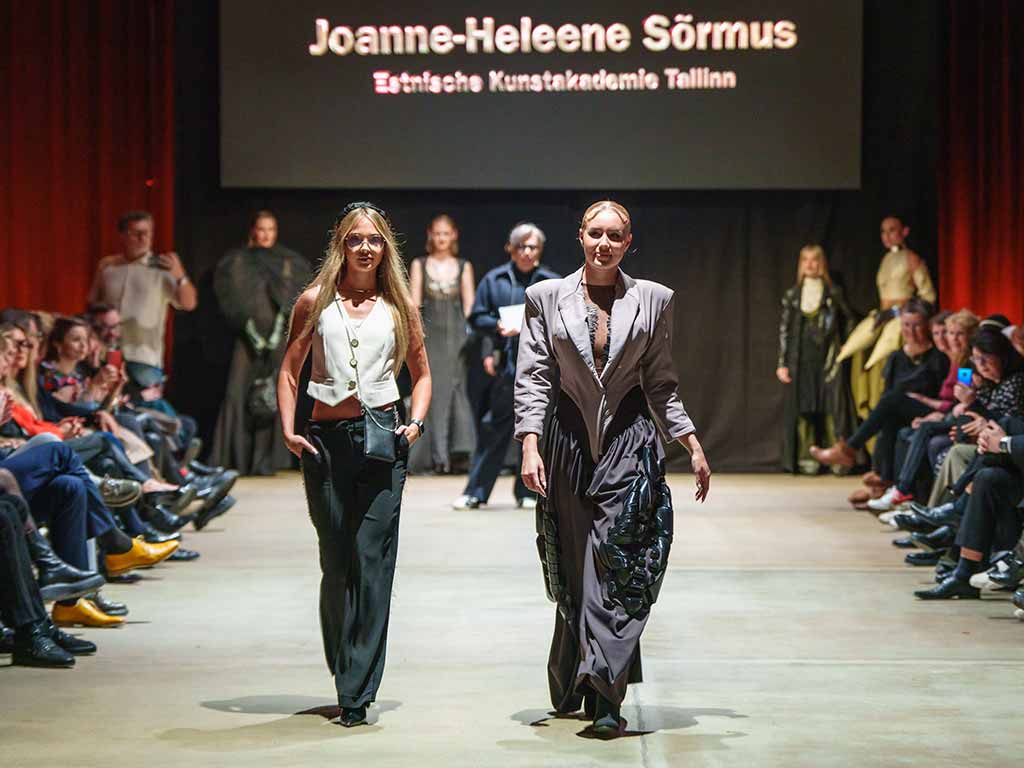
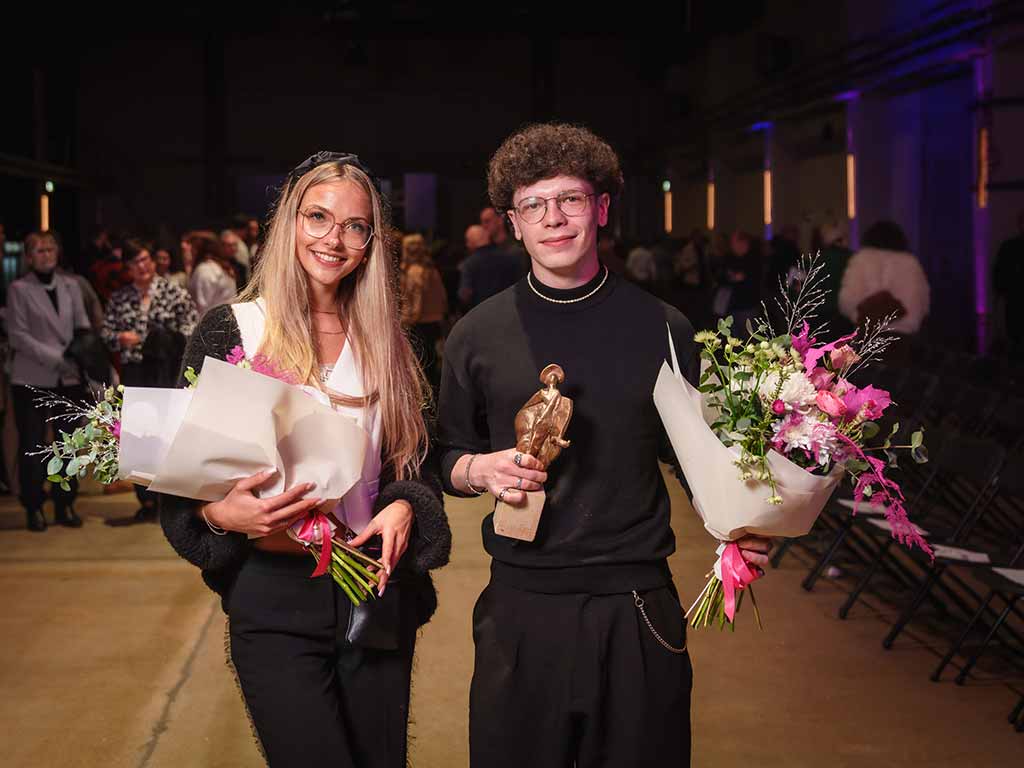
What a fantastic show! The two-day FashionTEX Festival has come to a close. Amidst significant media interest, more than 1,000 guests celebrated the promising next generation of fashion designers with star designer Thomas Rath at the fabrik Chemnitz. Among the 24 international students from eleven European fashion schools, the six-member jury selected Vincent Röse as the winner of the European Advancement Award “Next Generation – Fashion 2025.” The prize secures him an internship at the internationally operating fashion company Bruno Banani. The second prize went to Joanne-Heleene Sõrmus from the Estonian Academy of Arts in Tallinn. She receives a one-year license for the international 3D fashion software CLO.
Our finalists:






















Jury
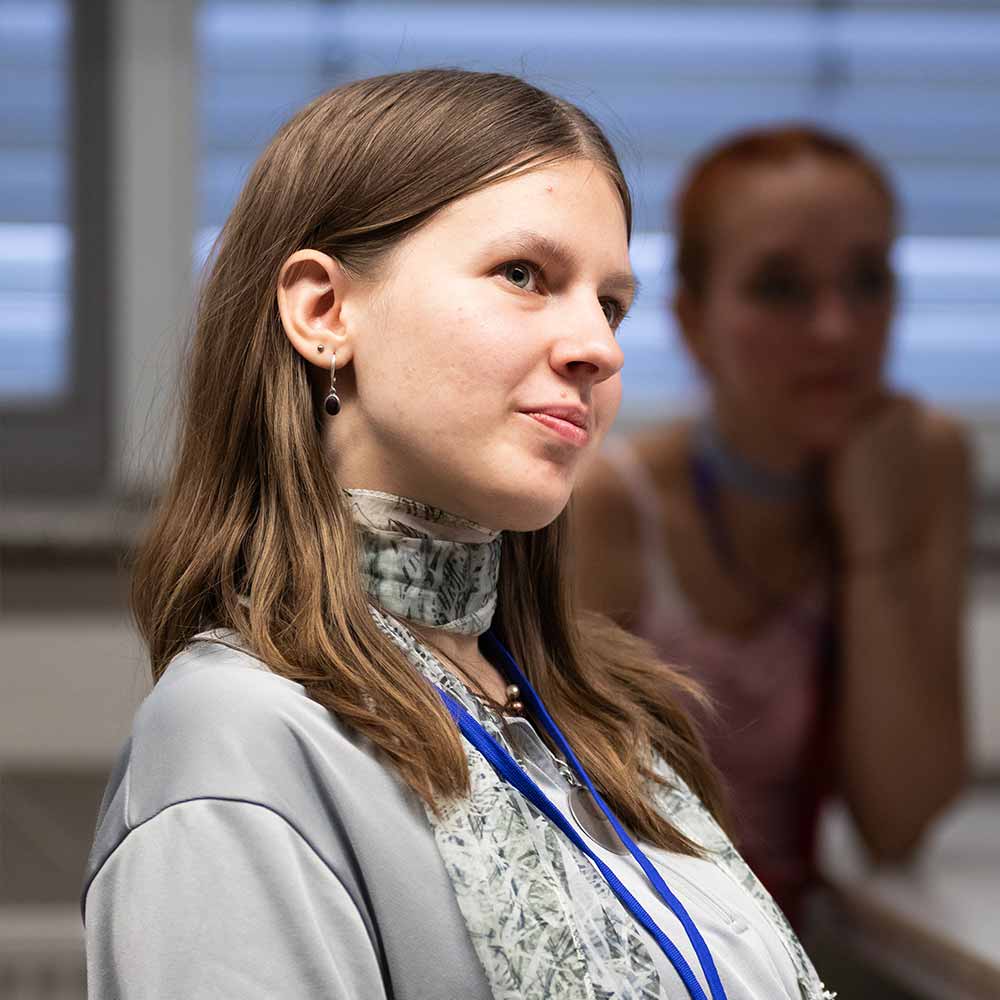
Digital fashion and AI are among the most exciting fields of the future: They enable new creative expressions, sustainable production methods, and data-driven design processes. The winners of the European Next Generation Award are selected by an expert jury. Each member contributes their own expertise, ensuring a diverse assessment of innovative projects.






Festival
Impressions 2025









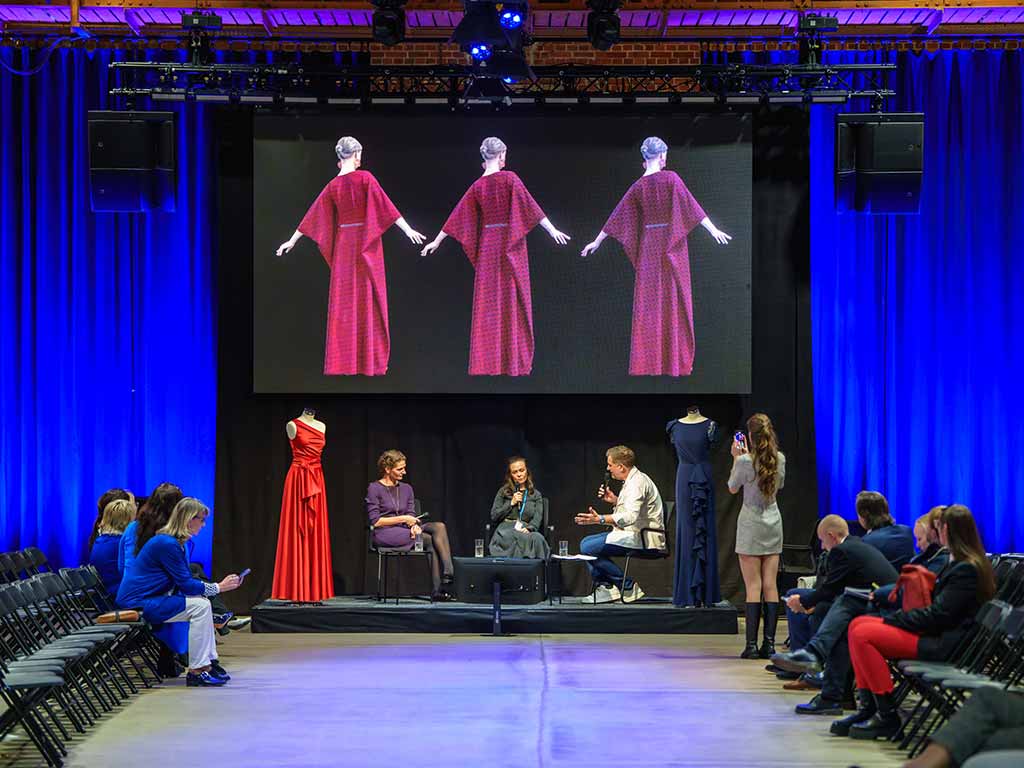
November 6, 2025

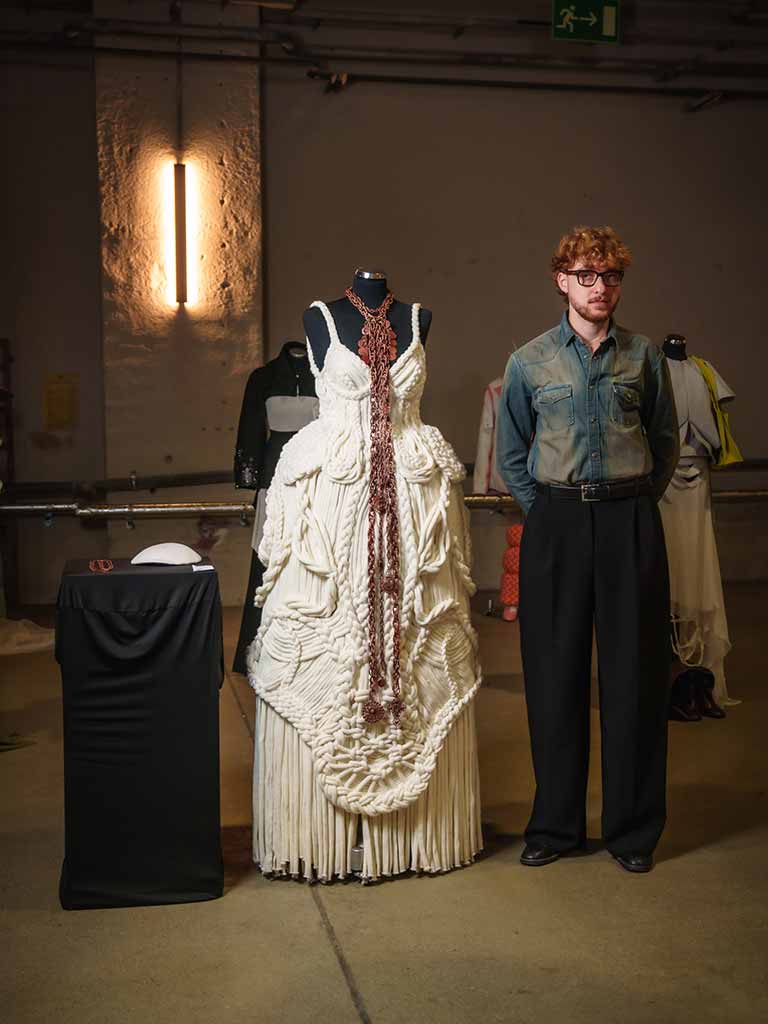


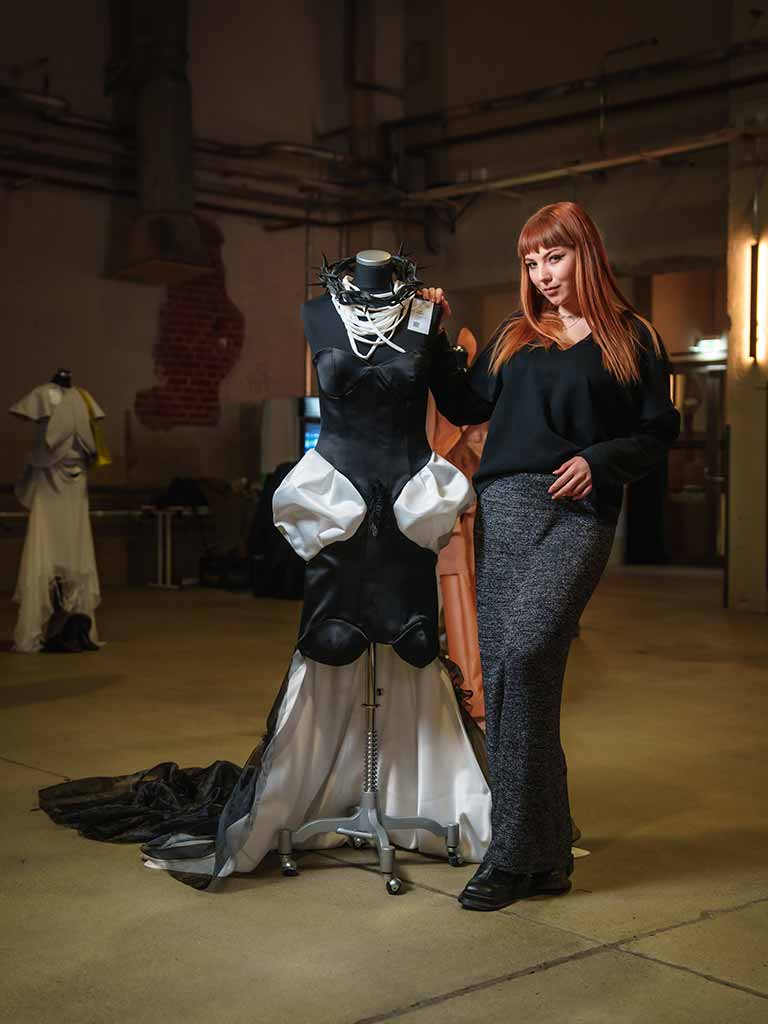

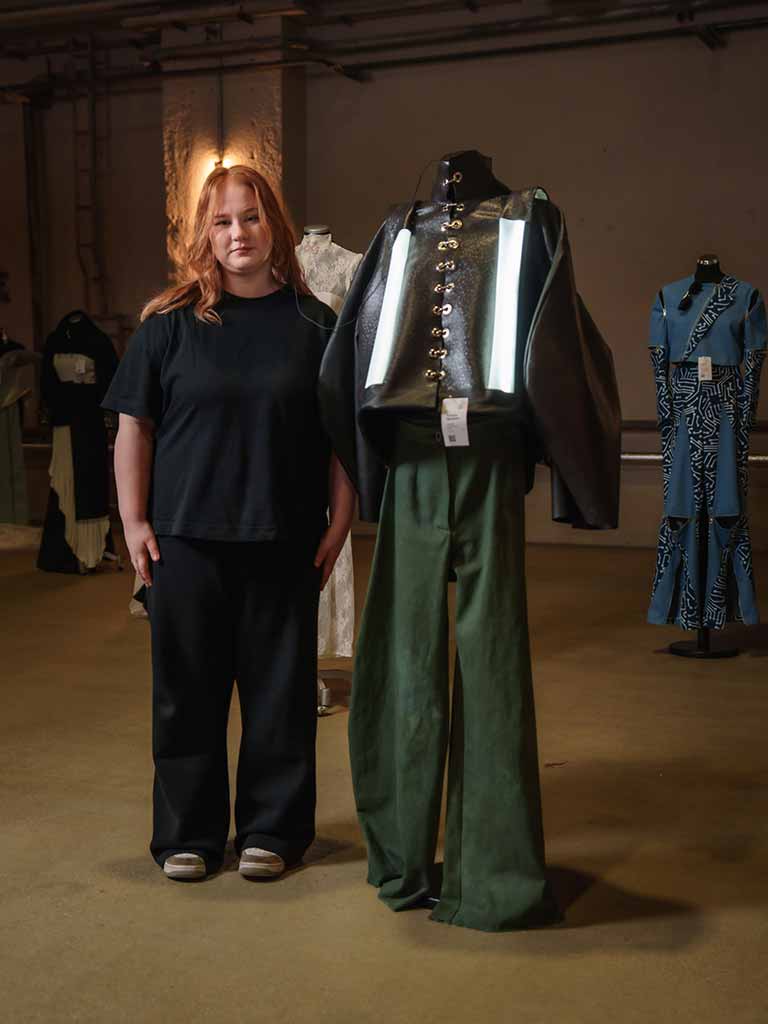











November 7, 2025





Show