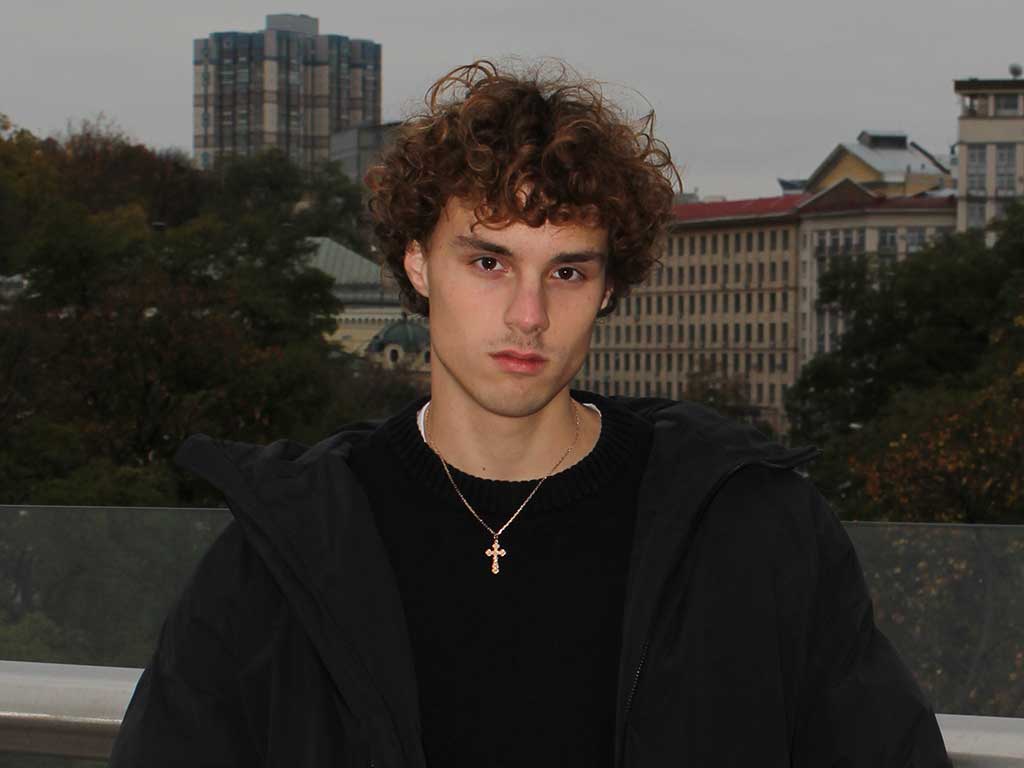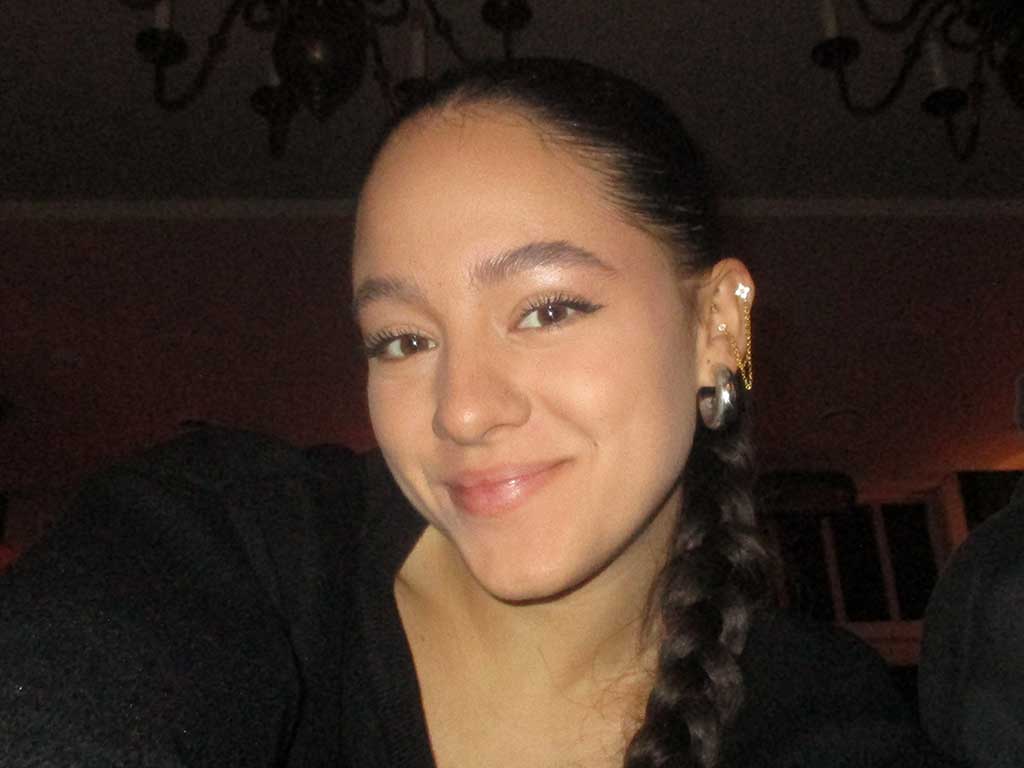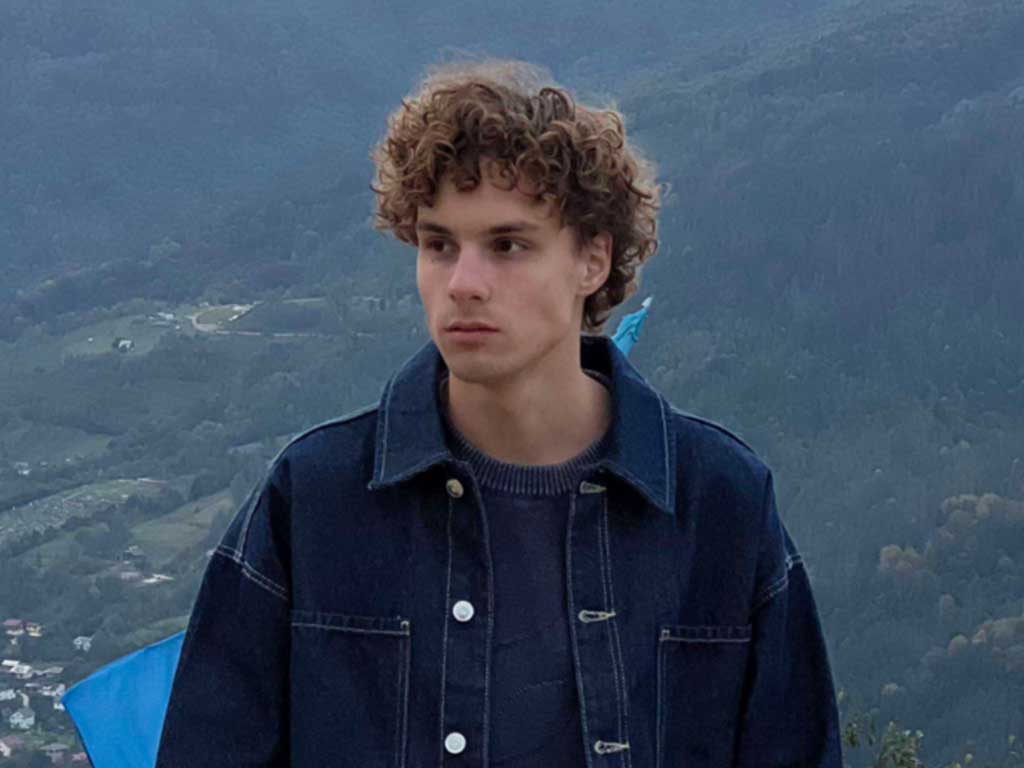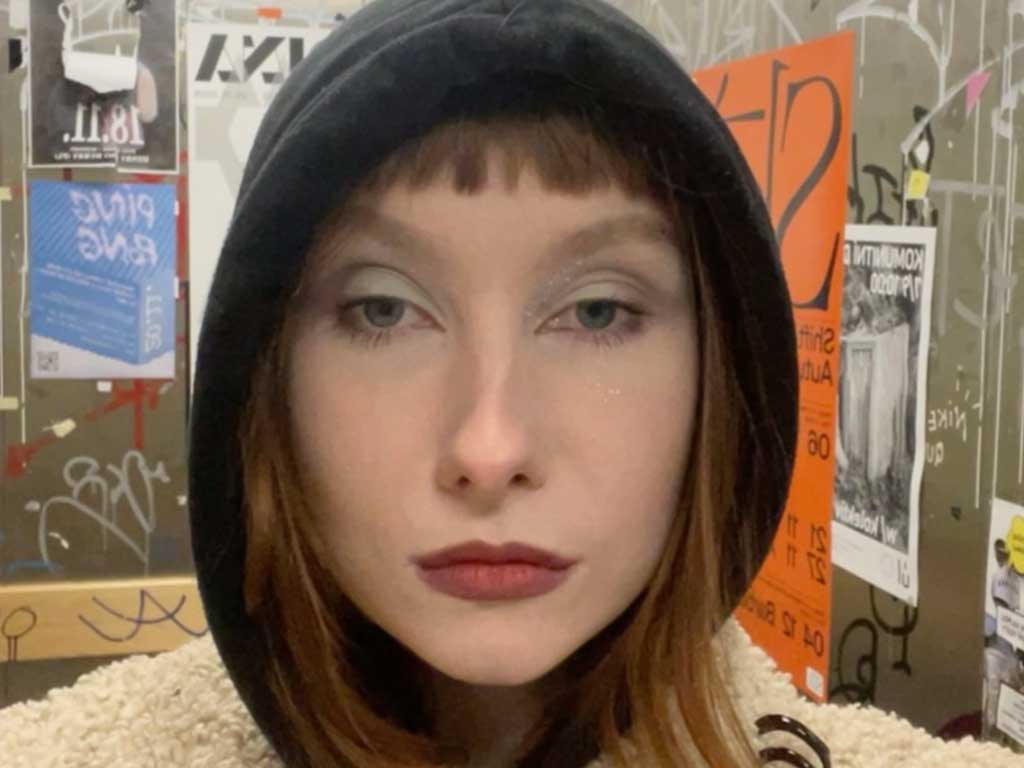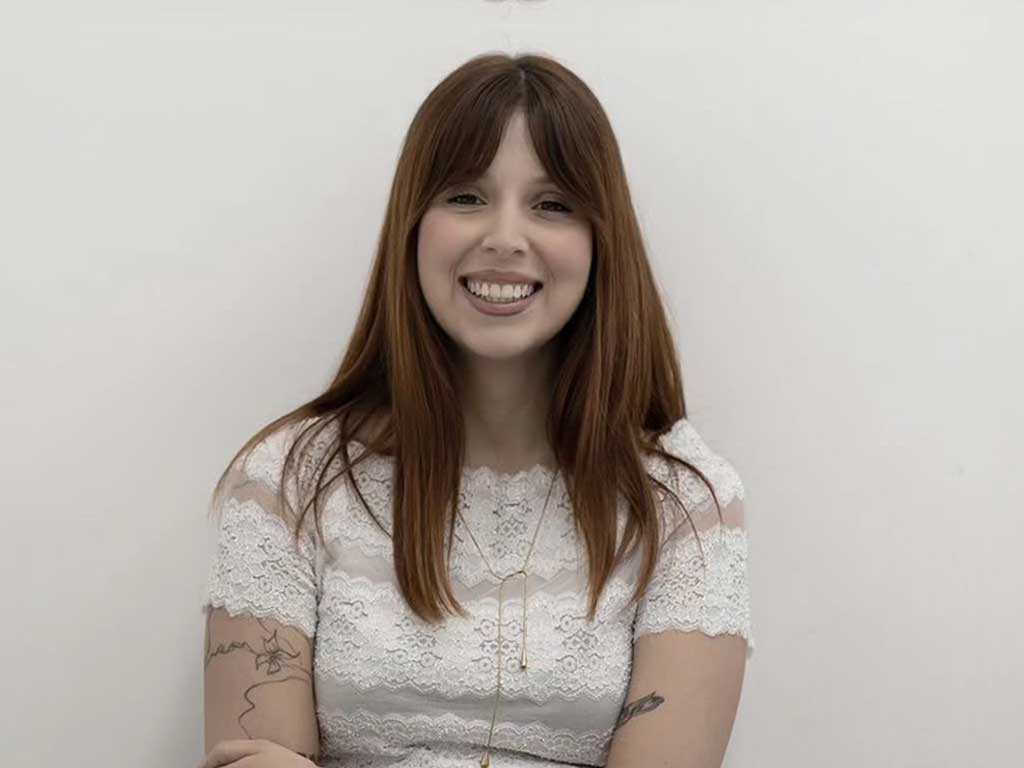
“I learned to think bigger” Joanne-Heleene Sõrmus, Master student at the Estonian Academy of Arts
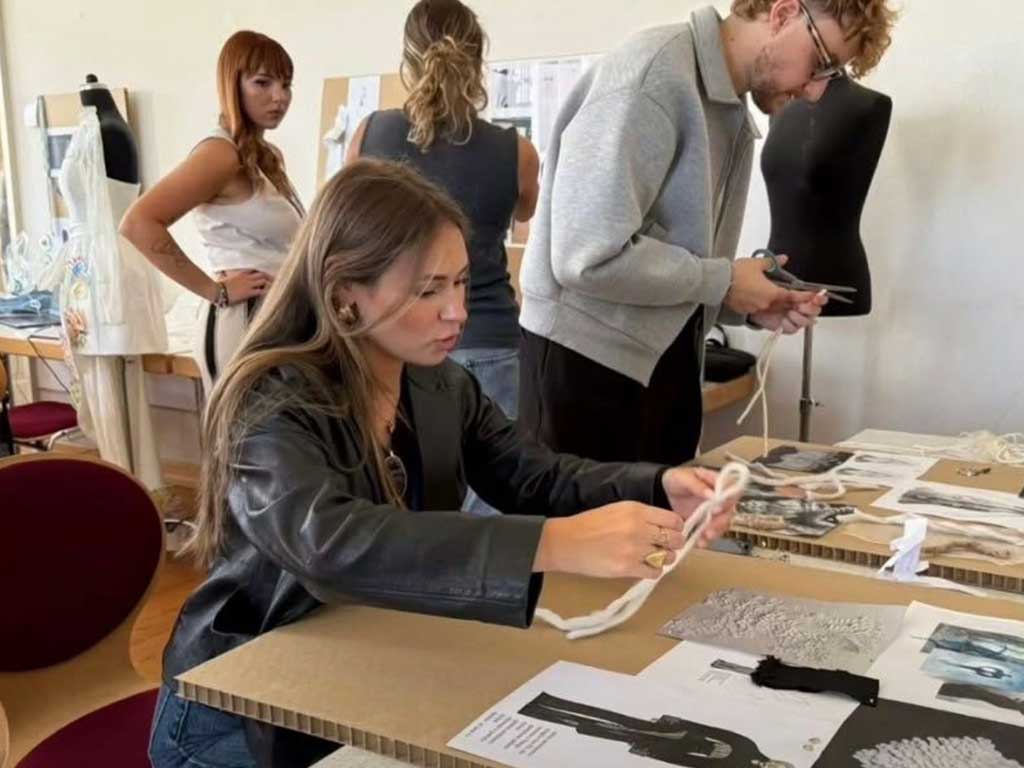
In the makerspace, digital technologies and artisanal creativity merge to create new forms of design. For Joanne-Heleene Sõrmus, 24 years old and in her second year of her Master’s program in Craft Studies at the Estonian Academy of Arts, the makerspace became a laboratory for innovation, experimentation, and personal growth. In this interview, she shares what she learned there—and how digital and physical worlds converge in her work.
Joanne-Heleene Sõrmus: What new skills or insights did you gain in the makerspace—perhaps beyond the purely technical aspects?
Joanne-Heleene Sõrmus: During my time in the makerspace, I significantly improved my technical skills in CLO 3D—especially in the areas of animation, texturing, and working efficiently with shortcuts. I also learned how crucial collaboration and communication are when working with other creative people. The open atmosphere fostered my problem-solving skills, willingness to experiment, and adaptability – and helped me think more creatively and optimize my workflow.
Was there a moment when you thought, “This is an aha moment” or “This is a truly innovative approach”?
Joanne-Heleene Sõrmus: Yes, absolutely. My aha moment came when I first saw the large 3D printer complete the first part of my pants project. Watching my digital design become a physical object was fascinating. It showed me how powerful the connection between digital design and real-world production can be.
Have you made any new contacts or connections with other students or universities through the makerspace?
Joanne-Heleene Sõrmus: Definitely. I met tutors with extensive expertise who shared their experiences and techniques, and I networked with students from different disciplines. These encounters have broadened my perspective and created new opportunities for future collaborations.
What was your biggest personal challenge – and how did you overcome it?
Joanne-Heleene Sõrmus: My biggest challenge was creating realistic animations and convincingly depicting the effect of my 3D prints on the digital garments in CLO 3D. This required a lot of testing, adjustments, and feedback. I studied tutorials intensively, talked with tutors, and gradually improved my method. It was a learning process that required patience and perseverance, but it was very worthwhile.
What concrete result or learning experience did you take away from working on your avatar or outfit?
Joanne-Heleene Sõrmus: When I decided to deliberately make my avatar stylized and unrealistic, I had to rethink my entire design process. In the process, I learned to adapt patterns and proportions to non-standardized figures – an exercise that taught me a lot about flexibility, digital thinking, and creative problem-solving.
Was there a moment that positively surprised or particularly inspired you?
Joanne-Heleene Sõrmus: I was deeply impressed by the large-format 3D printer in the makerspace. Although I already had experience with smaller devices and even developed my own method for printing on stretch fabrics, it was inspiring to see how powerful large-format printing technology can be. This motivated me to think even bigger and more experimentally in the future.
What technical tools did you work with most – and what did you learn from them?
Joanne-Heleene Sõrmus: I worked primarily with CLO 3D, Blender, and various 3D printers. By combining these tools, I learned how to combine digital design and physical production, optimize 3D models for printing, and use materials and textures to create visually and haptically compelling experiences.
What result of your work in the makerspace are you most proud of?
Joanne-Heleene Sõrmus: I’m particularly proud of my large-scale 3D-printed pants. They symbolize the successful combination of digital design, physical production, and experimental creativity. Holding the finished piece in my hand was a special moment—a true sense of achievement.
How do you plan to continue after the makerspace?
Joanne-Heleene Sõrmus: I plan to build on the ideas developed in the makerspace and create a full fashion collection that further explores the connection between digital design and experimental production. This work will form the core of my master’s thesis.
Are there any projects you’d like to develop further—perhaps for the Holo show or other presentation formats?
Joanne-Heleene Sõrmus: Absolutely. I’d like to present my collection at a spring fashion show in Estonia and share the project with a wider audience beyond the academic context. I’m also interested in how holographic or AR-based presentations can bring fashion to life in new ways.
What was your greatest personal gain from your time in the makerspace?
Joanne-Heleene Sõrmus: The biggest gain for me was taking my CLO 3D skills to a new level—both technically and creatively. I now feel more confident in designing complex ideas virtually and combining digital creativity with practical craftsmanship.