“Patience was the most important thing” – Mariana Mira on digital discoveries and new perspectives in the makerspace
Twenty-year-old Mariana Mira is in her third year of her Bachelor’s degree at the Faculty of Architecture of the University of Lisbon. As part of the European FashionTEX project, she worked in the makerspace with digital tools such as 3D printing, knitting machines, and virtual design programs. In this interview, she talks about how she overcame her initial skepticism towards technology, the challenges she mastered, and why patience became the most important design virtue for her.
Mariana Mira, what new skills or insights did you gain in the makerspace, perhaps even beyond the purely technical aspects?
Mariana Mira: I learned many skills in using digital tools that I had never tried before. Before the makerspace, I would have said that I’m not a “computer person,” but afterwards I became a little more of one. Digital tools are still not among my favorites, but they are definitely an option that I use more often now.
Was there a moment that was a real “aha” moment for you?
Mariana Mira: Yes, actually, my entire work with digital files was one big “aha” moment. I had hardly worked with the tools we used in the makerspace before, and I really learned something new every day.
Did you make any new contacts with other students or universities in the makerspace?
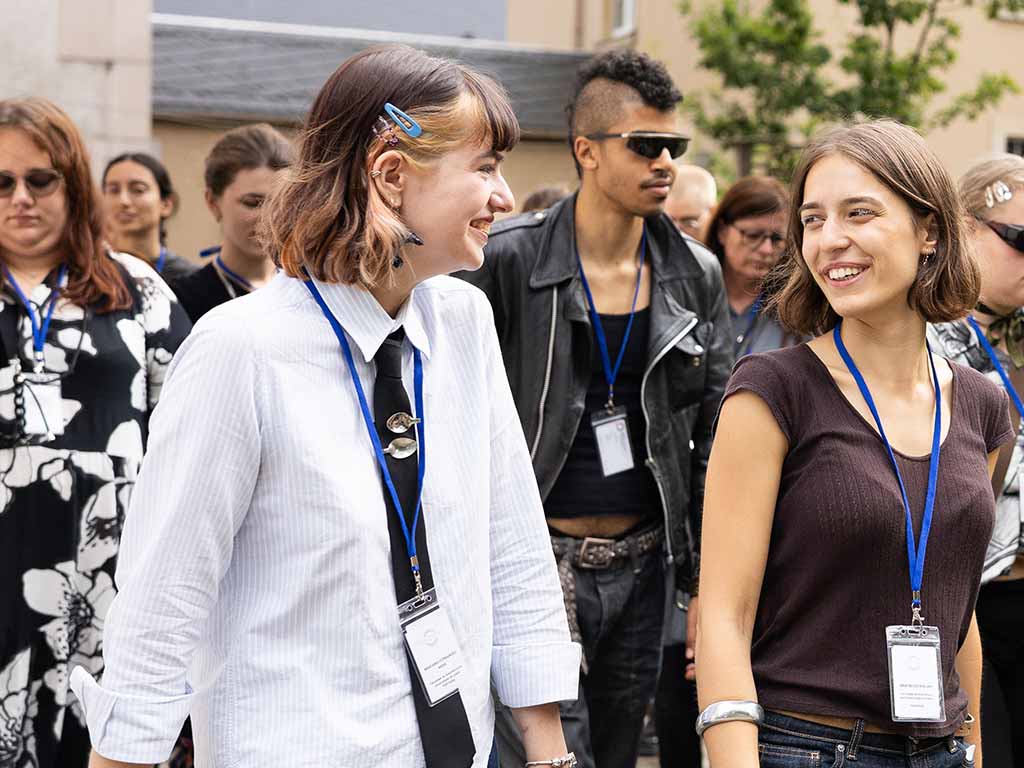
Mariana Mira: Yes! I met some incredible, friendly, and talented people. The connections I made there were mainly with other students; they helped me a lot when I got stuck on something.
What was the biggest personal challenge for you – and how did you overcome it?
Mariana Mira: The biggest challenge was communication. It was the first time I had to explain my ideas in a language other than my own. This sometimes led to misunderstandings. I learned to formulate everything as clearly as possible and to ask many questions to make sure I understood everything correctly.
What specific result or insight do you take away from working on your avatar or outfit?
Mariana Mira: Definitely my work with 3D printing. I enjoyed it incredibly much, and I absolutely want to use this technology again in future projects.
Was there a particular moment that inspired you?
Mariana Mira: The moments that inspired me the most were when we students sat together and talked about our projects and techniques. This sharing of experiences helped us all move forward; it was true teamwork and creative exchange.
Which technical tools did you work with the most, and what did you learn from them?
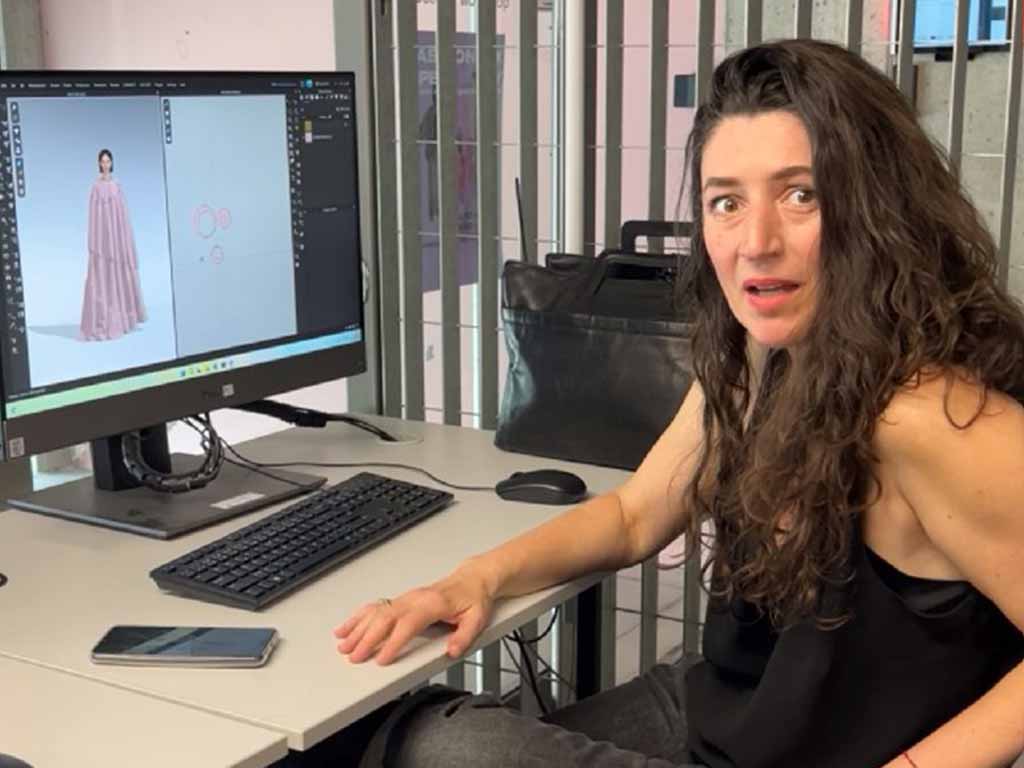
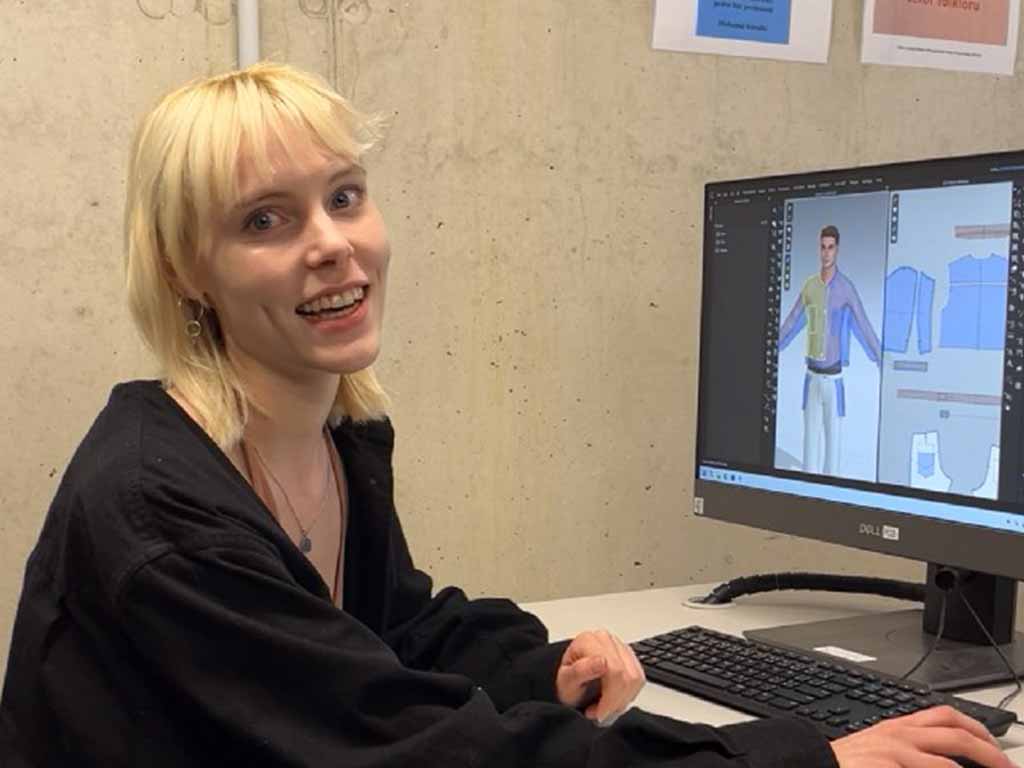
Mariana Mira: I worked with the 3D printer, the Kniterate knitting machine, CLO 3D, Substance, and Photoshop. I wasn’t familiar with most of these tools beforehand, so it was a real challenge at first. But in the end, I felt almost like a pro at knitting and in CLO 3D—well, not quite perfect yet, but on the right track! The most important thing I learned was patience. Things take time and often several attempts before they turn out the way you envisioned them.
Which result of your work in the Makerspace are you particularly proud of?
Mariana Mira: My 3D-printed headpiece. It was the first object I completely digitally modeled myself, which felt like a real milestone.
How do you want to continue after the Makerspace?
Mariana Mira: There are still a few things about my look that I want to improve before the show takes place. But overall, I want to continue applying what I’ve learned about the tools in future projects and incorporate new technologies even more.
Are there any ideas or projects that you would like to develop further?
Mariana Mira: Yes, absolutely! There are topics related to technology that I would like to explore further, especially how digital and manual processes can be combined.
What was the biggest personal gain for you from your time in the Makerspace?
Mariana Mira: Definitely the new friendships and the new knowledge. Both have changed me and motivated me to keep going.