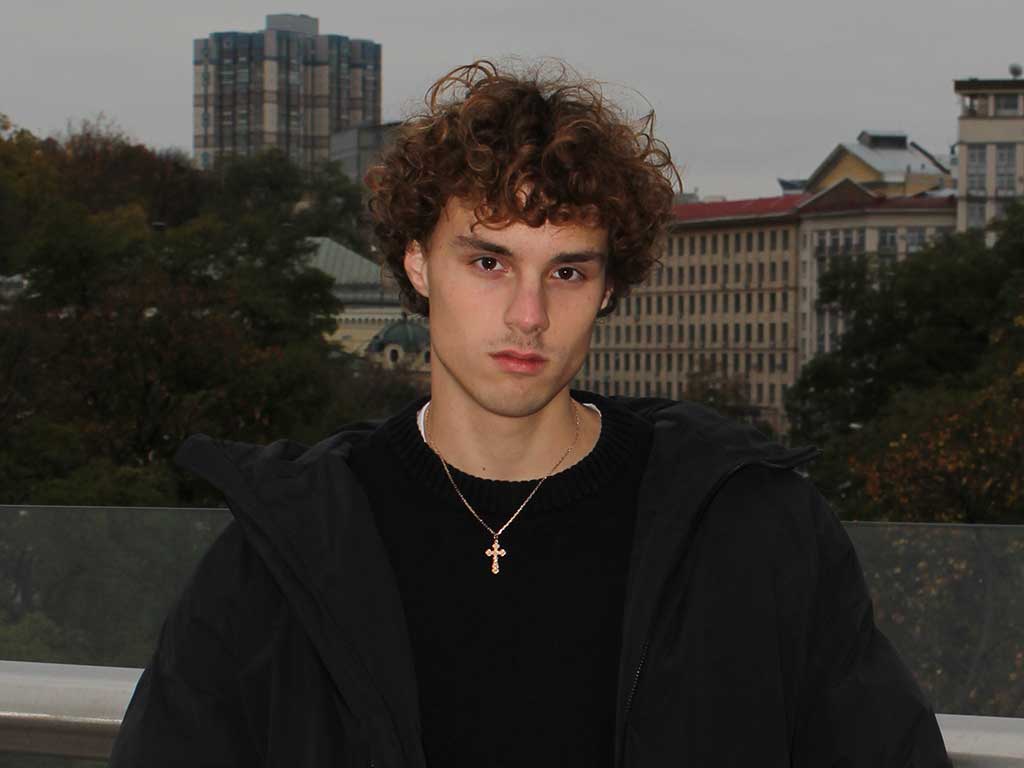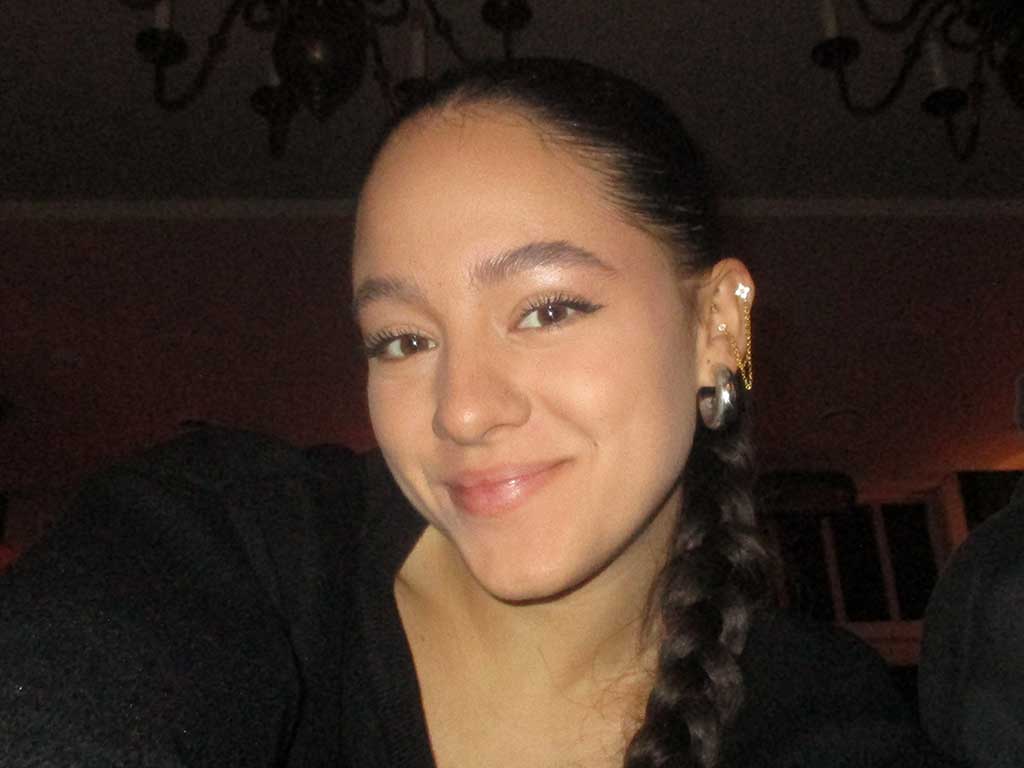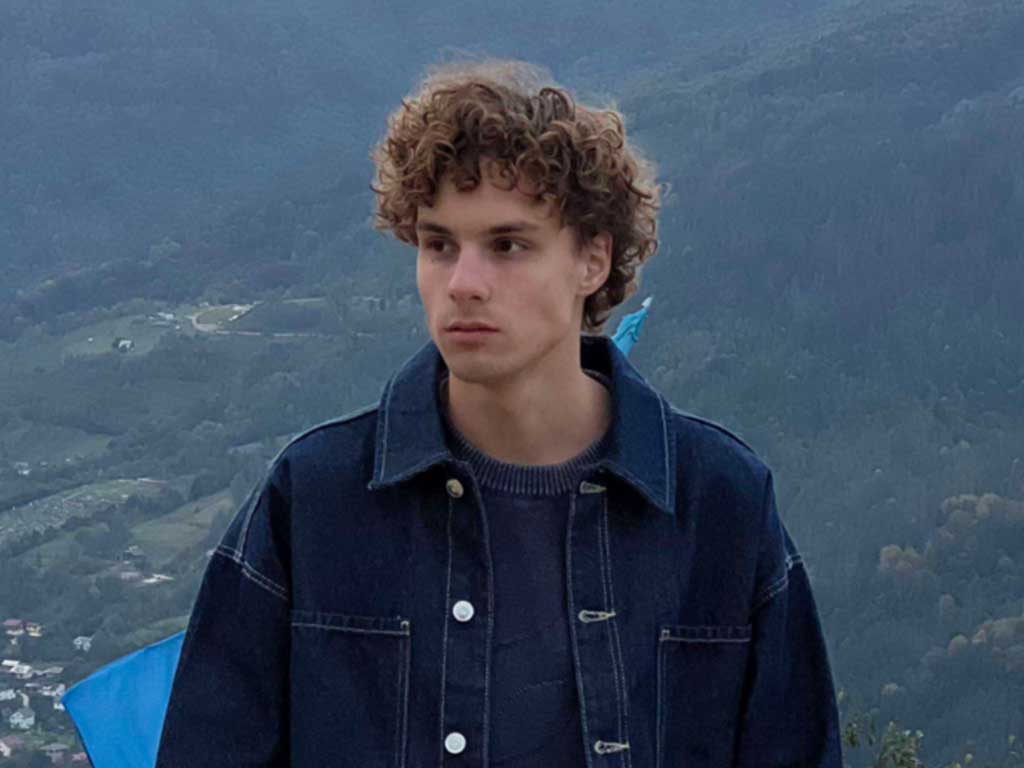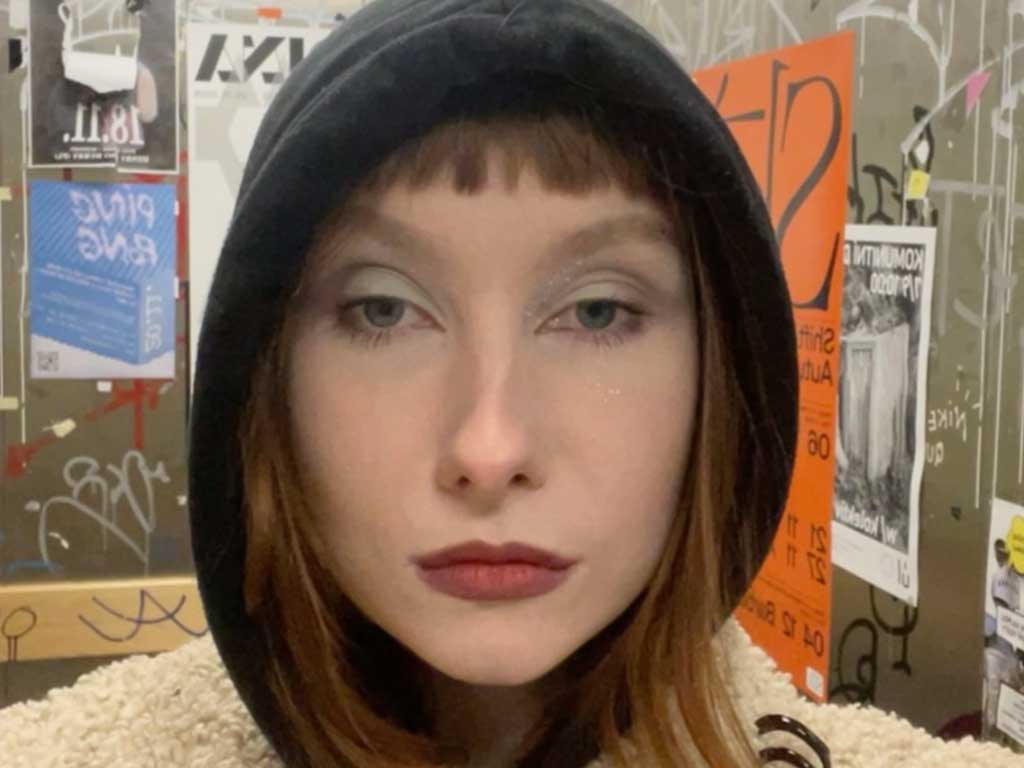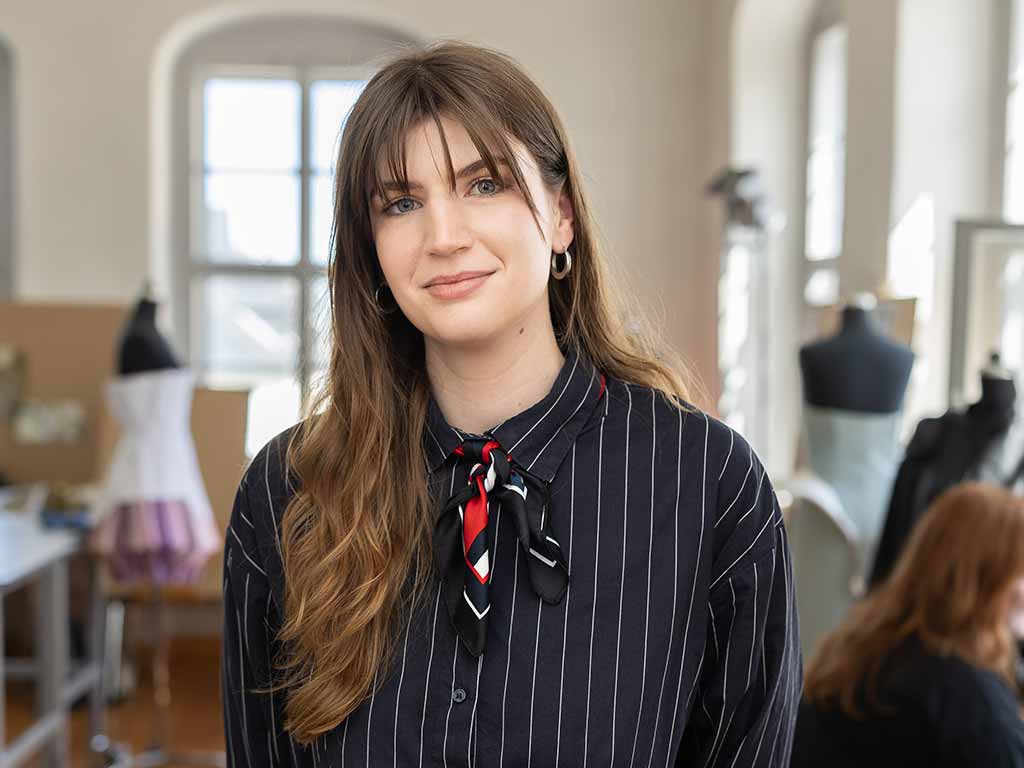
“How creativity overcomes language barriers” – Interview with Cindy Hartwich
In the international makerspace project, 24-year-old fashion design student Cindy Hartwich from the West Saxon University of Applied Sciences in Zwickau worked with students from all over Europe on a virtual fashion show. For two weeks, she experimented with 3D printing, digital tools, and new forms of collaboration. In this interview, she talks about how she exceeded her own expectations, the challenges she overcame, and why creativity is sometimes the best language.
Cindy, you were part of the international makerspace project. What new skills did you develop there, perhaps beyond the technical?
Cindy Hartwich: In the makerspace, I primarily learned to communicate better in English and to connect with people who don’t speak the same language. I experienced how creativity can overcome language barriers. I also gained a deeper understanding of how impressive our collaborative work truly is—a virtual fashion show consisting entirely of student projects. That’s truly innovative.
Was there a moment that particularly stuck in your mind—a real “aha moment”?
Cindy Hartwich: Yes, absolutely. The moment I realized we were actually creating a digital fashion show together was a real lightbulb moment for me. It showed me how powerful collaboration and technology can be when combined with creativity.
You worked with students from other countries. What was that like?
Cindy Hartwich: I had the opportunity to work closely with four amazing women from Poland and Lithuania. They were so open-minded, friendly, and full of positive energy. I really admired their creativity and their ability to tackle challenges. Working with them made the experience even more special, and I’m really looking forward to seeing them again in November.
What was the biggest challenge for you personally in the makerspace?
Cindy Hartwich: Definitely figuring out how to technically implement my idea, especially how to design the 3D print to form a crinoline and how to connect the individual pieces together. During those two weeks, I barely slept because I was constantly thinking about the project. But this process taught me an incredible amount about perseverance and creative problem-solving.
What did you take away from working on your outfit?
Cindy Hartwich: I realized that 3D printing still needs improvement, especially because it doesn’t adhere well to organza. That’s my next task before the fashion show in Chemnitz. Fortunately, I’m getting great support from Uwe Bodenschatz and Pia Hackner during the printing process.
Was there a moment that particularly inspired you?
Cindy Hartwich: I was especially inspired by the people I met there. Everyone had their own aesthetic, skills, and personality; it was a joy to get to know everyone. I was honestly surprised at how well we got along despite the language barrier.
Which tools did you use most?
Cindy Hartwich: I mainly worked with Illustrator for pattern development, Clo3D for digitally visualizing my model, and, of course, the 3D printer. Through this combination, I learned how digital and physical design processes complement each other wonderfully. It was exciting to see how ideas evolve from a digital pattern to a real, tangible object.
What result are you most proud of?
Cindy Hartwich: I’m particularly proud of the pattern I developed for my crinoline and the digital version of my design. I already had an earlier version, but through the experiences and changes in the makerspace, it really came alive and began to shine.
What’s next for you after the makerspace?
Cindy Hartwich: I want to integrate Clo3D more into my design processes in the future. Until the fashion show in Chemnitz, I’ll rework and rebuild my outfit with a different fabric to achieve better 3D printing results.
Are there any ideas or projects you’d like to develop further?
Cindy Hartwich: Yes, I definitely want to continue experimenting with 3D printing, both to add more structure to garments and to explore how printed elements can influence the shape and movement of clothing.
And what was your biggest personal gain from your time in the makerspace?
Cindy Hartwich: My biggest personal gain is the knowledge that I can really do this. At first, I wasn’t sure if I could accomplish everything in two weeks and stay focused the entire time. Because of my ADHD, I doubted I could maintain that level of focus, but it worked. This experience gave me a lot of confidence in myself and my creative abilities.