Digital textures, CLO3D, and creative connections – Michał Piotrowski
Michał studies at the Lodz University of Technology and participated in the FashionTEX Riga Makerspace 2026. During these two intensive weeks, he focused heavily on CLO3D, digital texturing, animation, and accessory design. A highlight for him was the integration of digital and physical fashion design. Equally important were the creative atmosphere and the exchange with students from across Europe—a community where participants quickly bonded despite their diverse backgrounds.
Michał, what new skills or insights did you gain at the Makerspace?
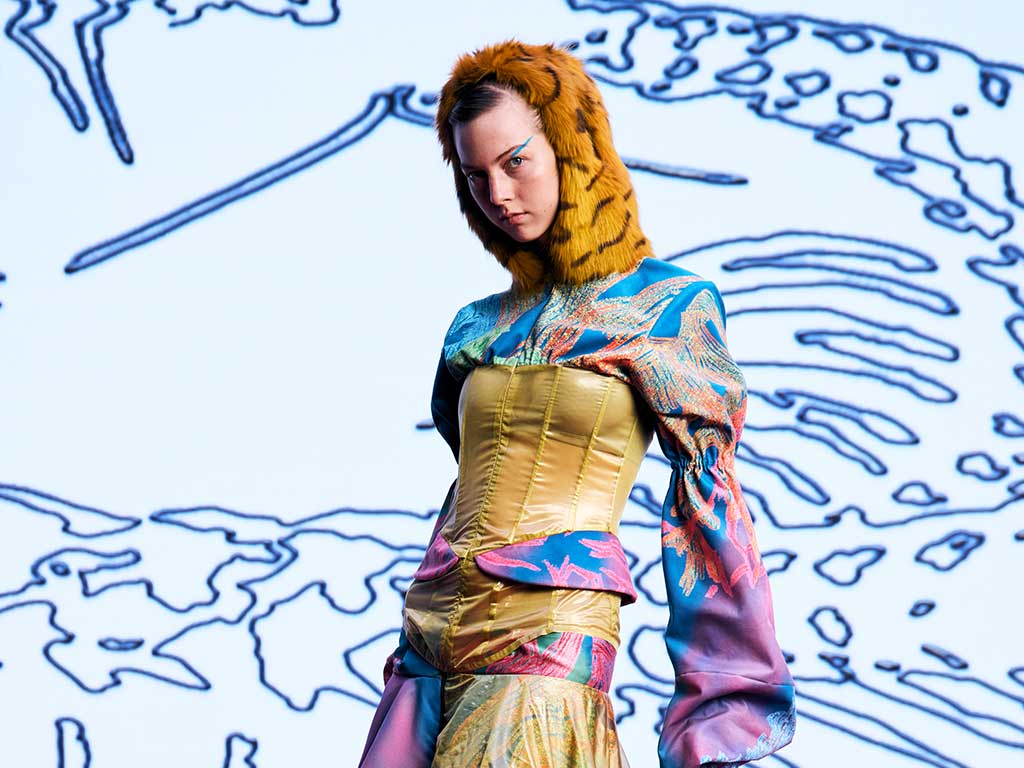
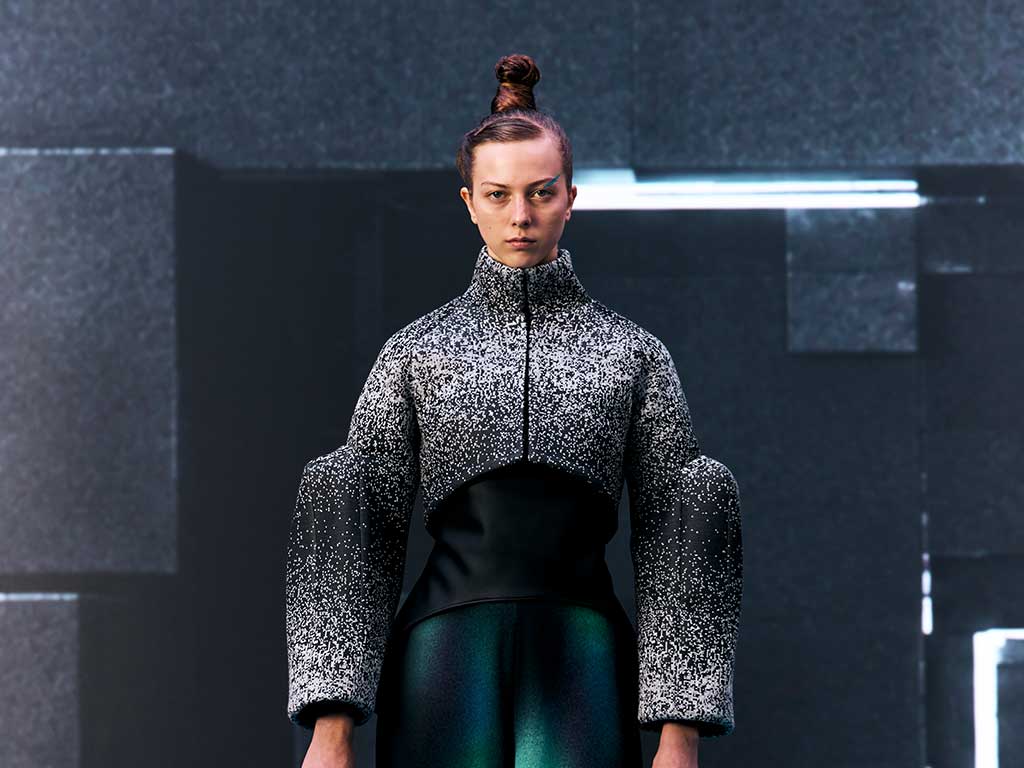
Above all, I learned how to create and import textures. This allowed me to expand my knowledge of digital fashion design and better understand the importance of textures in the overall look and feel of a digital garment.
Was there a specific moment when you thought, “This is a real ‘aha’ moment”?
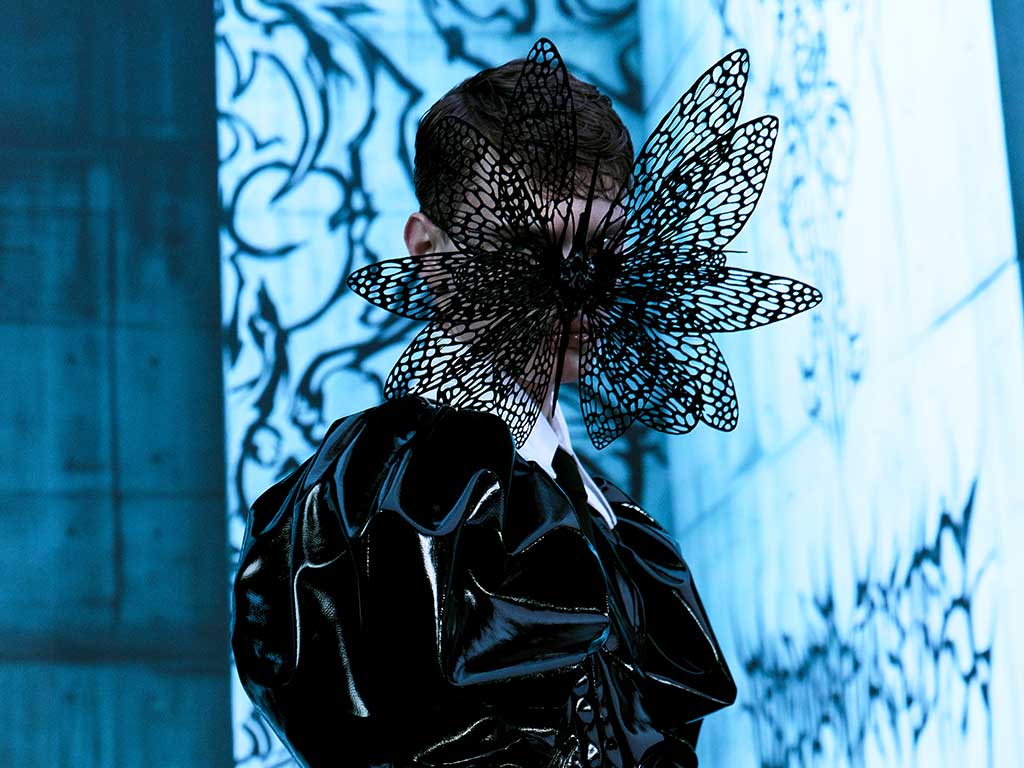
Yes, when I learned how to create accessories in CLO3D. It opened up new possibilities for developing digital looks—not just through the clothing itself, but also through additional design elements.
Did you make new connections with other students or universities at the Makerspace?
Yes, I met many amazing and creative people. Those encounters were a key part of the Makerspace experience for me.
What was the biggest personal challenge you faced while working at the Makerspace, and how did you overcome it?
My biggest challenge was focusing on the digital aspects of the project—specifically renderings and videos. The instructors and experts were a huge help here; with their support, I was able to overcome the challenges and further develop my digital skills.
What specific insights did you gain while working on your avatar or outfit?
I learned how to set up animations in CLO3D and create accessories. This allowed me to further develop my digital design and gain a better understanding of how different elements within CLO3D can be combined.
Was there a moment that particularly surprised or inspired you?
I was especially pleased by how well everyone got along and how great the atmosphere was. I think it’s something special when so many different people come together on an international project and yet find a shared creative wavelength so quickly.
Which technical tools did you work with the most, and what did you learn from using them?
I worked primarily with CAD software. Working with CLO3D was particularly important for me, as were the opportunities to develop digital textures, animations, and accessories.
Which result of your work at the Riga Makerspace are you most proud of?
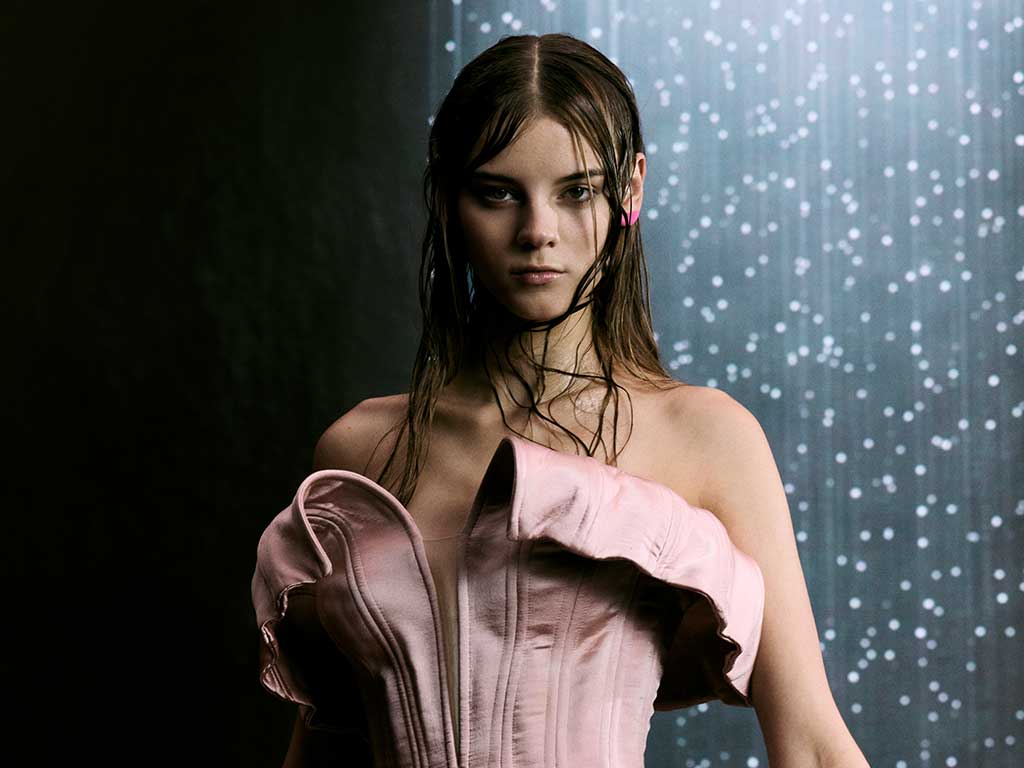
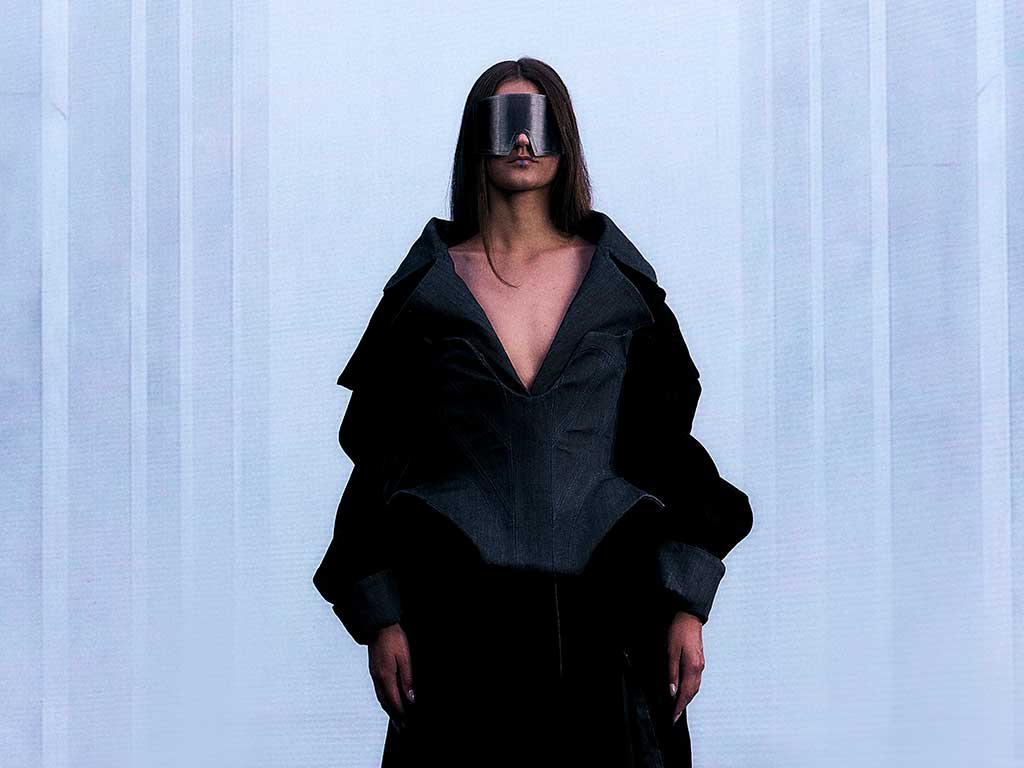
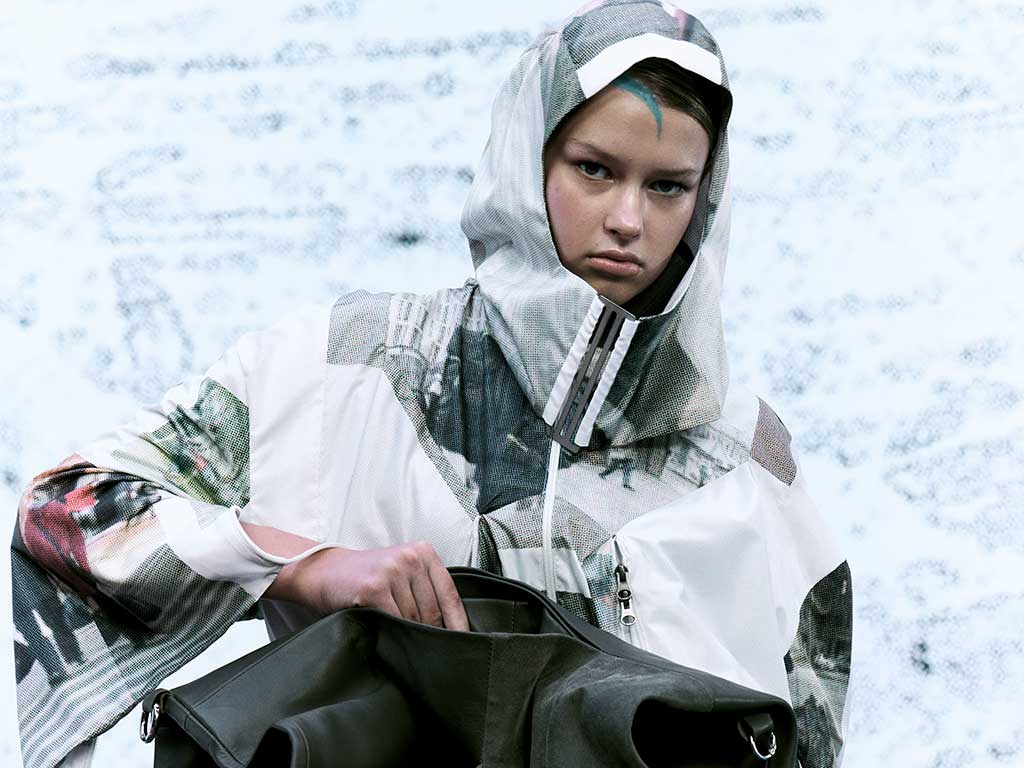
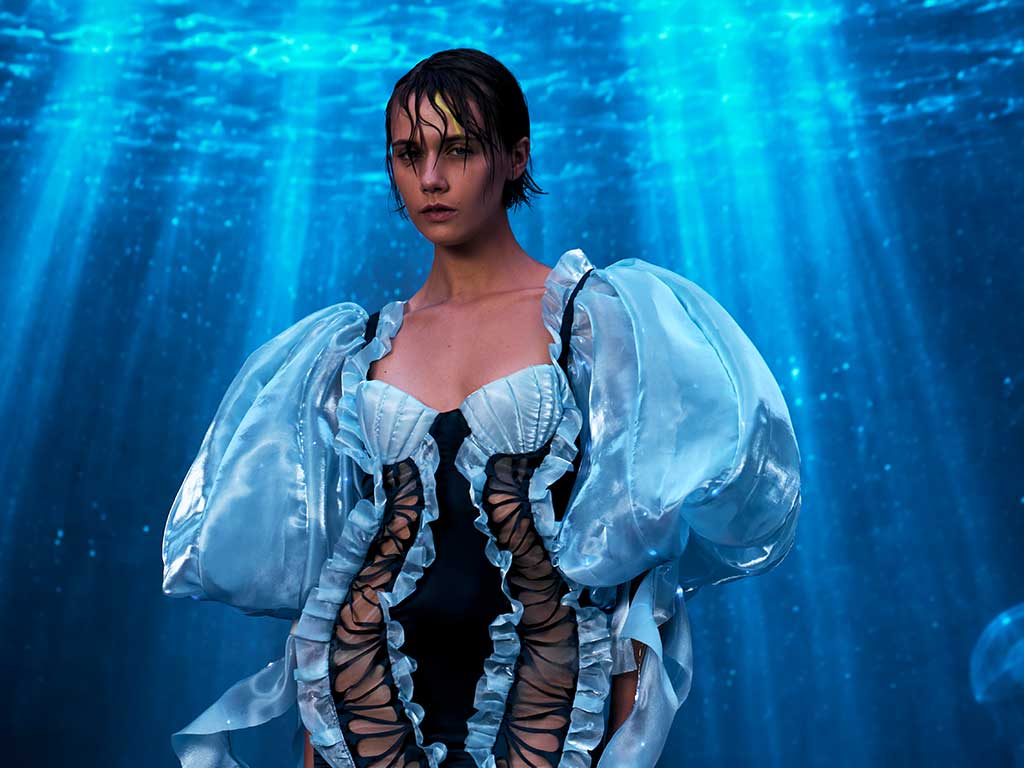
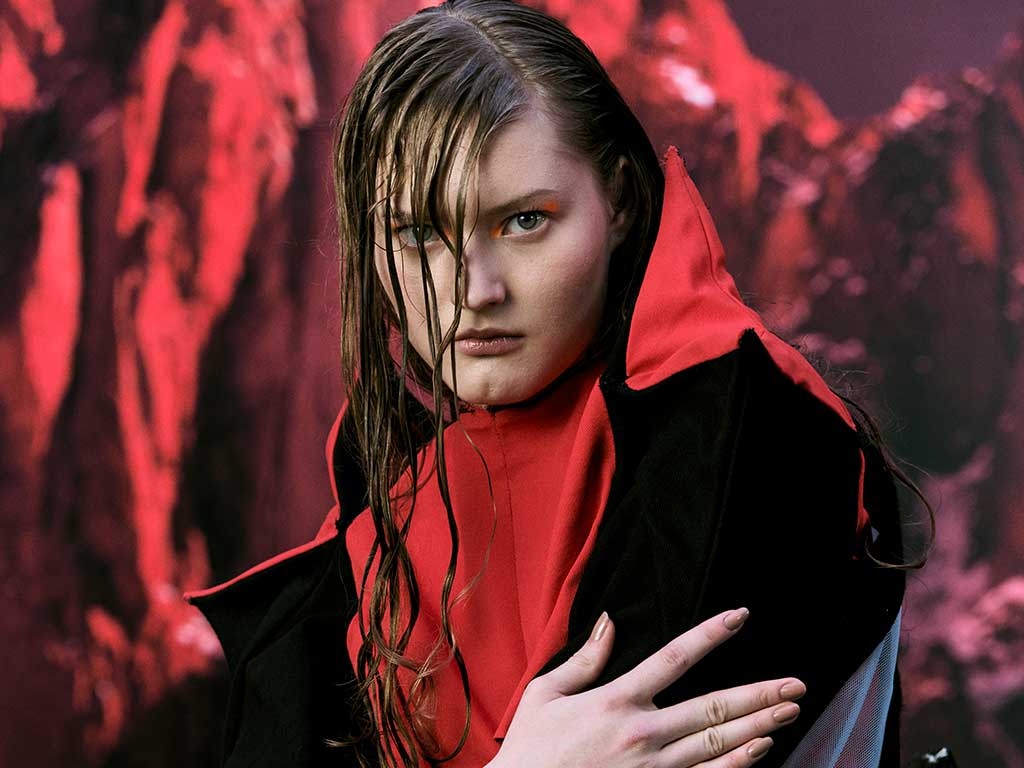
I am particularly proud of my renderings and accessories. To me, they really showcase the progress I was able to make in the digital realm during the Makerspace.
How do you plan to proceed after the Makerspace?
I want to explore the full potential of CLO3D in greater depth. At the same time, I am interested in how creative projects can be realized—and integrated—in both the digital and physical worlds.
Are there any ideas or projects you would like to develop further?
Right now, I don’t have a specific project I’m planning to take further. First, I want to deepen the new knowledge and experience I gained in Riga.
What was the biggest personal takeaway from your time at the Makerspace?
For me, mastering texturing in CLO3D was a major personal gain. I learned how textures are developed and applied, and I want to build on that knowledge in the future.
The international exchange was also a key part of the experience for Michał. He would highly recommend the makerspace: the opportunity to meet people from across Europe and collaborate on creative projects fosters a special sense of connection. He also highlighted the support provided by the experts as particularly helpful.
Photo Credits: Miks Uzans Photography