Between digital innovation and traditional craftsmanship – Mykola Polonskyi
Mykola studies at the Kyiv National University of Technologies and Design and participated in the FashionTEX Riga Makerspace 2026. During these two intensive weeks, he worked with CLO3D, Adobe software, After Effects, Premiere Pro, and Substance 3D Sampler, engaging with 3D modeling, 3D printing, laser cutting, and digital knitting. For him, it wasn’t just about new technologies: he learned to combine digital innovation with traditional craftsmanship, gained confidence in his own ideas, and found the international exchange to be one of the most formative aspects of the Makerspace.
Mykola, what new skills or insights did you gain at the Makerspace?
I didn’t just develop new technical skills; I also discovered a different approach to fashion and creativity. I worked with CLO3D, various Adobe programs, After Effects, Premiere Pro, and Substance 3D Sampler, and in doing so, I came to understand how digital tools can transform an idea into a visual—and ultimately physical—concept.
Working on my project also taught me patience, precision, and confidence in my own ideas—especially when handling delicate, high-quality materials and crafting details by hand. At the same time, collaborating with students from different countries made me more open-minded and flexible.
Was there a specific moment when you thought, “This is a real ‘aha’ moment”?
I had that moment when I first saw how excellently equipped the Makerspace is and how many different technologies are available there. Witnessing how the technical equipment, the experts, and the entire creative process all work together was truly inspiring. I was particularly impressed by the fact that almost any idea can be transformed first into a digital concept and then into a tangible object—for instance, through 3D printing, digital knitting, or laser cutting. That made me realize just how many new possibilities technology opens up for fashion design.
Did you make new contacts with other students or universities while at the Makerspace?
Yes, absolutely. Meeting so many international students was one of the most memorable experiences of my life. It was fascinating to see how people from different countries think, study, and create, and how they approach fashion from such diverse perspectives.
Exchanging ideas and experiences significantly broadened my view of the creative world. I will cherish the memory of these encounters for a long time to come.
What was the biggest personal challenge you faced while working in the Makerspace, and how did you overcome it?
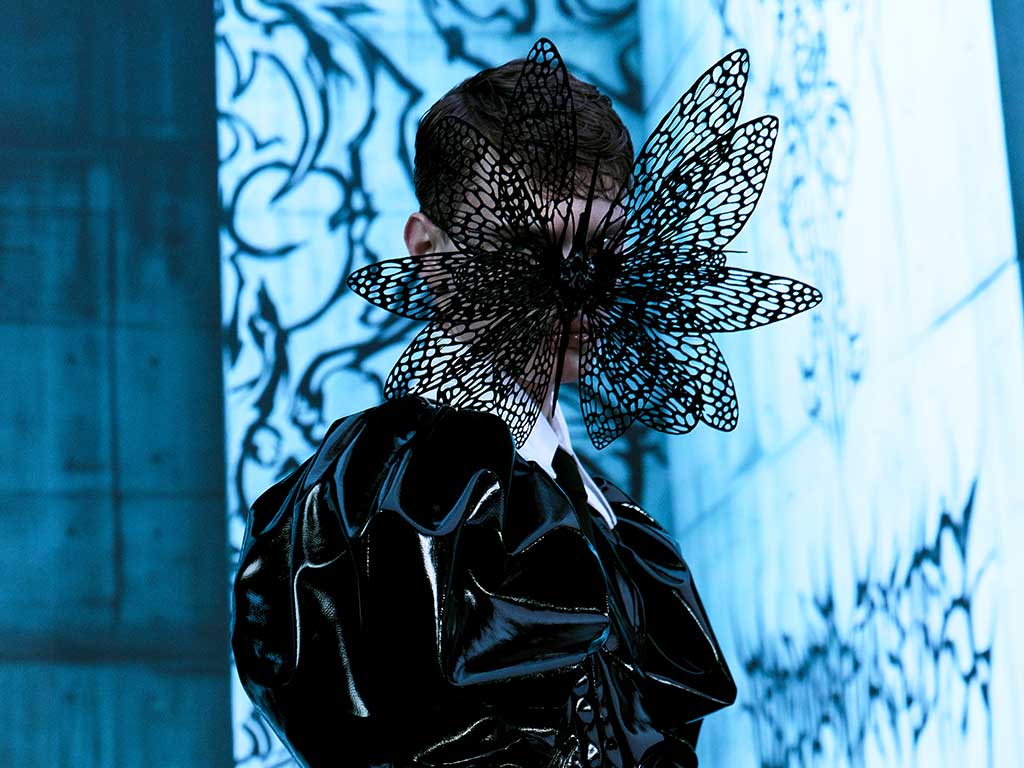
My biggest challenge was preparing my 3D model for printing. Although I knew from the start that 3D printing would be part of my project, I had to learn very quickly how to handle 3D modeling software and correctly prepare the model for the printing process.
What key insights did you gain while working on your avatar or outfit?
I learned how important it is to combine creativity and technology. I was able to experience how an initial idea can evolve step-by-step into a finished look through digital modeling, materials, and various technologies.
Was there a moment that particularly surprised or inspired you in a positive way?
I was especially inspired by the support and attitude of the experts. They were always ready to help, explain things, and guide us through the individual stages of the work. I never felt like I was facing a problem alone.
I could ask questions, discuss my ideas, and seek advice at any time. That was particularly valuable to me.
Which technical tools did you work with the most, and what did you learn from using them?
I worked most intensively with CLO3D. There, I discovered many new techniques and helpful tricks that I can apply to future projects.
I was also able to experiment with AI tools, 3D modeling, 3D printing, laser cutting, and digital knitting. Unfortunately, there was limited time for some of these technologies, so I would like to explore them more deeply in the future.
Which result of your work at the Riga Makerspace are you particularly proud of?
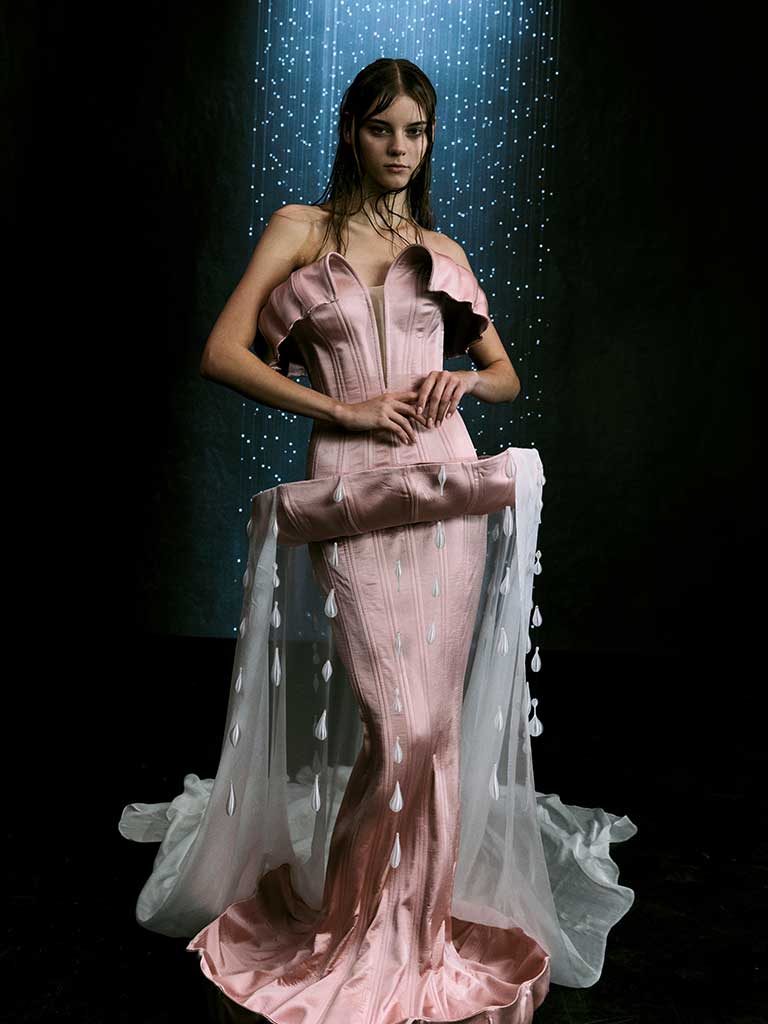
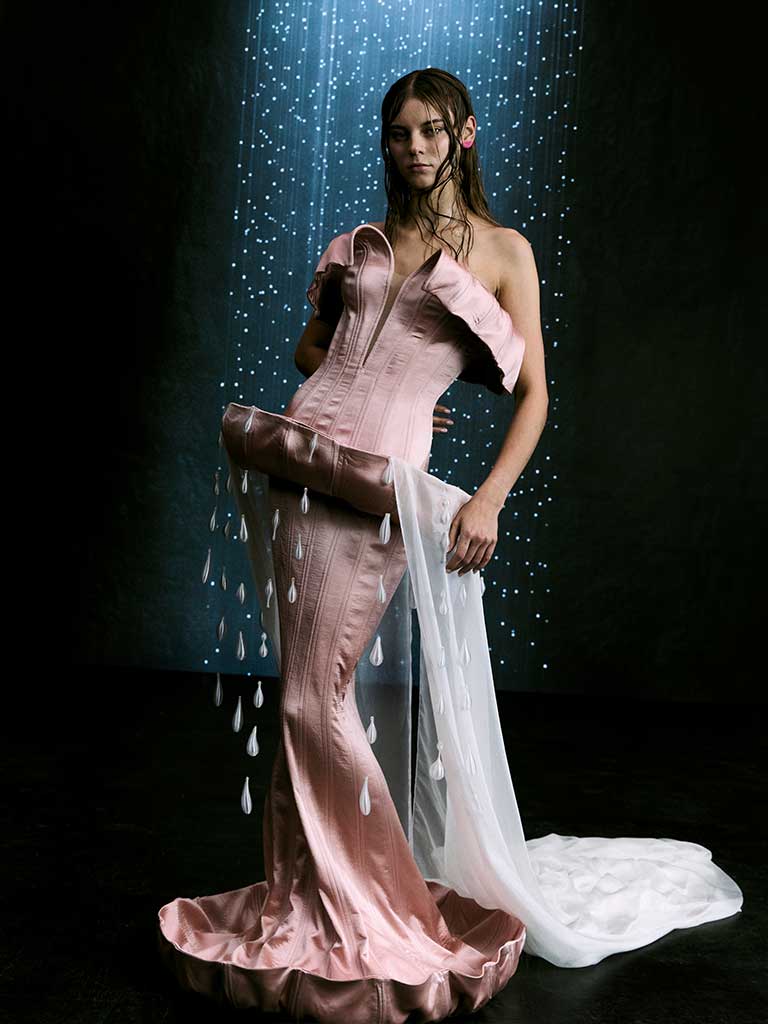
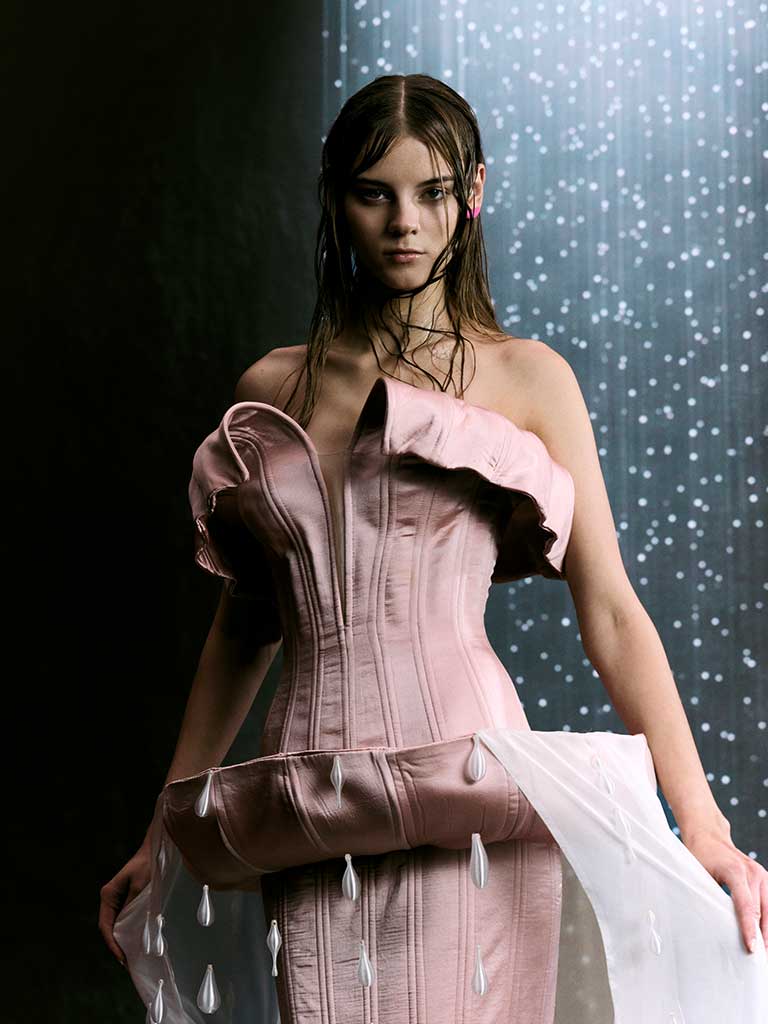
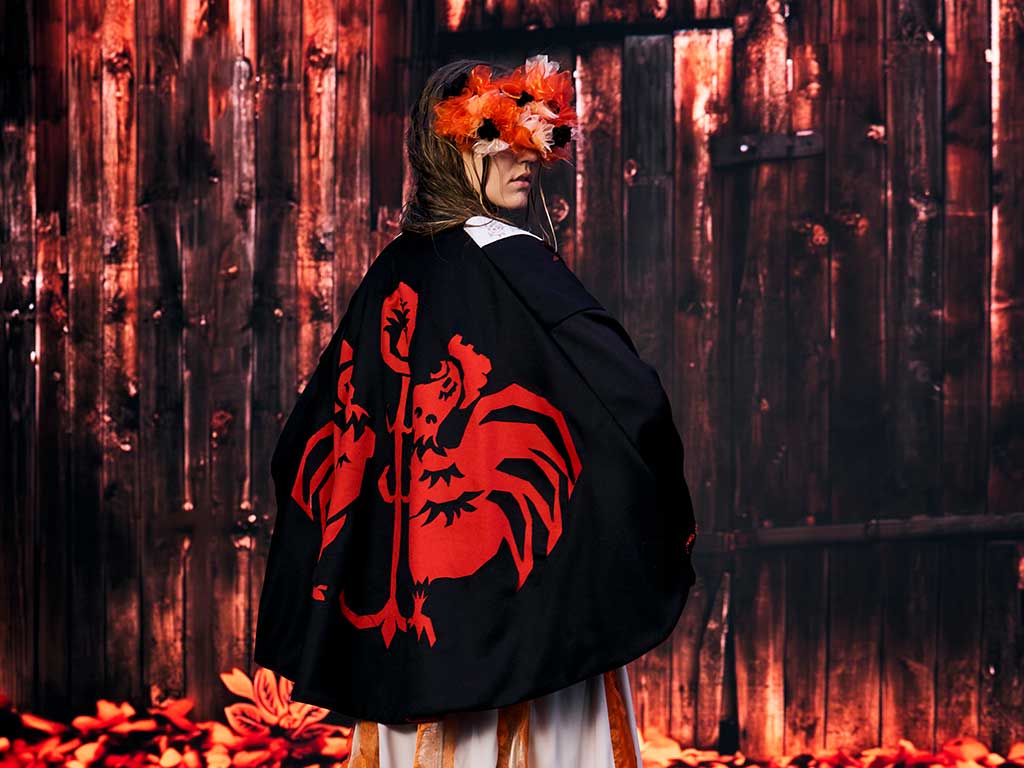
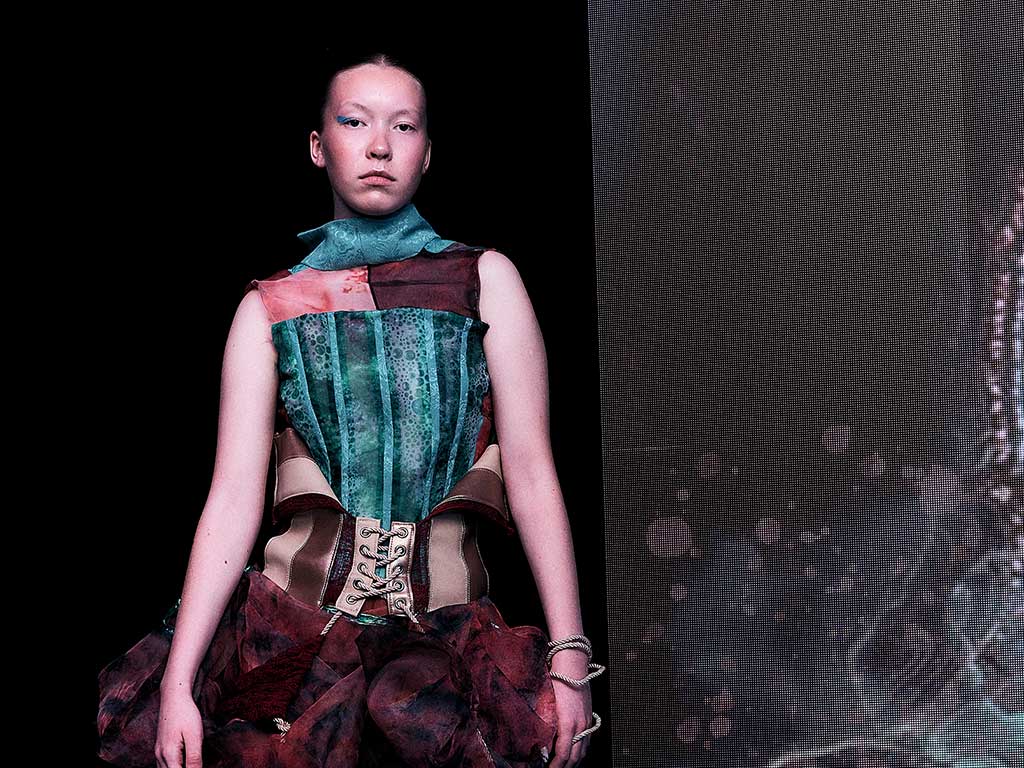
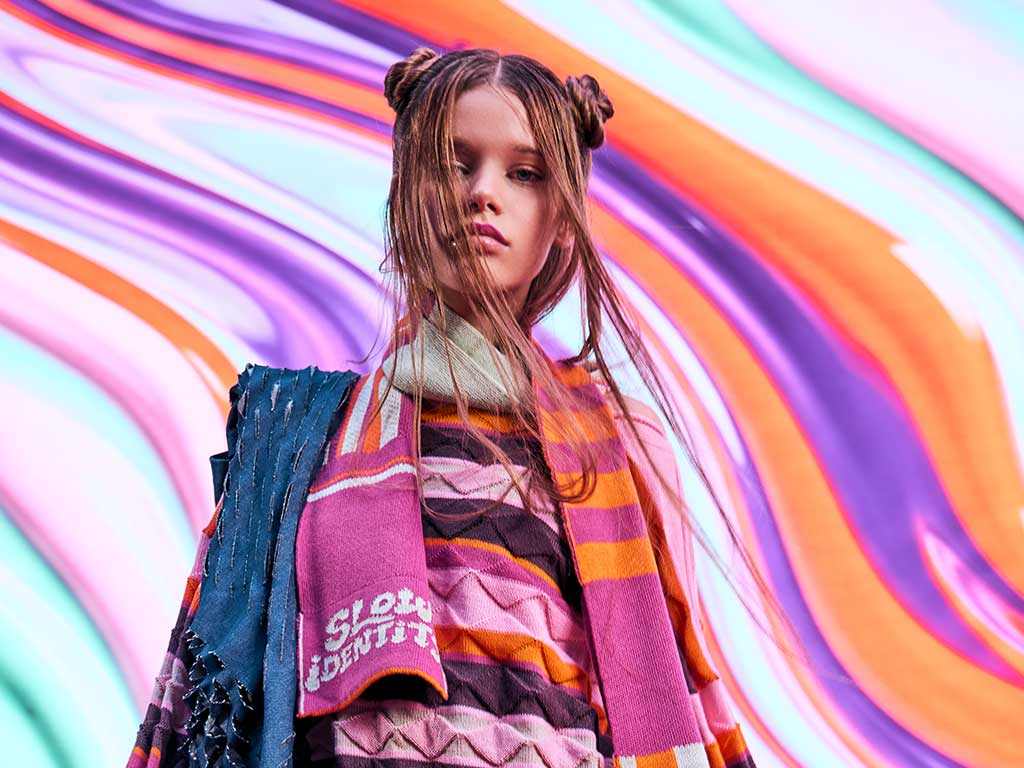
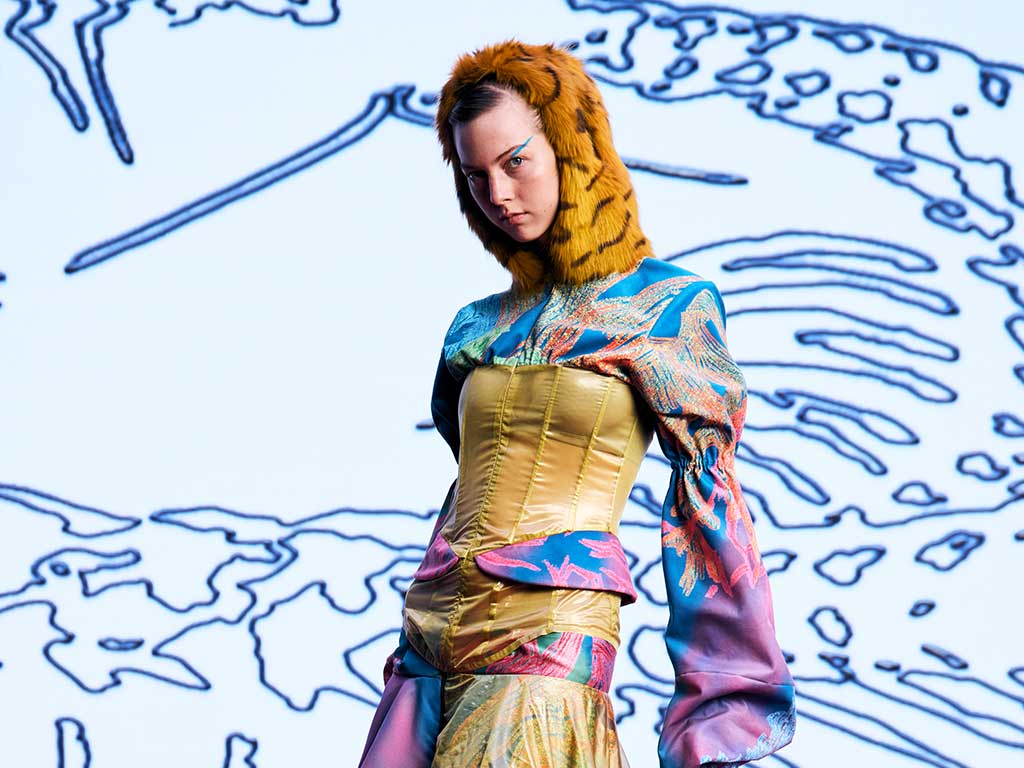
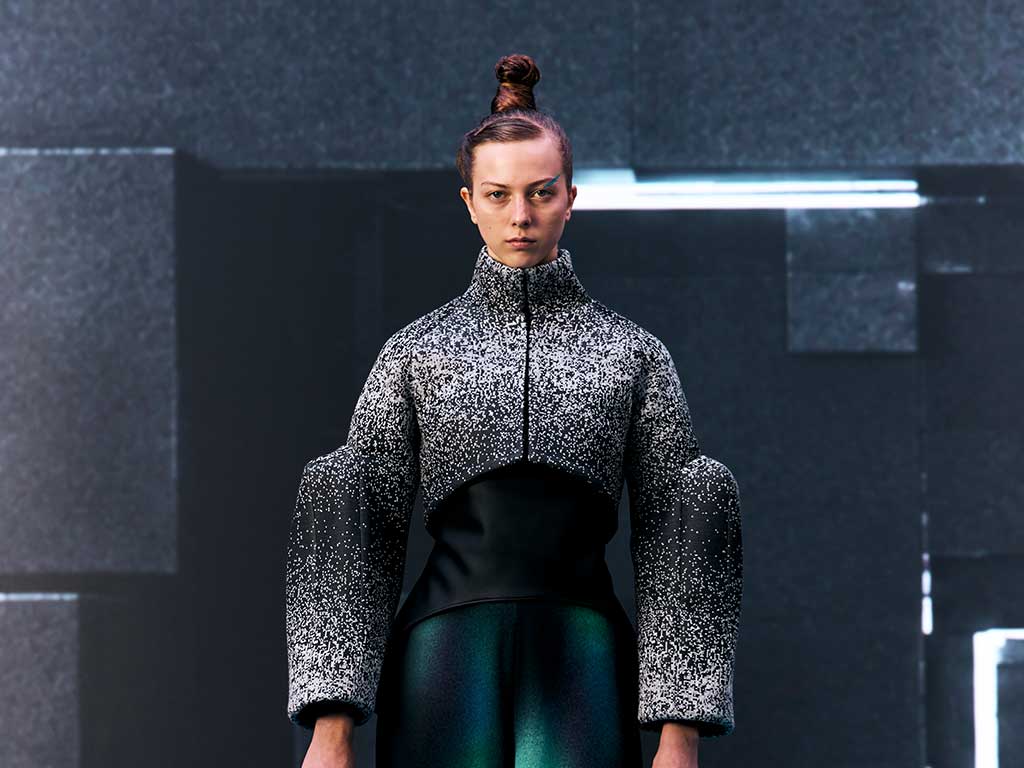
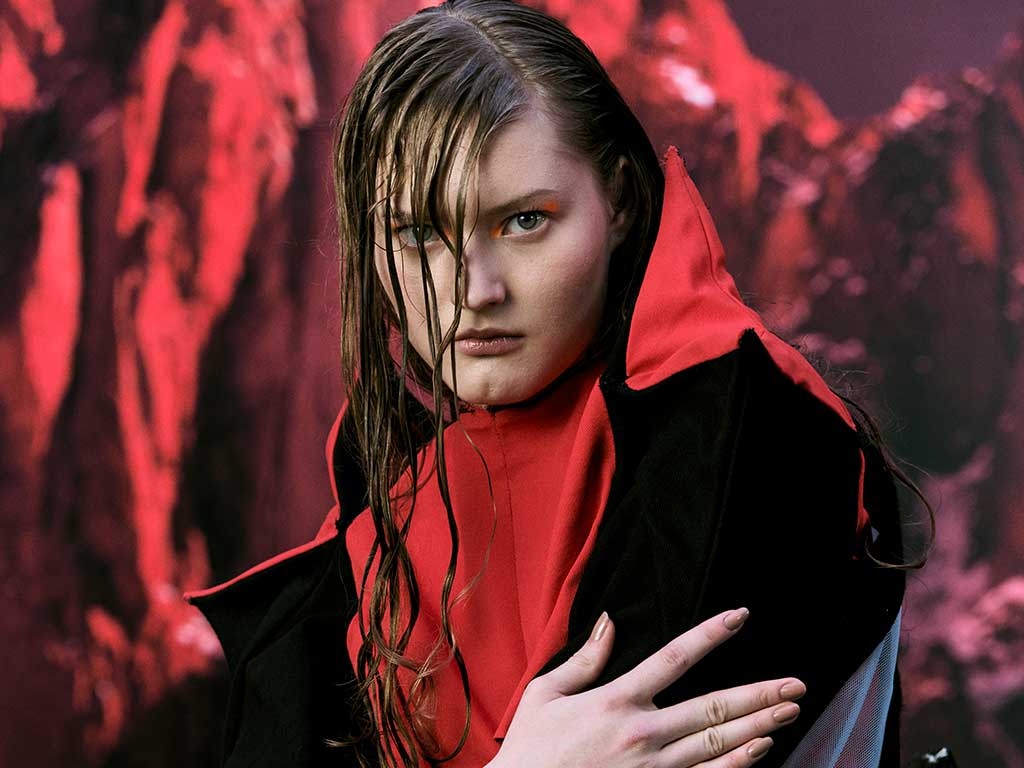
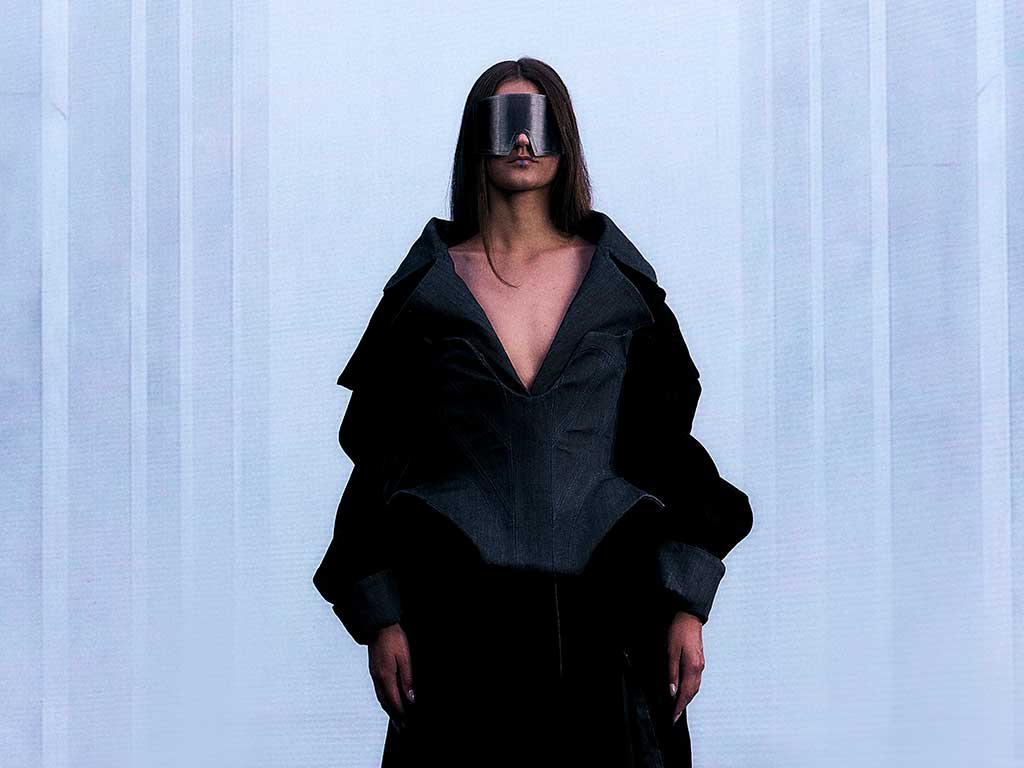
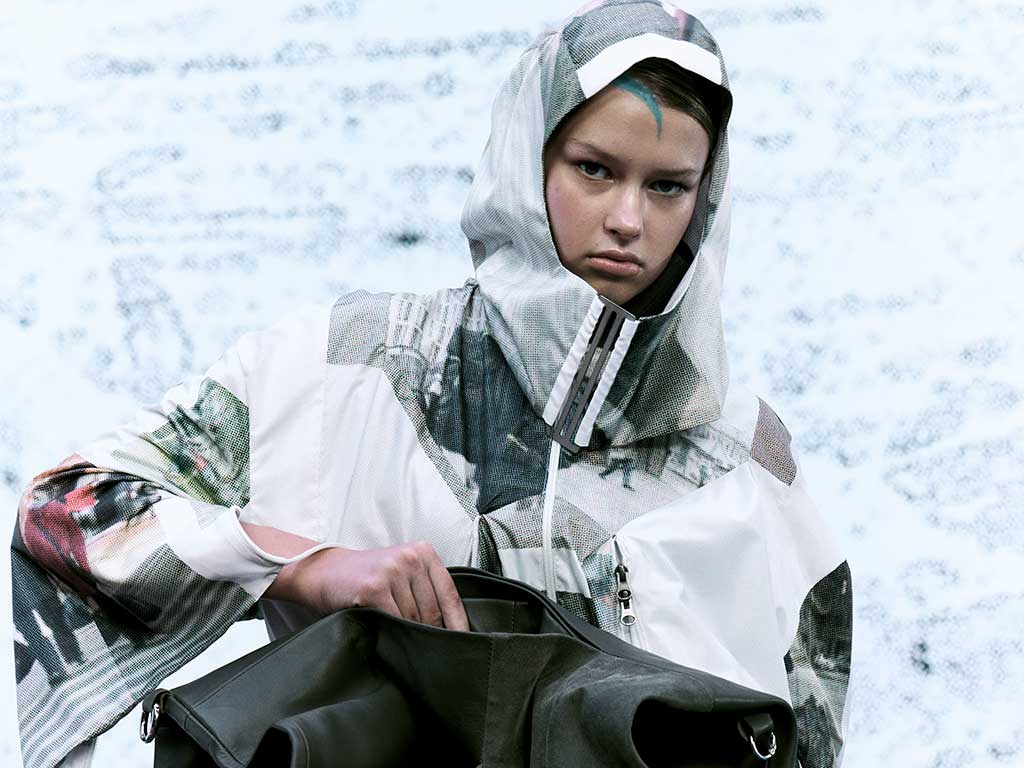
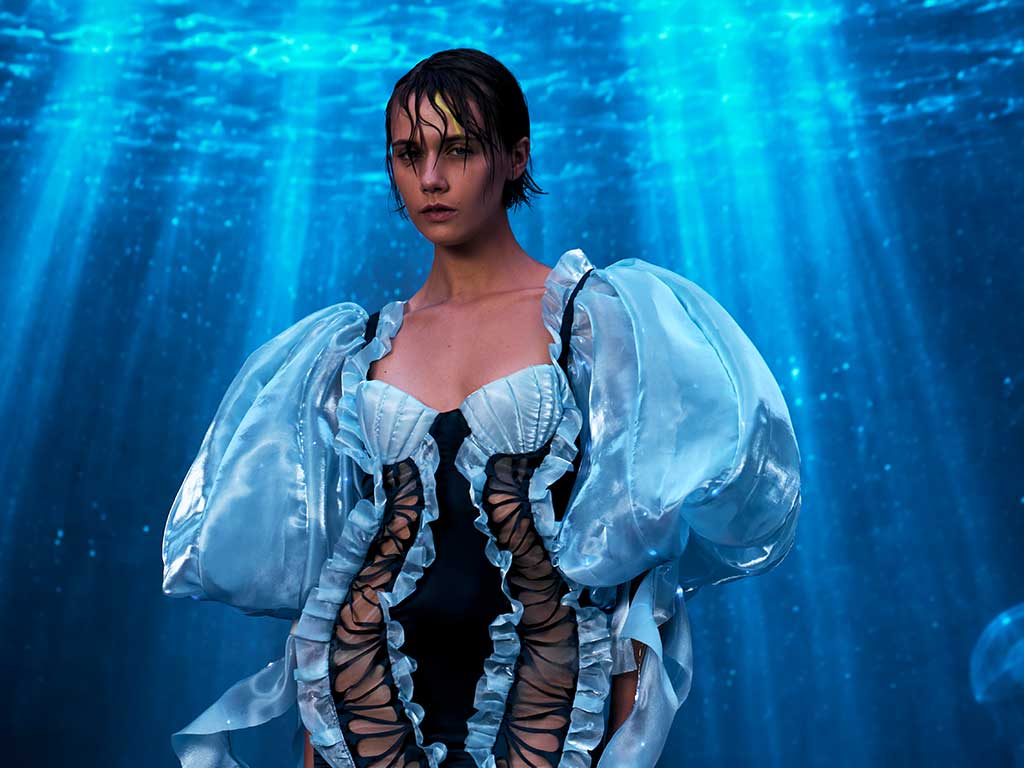
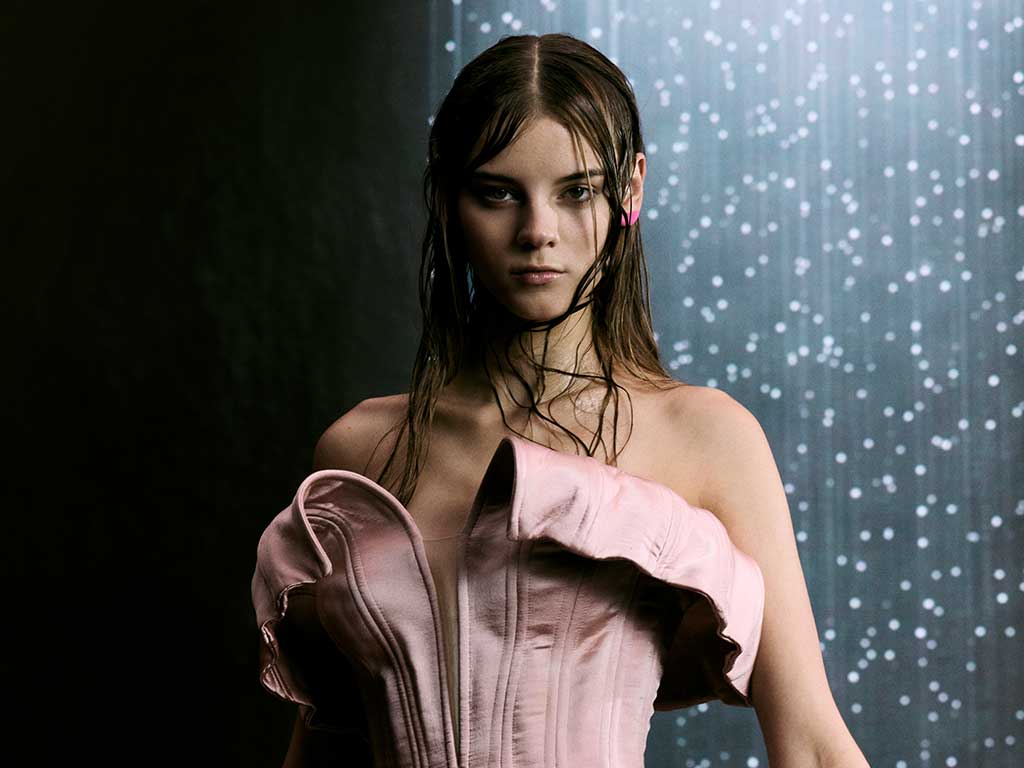
I am especially proud of how my outfit turned out in reality—particularly the quality of the craftsmanship. Ilona and Mara were a huge help here with their experience and support.
At the same time, I am very proud of the CLO3D version of my outfit. The garment was quite complex digitally. Together with Isabelle, I was able to find solutions to various problems, adjust poses and movements, and ultimately achieve a result I am very happy with.
How do you plan to proceed after the Makerspace?
I want to further develop my skills in the field of digital fashion and explore 3D technologies, AI tools, and digital design in greater depth. I am particularly interested in how various programs and technologies can be integrated to create virtual scenes, visual effects, and compelling fashion content.
At the same time, however, I want to continue honing my traditional craftsmanship and garment construction skills. I do not want to choose one path over the other; instead, I aim to combine digital innovation with traditional fashion craftsmanship.
Are there any ideas or projects you would like to develop further?
I would like to further develop my FashionTEX project, focusing especially on its visual and digital aspects. I am interested in creative video, AI tools, visual effects, and digital storytelling as ways to present fashion from a fresh perspective.
Simultaneously, I want to keep experimenting with 3D technologies and artisanal techniques, combining them with impactful visual content.
What was the greatest personal benefit you gained from your time at the Makerspace?
For me, it was the combination of personal and professional growth. I acquired new technical skills and gained confidence in my own ideas, all while meeting people from many different countries. It was precisely this international exchange and the collaborative creative work that made the experience unforgettable for me.
I would recommend the FashionTEX Makerspace without hesitation. Despite a few stressful moments and time pressures, the overall experience was overwhelmingly positive. It was one of the most formative experiences of my life.
Photo Credits: Miks Uzans Photography