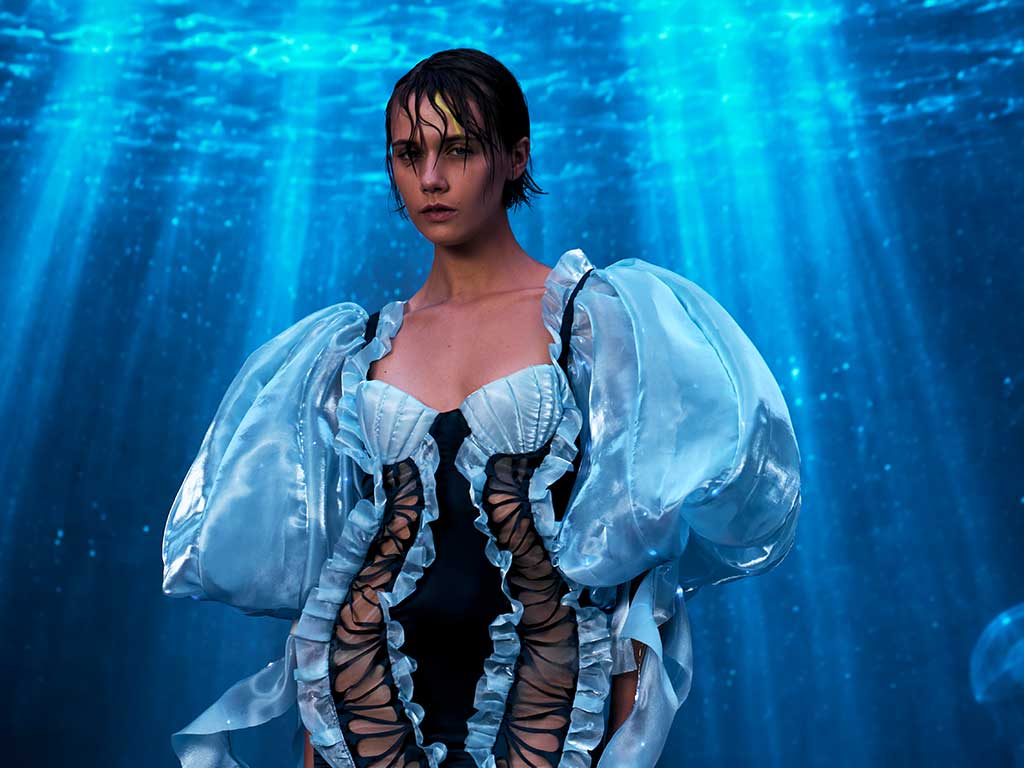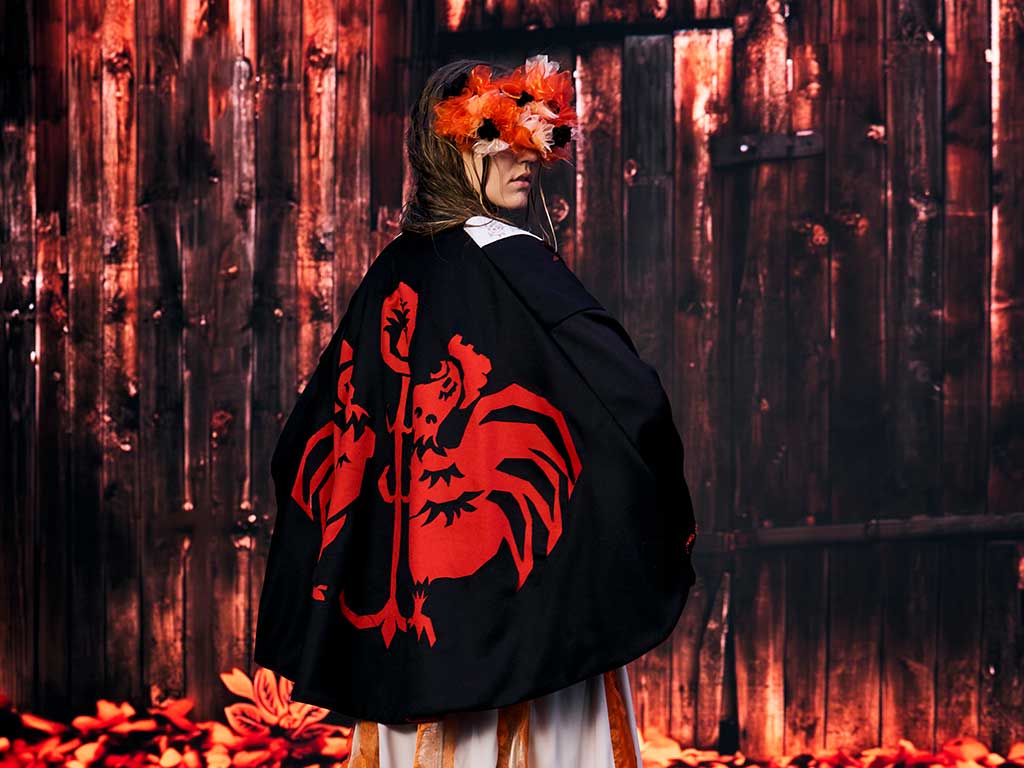
CLO3D, AI, and New Impulses for Digital Fashion Design – Zuzanna Russek
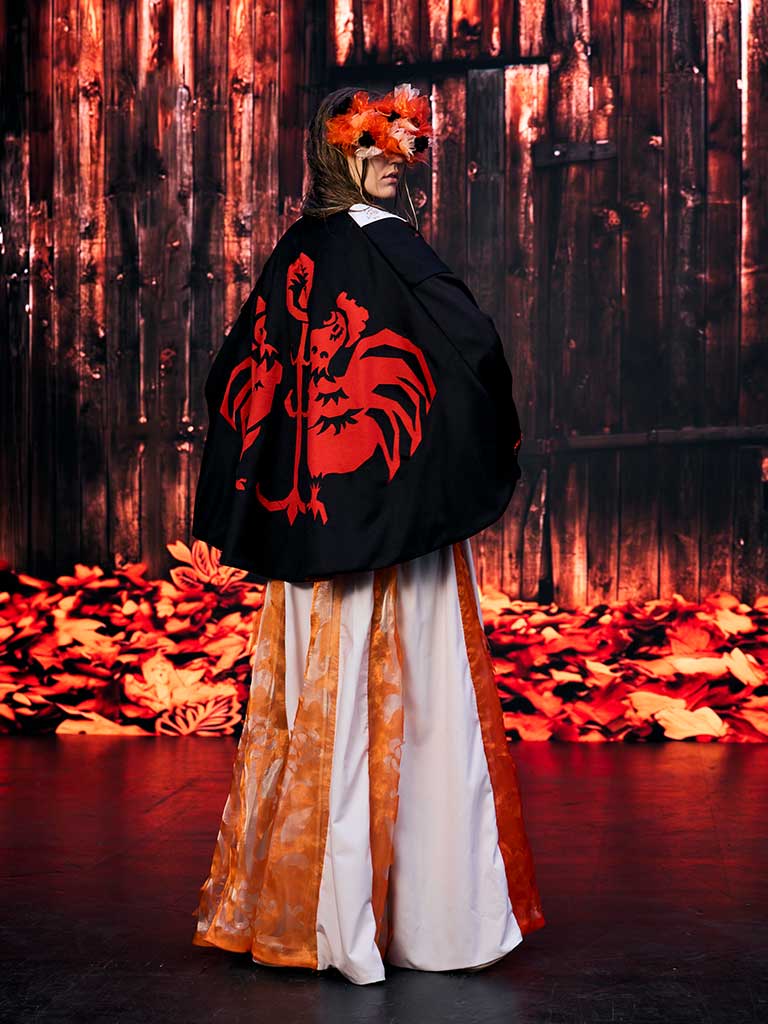
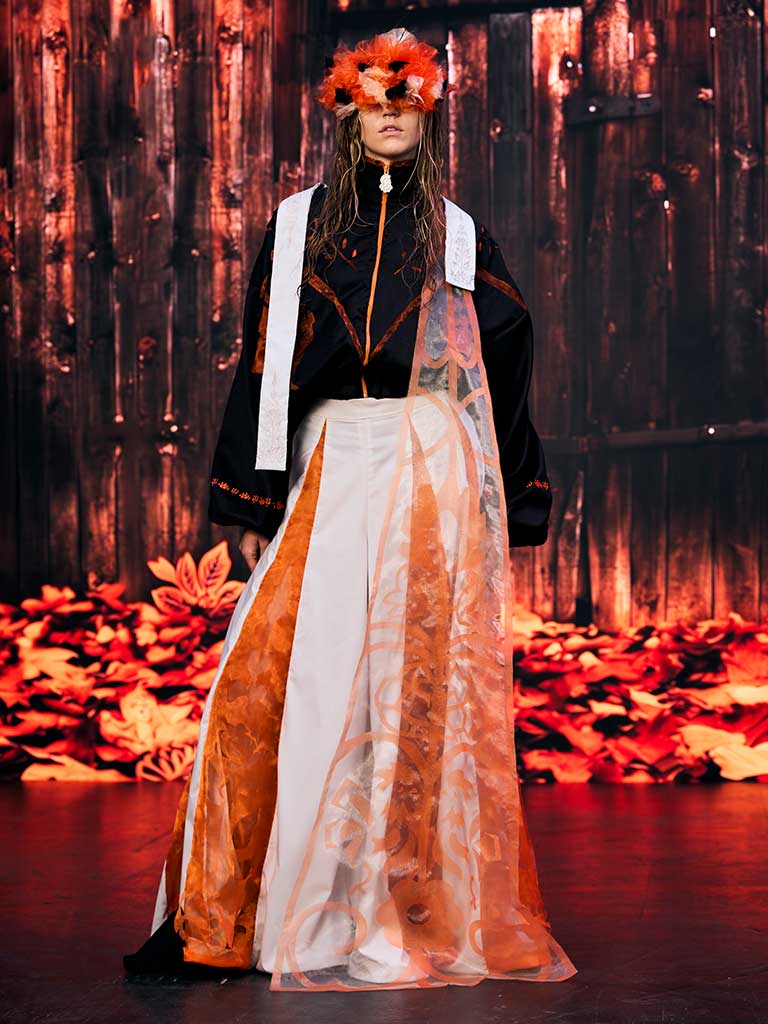
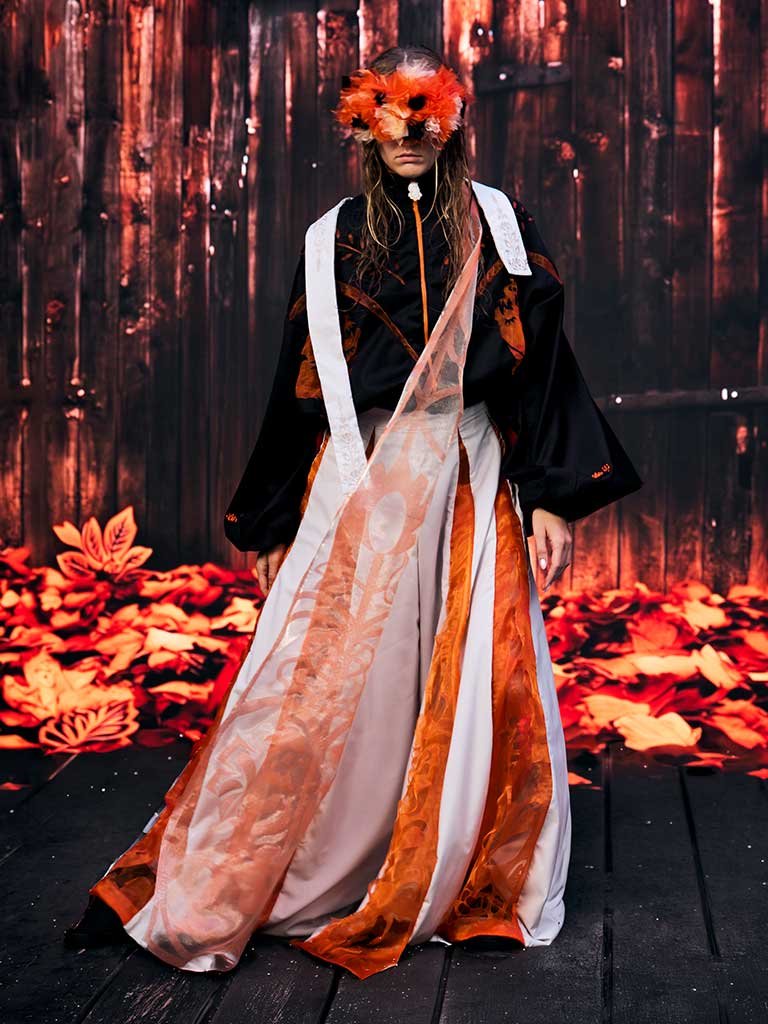
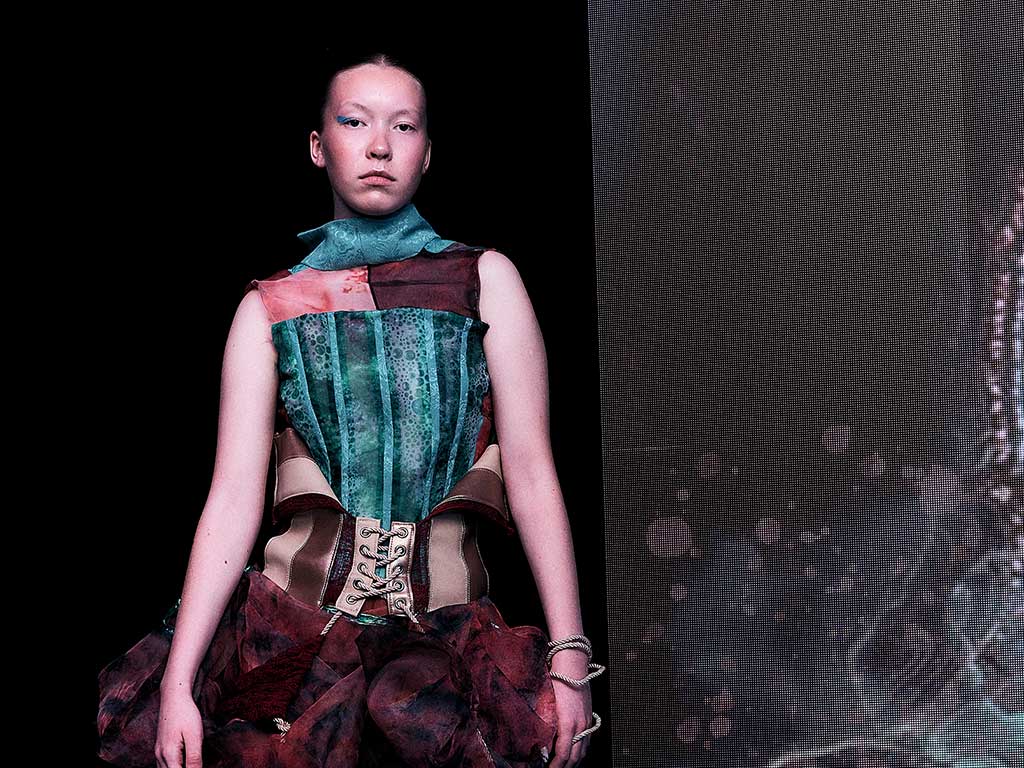
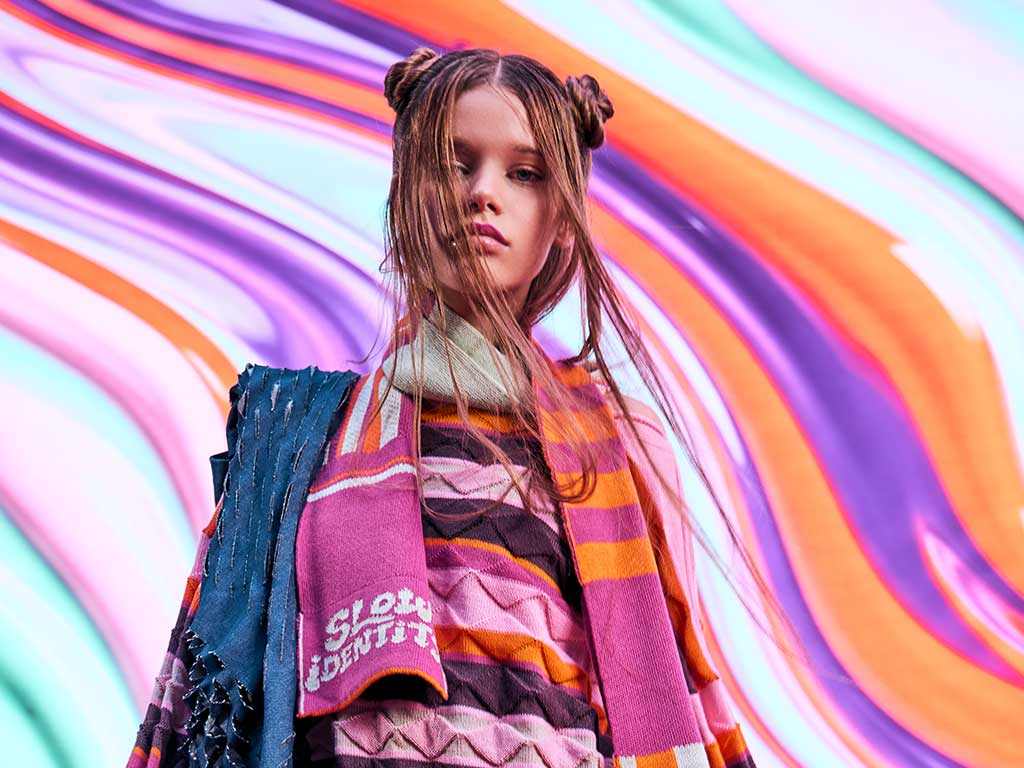
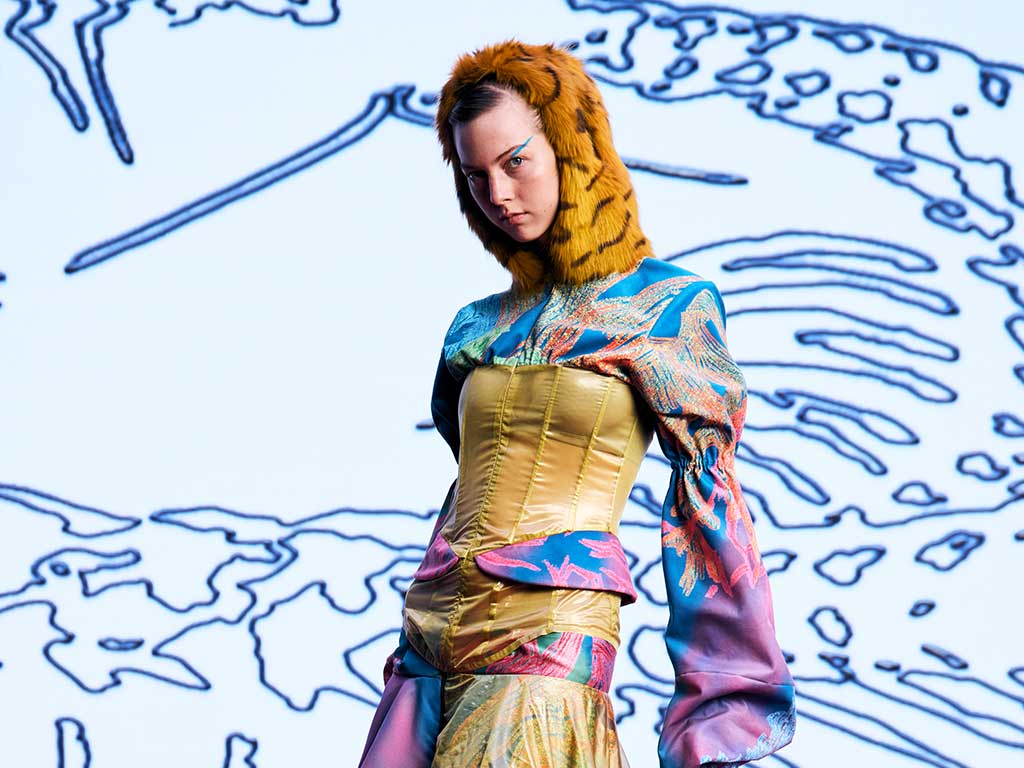
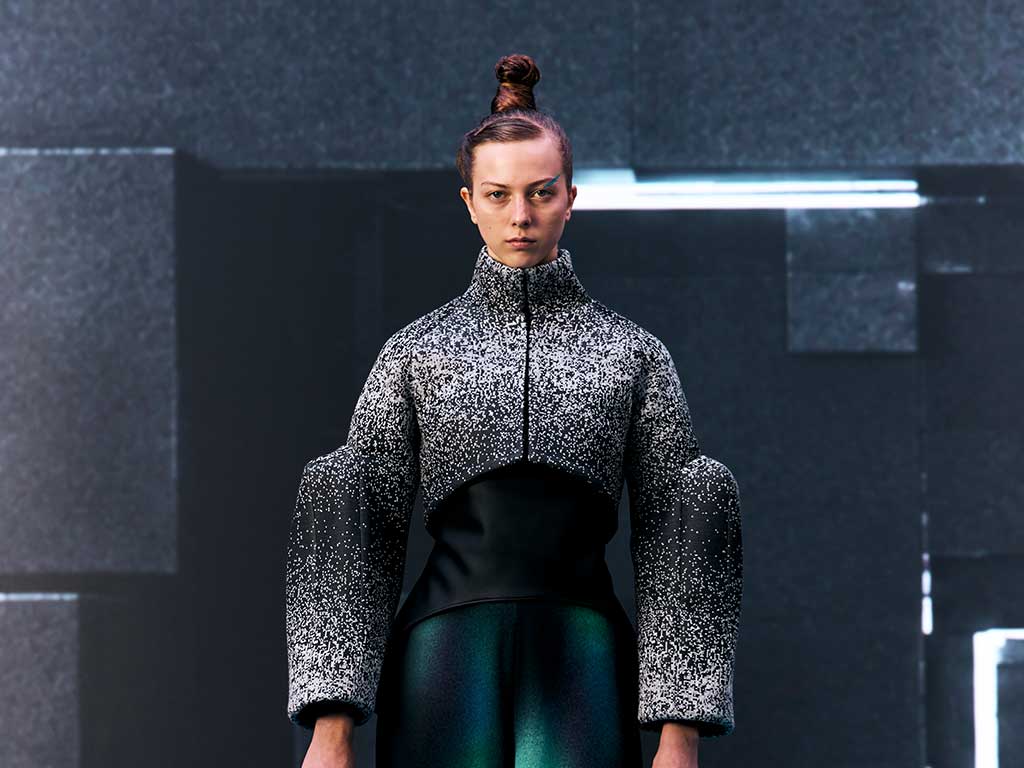
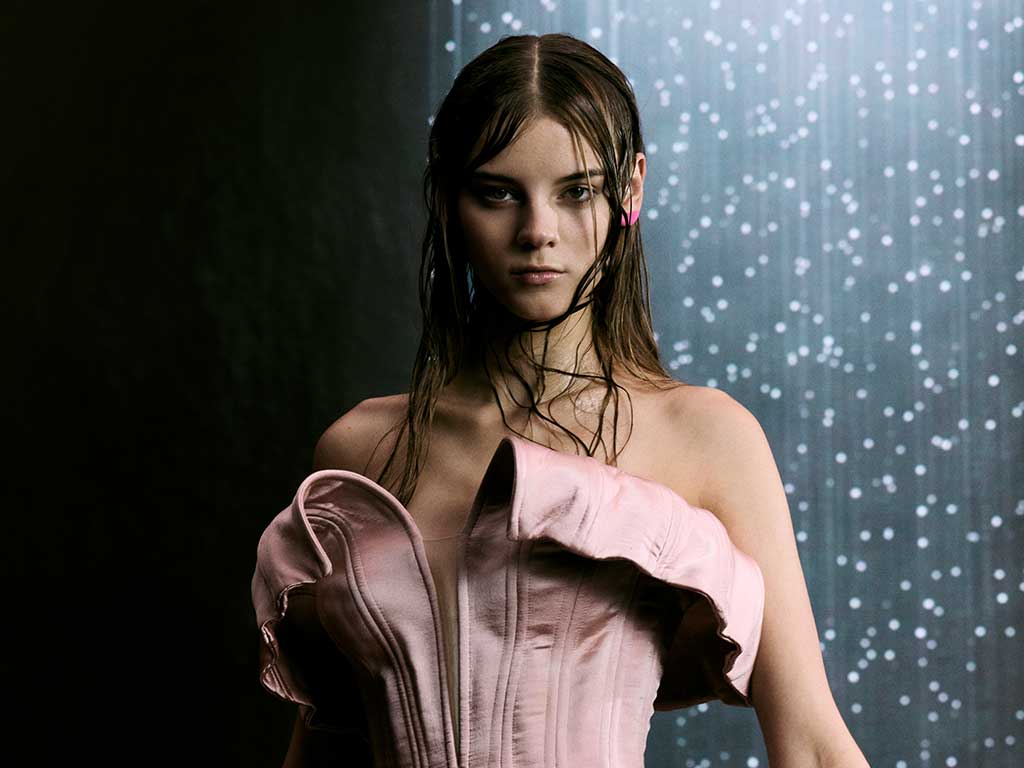
Zuzanna is a student at the Lodz University of Technology and participated in the FashionTEX Riga Makerspace 2026. During those two intensive weeks, she deepened her knowledge of CLO3D, worked with AI tools, and explored new possibilities in rapid prototyping. However, teamwork and the exchange of ideas with other international students and experts were particularly valuable to her. The experience in Riga motivated her to further expand her skills and collaborate more closely with other creatives in the future.
Zuzanna, what new skills or insights did you gain at the Makerspace?
The Makerspace helped me further develop my skills in CLO3D, teamwork, and using AI tools. I also learned a lot about rapid prototyping. The combination of digital tools, new technologies, and collaborative creative work was especially valuable to me.
Was there a specific moment when you thought, “This is a real ‘aha’ moment”?
Actually, there were moments like that in almost every workshop. I learned a lot of new things in CLO3D, such as how to use Adobe Substance 3D Sampler. Isabel also helped me with my garment, and exchanging ideas with other participants on how to implement certain concepts in CLO3D was very helpful.
I also discovered new things regarding Gemini and rapid prototyping. For instance, I hadn’t realized before that using different nozzle sizes in 3D printing could help achieve more detailed results with smaller objects.
Did you make new contacts with other students or universities at the Makerspace?
Yes, absolutely. I was really impressed by the other participants and am very happy that I got to meet them and spend such a great time together.
What was the biggest personal challenge you faced while working in the Makerspace, and how did you overcome it?
I can’t actually recall any major challenge that I had to tackle alone. Whenever I needed help, I could turn to the right person and get support. That made it possible to solve problems quickly.
What key insights did you gain while working on your avatar or outfit?
Substance 3D Sampler was particularly important for me. Before this, I hadn’t really thought about the significance of textures for a digital garment. Now I see just how much textures can transform the impact of a design.
Was there a moment that particularly surprised or inspired you in a positive way?
I was especially inspired by the people in the Makerspace—the other participants as well as the experts and instructors. They’ve motivated me even more to expand my skills and, above all, to keep learning CLO3D.
Which technical tools did you work with the most—and what did you learn from using them?
I worked extensively with AI tools. I learned that prompting relies heavily on trial and error—experimenting, adjusting, and testing again. You often have to tweak a prompt multiple times to get the desired result.
Which outcome of your work at the Riga Makerspace are you most proud of?
I am particularly proud of the knowledge I gained during the Makerspace. For me, it’s not just about a single finished product; it’s about what I can take away from these two weeks for my future work.
How do you plan to proceed after the Makerspace?
I want to learn even more about CLO3D and collaborate more closely with others. The Makerspace showed me how valuable it is to develop my skills through exchanging ideas with other people.
Are there any ideas or projects you would like to develop further?
At the moment, there is no specific project I want to take further. First, I would like to deepen the new knowledge and experience I gained in Riga.
What was the greatest personal benefit you derived from your time at the Makerspace?
Zuzanna highlights the significant development of her own skills as a key benefit. She describes the two weeks in Riga as an experience that opened her eyes to new possibilities, noting that she feels her skills advanced tremendously during that short period.
For this reason, Zuzanna would recommend the FashionTEX Makerspace to others. She speaks particularly positively about the briefings. She also suggests making the project budget transparent for future editions.
Photo Credits: Miks Uzans Photography