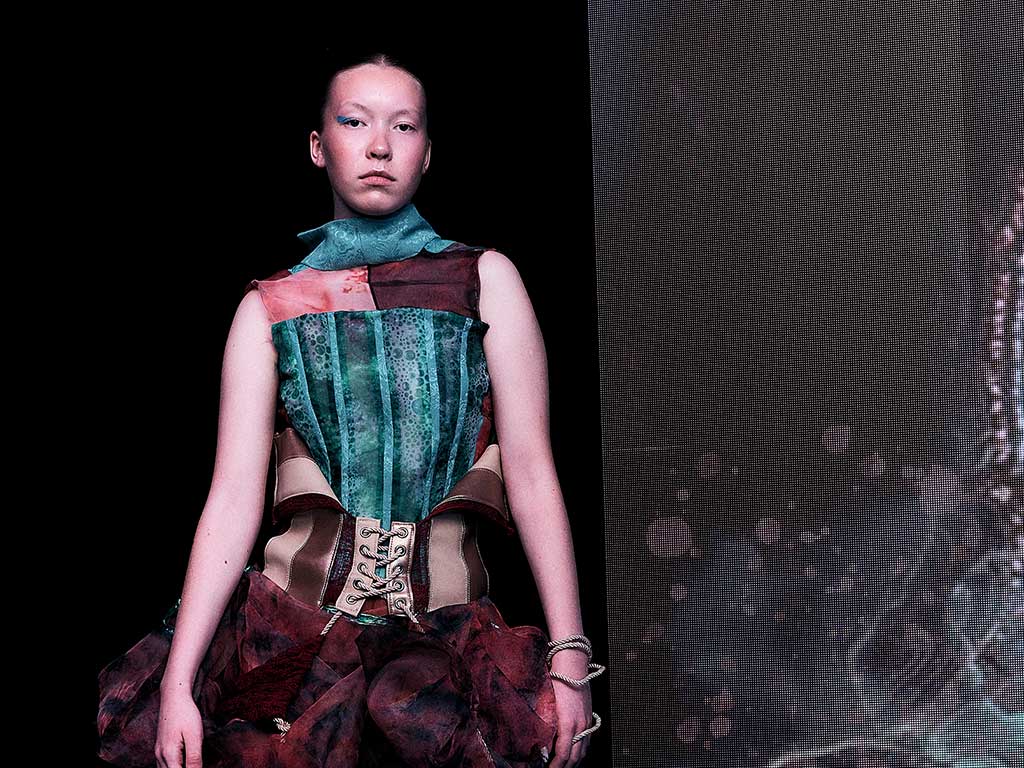
New perspectives, CLO3D, and creative freedom – Tiago Soares Vieira
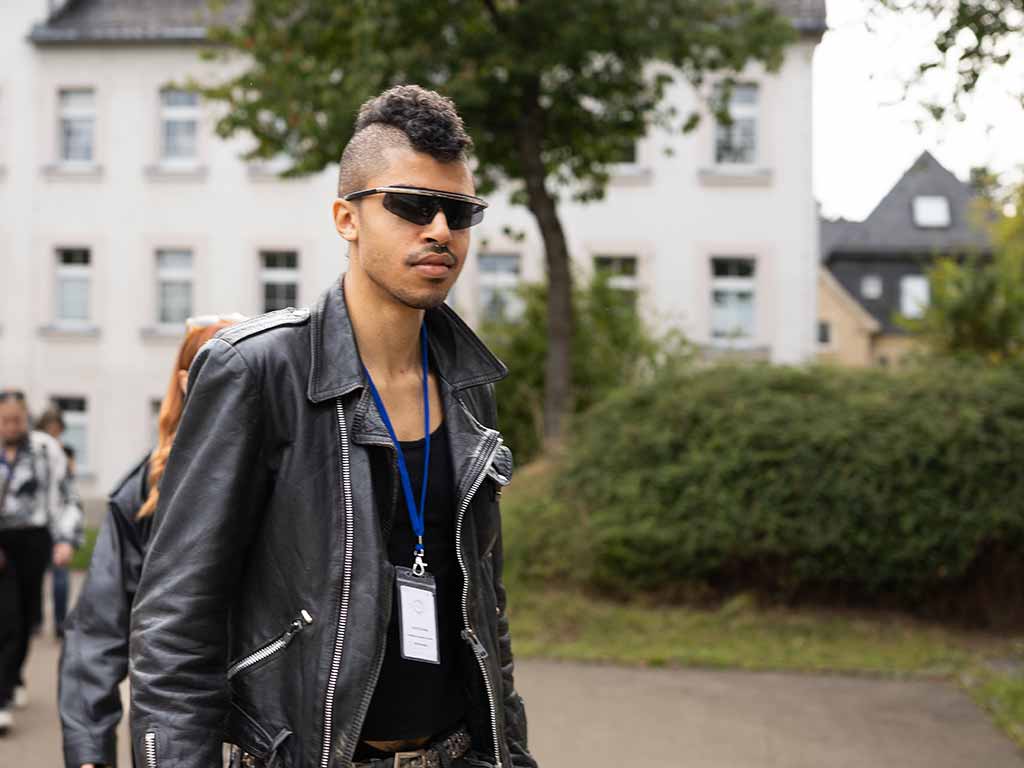
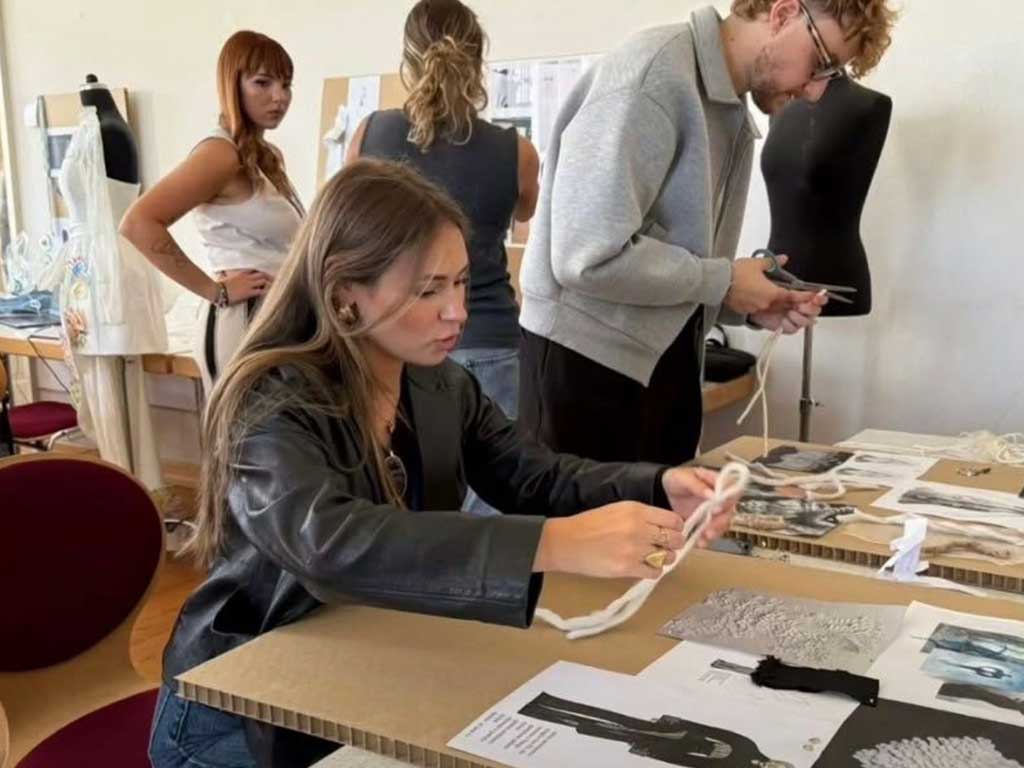
Tiago Vieira is a student at the University of Lisbon and participated in the FashionTEX Riga Makerspace 2026. For him, these two intensive weeks opened up a new perspective on the technical and creative possibilities within fashion design. He was particularly impressed by the Makerspace’s facilities, the capabilities of CLO3D and the Kniterate digital knitting machine, and the exchange with students from various countries. The experience motivated him to step further out of his comfort zone in the future and to let existing possibilities and technical limitations constrain his designs less.
Tiago, what new skills or insights did you gain at the Makerspace?
The Makerspace really opened my eyes to new ways of working. I saw just how many different possibilities exist in fashion design today. The work of the other students also showed me the diverse approaches one can take toward design and creative processes.
Was there a specific moment when you thought, “This is a real ‘aha’ moment”?
Yes, actually right at the beginning, when we first entered the Makerspace and the university. I was impressed by the array of machines, the various workshops, the layout of the spaces, and the technical equipment.
I was particularly struck by the computers, which ran CLO3D seamlessly. That was the moment I realized the scope of the possibilities available to us for our work there.
Did you make new contacts with other students or universities at the Makerspace?
Yes. I was able to connect with many people and felt I built a genuine rapport with most of them. The exchange within the international group was a key part of the experience for me.
What was the biggest personal challenge for you while working at the Makerspace, and how did you overcome it?
The biggest challenge for me was simultaneously working with digital tools and planning and executing the physical garment. I would have liked to invest more time in my videos, as I had a very specific vision for them and had already shot some footage. However, due to the schedule and the photoshoot on Friday, I was unable to fully realize my original idea. It was important to me, nonetheless, to have something to present in the end.
What key insights did you gain while working on your avatar or outfit?
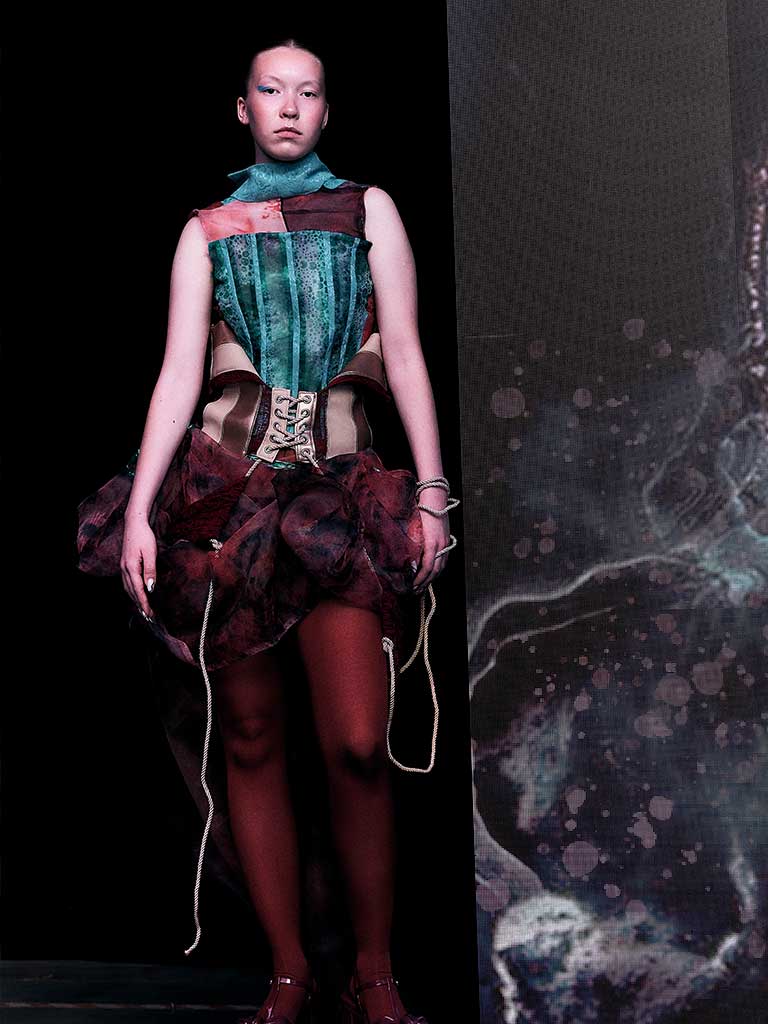
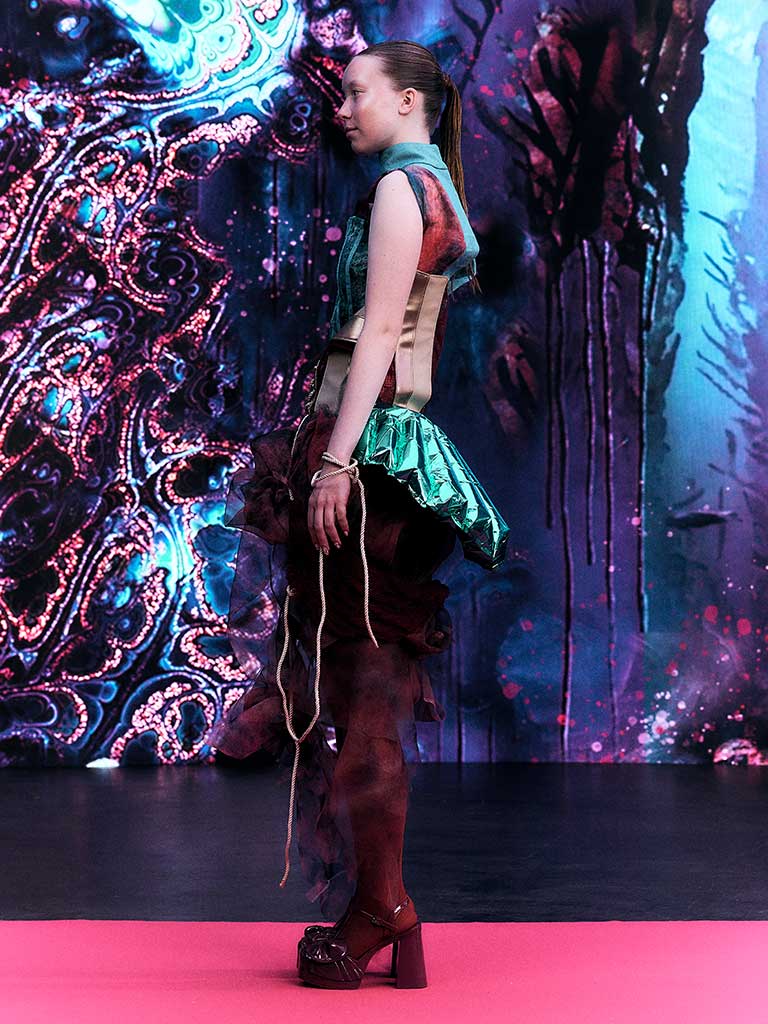
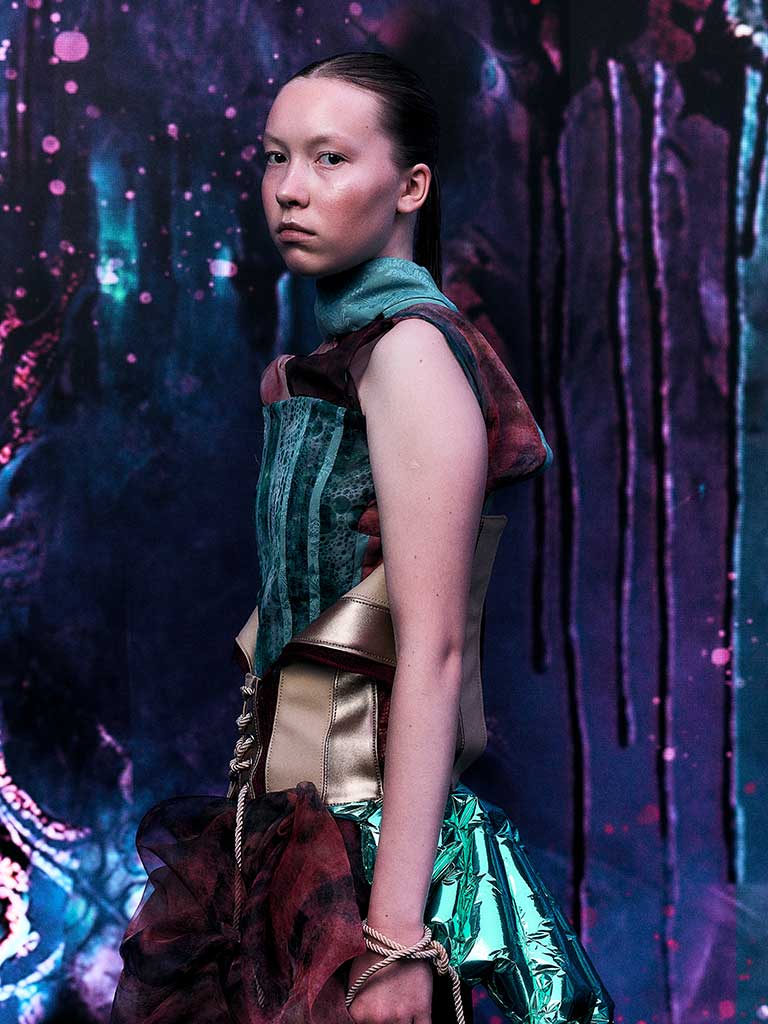
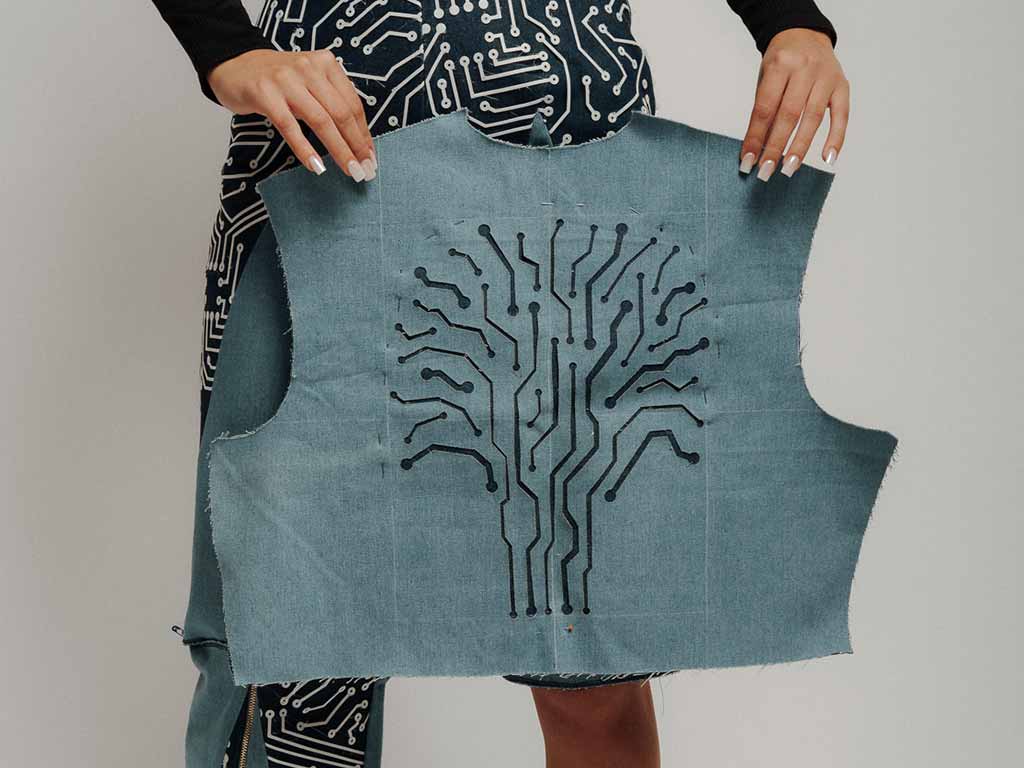
An important insight for me was that, with a garment, the overall silhouette is often more important than small details. A design can appear more interesting—and be easier to execute—if you focus more on the shape and a larger silhouette, rather than getting too caught up in individual details.
Was there a moment that particularly surprised or inspired you?
I was especially impressed by the Kniterate machine. I wish we had a machine like that at my university, too.
It was exciting to see the possibilities it offers. At the same time, I found it inspiring to observe the results from the other workshops. Working with a heat press was also an interesting experience for me.
Which technical tools did you work with the most, and what did you learn from using them?
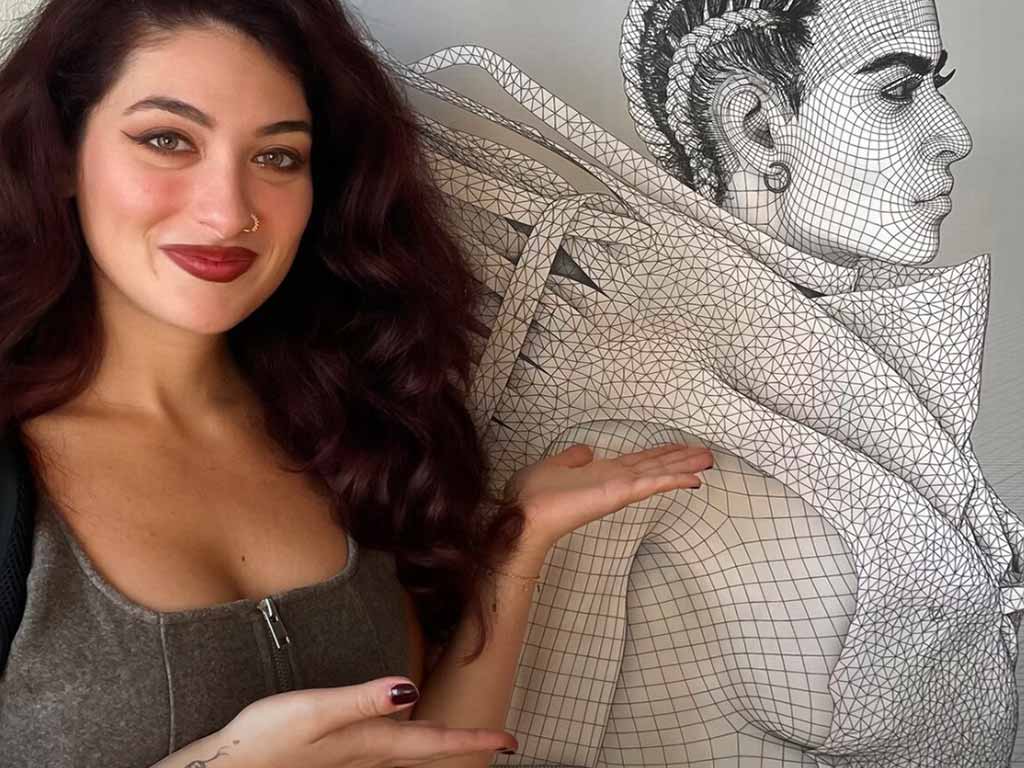
I worked primarily with CLO3D. The program was a key tool for me during the Makerspace and opened up new possibilities for the digital development and visualization of my designs.
Which result of your work at the Riga Makerspace are you particularly proud of?
Tiago Vieira does not cite a single, specific result in his assessment. However, it is clear that working with CLO3D, developing his garment, and exploring new technical possibilities were key components of his experience.
How do you plan to proceed after the Makerspace?
I want to try to step further out of my comfort zone and not let myself be limited by what is currently available to me. I want to find new paths myself and create my own opportunities.
Are there any ideas or projects you would like to develop further?
Yes. I want to continue working on my garments and collections. I notice that a design improves with every subsequent stage of development. That is why I don’t want to consider ideas finished too early, but rather continue to develop and refine them.
What was the greatest personal benefit you gained from your time at the Makerspace?
My greatest personal gain was my creativity. Even while I was at the Makerspace, I started thinking about new work and new projects. So, the experience didn’t just influence my current project; it also sparked new ideas. Tiago would recommend the FashionTEX Makerspace, particularly for the opportunity to collaborate with people from other cultures and gain insight into different perspectives. For future makerspaces, he would like to see earlier and clearer communication regarding the schedule. He found the experts in the digital field to be especially helpful.
Photo Credits: Miks Uzans Photography