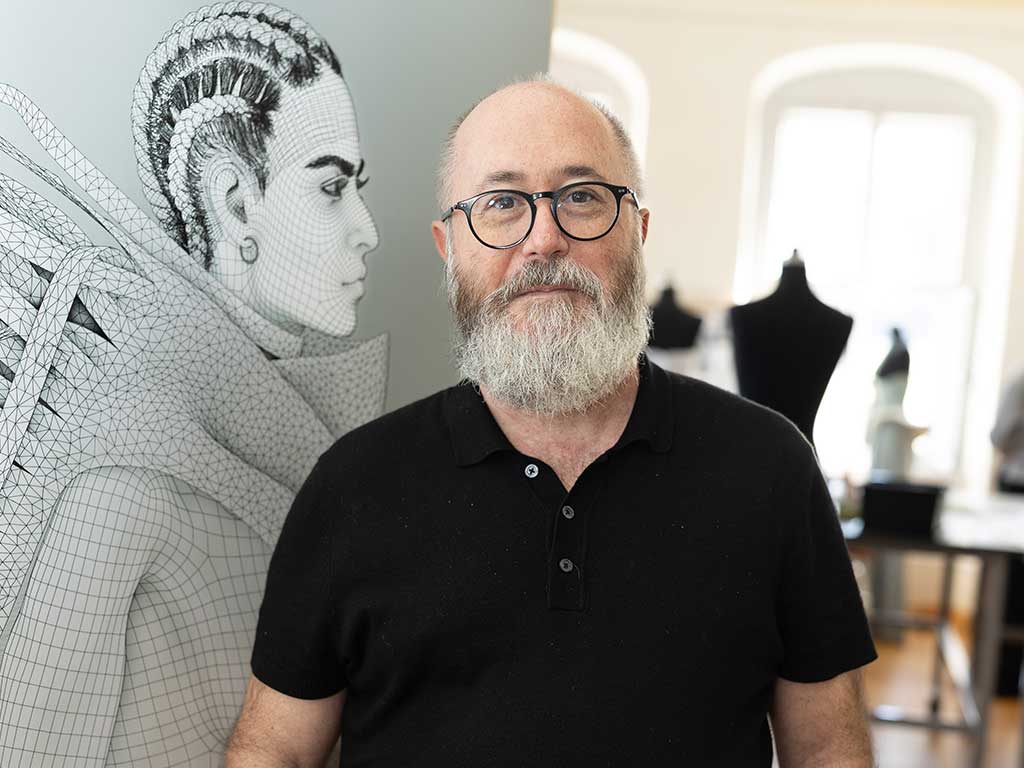
Fashion Is More Than Clothing It Tells Stories – An Interview with Isabelle Udo
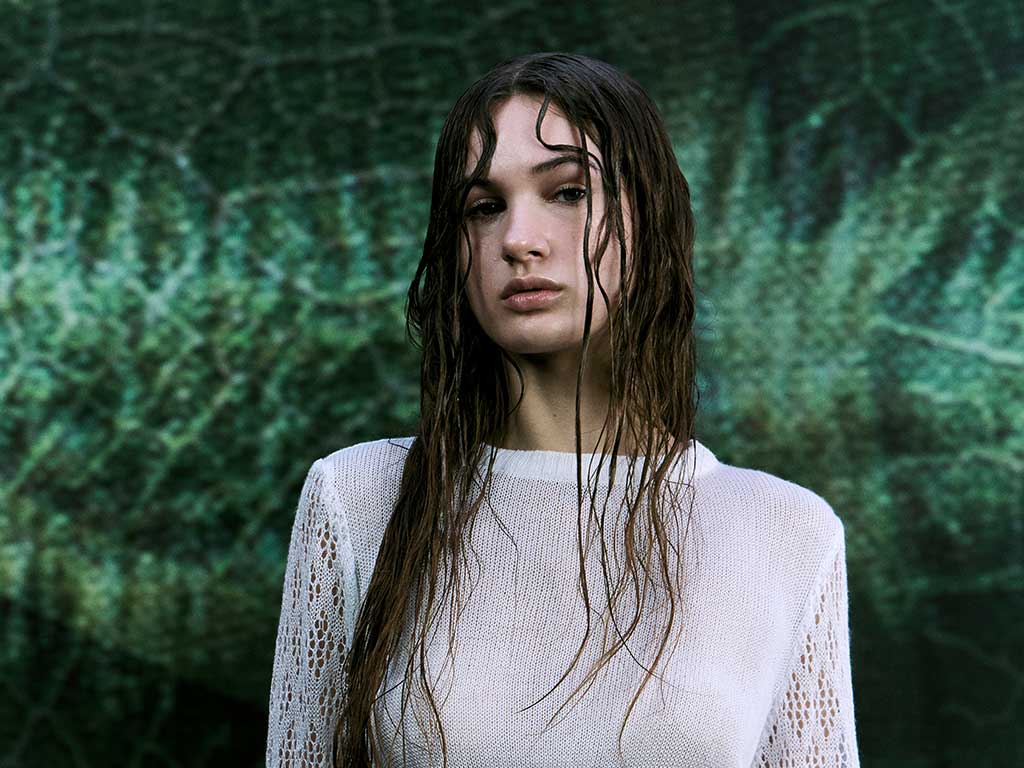
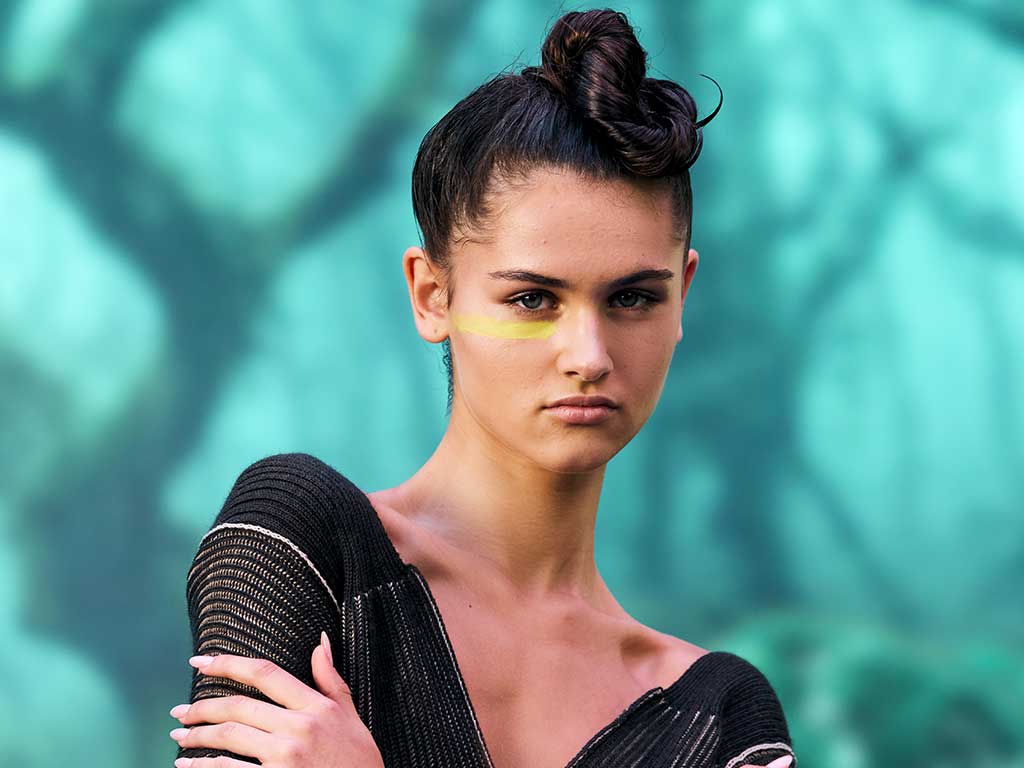
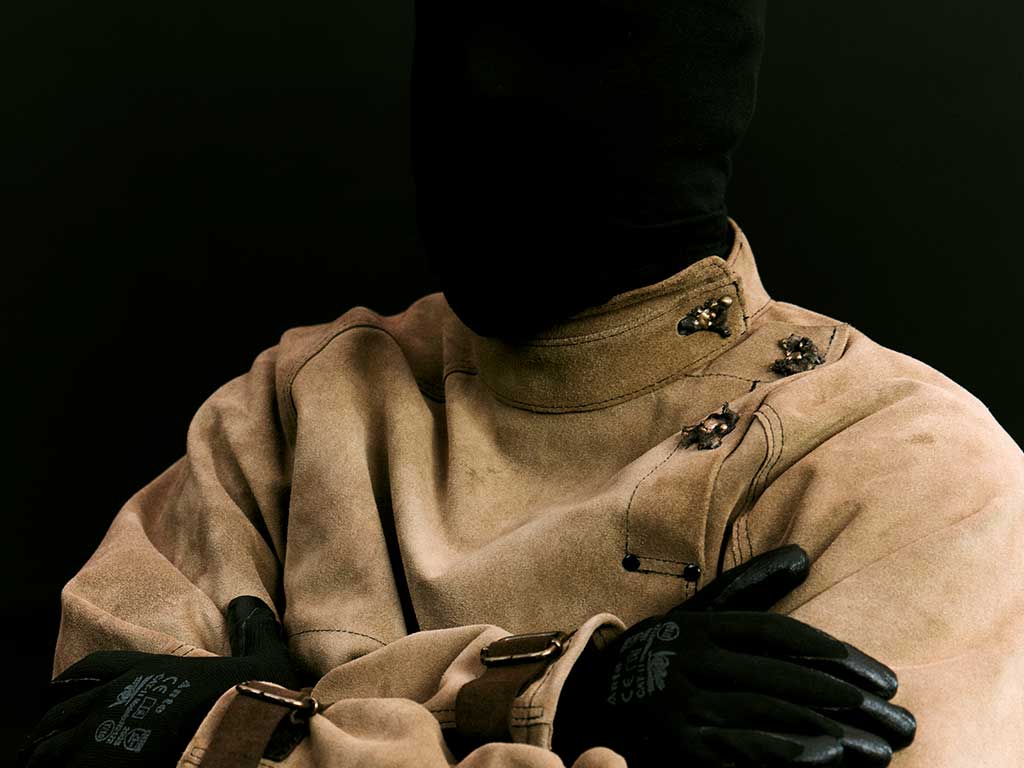
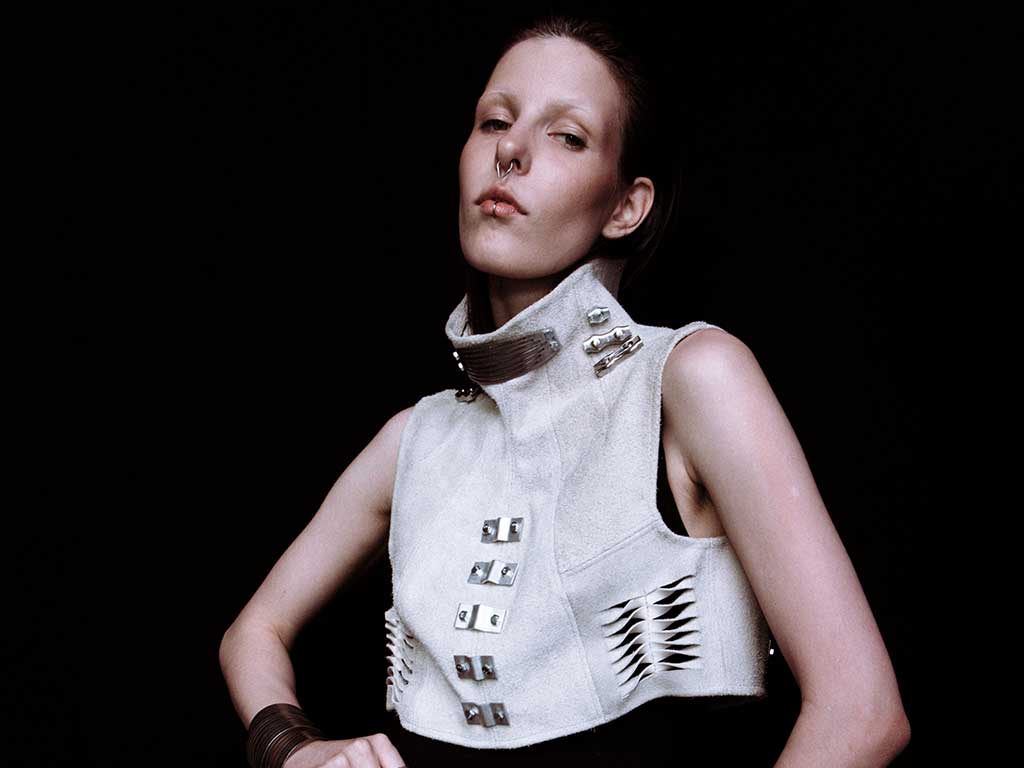
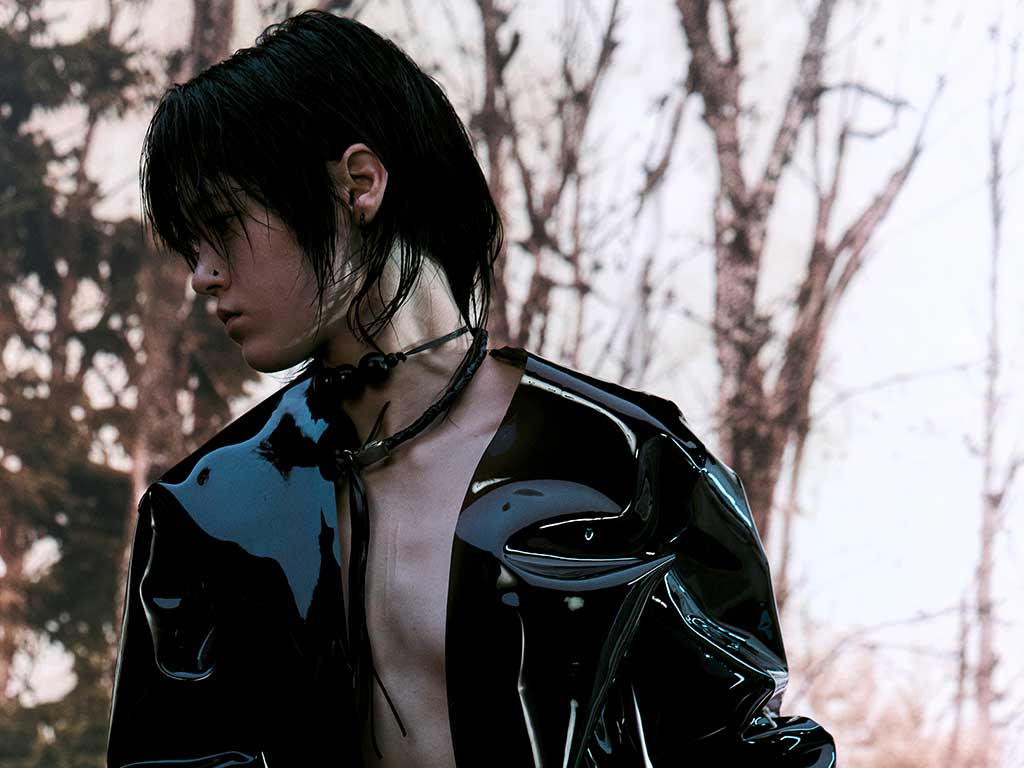
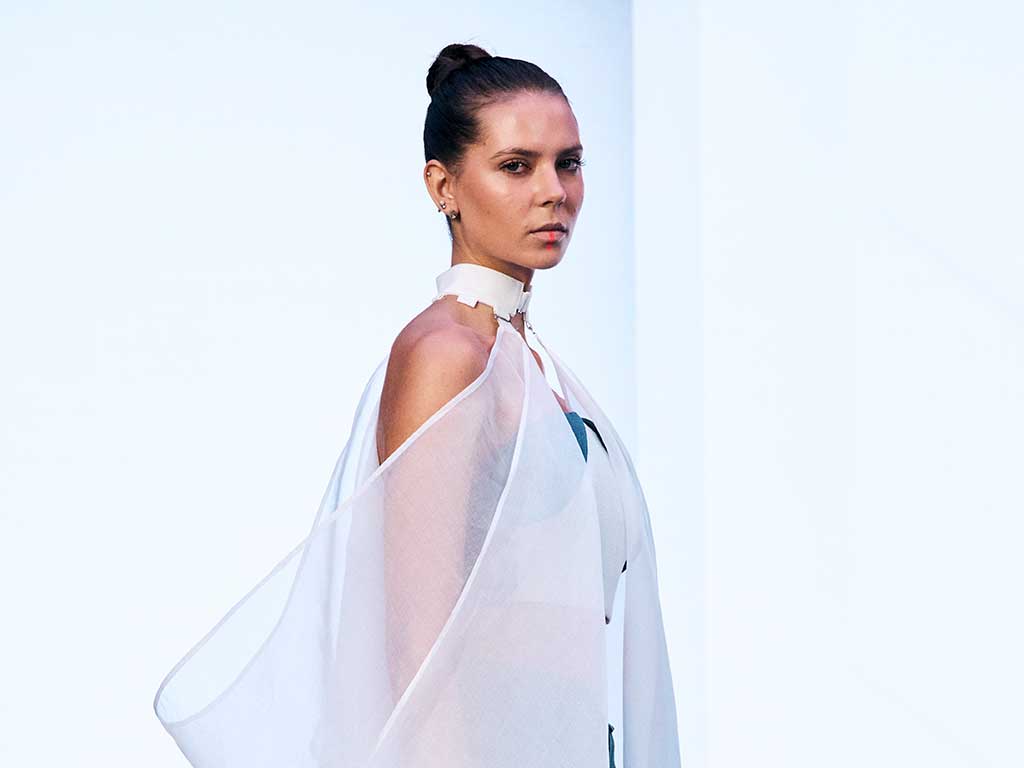
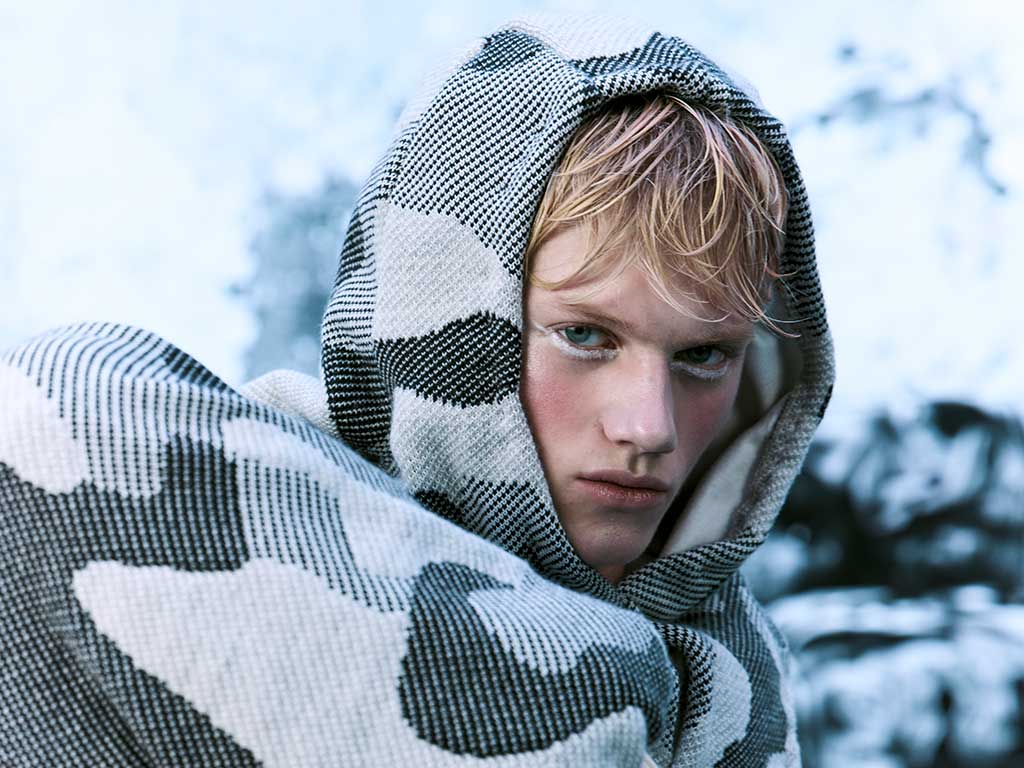
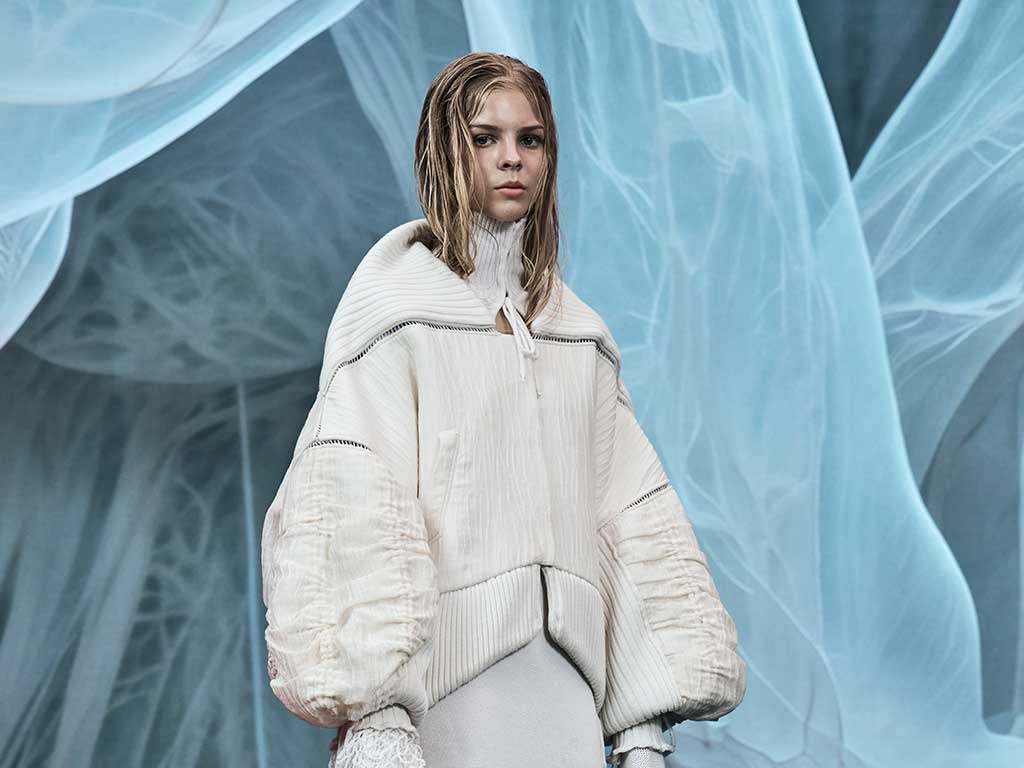
A fashion show where garments do more than walk down the runway – they become part of immersive digital worlds. At the FashionTEX Festival 2026 in Riga, fashion was transformed into a multimedia experience. Behind this concept is Amsterdam-based digital artist and creative technologist Isabelle Udo. With her project “Future Front Row”, she brings together fashion, film, animation and artificial intelligence. In this interview, she explains how a single garment can tell an entire story, why AI is not automatically creative, and why sometimes the most important decision is knowing what to leave out.
Isabelle, you created an extraordinary digital fashion show with “Future Front Row”. What is the idea behind it?
Isabelle Udo: With “Future Front Row”, we bring physical fashion and digital worlds together. The students first design and create their garments using traditional methods. These are then translated into digital form and brought together in a single show.
In 2025, we presented our first holographic runway in Amsterdam. In Riga, the concept evolved into a large-scale production on an LED stage. What fascinates me is how moving images and digital technologies can completely transform the way we experience fashion.
Alongside this project, I work with my studio VideOrbit on interactive media, experimental films and creative direction.
At the Makerspace in Riga, you mentored students in video editing and storytelling. How do you turn a garment into a film?
Isabelle Udo: By first understanding the story behind it. Each student was asked to develop their own visual universe, one that complements the garment or tells its story.
We started with mood boards and storyboards before touching any video footage. From there, we worked on selecting images, editing, rhythm, colour, sound and animation. We also experimented with AI-assisted tools.
The garment was always the starting point. The editing process was where the world around it took shape.
Today, artificial intelligence can generate spectacular images in seconds. Do we still need creative minds?
Isabelle Udo: More than ever! Today, we can generate an almost unlimited number of images, videos and visual variations. But just because something is technically possible doesn’t mean it’s good. The real creative skill lies in making decisions: What fits my story? Which images do I actually need? And what should I leave out?
AI can produce an incredible amount of content. But it has no original thoughts of its own. The creative vision must come from a human being.
What impressed you most about the students in Riga?
Isabelle Udo: Many of them had never worked with professional video editing software before. Nevertheless, they learned remarkably quickly. Some even went far beyond what was required.
It was particularly exciting to watch an entire visual universe gradually emerge from an initial idea. Most students arrived with a garment and a concept. Two weeks later, they had developed their own film sequences and a distinctive visual language.
What impressed me most was how different and personal their creative perspectives were.
Was there a particular project that stayed with you?
Isabelle Udo: Yes, Letīcija’s project. Her concept explored the idea of being on the move, movement and change. Both the garment and the visual story reflected this theme in different ways. What I particularly liked was that the film did more than simply present the design beautifully. Through the editing, her creative vision became immediately clear. That’s exactly what matters to me: the images should support the idea, not distract from it.
Showing a garment on screen sounds relatively simple. Where do the challenges lie?
Isabelle Udo: The challenge is translating what makes a physical garment distinctive into the digital world. Fabrics have texture, weight and a particular way of moving. All of that needs to remain perceptible on screen. Framing, pace and colour determine what the audience actually notices. Many people initially want to show everything. But the real question is: What does the audience absolutely need to see? And what can we leave out?
There was a lot of experimentation at the Makerspace, including with AI. What happens when an idea doesn’t work?
Isabelle Udo: Then you have to be willing to let it go. An AI-generated image might look fantastic on its own but not work at all alongside real filmed footage.
You only discover whether something works when you see it in context. You experiment, compare, adjust and remove things again. Recognising when an idea isn’t working is an important creative skill.
Students from eleven European universities came together in Riga. How did you experience this international collaboration?
Isabelle Udo: Eleven universities also mean eleven different ideas about what a fashion film can look like and what purpose it should serve.
The most interesting moments came when students had to explain their creative decisions to someone who would have approached the same task in a completely different way.
In the international fashion industry, designers, filmmakers, editors and digital artists already work together across borders. You have to learn how to communicate your ideas clearly, consider different perspectives and develop solutions together.
Is digitalisation also changing the role of fashion designers?
Isabelle Udo: Absolutely. Today, the designer’s work doesn’t end with the finished garment. Moving images, interactive media and AI-generated content increasingly influence how a collection is perceived.
Presentation itself becomes part of the design. However, there is also a risk that technology eventually attracts more attention than the fashion itself.
That’s why it’s important to keep asking: Does the medium support my idea, or is it competing with it?
What role will artificial intelligence play in the future of the fashion industry?
Isabelle Udo: AI will have a major impact, particularly on image and video production. Content can be generated, modified and combined faster and more affordably than ever before. As a result, creative direction becomes increasingly important. The key will be to develop a distinctive visual identity and to be transparent about how images are created.
The easier it becomes to produce content, the more important taste, creative integrity and a recognisable visual signature will become.
Can digital fashion also be more sustainable?
Isabelle Udo: Digital technologies can replace certain photo shoots or physical samples, for example. At the same time, digital processes and AI applications also consume energy.
We therefore need to critically question whether a technology genuinely serves a purpose. Sustainability concerns both how fashion is produced and how it is represented.
For me, this also includes being honest about which images were created physically and which were digitally generated or altered.
What makes FashionTEX Makerspace such a special learning experience for you?
Isabelle Udo: It brings together disciplines that are often taught separately at universities. Fashion, film, video editing and emerging technologies suddenly become parts of one shared project. Students work with experts from outside their own institutions and meet young people from across Europe. I particularly value the direct exchange. Innovation often begins with a conversation. When you explain your work to others, you frequently gain a clearer understanding of what you actually want to communicate.
What makes a successful digital fashion show in your eyes?
Isabelle Udo: When the visual presentation truly communicates the creative idea. It’s not about using as many effects as possible or pushing every technology to its limits.
A strong presentation makes the designer’s creative vision visible. It creates a connection between the garment, its story and the audience.
What advice would you give young designers who want to work with AI and digital technologies?
Isabelle Udo: Never lose sight of your own vision and inspiration. Today, we can artificially generate almost any image, text or video. But these technologies are based on what already exists.No tool can replace your own ideas, intuition or personal story.
So my advice is: First, find out what you really want to tell. Only then decide which technology can help you tell that story.
And if you had to describe the FashionTEX Makerspace 2026 in three words?
Isabelle Udo: Exchange. Experimentation. Direction.
Isabelle Udo is a digital artist and creative technologist based in Amsterdam. Through her studio VideOrbit, she works with interactive media, experimental films and creative direction. She developed “Future Front Row”, a digital fashion show created in collaboration with FashionTEX, which premiered as a holographic runway show in Amsterdam in 2025 and was presented on an LED stage in Riga in 2026. At FashionTEX Makerspace 2026, she led the video editing and storytelling track and brought together the students’ visual work into a shared digital runway production.