Experimenting, networking, and reimagining digital fashion – Izidorius Liaučius
Izidorius Liaučius is a student at the Vilnius Academy of Arts and participated in the FashionTEX Riga Makerspace 2026. During these two intensive weeks, he worked with 3D printing and related software for the first time, experimented with various AI tools, and deepened his knowledge of CLO3D. Beyond the technical experience, international exchange became a key aspect of the Makerspace for him. A particularly impactful realization was learning to be more relaxed about technical limitations and imperfect results during the creative process.
Izidorius, what new skills or insights did you gain at the Makerspace?
For the first time, I had the opportunity to work with 3D printing and the associated software. It was also very interesting to try out different AI models and tools. This allowed me to get to know technologies I hadn’t worked with extensively before.
Was there a specific moment when you thought, “This is a real ‘aha’ moment”?
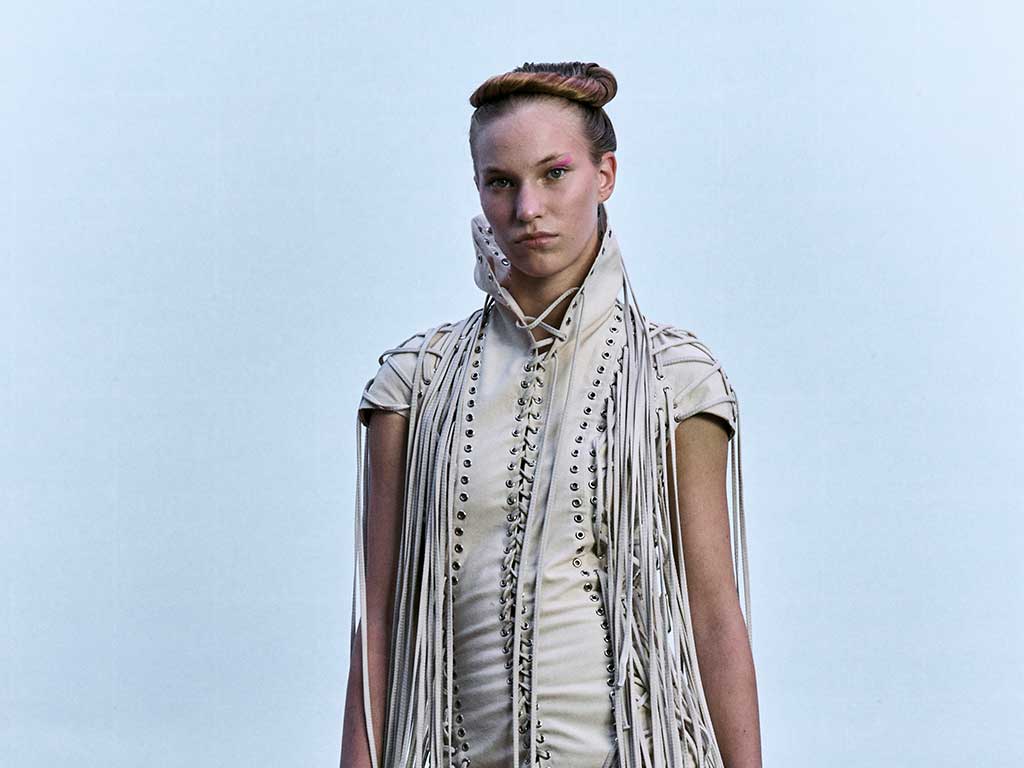
For me, there were actually two such moments. The first was while working on my CLO3D project, when Isabel showed me a much easier way to create the lacing.
I had the second “aha” moment while editing my creative video. I found various solutions for how to use and combine the video clips I had generated.
Did you make new contacts with other students or universities at the Makerspace?
Yes. I made several new contacts with students from other countries. These international encounters were a particularly important part of the Makerspace experience for me.
What was the biggest personal challenge for you while working at the Makerspace, and how did you overcome it?
My biggest personal challenge was actually networking and making new contacts, because I’m not a particularly sociable person by nature. That’s why I didn’t find it easy at first. Over time—especially during our shared free time in the evening and at dinner—I became increasingly open. It helped a great deal that the group was fantastic: the other students were very open-minded and accepted everyone just as they were.
What key insights did you gain while working on your avatar or outfit?
I learned that sometimes things simply don’t look or work exactly the way you originally planned—and that’s perfectly fine. Two weeks is a limited timeframe, and sometimes the necessary technologies or software aren’t quite advanced enough to bring every idea to life exactly as envisioned.
This taught me to handle such situations more calmly and not to be too hard on myself.
Was there a moment that particularly surprised or inspired you?
For me, it was incredibly inspiring and motivating just to watch the other students and experts working on their projects. Seeing how they developed and implemented their ideas immediately sparked a desire in me to try something new and different myself.
Which technical tools did you work with the most—and what did you learn from the experience?
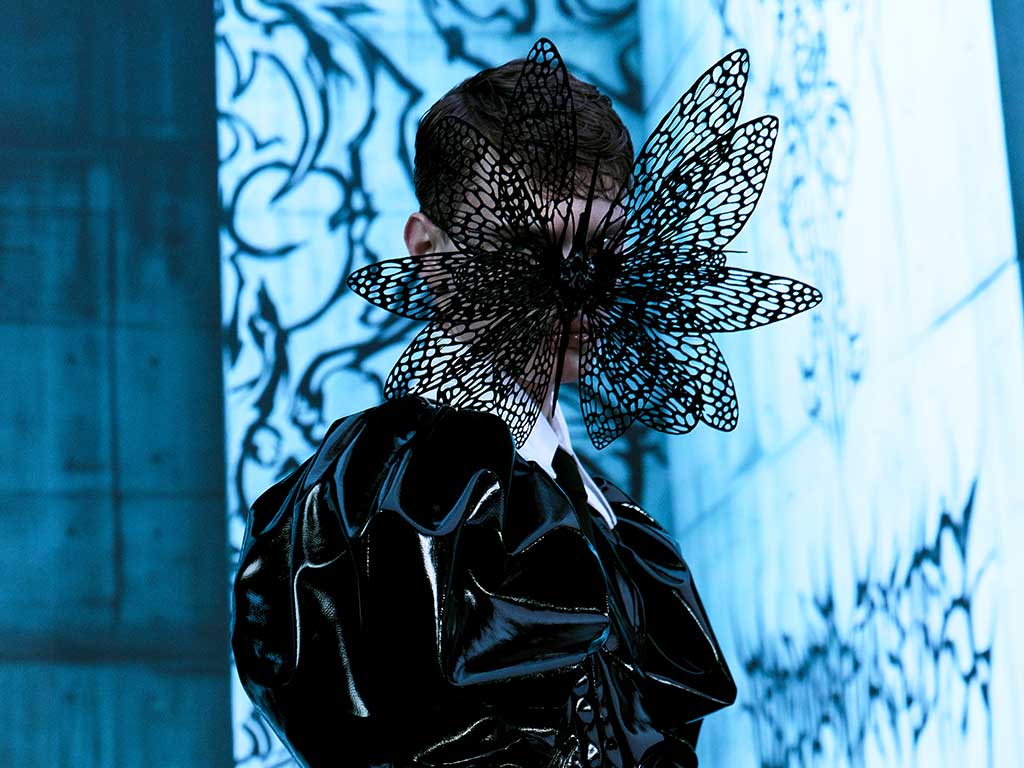
I worked primarily with 3D software, 3D printers, and AI tools. With the 3D software and printing, I realized that I learn best by simply trying things out and experimenting.
Regarding AI tools, I discovered that working with them isn’t as easy as it might initially seem. You have to know exactly what you want to achieve—and, above all, learn to articulate those ideas precisely enough for the AI model to understand them.
Which result of your work at the Riga Makerspace are you particularly proud of?
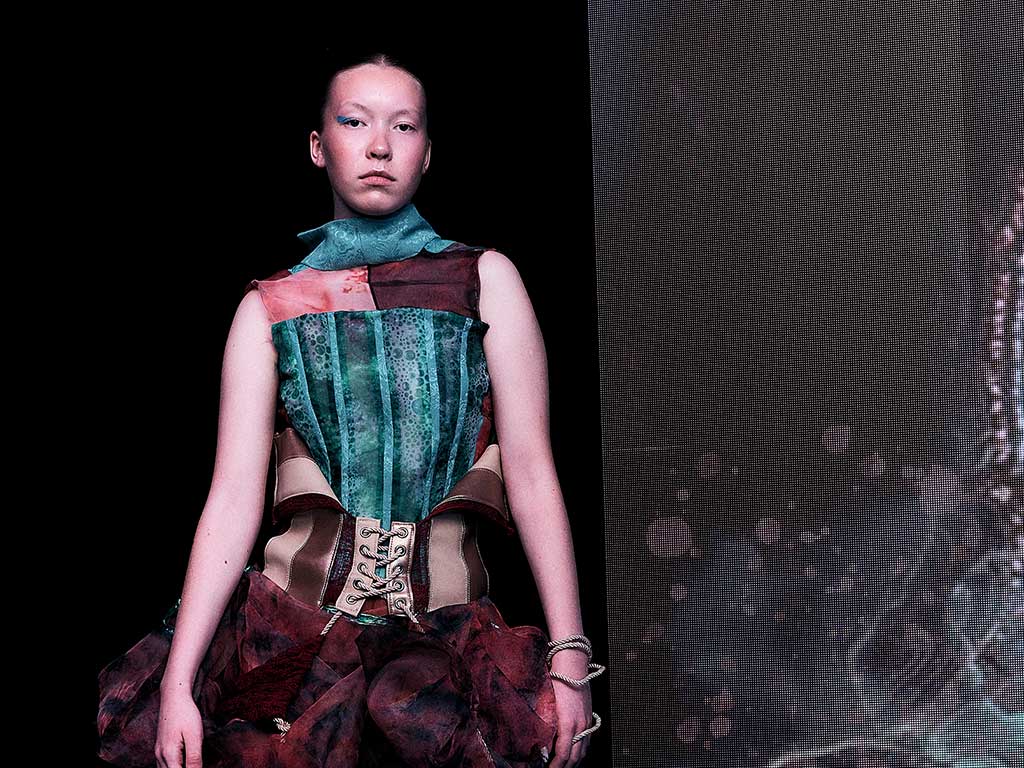
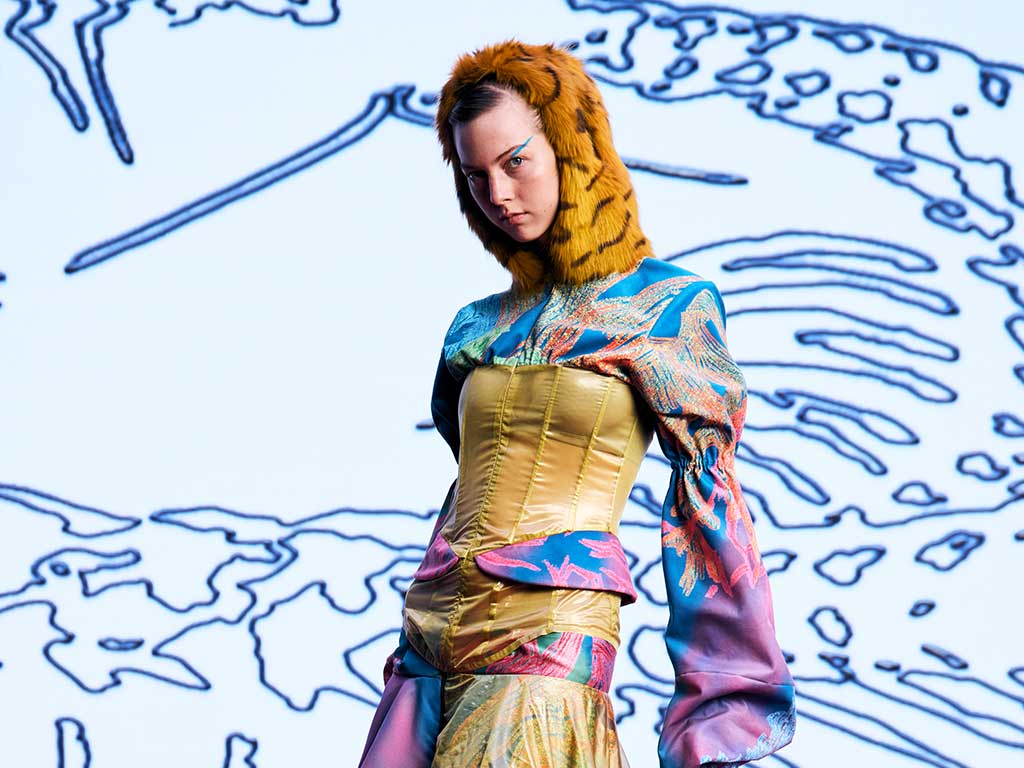
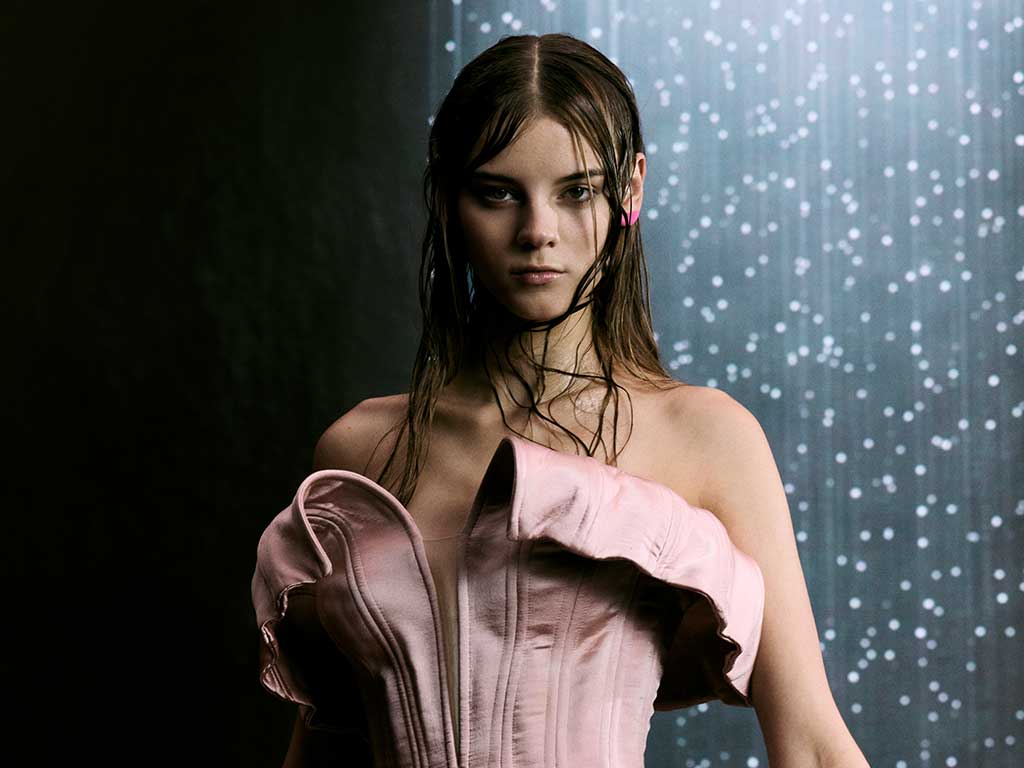
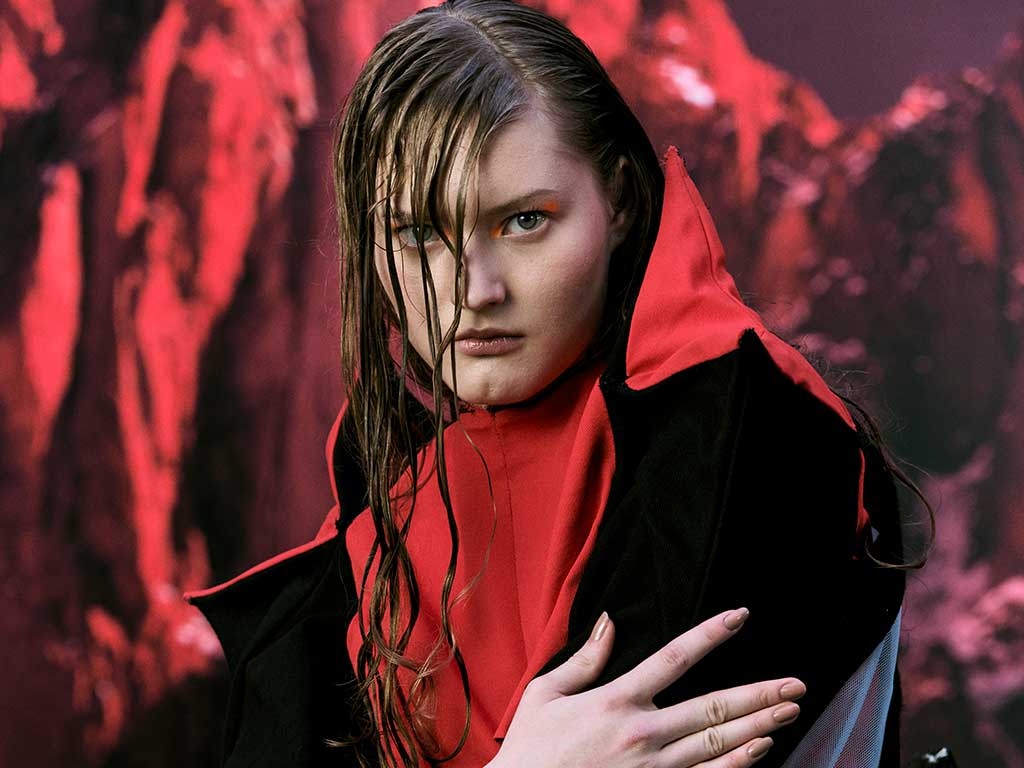
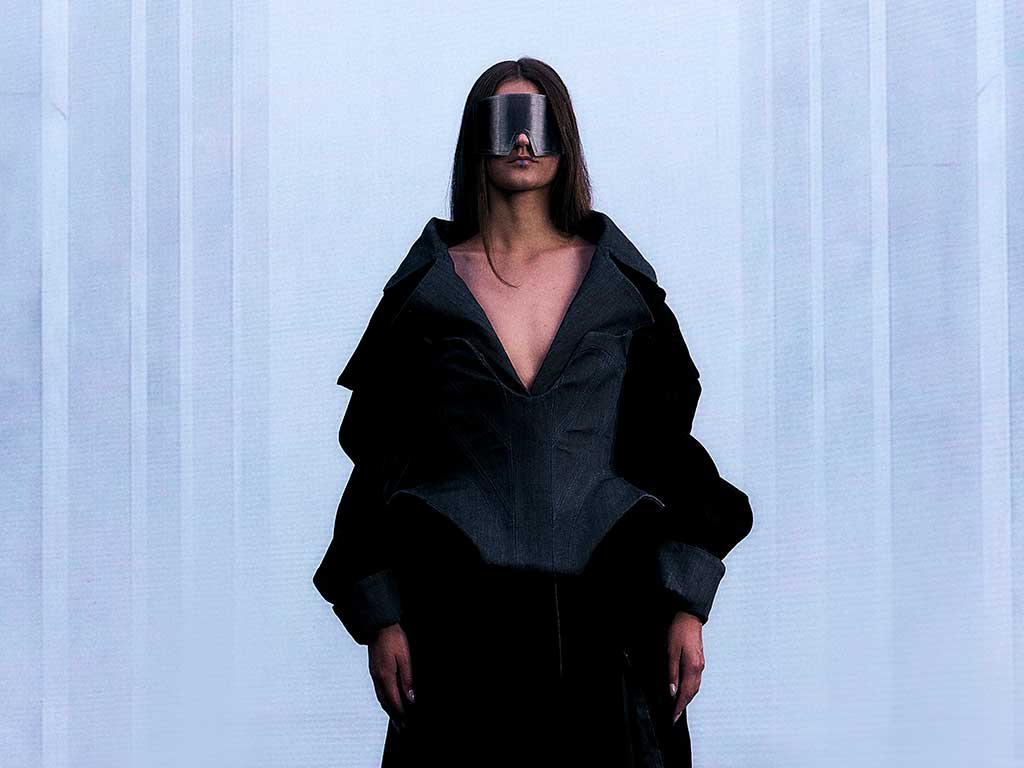
I am especially proud of my CLO3D avatar and the finished garment. Because of the complex lacing, I initially had serious doubts about whether it would actually work. That makes me all the more pleased that I was able to pull it off.
How do you plan to proceed after the Makerspace?
I want to further improve my skills in CLO3D and 3D printing and continue experimenting with digital fashion.
I also really want to stay in touch with the people I met during the Makerspace program. Perhaps this will even lead to collaborative projects in the future.
Are there any ideas or projects you would like to develop further?
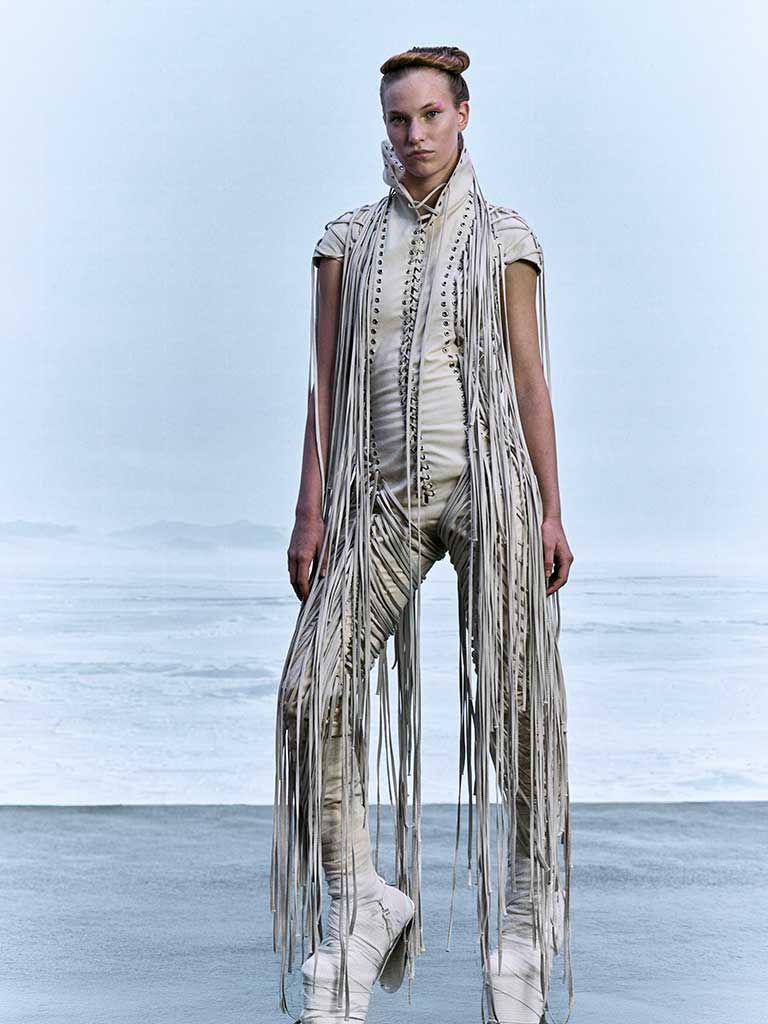
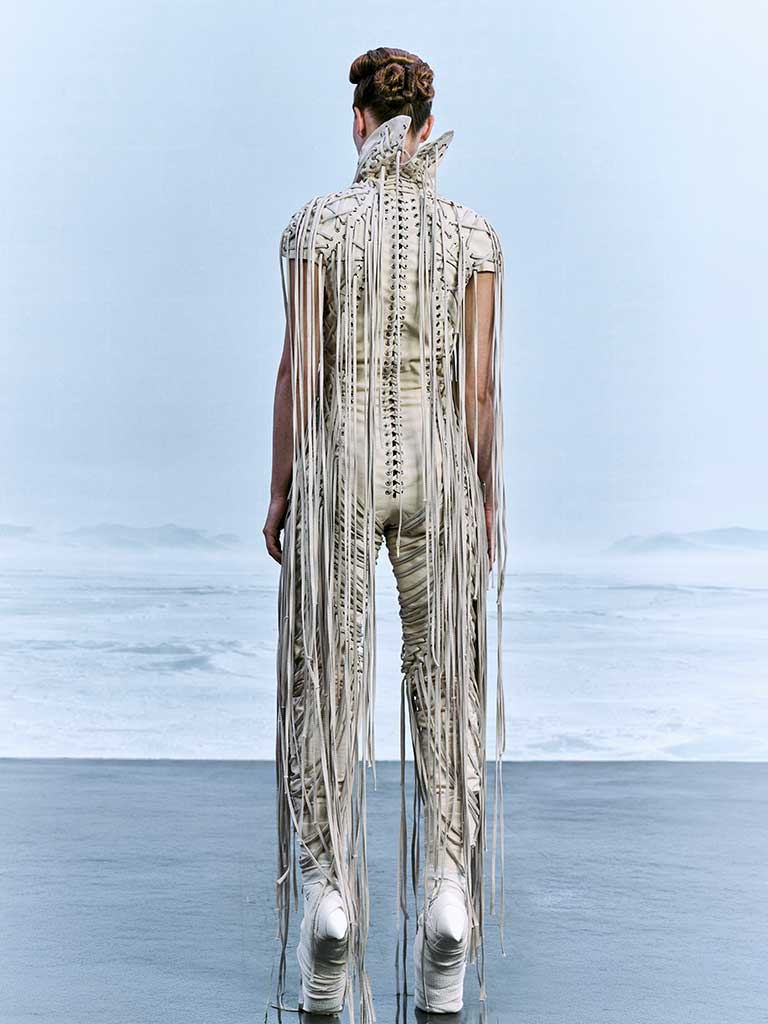
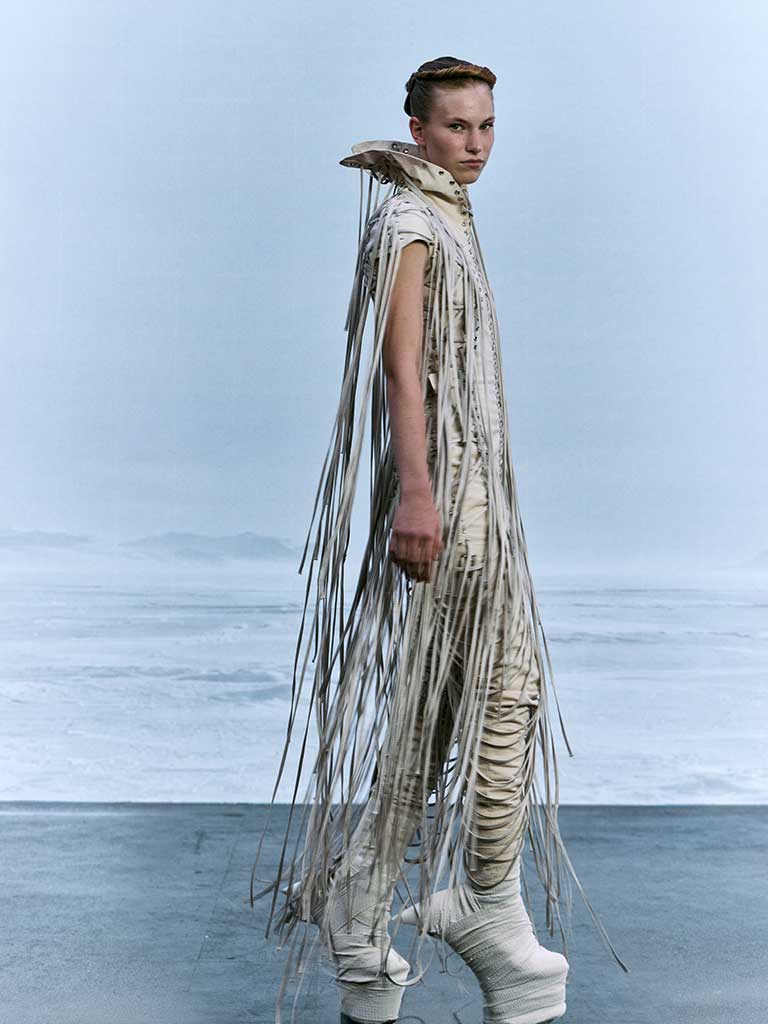
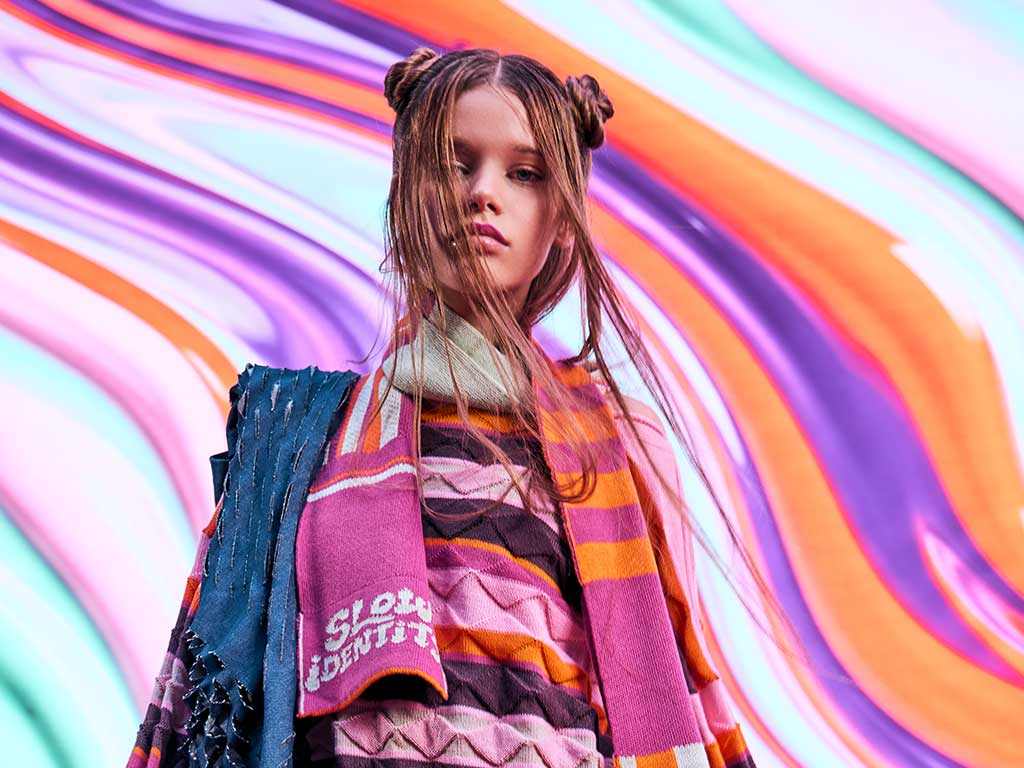
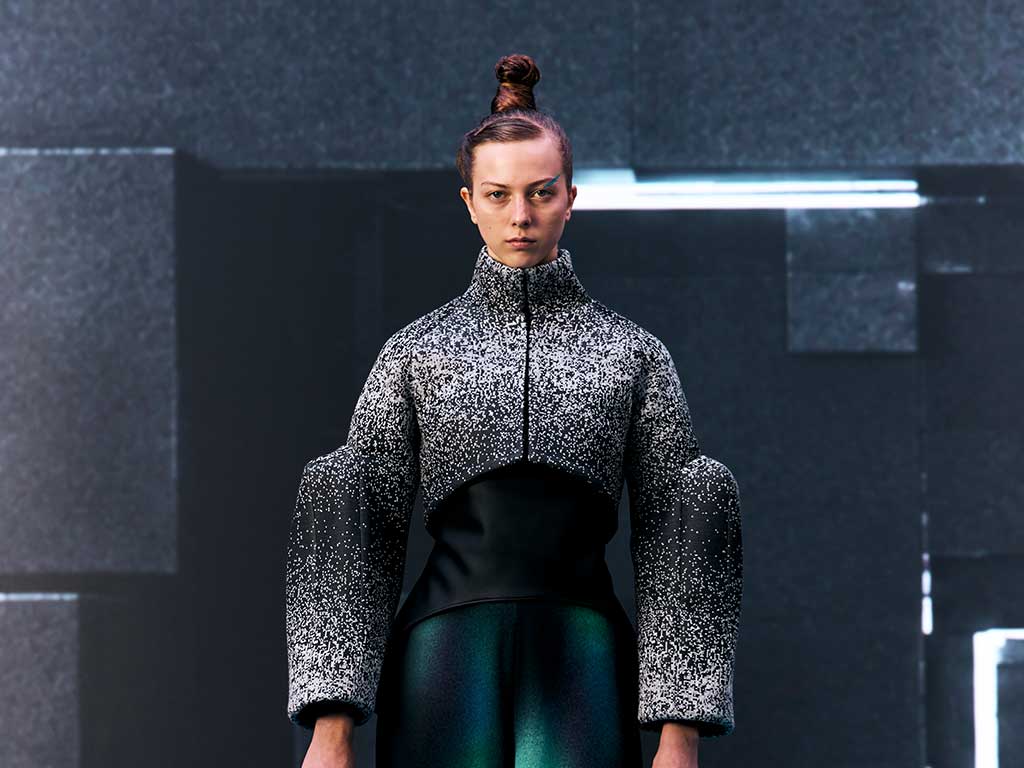
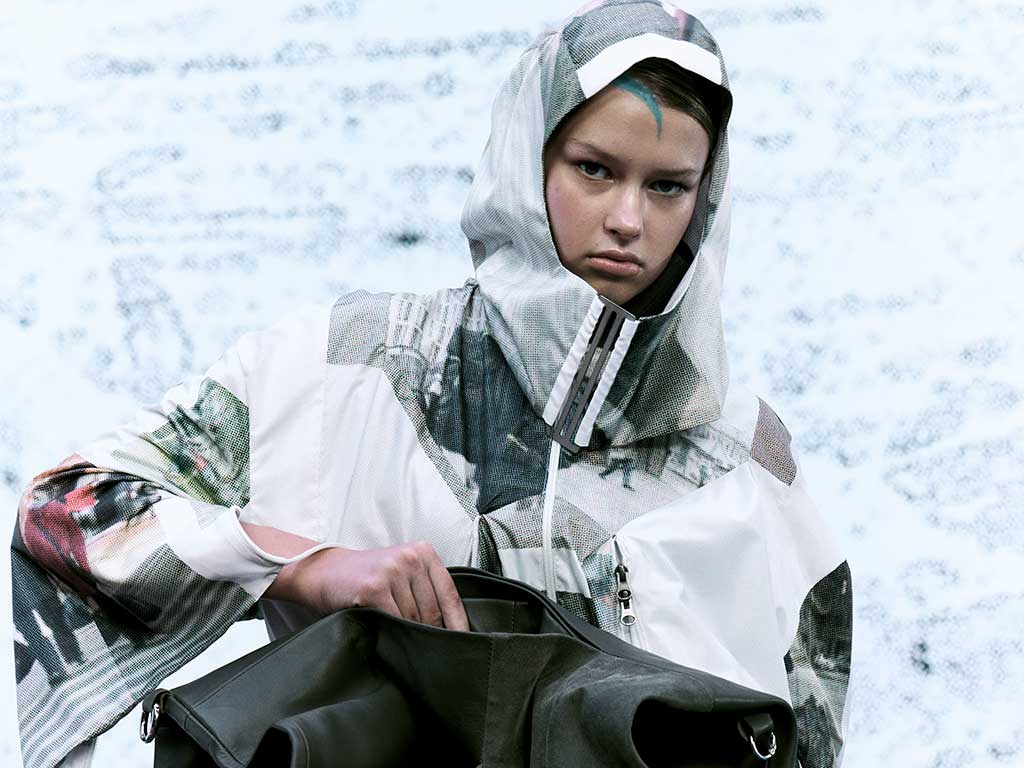
Yes. I want to further develop my “Frostbounds” project and transfer the entire collection into the digital realm. In doing so, I aim to combine the physical garments with CLO3D simulations and AI-generated visuals, and expand the project as a whole.
What was the greatest personal benefit you gained from your time in the Makerspace?
For me, it was primarily the new connections I made. However, gaining my first experience with 3D printing and acquiring new skills in CLO3D were also significant personal gains. The new connections are especially valuable to me, precisely because approaching other people was a challenge for me at the beginning.
Photo Credits: Miks Uzans Photography