The Future of Fashion Begins with the Courage to Experiment – An Interview with Isabel Palumbo
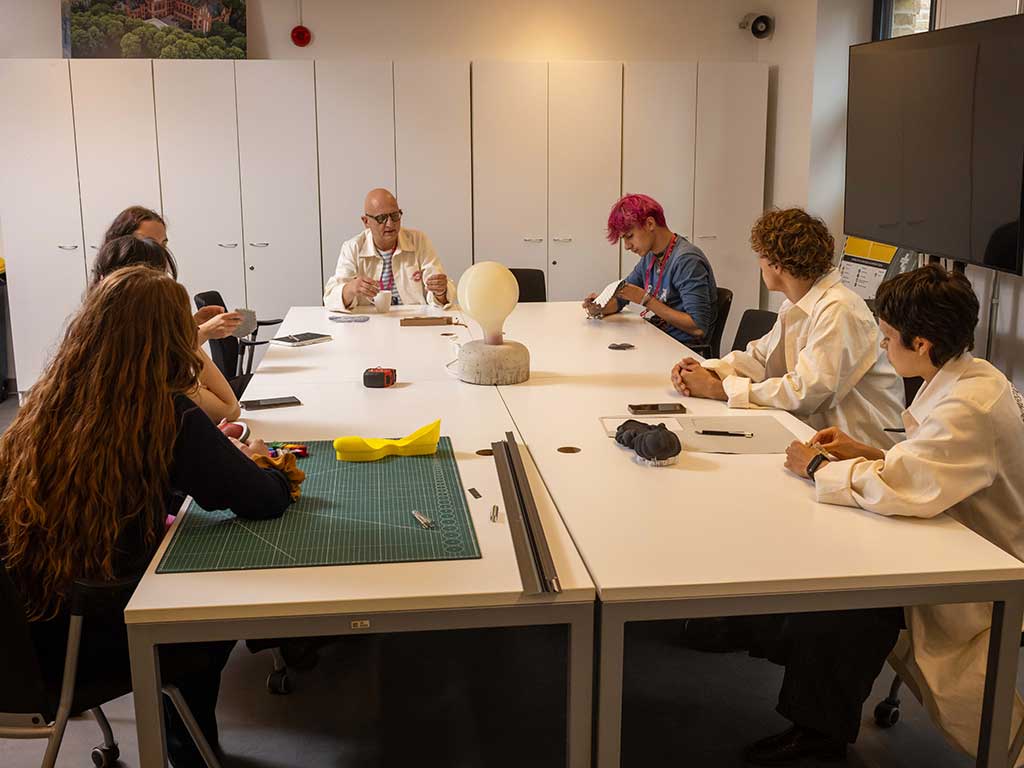
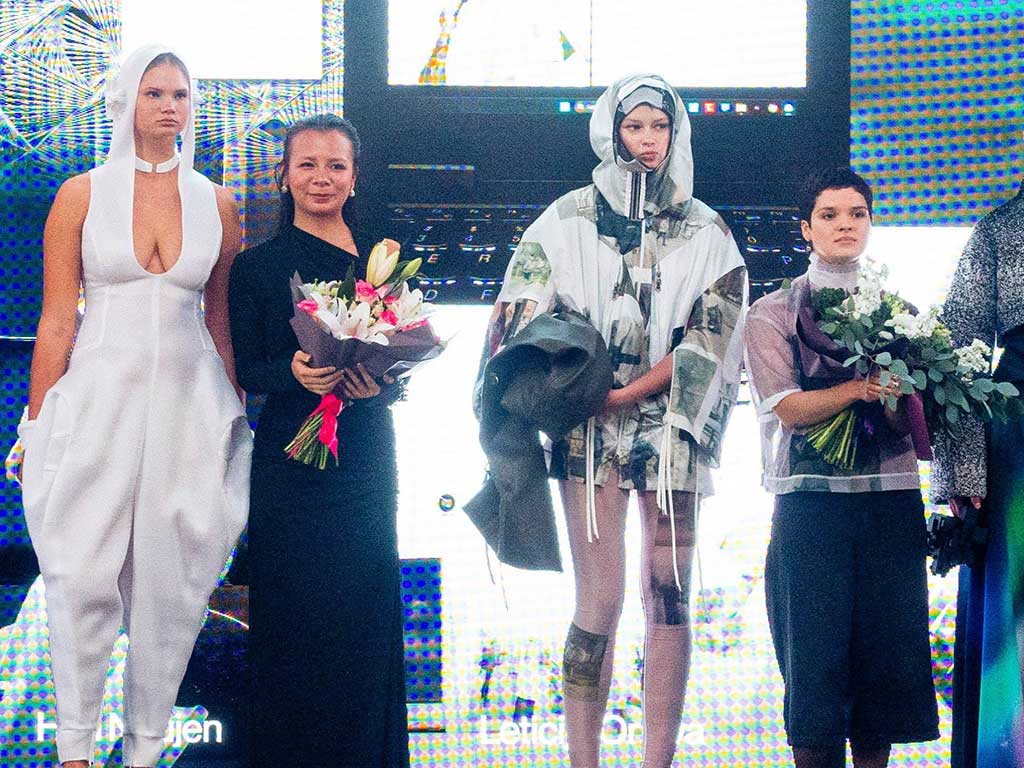
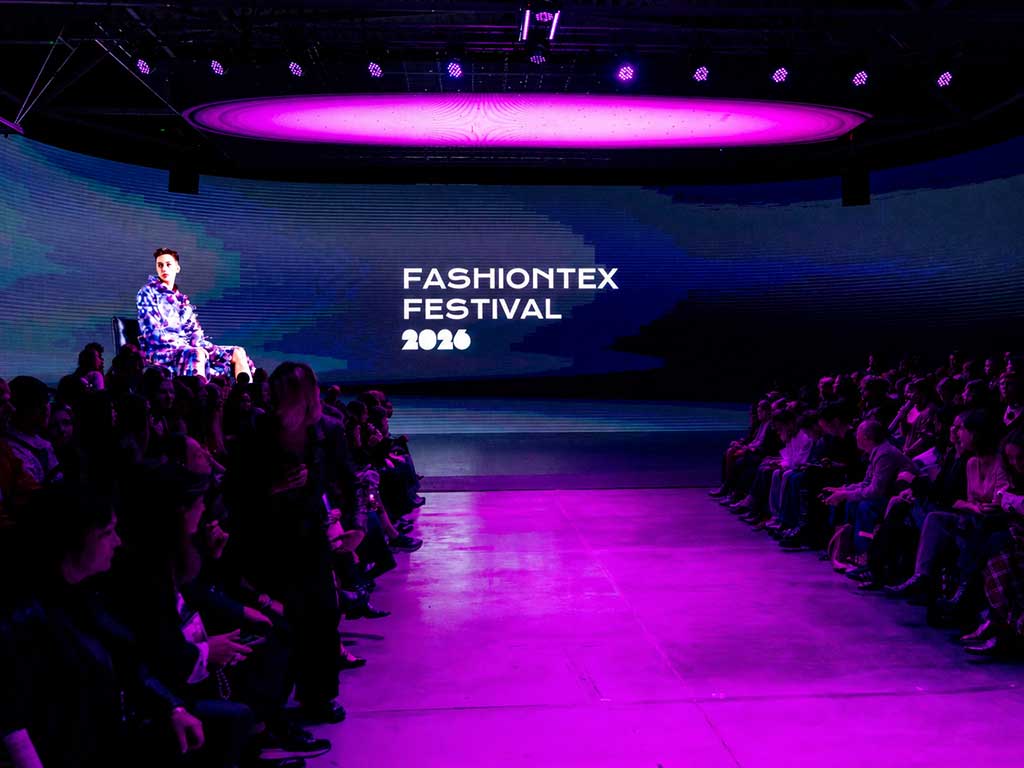
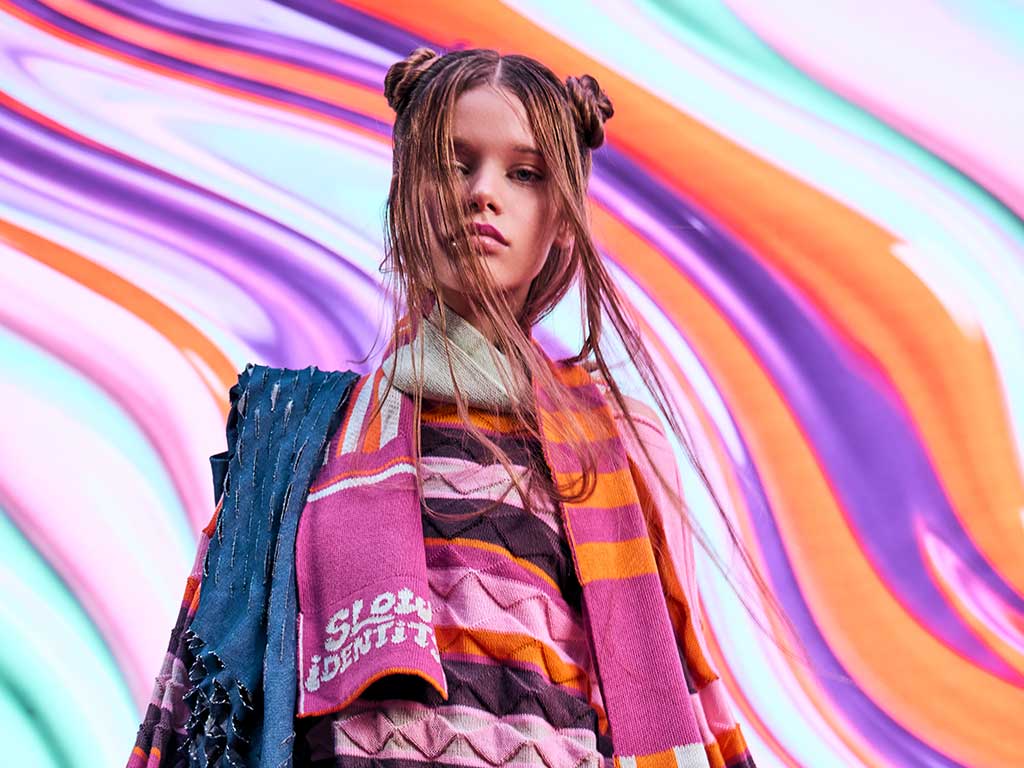
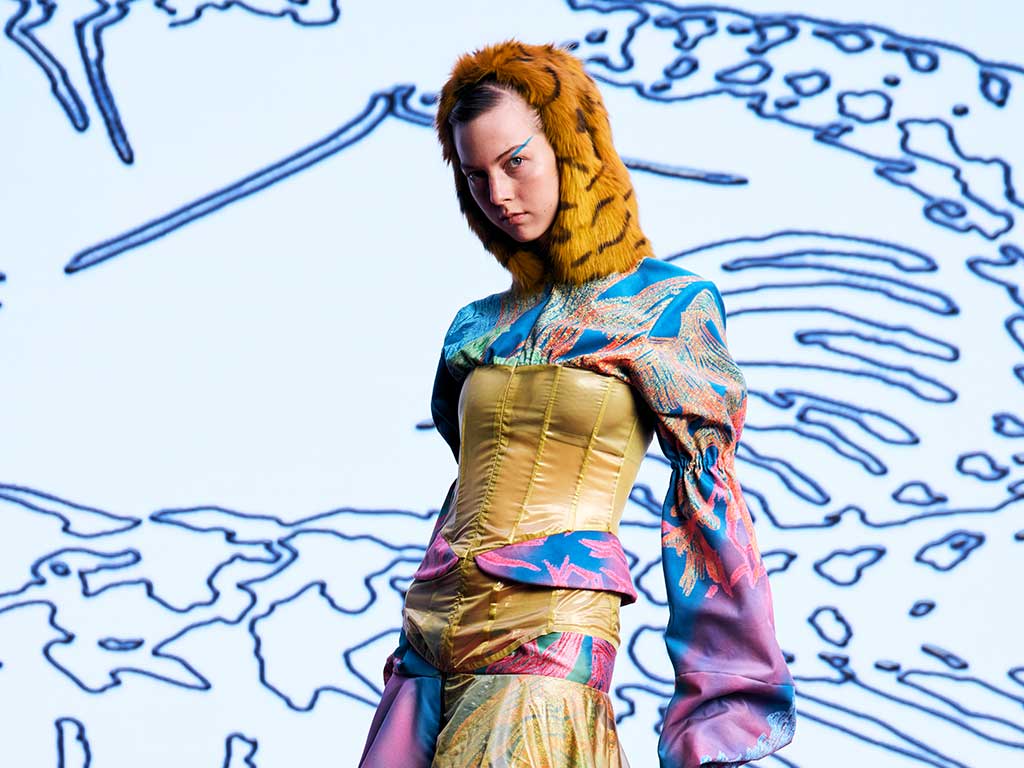
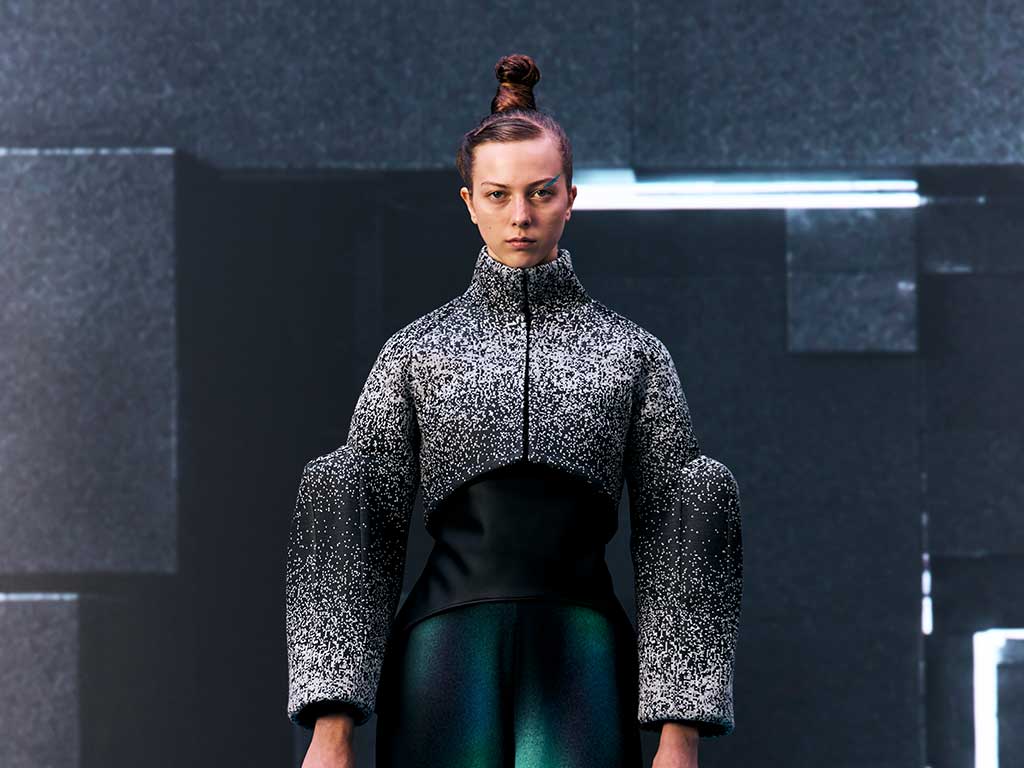
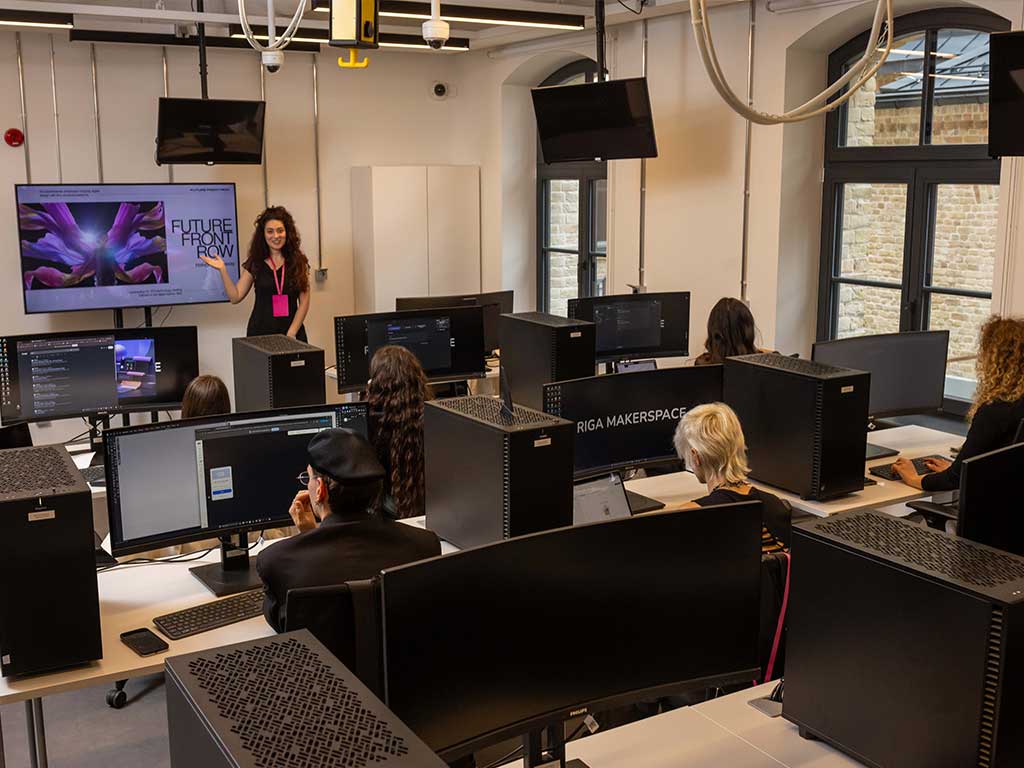
How is digitalisation changing the fashion of tomorrow? At the FashionTEX Makerspace 2026 in Riga, young designers from eleven European universities worked with 3D technologies, digital fabrics and virtual animations. Among the experts was Italian 3D artist and Creative Director Isabel Palumbo. In this interview, she discusses the connection between fashion and technology, the opportunities offered by artificial intelligence, and why experimentation and failure are essential parts of the creative process.
Isabel, you work at the intersection of fashion, digital art and emerging technologies. What fascinates you about this combination?
Isabel Palumbo: I am an Italian 3D artist and Creative Director, and I founded Locus Solus Studio in Amsterdam. I am particularly interested in how digital technologies can expand our understanding of fashion. 3D design and augmented reality open up entirely new possibilities for making creative ideas visible and bringing them to life. Digital environments allow us not only to design fashion, but also to present and communicate it in completely different ways.
At the Makerspace in Riga, you mentored students working with CLO3D. What did you want to teach them?
Isabel Palumbo: I wanted to demonstrate that CLO3D can do much more than digitally construct or visualise garments. Animation, movement, lighting, materials and virtual environments can fundamentally transform the impact of a design. I wanted the students not only to learn how to create digital garments, but also to think about the story they wanted to tell through their designs.
What surprised you most when working with the young designers?
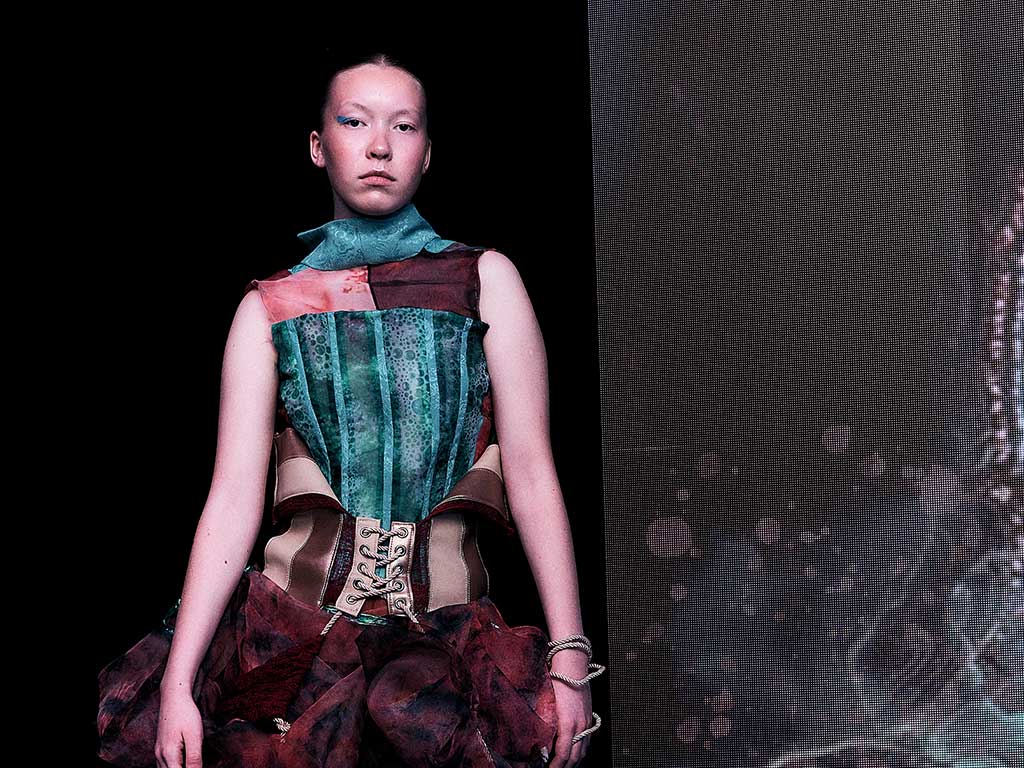
Isabel Palumbo: I was particularly impressed by how quickly the students embraced new technologies. During our workshop with Adobe Substance 3D, they managed to transform physical fabrics into digital textures in just a few hours. The experiments by Nikolay and Konstantin Polonskie were also fascinating. They worked with luminescent and refractive materials, adding an almost dreamlike, fantastical dimension to their digital garment designs. Approaches like these demonstrate that digital technologies are not merely tools for visualisation but can also influence the creative design process itself.
New technologies offer many opportunities, but they also come with challenges. What were the biggest difficulties?
Isabel Palumbo: One of the biggest challenges was time management. When different teams and creative processes come together under tight deadlines, tasks need to be carefully planned and coordinated. Many students initially lack this kind of practical experience. There is also often a considerable gap between a creative vision and its technical implementation. That can be frustrating. But this is precisely where the real learning process begins: you experiment, make adjustments, look for solutions and sometimes discover entirely new possibilities along the way.
Does that mean failure should also be part of the creative process?
Isabel Palumbo: Absolutely. Not every experiment needs to result in a finished project, and not every idea works out as originally imagined. Sometimes the most valuable lesson is understanding why something does not work. Or you discover a completely different direction along the way. Young designers should learn to embrace this uncertainty and see it as an opportunity.
Students from eleven European universities came together in Riga. What is the added value of this international collaboration?
Isabel Palumbo: Everyone brings different experiences, cultural backgrounds and perspectives on fashion. This greatly enriches the creative exchange.
At the same time, it became clear how different the conditions are at European universities. Not all students have the same access to digital technologies or the same educational opportunities. FashionTEX offers a unique opportunity to bridge these gaps, learn from one another and rapidly develop practical digital skills.
Will artificial intelligence fundamentally change the work of fashion designers?
Isabel Palumbo: I expect artificial intelligence to continue attracting major investment and driving technological development. It will become increasingly important for fashion brands, particularly in organising and optimising production processes.
Beyond that, digital technologies offer new ways to develop collections, present them and create experiences for audiences. However, they do not replace traditional design knowledge and craftsmanship. Instead, they expand the possibilities for expressing creative ideas and building distinctive design worlds.
What role does traditional craftsmanship play in an increasingly digital fashion world?
Isabel Palumbo: I do not see digital design and traditional craftsmanship as opposites. They complement each other. For example, anyone who wants to create good patterns in 3D needs to understand the traditional principles of patternmaking. This knowledge is rooted in craftsmanship.
Technology can expand the creative process, but it does not make a solid understanding of materials, construction and design unnecessary.
Digital fashion is often associated with sustainability. Is it actually more environmentally friendly?
Isabel Palumbo: Digital tools can help visualise designs, test different variations and potentially reduce the number of physical samples needed. However, using technology does not automatically make a project sustainable. We also need to critically consider materials, production processes, energy consumption and the entire life cycle of a product. Sustainability does not come from digitalisation alone.
What makes FashionTEX Makerspace such a special learning experience?
Isabel Palumbo: Students learn by creating, experimenting and collaborating with people outside their usual environment. They encounter new tools, exchange ideas and discover connections between different disciplines. It is a different kind of learning when an idea has to become something tangible within a short period of time. What makes it particularly valuable is that everyone shares this process together.
For me personally, the Makerspace was also an inspiring experience. Working with the students reminded me that a digital tool does not have one fixed purpose. Its possibilities always depend on the people using it and the ideas they bring to it.
What makes a successful digital fashion project in your eyes?
Isabel Palumbo: It does not necessarily have to be the most technically complex project. What matters is having a clear creative vision. Technology, concept and presentation should work together meaningfully and create a distinctive design statement.
What advice would you give to young designers who want to combine fashion and technology?
Isabel Palumbo: Stay true to yourselves, your values and your dreams. Stay curious, experiment and do not be afraid of not knowing how to do something yet. Technology can help you develop your ideas further. But everything should begin with a strong creative vision.
And if you had to describe the Makerspace 2026 in three words?
Isabel Palumbo: Curiosity. Experimentation. Connection.
Isabel Palumbo is an Italian 3D artist and Creative Director based in Amsterdam. She is the founder of Locus Solus Studio and works at the intersection of digital art, fashion, 3D design and augmented reality. At the FashionTEX Makerspace 2026 in Riga, she mentored students from eleven European universities in developing digital fashion projects using CLO3D.