Digital Fashion at Koefia Academy Rome: Where Creativity Meets Technology
A look inside the CLO3D Atelier Courses in Rome – empowering future designers through Digital Twin technology
As part of the European FashionTEX initiative, the Koefia Academy Rome has launched an exciting digital atelier program that’s redefining the future of fashion education. Designed for both students and professionals, the course series introduces participants to one of the industry’s most groundbreaking technologies: CLO3D – a tool that brings the concept of the Digital Twin to life in the world of fashion.
At its core, the Digital Twin approach means creating a perfectly matched virtual prototype of a real garment. This allows designers to experiment, visualize, and perfect their creations in a fully digital space – and only produce the real version once it’s truly needed. The result? More creativity, more sustainability, and a deeper understanding of both design and production.
The Basic Atelier: Building Strong Foundations
The Basic Atelier introduces students to the CLO3D interface and workflow through guided online lessons, exercises, and one-on-one feedback. By the end of the course, students are able to:
- Construct and simulate garments on virtual avatars
- Work with realistic fabrics and textures
- Master digital pattern making, pleats, stitching, and trimming
- Create digital accessories like bags and jackets
- Understand basic grading, rendering, and animation tools
With an emphasis on real-world application, students learn how to translate traditional pattern-making skills into a digital environment, equipping them with valuable new tools for their future careers.
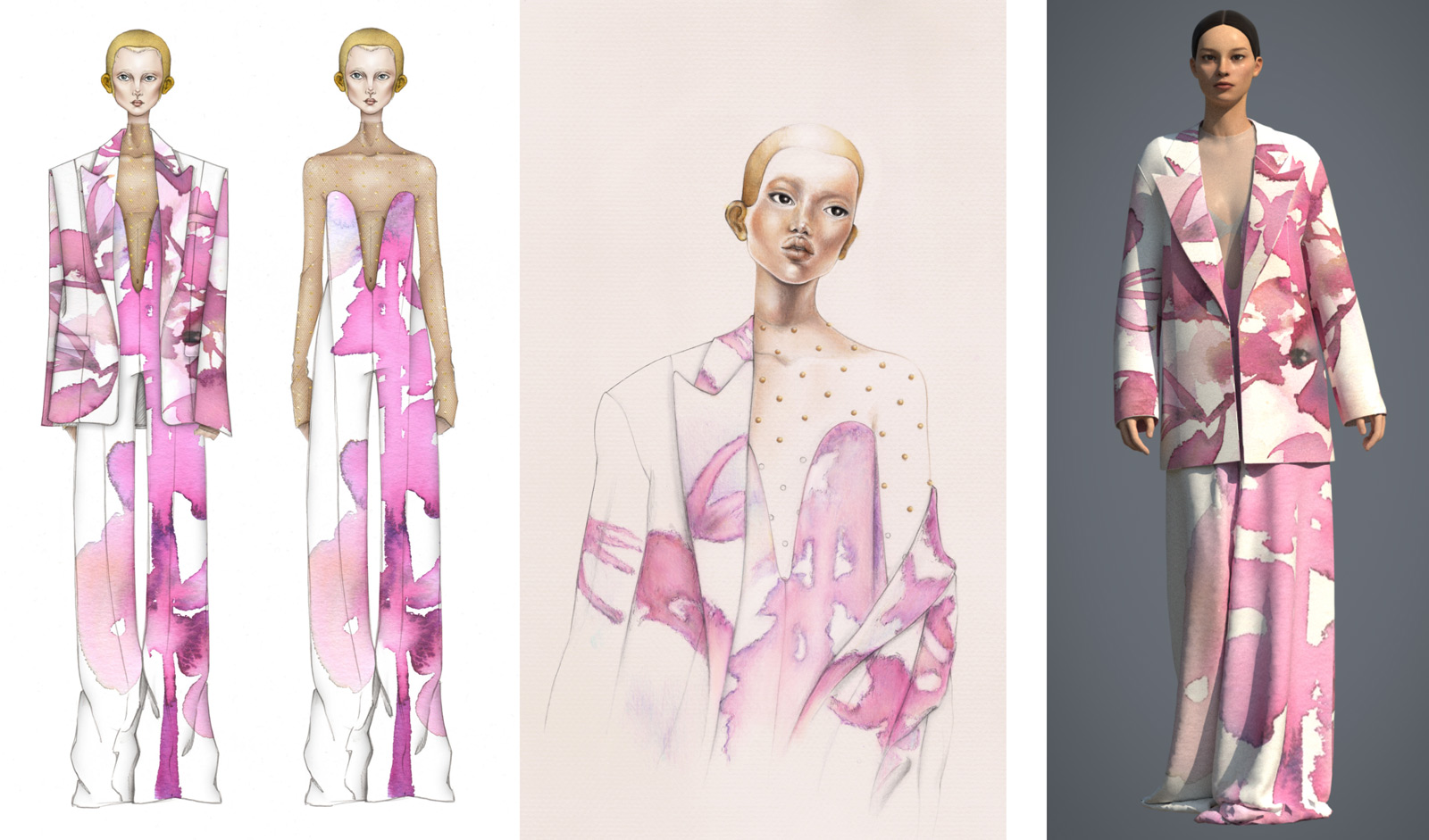
The Advanced Atelier: Elevating Simulation to Art
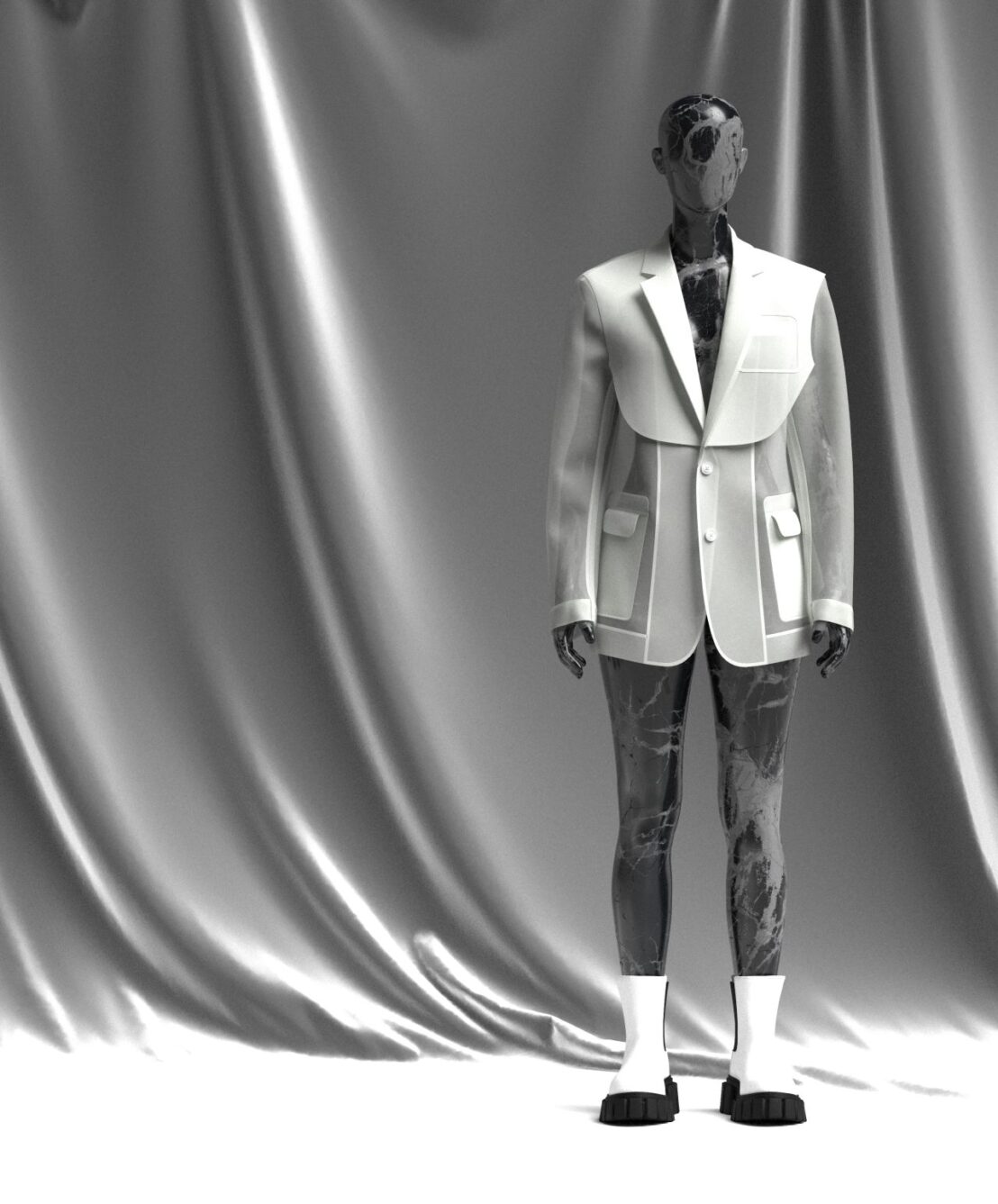
For participants who already have a solid foundation in CLO3D, the Advanced Atelier takes things to the next level. The focus here is on hyper-realism, animation, and digital storytelling.
Students explore:
- Animation techniques using motion capture and camera movement
- Lighting and green screen rendering
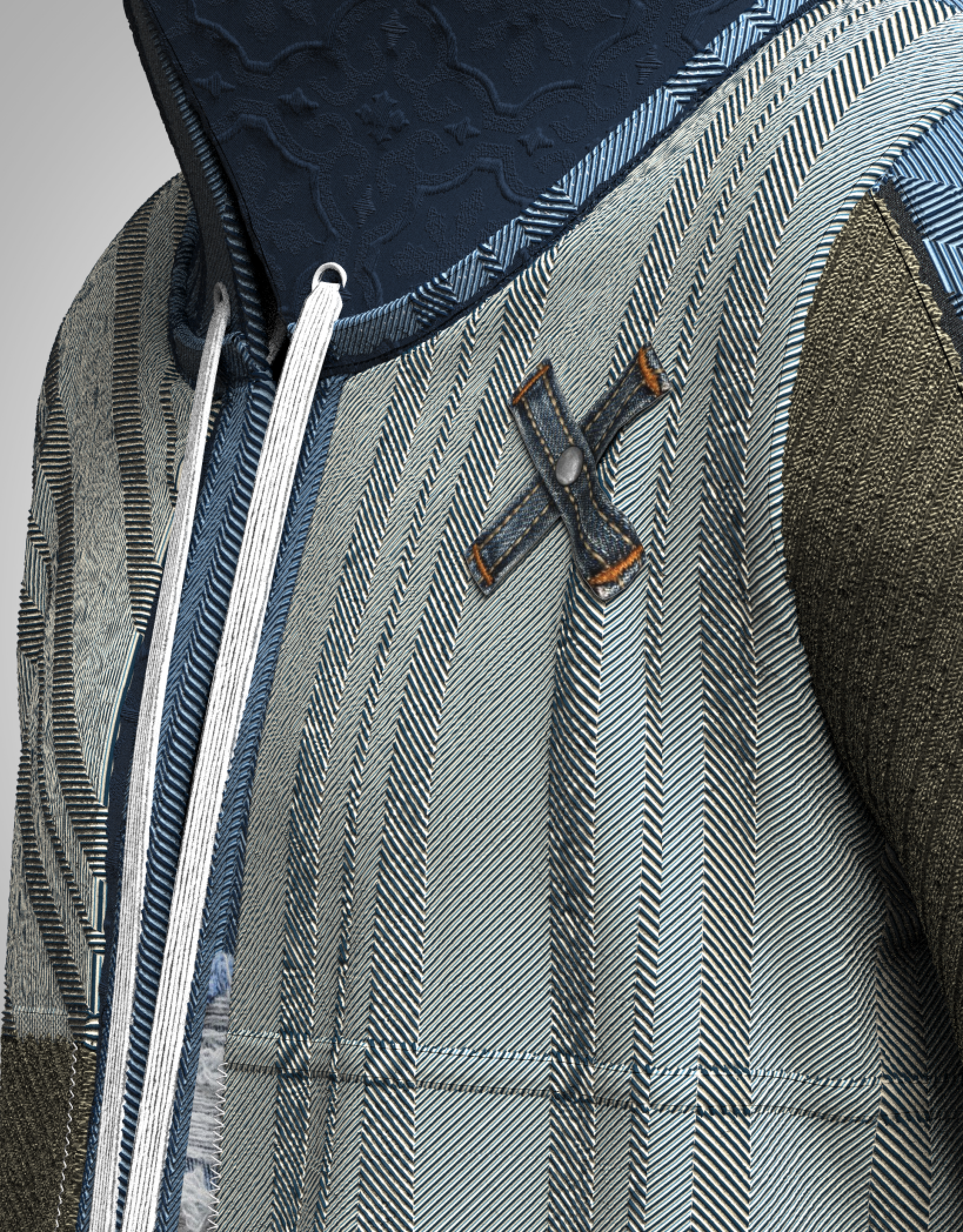
- Advanced fabric design using Adobe Sampler and Painter
- Techniques for introducing texture “imperfections” like frayed edges, dirt, or fabric aging
- High-quality video editing using Adobe Premiere
The course explores how small imperfections – a crease here, a worn spot there – can turn a digital model into something deeply human and real. Students learn how to turn garments into narratives, and prototypes into visual experiences.
A New Era in Fashion Education
The CLO3D ateliers at Koefia Academy Rome reflect a key objective of the FashionTEX project: to equip a new generation of designers with the digital tools and mindset needed to thrive in an evolving industry.
By combining software like CLO3D, Adobe Sampler, and Blender with traditional fashion expertise, the program offers a holistic, interdisciplinary experience. It’s not just about learning a new program – it’s about reshaping the entire design process from the inside out.
Whether for students preparing to enter the fashion world or professionals ready to embrace the digital shift, Sapienza’s ateliers are paving the way for a smarter, more sustainable, and more expressive future in fashion.