Chemnitz 2025 – The FashionTEX Festival set standards for the fashion of tomorrow
Chemnitz bids farewell to its year as European Capital of Culture with impressive figures and a new sense of confidence. More than two million people, nearly 2,000 events, and a city that proved itself an open host to Europe. Amidst this packed program, the FashionTEX Festival ignited a force that went far beyond a traditional fashion show. In a city whose history has been shaped for generations by textile innovation, weaving culture, and creative power, fashion became the driving force behind a new European narrative for the future.
Where fabrics, yarns, and machines once dominated the cityscape, the FashionTEX Festival demonstrated how Europe is reconnecting today: with digital tools, sustainable materials, networked processes, and a generation of students who not only honor Chemnitz’s textile heritage but also reinterpret it. What happened here was not merely a contribution to the year’s program but a moment that revitalized the city’s cultural identity: fashion as the cultural language of a digitized continent, carried by young European talents who filled Chemnitz with new energy.
Chemnitz becomes a stage for the future of textiles once again
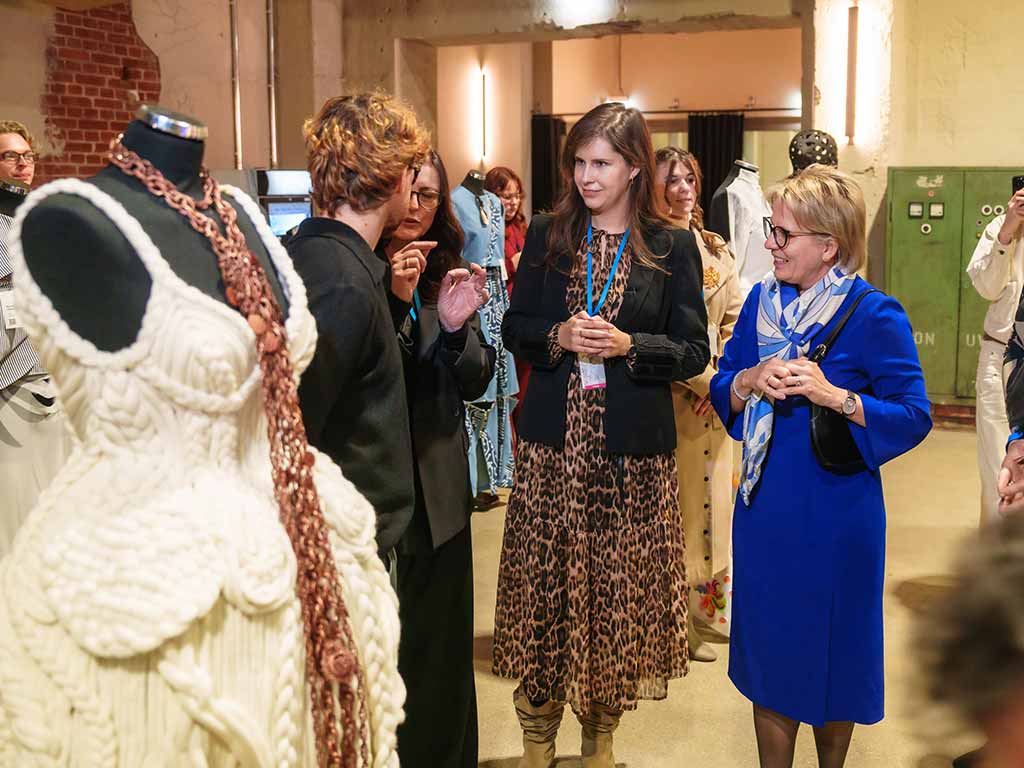
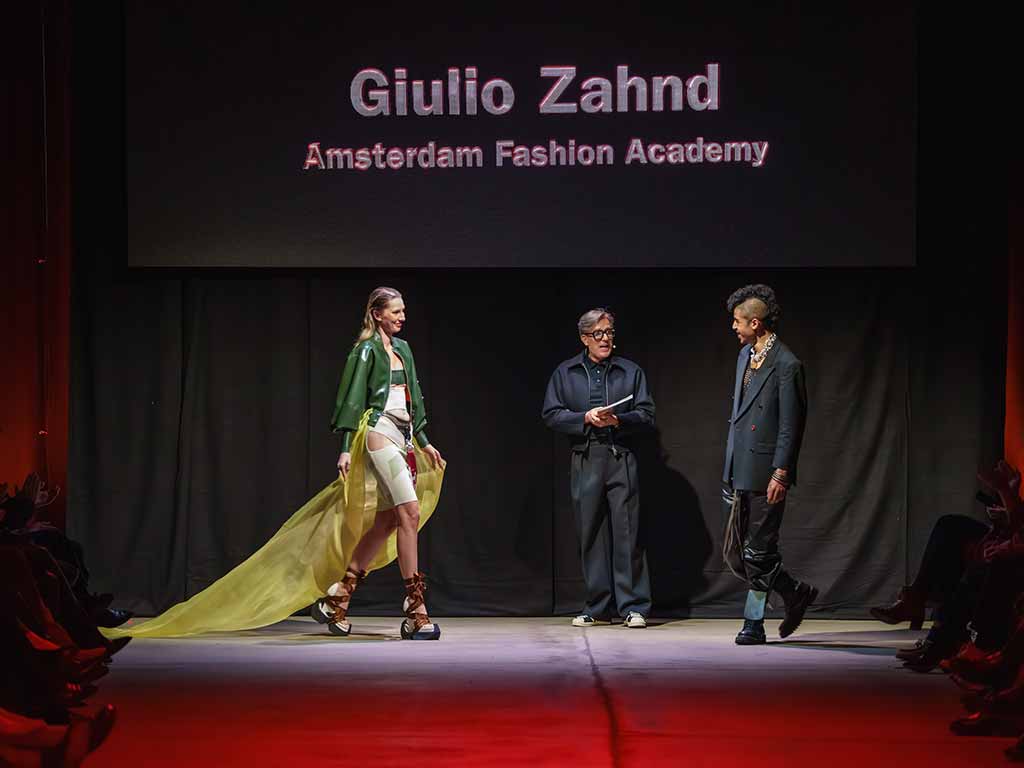
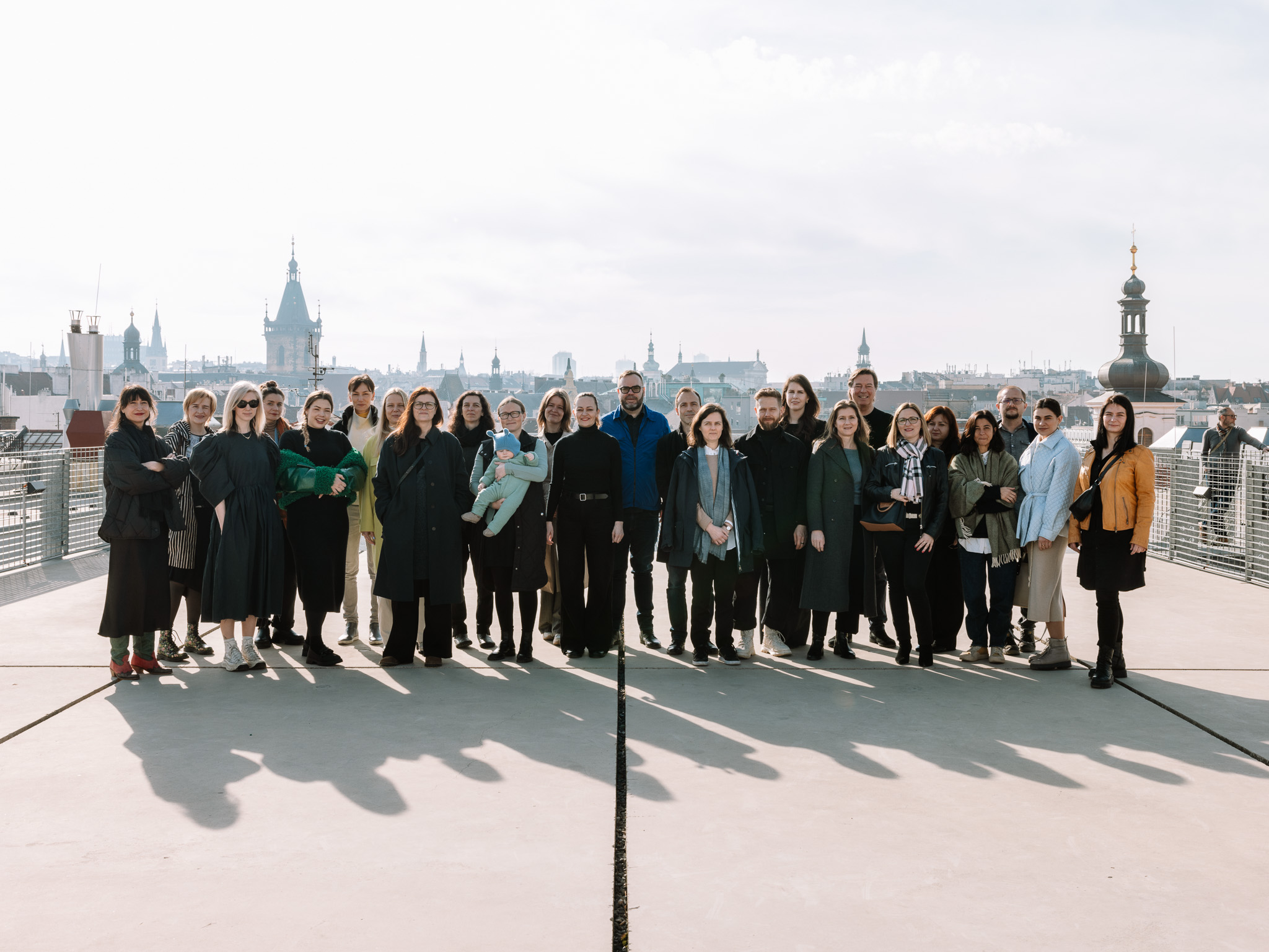
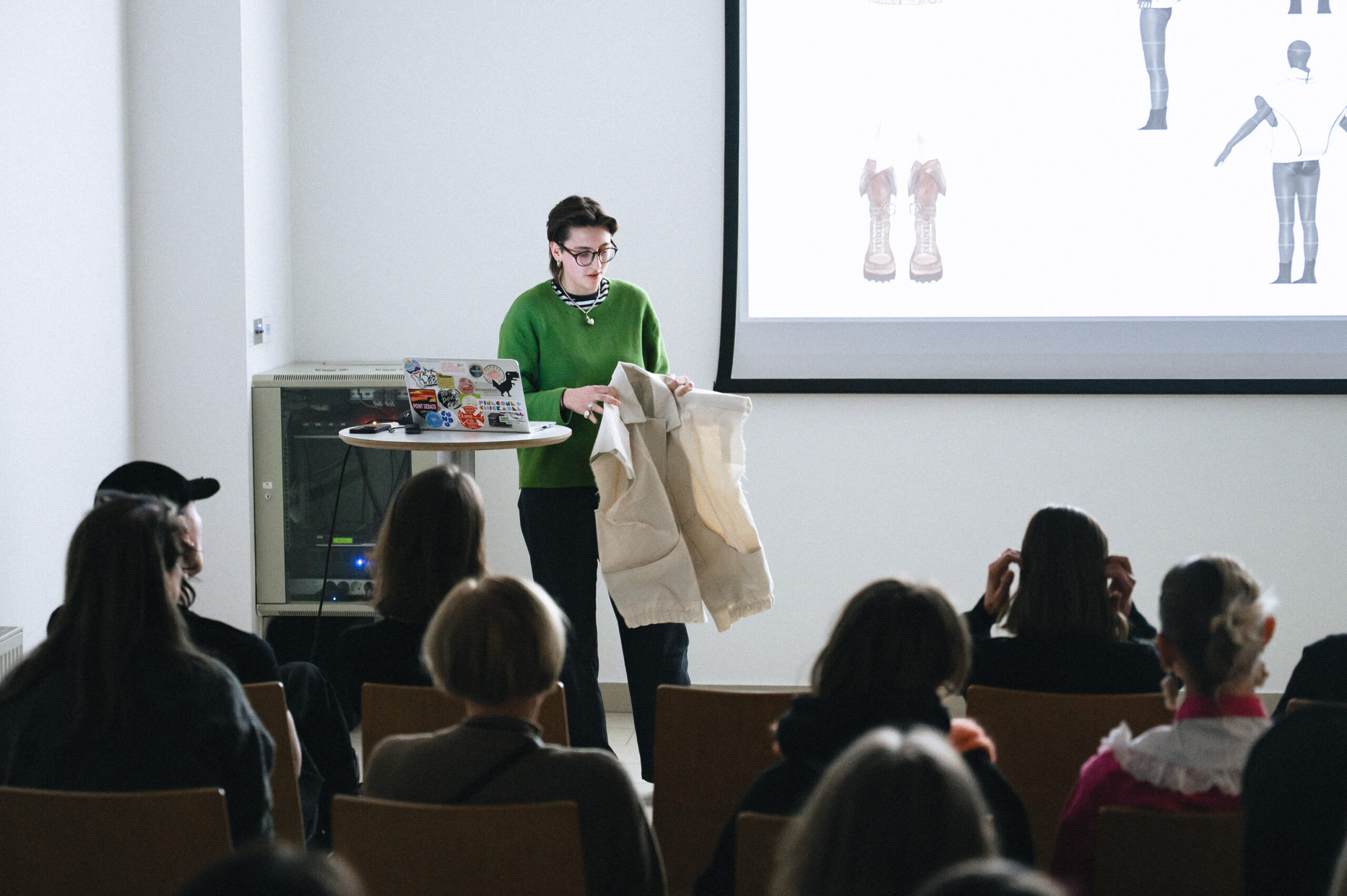
For two days, “die fabrik” became a vibrant meeting place for young designers from all over Europe. Twenty-four talented individuals from eleven countries, from Portugal to Estonia, presented their work to an international jury and an enthusiastic audience. What emerged here was more than a festival: it was a revival of Chemnitz’s textile soul – futuristic, bold, and profoundly European.
The European Next Generation Award, presented by the European Cultural Forum, lent this moment additional brilliance. It not only recognizes outstanding projects but also underscores the festival’s ambition to understand fashion as a unifying cultural language of Europe.
A bright future: The 2025 award winners
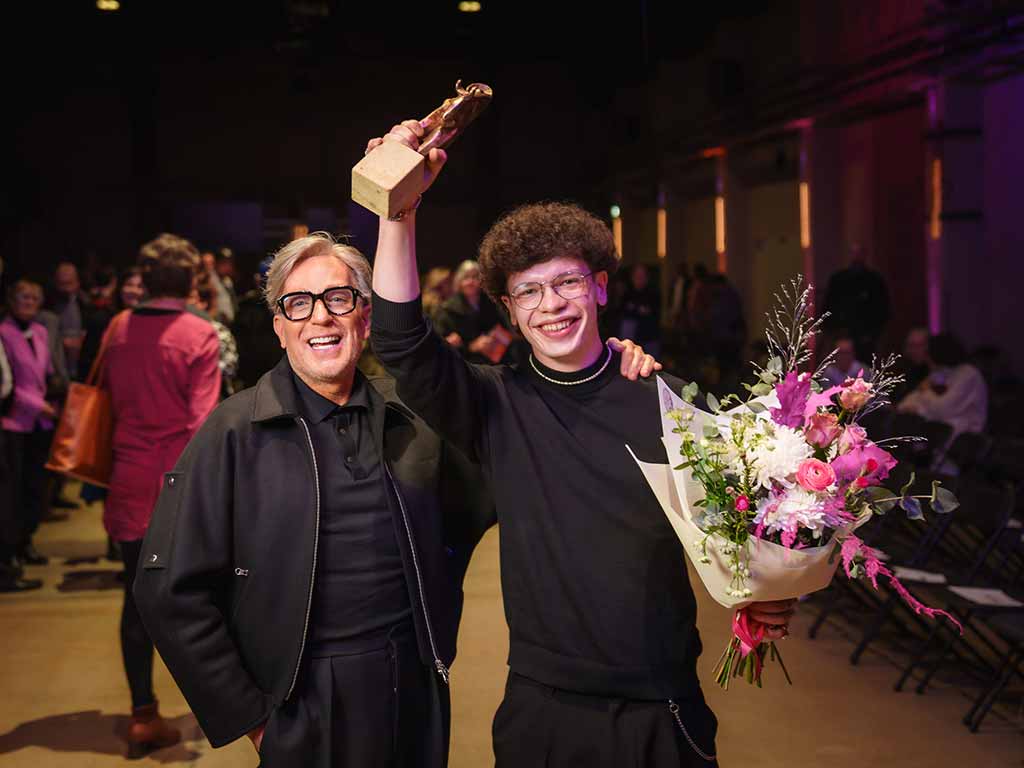
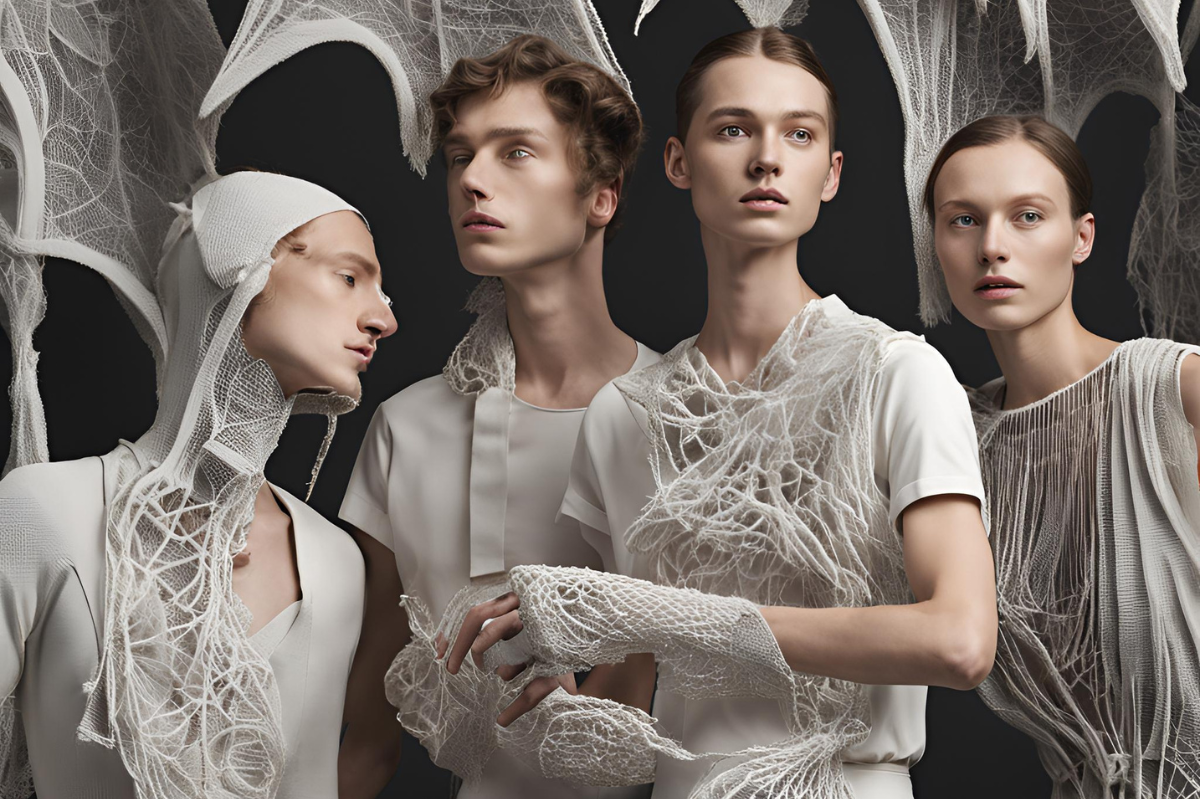
First place went to Vincent Röse from the West Saxon University of Applied Sciences in Schneeberg for GORE LUX, a concept that combines functionality, digital design language, and experimental textile expertise. His convertible bomber jacket, which transforms into a coat, exemplifies the hybrid aesthetic of a new European fashion culture. Second-place winner Joanne-Heleene Sõrmus from Tallinn dedicated her work to the interplay of body, material, and identity in the digital age, a theme that resonates with young creatives across Europe. Both works demonstrate that fashion is becoming the language of a generation that seamlessly integrates technology, sustainability, and cultural heritage.
A highlight of the European Capital of Culture year
With the FashionTEX Festival, the project made a statement perfectly aligned with the city’s DNA: a passion for innovation, a culture of craftsmanship, and textile history were not presented in a museum-like fashion, but rather translated into the future.
Workshops, panels, presentations, and the major innovation showcase revealed the rapid transformation of European fashion. It is not merely a trendsetting industry, but a laboratory of the future where sustainable materials, digital design processes, AI-based workflows, and new production models converge.
For two days, Chemnitz became a place where European creativity, technological advancements, and textile heritage mutually reinforced one another.
The Schneeberg 2025 Makerspace became a European laboratory for future fashion.
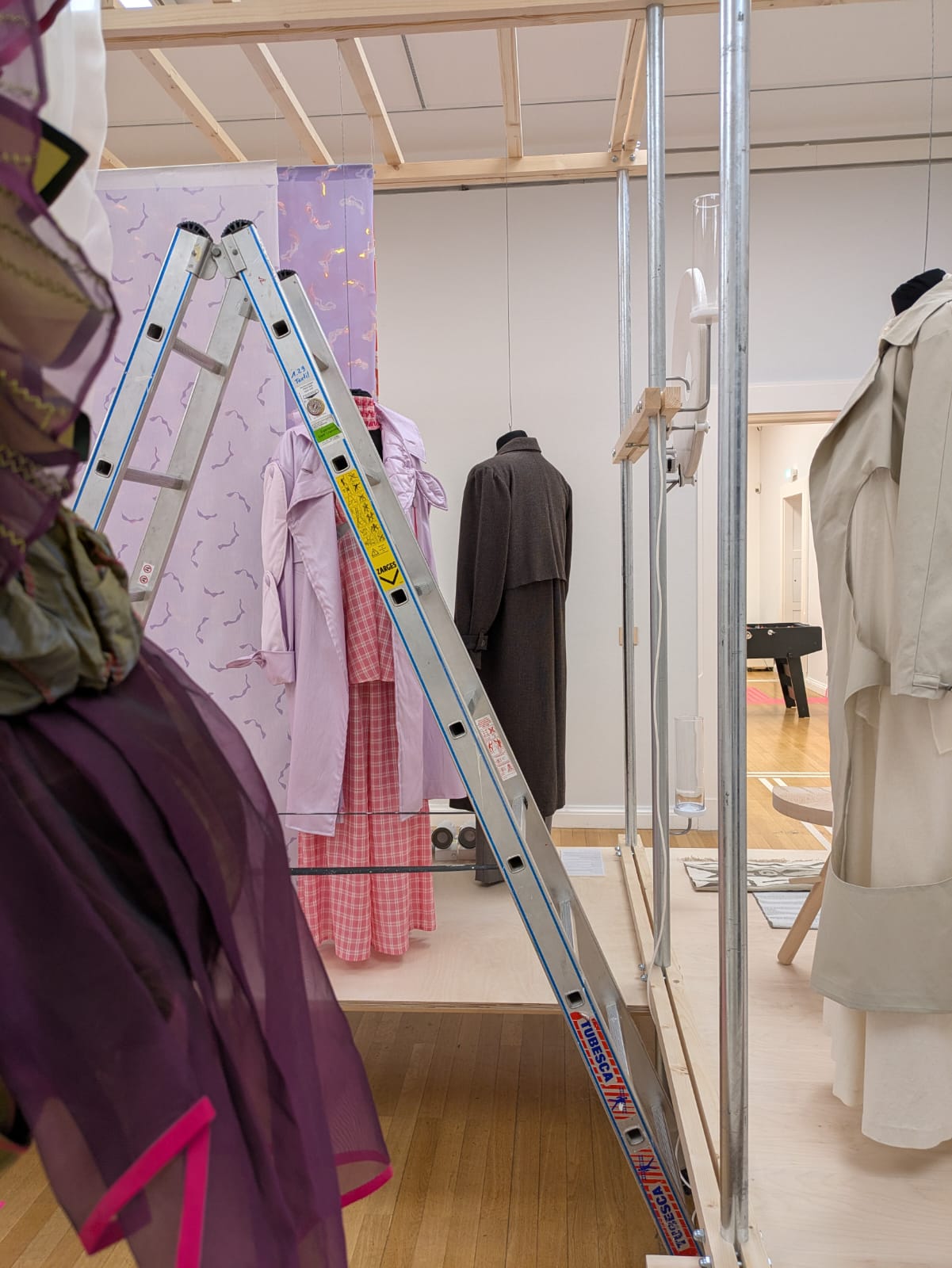
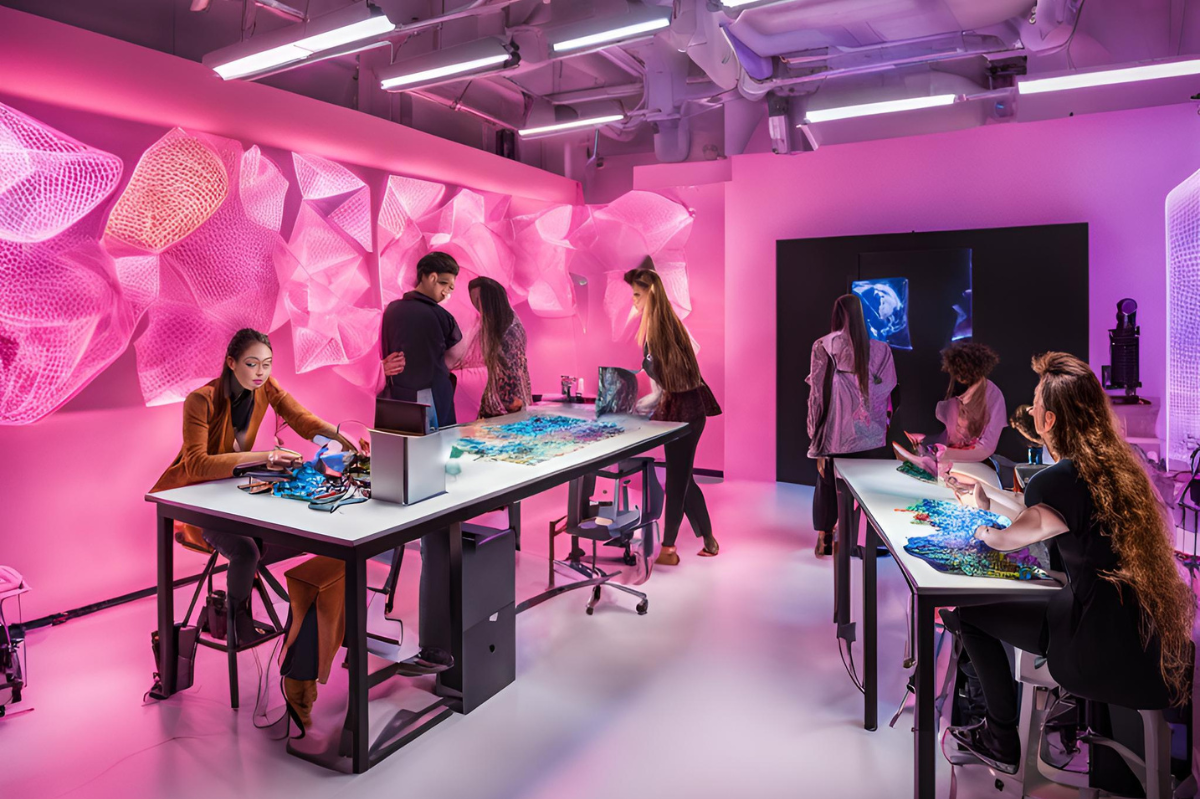
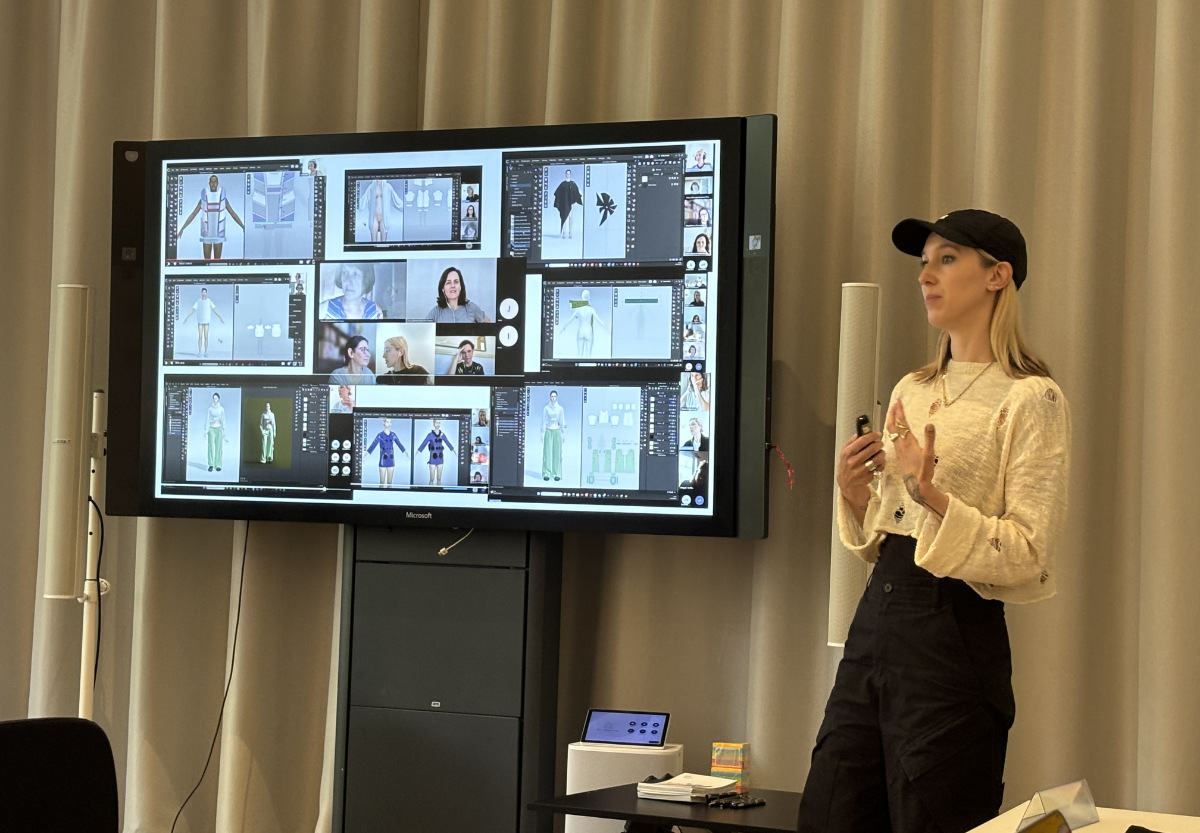
The FashionTEX Makerspace in Schneeberg plays a key role. It is one of the project’s central laboratories – a space where students from across Europe experiment with 3D tools, AR applications, scanning techniques, and AI-supported processes.
Here, the future of fashion was not only practiced but also shaped.
What emerged there in September 2025 was showcased two months later in November at the European Capital of Culture. Schneeberg and Chemnitz thus exemplify a region that is rethinking its textile industrial heritage: networked, experimental, and open to Europe. The FashionTEX Festival impressively demonstrated the energy unleashed when cultural heritage, digital innovation, and a new generation of fashion designers converge.