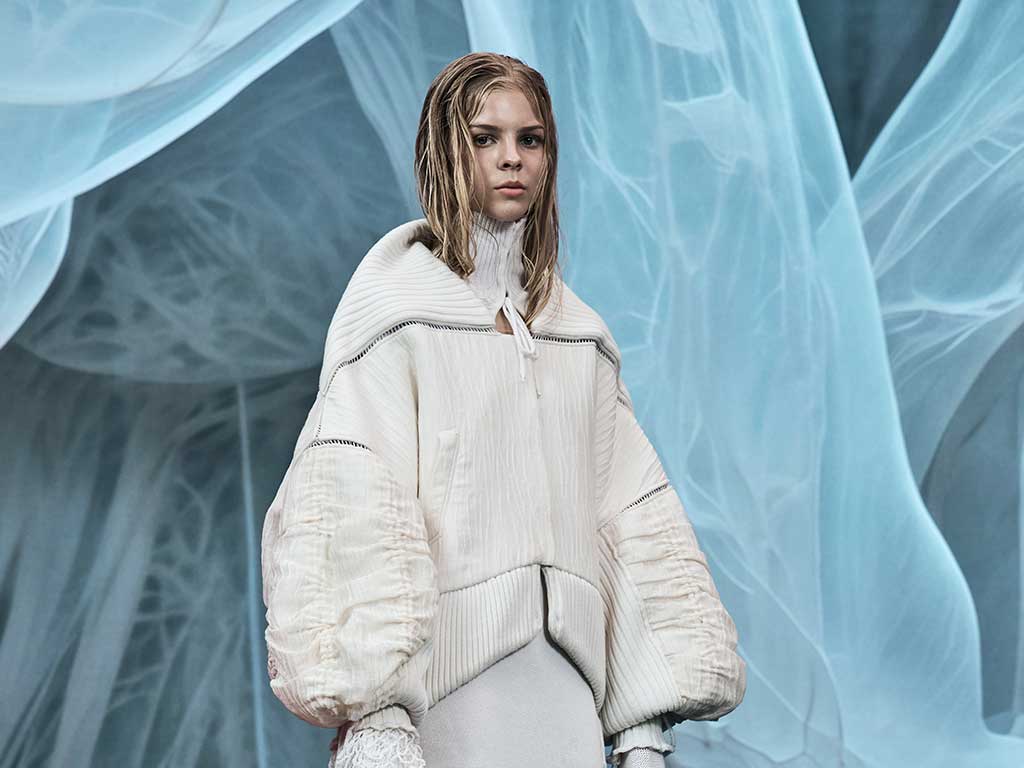
Between digital fashion and real-world execution – Adelaide Fioroni
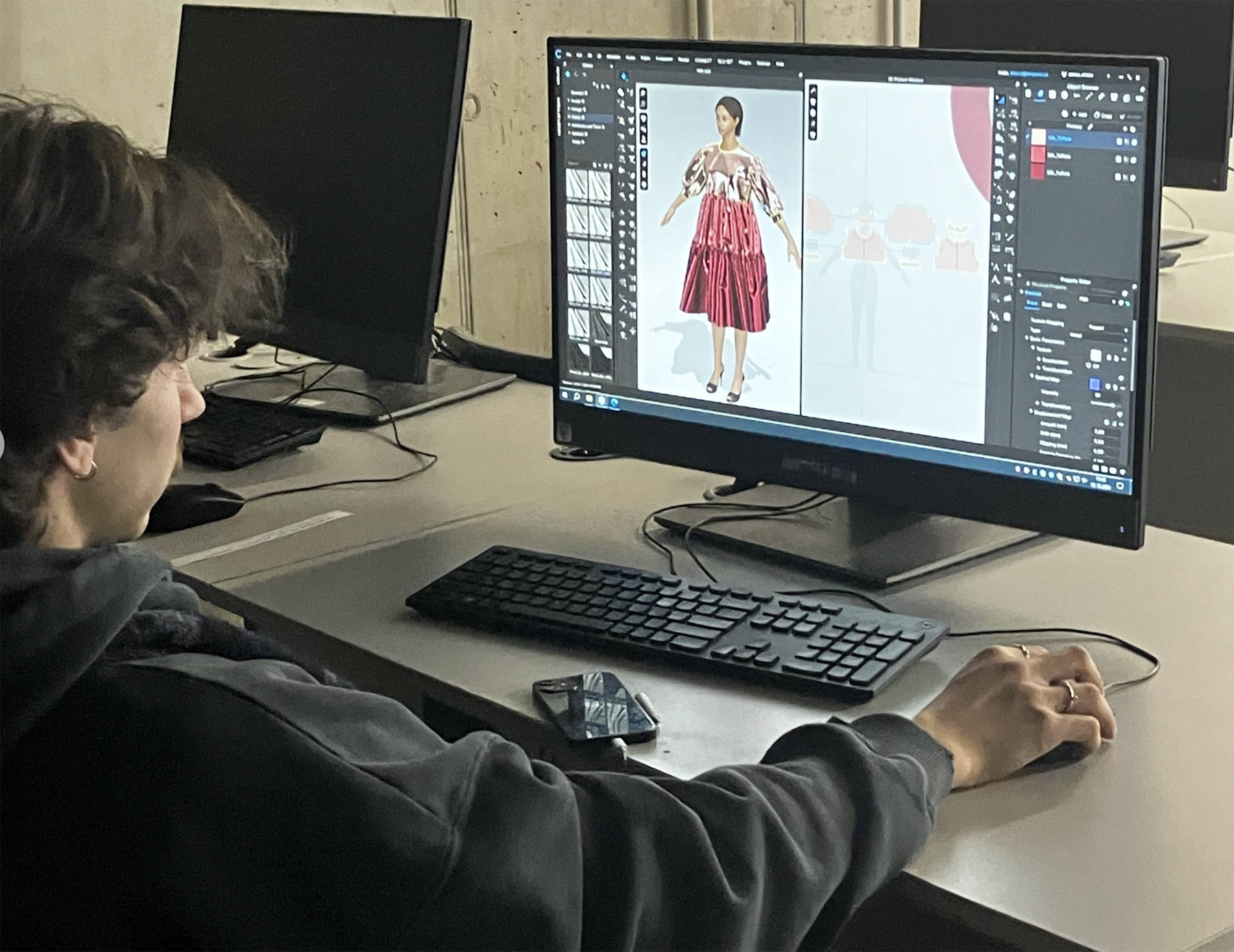
Adelaide studies at the Koefia Academy Rome and participated in the FashionTEX Riga Makerspace 2026. During the Makerspace, Adelaide expanded her knowledge of CLO3D and gained initial experience with other digital technologies. Working with the 3D printer, producing creative videos, and experimenting with artificial intelligence for the first time were particularly impactful experiences. At the same time, this intensive work phase highlighted the importance of thorough preparation and striking a balance between digital possibilities and the practical execution of a fashion project.
Adelaide, what new skills or insights did you gain at the Makerspace?
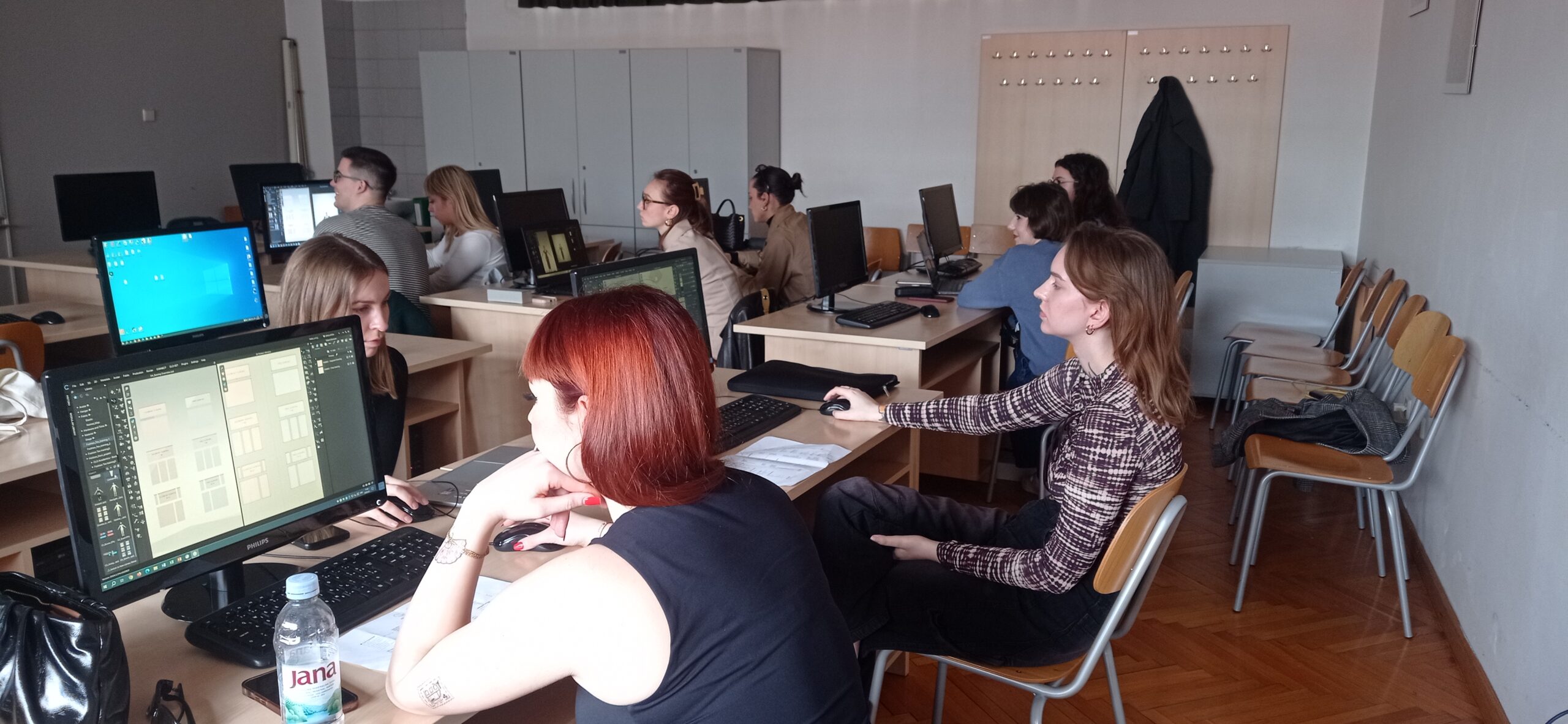
I was able to acquire new skills in CLO3D and began exploring other programs and digital tools. The Makerspace gave me the opportunity to discover and experiment with new technologies.
Was there a specific moment when you thought, “This is a real ‘aha’ moment”?
Working with the 3D printer—and the digital tools and media required for it—was particularly interesting for me. It made me realize the new possibilities such technologies offer for the development and realization of fashion.
Did you make new contacts with other students or universities at the Makerspace?
Yes, I had the opportunity to talk to and get to know many other students. That exchange with other participants was a key part of the experience.
What was the biggest personal challenge for you while working at the Makerspace?
The biggest challenge for me was effectively organizing my project within the available timeframe. Two weeks is a very intense period when you are trying to carry out both digital and practical work. Consequently, the time pressure and the organization of the various work stages posed a particular challenge.
What specific insights did you gain while working on your avatar or outfit?
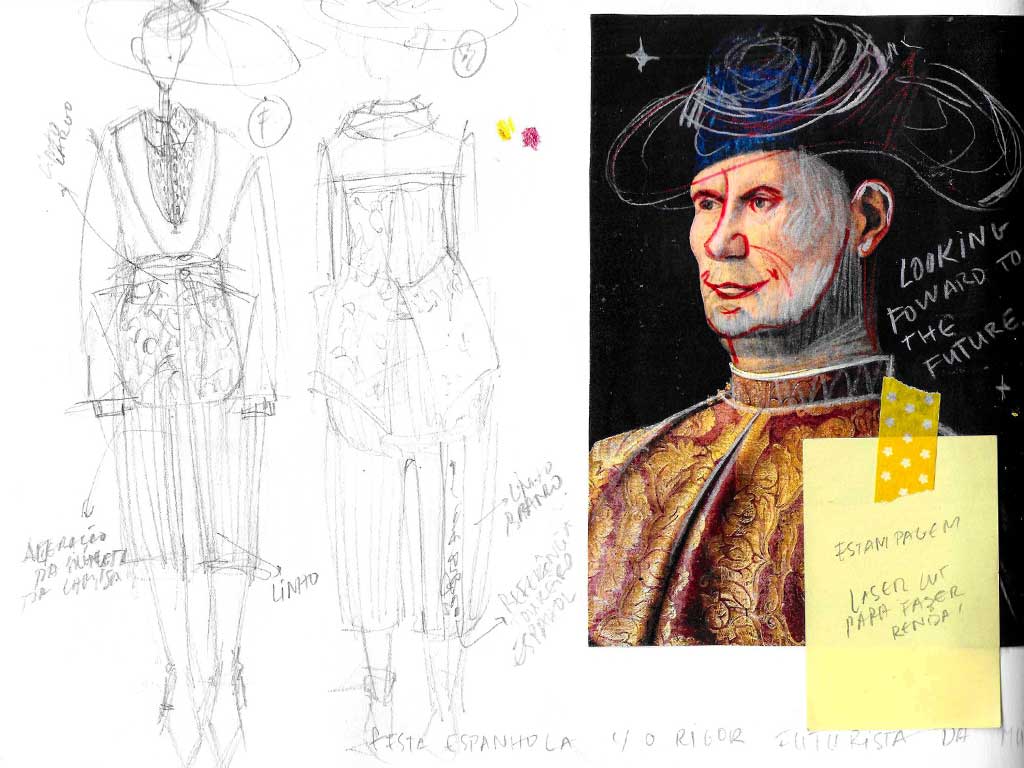
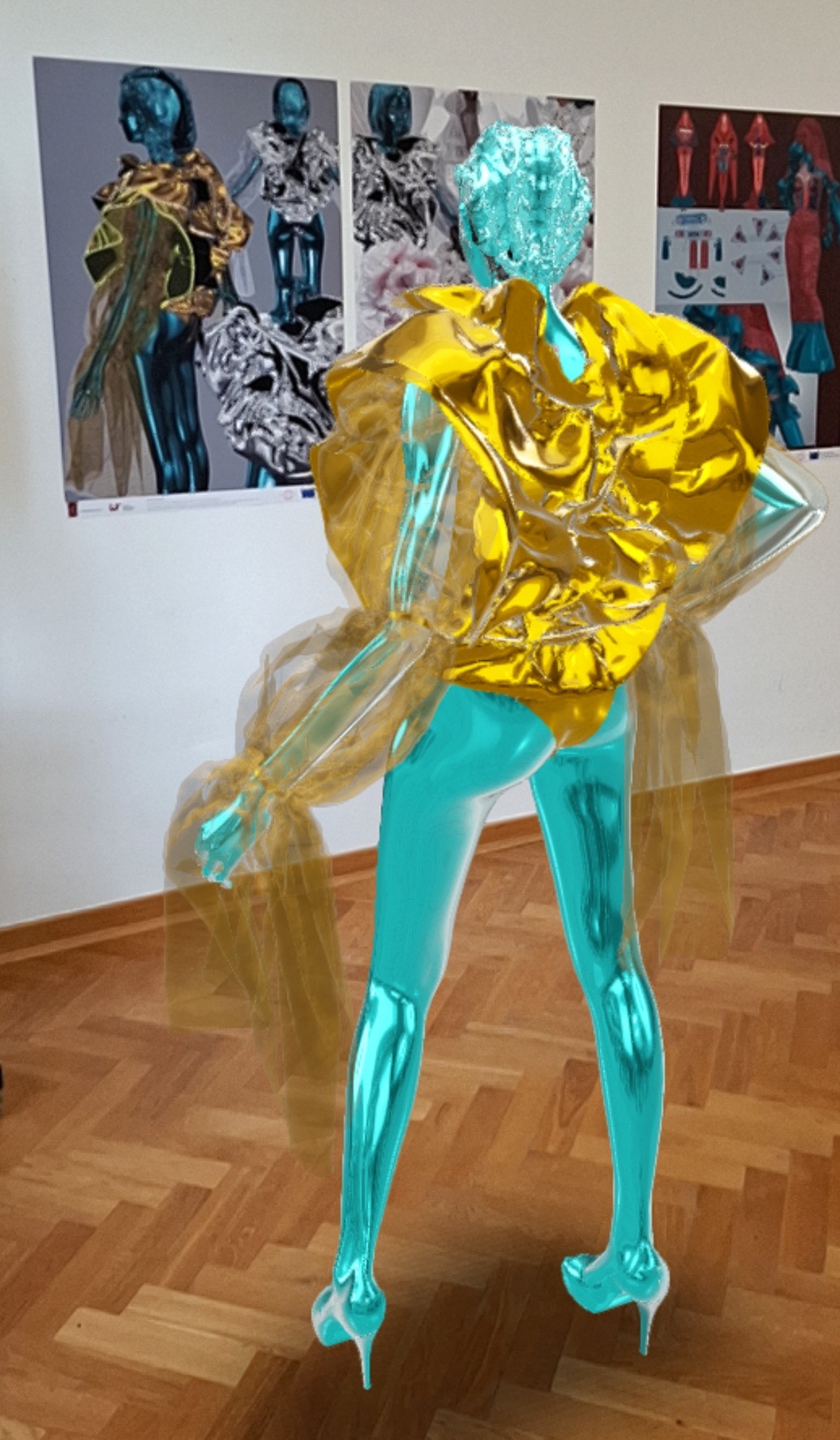
I learned that sometimes you have to make adjustments when translating a real-world garment into the digital realm. Not everything that works in reality can be replicated exactly in CLO3D; certain elements can cause issues, especially with animations. That’s why you have to be willing to adapt your original idea to the capabilities of the digital medium.
Was there a moment that particularly surprised or inspired you?
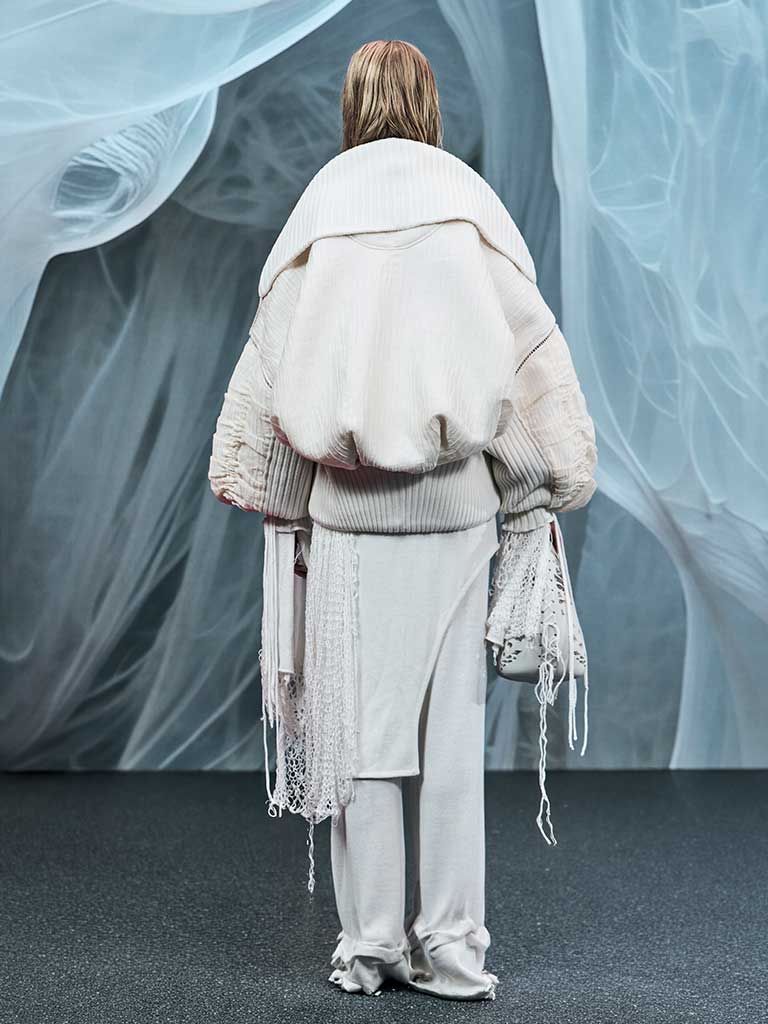
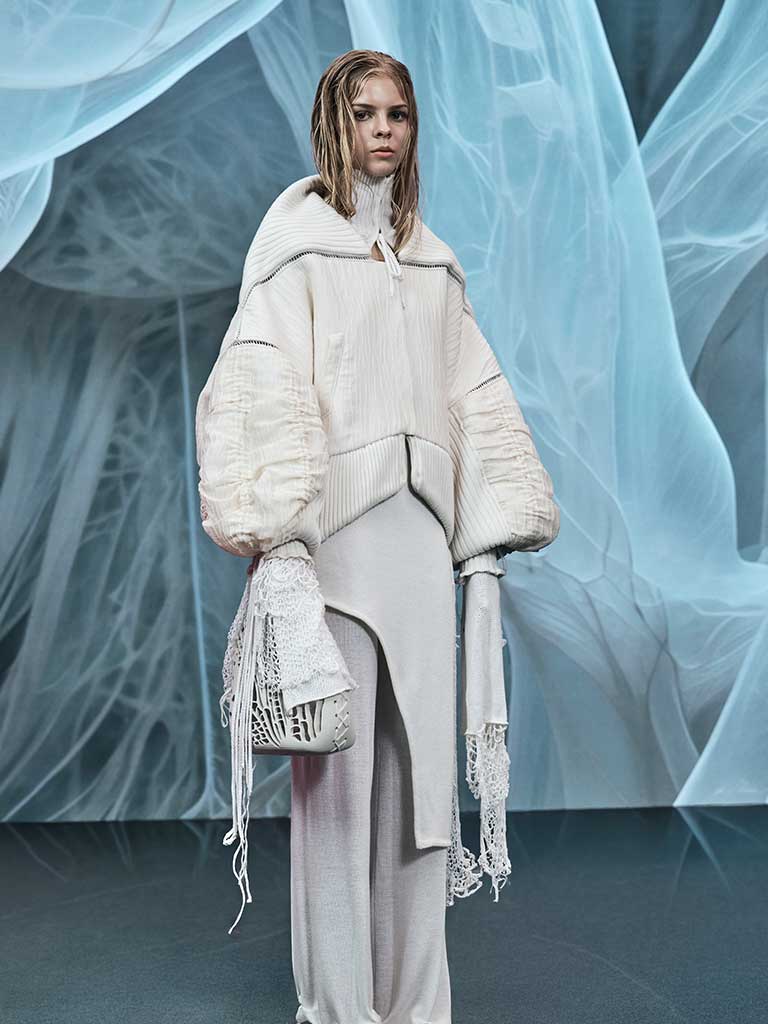
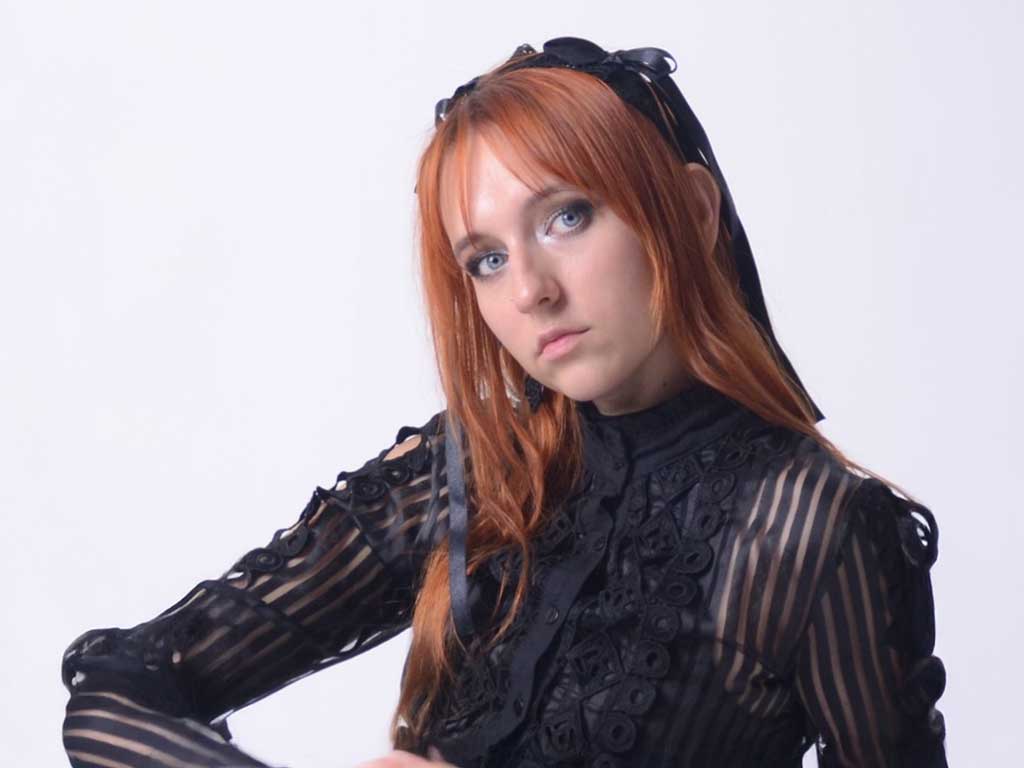
I was especially impressed by the photoshoot—from the location and the models to the people involved. The entire atmosphere and the professional execution left a strong impression on me.
Was there a moment that particularly surprised or inspired you in a positive way?
I was particularly impressed by the photo shoot—from the location and the models to the people involved. The entire atmosphere and the professional execution left a strong impression on me.
Which technical tools did you work with the most—and what did you learn from the experience?
I focused particularly on 3D printing. Since I didn’t have much prior experience with it, however, I would have appreciated more guidance on preparing the files. Especially with a new technology, it is helpful to get a precise understanding of the entire process and the necessary steps involved.
Which result of your work at the Riga Makerspace are you particularly proud of?
I am especially proud of my video and the fact that I tried incorporating artificial intelligence into it. It was an opportunity for me to experiment with new digital methods and discover how they could be creatively integrated into my work.
How do you plan to proceed after your time at the Makerspace?
Engaging so intensively with technology also showed me that, for my future work, I want to return somewhat more to reality and physical fashion. I greatly admire the possibilities offered by these technologies, but I also realized that I personally want to find a balance between digital work and real, hands-on design.
Are there any ideas or projects you would like to develop further?
At the moment, there isn’t a specific project I plan to develop further. For me, the Makerspace was primarily an opportunity to get to know various technologies and discover which ones suited my own way of working.
What was the greatest personal benefit you gained from your time at the Makerspace?
My greatest personal gain was the ability to work so intensively with different technologies. This experience gave me a much better understanding of the possibilities digital tools offer for fashion and creative processes.
Photo Credits: Miks Uzans Photography