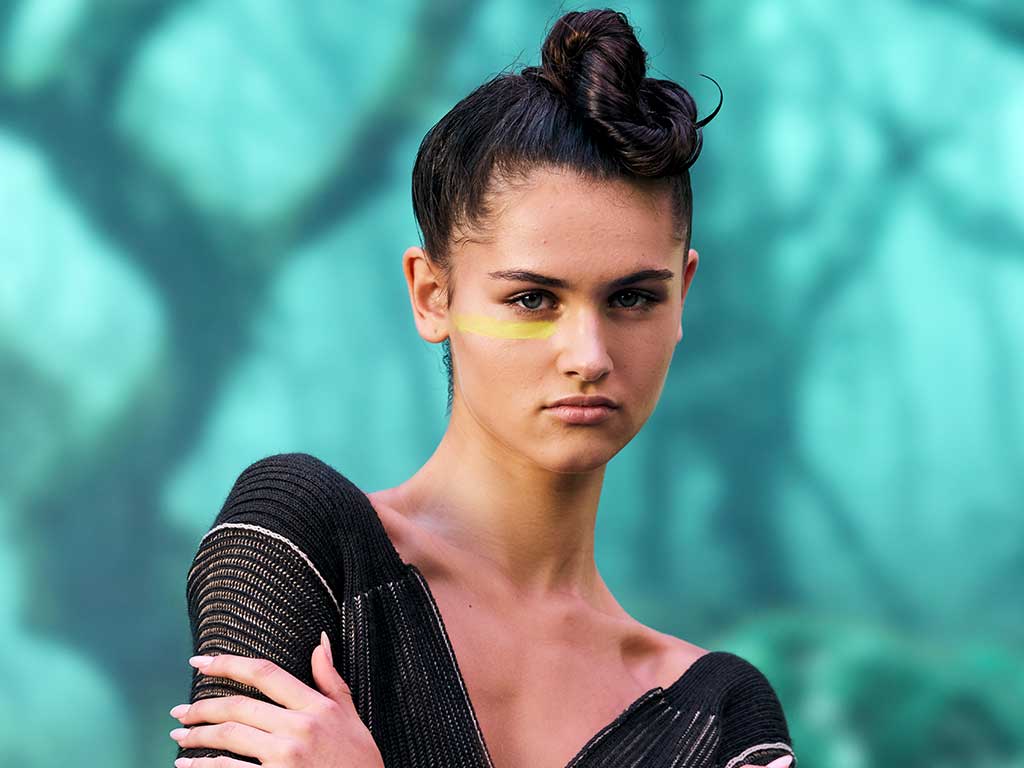
New Perspectives Through AI and Experimental Fashion Design – Ethel Noortoots
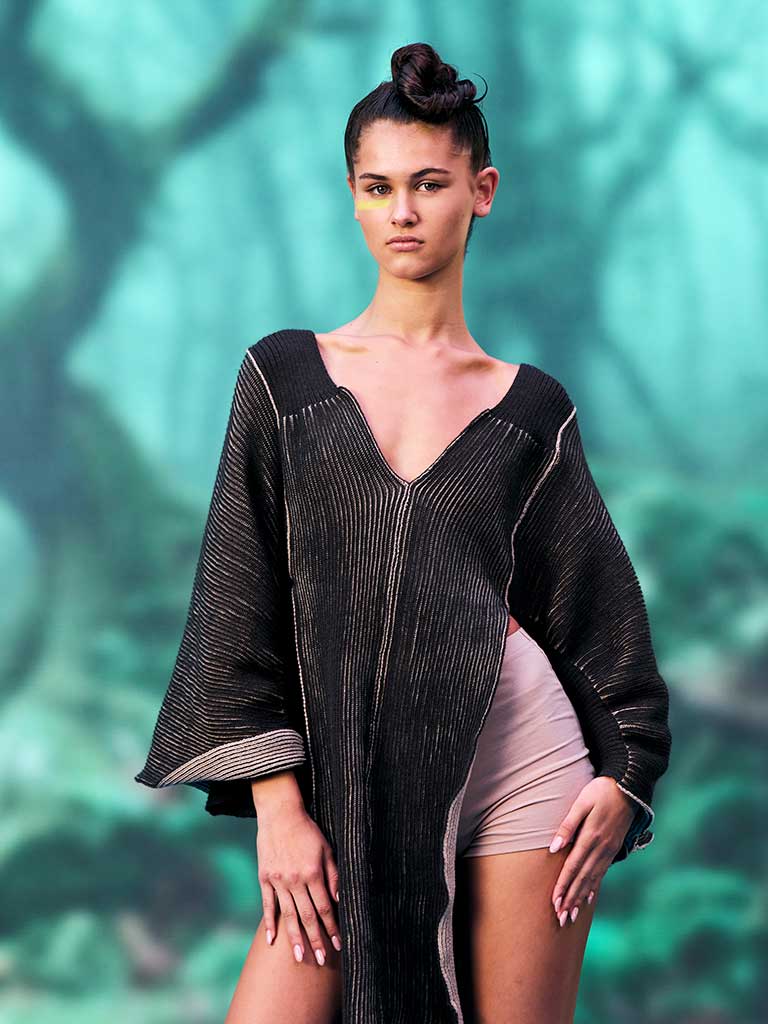
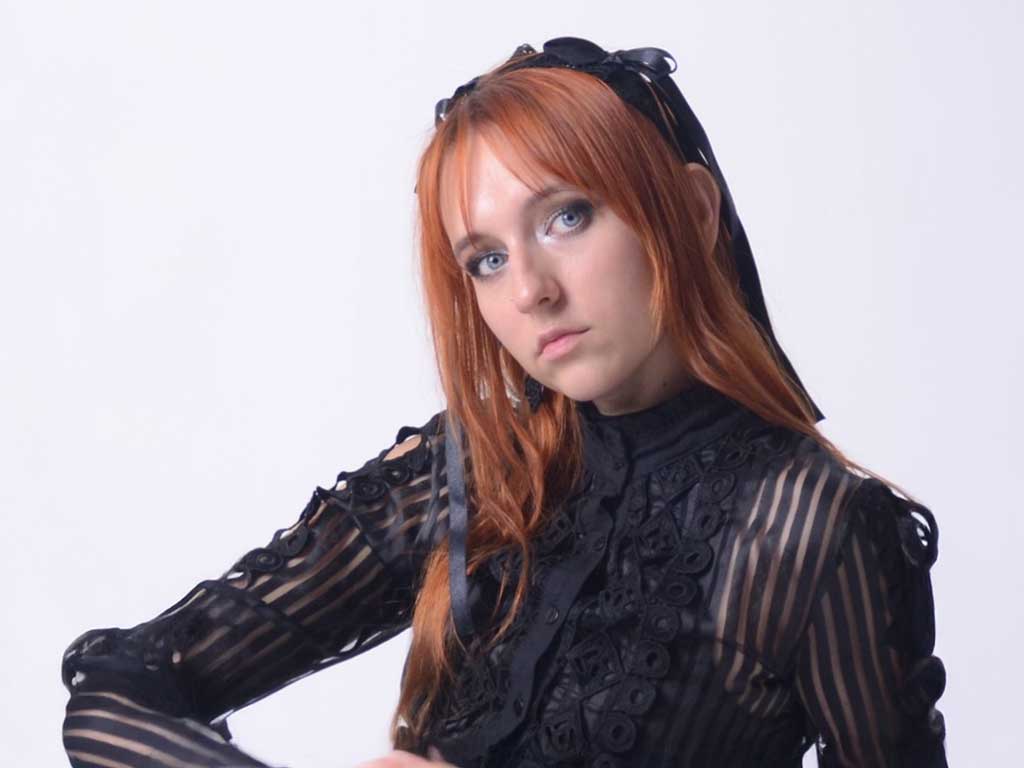
Ethel Noortoots is a student at the Estonian Academy of Arts in Tallinn and participated in the FashionTEX Riga Makerspace 2026. Unlike most participants, she does not come from a fashion design background. This very fact made the experience unique for her: she experimented extensively with artificial intelligence for video creation, explored garment construction, and simultaneously deepened her openness to new digital tools.
Ethel, what new skills or insights did you gain at the Makerspace?
I focused primarily on artificial intelligence. The Makerspace gave me the opportunity to integrate AI more deeply into my creative process and discover how to use these tools for my own work.
Was there a specific moment when you thought, “This is a real ‘aha’ moment”?
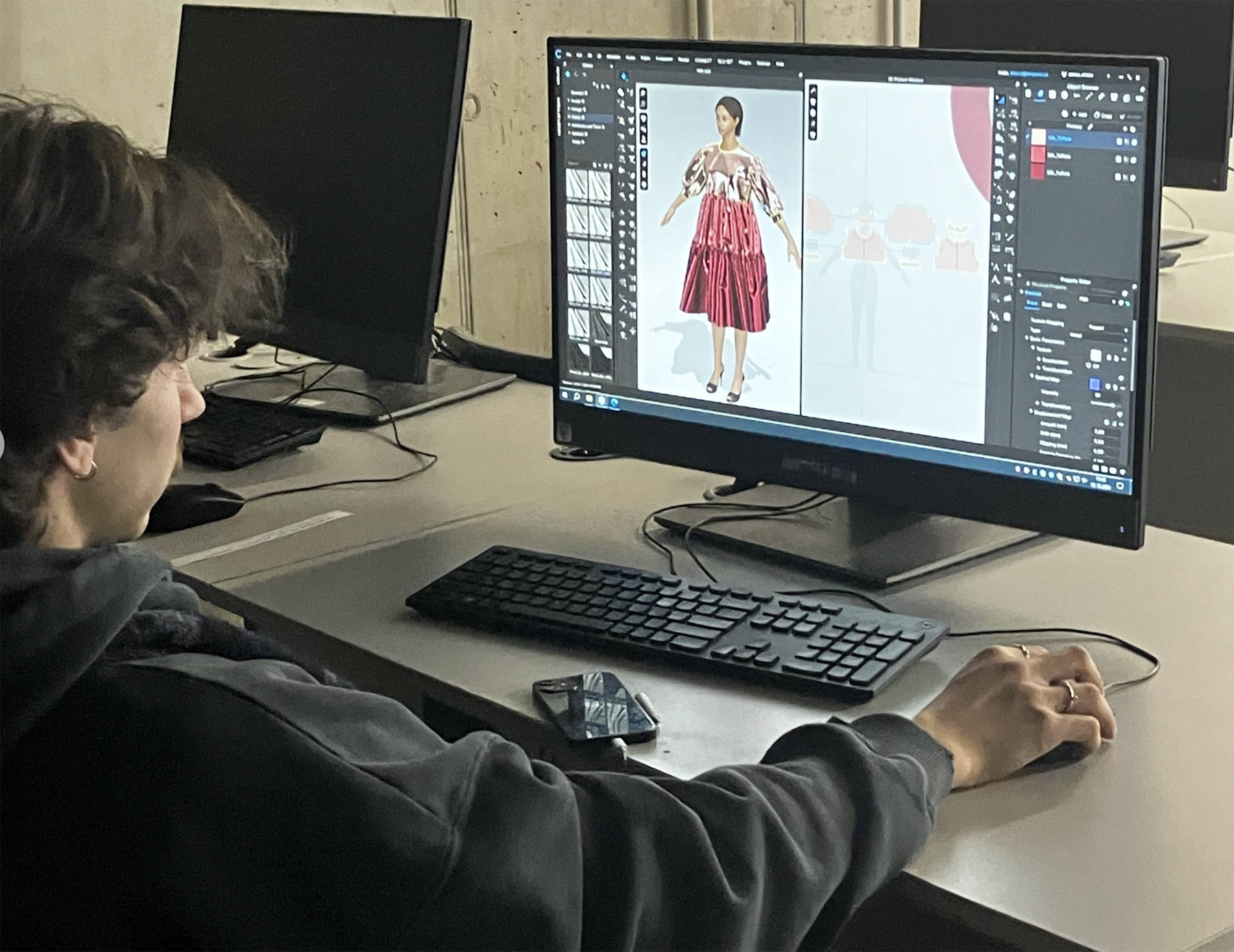
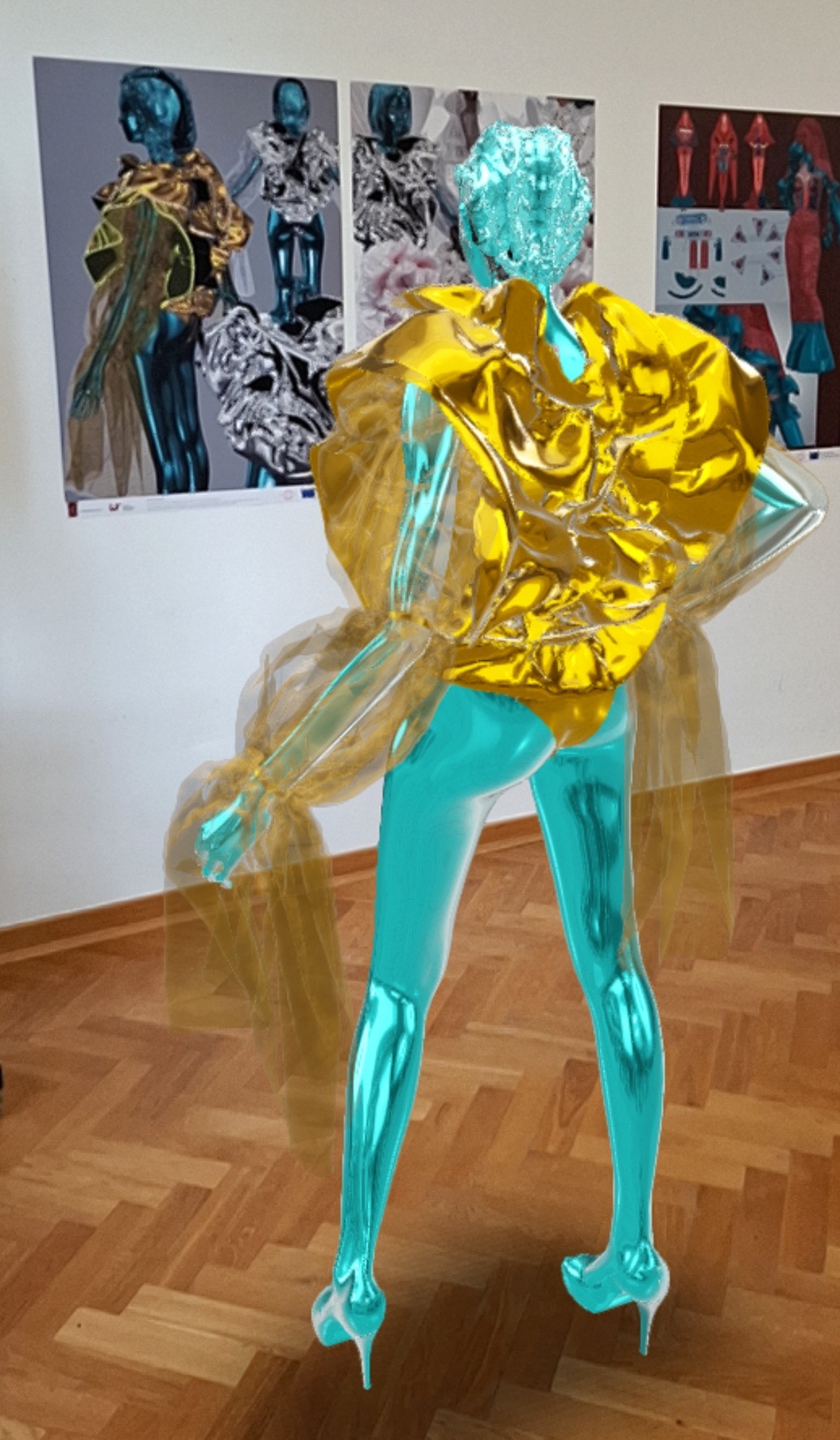
Yes. My “aha” moment came when I realized I could use one AI to develop prompts for another AI—which would then generate the videos. That made me realize how different AI tools can be combined and how they can complement each other within the creative process.
Did you make new connections with other students or universities at the Makerspace?
Yes, absolutely. I met some wonderful people there. The exchange of ideas and the interactions with the other participants were a key part of the experience for me.
What was the biggest personal challenge you faced while working at the Makerspace—and how did you overcome it?
At first, it felt a bit unfamiliar because I’m not a fashion student, whereas the other participants came from that field. However, I didn’t let that hold me back; instead, I simply pursued my own path and shifted my mindset.
This allowed me to focus on my own ideas and make the most of the experience from my own personal perspective.
What key insights did you gain while working on your outfit?
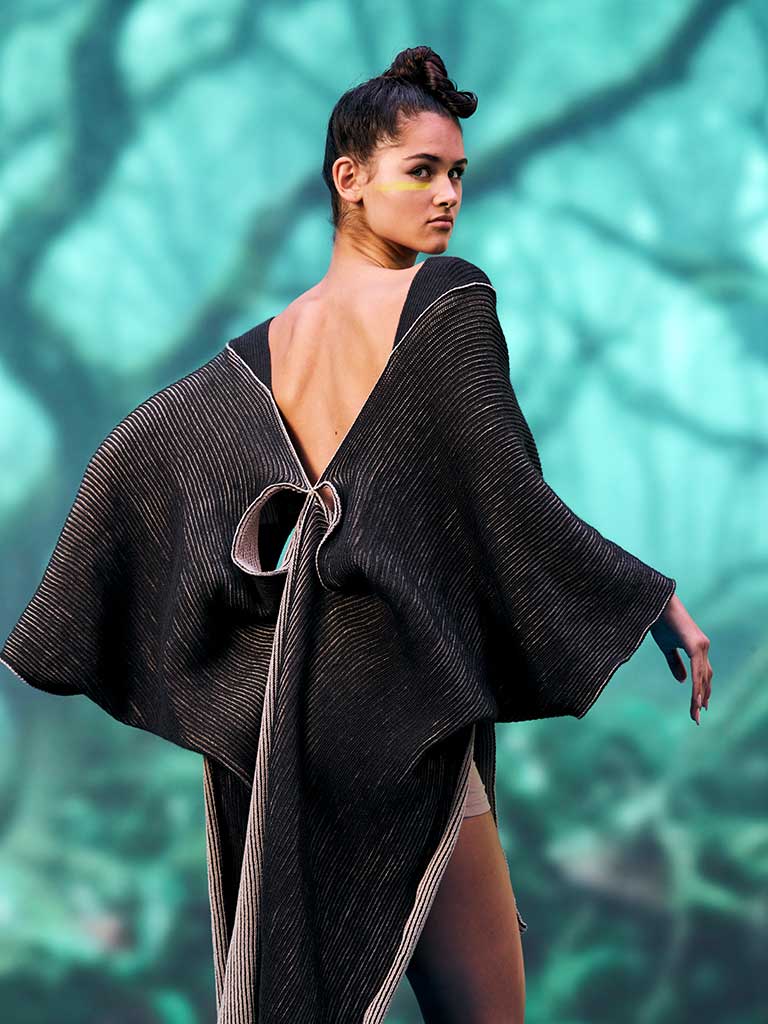
I realized that you can create remarkably interesting designs using very simple pattern pieces. A garment that looks complex or unusual doesn’t necessarily have to be based on a complicated pattern.
Was there a moment that particularly surprised or inspired you in a positive way?
I can’t recall one specific moment in hindsight. However, the Makerspace experience as a whole provided many new impressions and experiences.
Mit welchen technischen Hilfsmitteln haben Sie am meisten gearbeitet, und was haben Sie dabei gelernt?
I worked primarily with AI tools for video creation. This experience has made me much more open to incorporating artificial intelligence into my creative work in the future.
Which outcome of your work at the Riga Makerspace are you particularly proud of?
I am especially proud of the physical garment I created. For me, it was a significant result of the intensive work period at the Makerspace.
How do you plan to proceed after the Makerspace?
Basically, I want to continue on my current path. At the same time, I am taking away new experiences from the Makerspace—and, in particular, a greater openness toward AI and digital tools.
Are there any ideas or projects you would like to develop further?
At the moment, I don’t have a specific project I want to pursue further. I want to see where these new experiences and possibilities lead me first.
What was the greatest personal benefit you gained from your time at the Makerspace?
Ethel did not answer this specific question in the questionnaire. However, her responses indicate that working with AI-based video tools, creating a physical garment, and meeting the other participants were key aspects of her time in Riga. She also described the entire Makerspace experience as “super interesting” and would recommend the format to others.
Photo Credits: Miks Uzans Photography