Digital knitting, a spirit of experimentation, and new connections – Sofija Donga
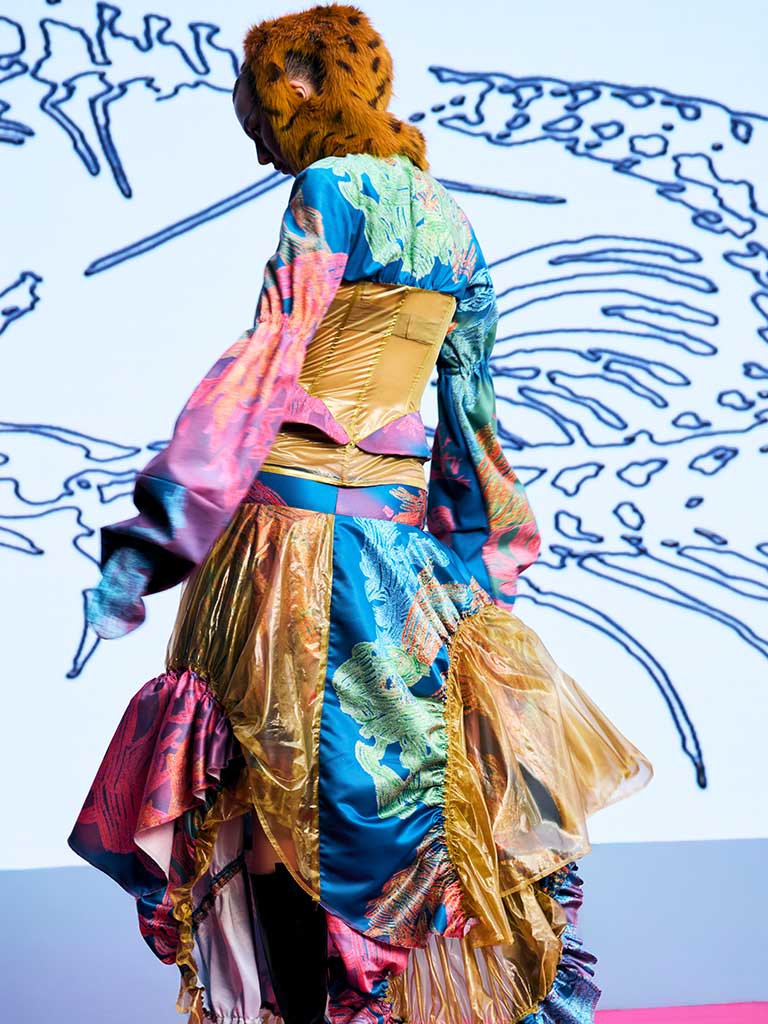
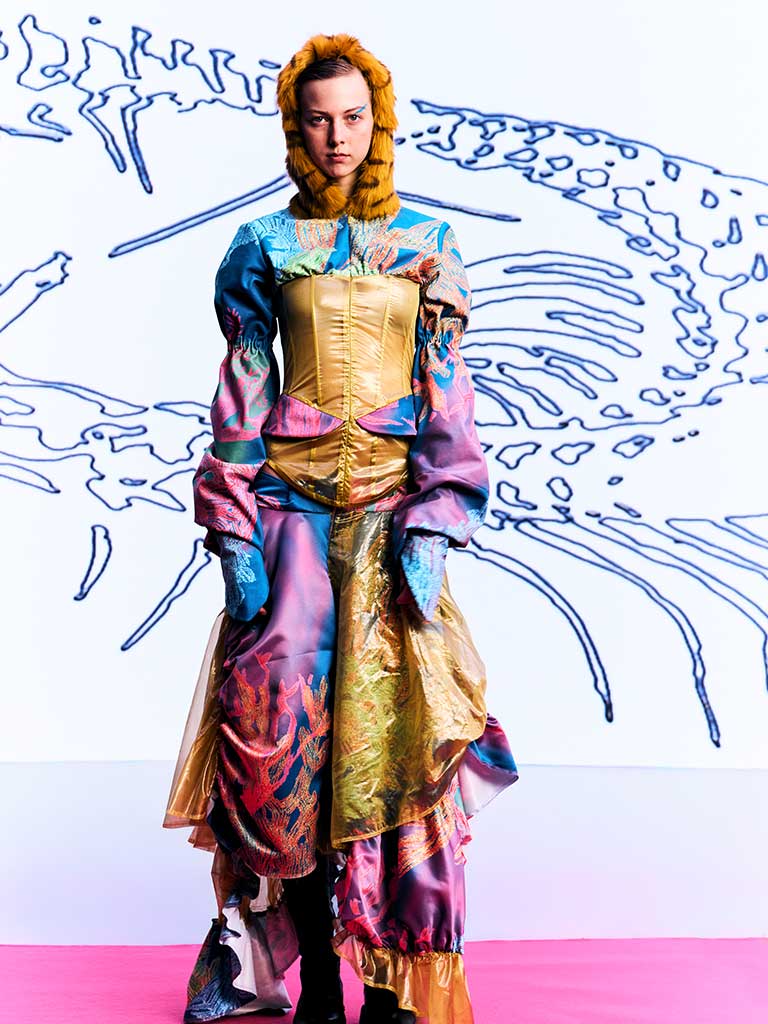
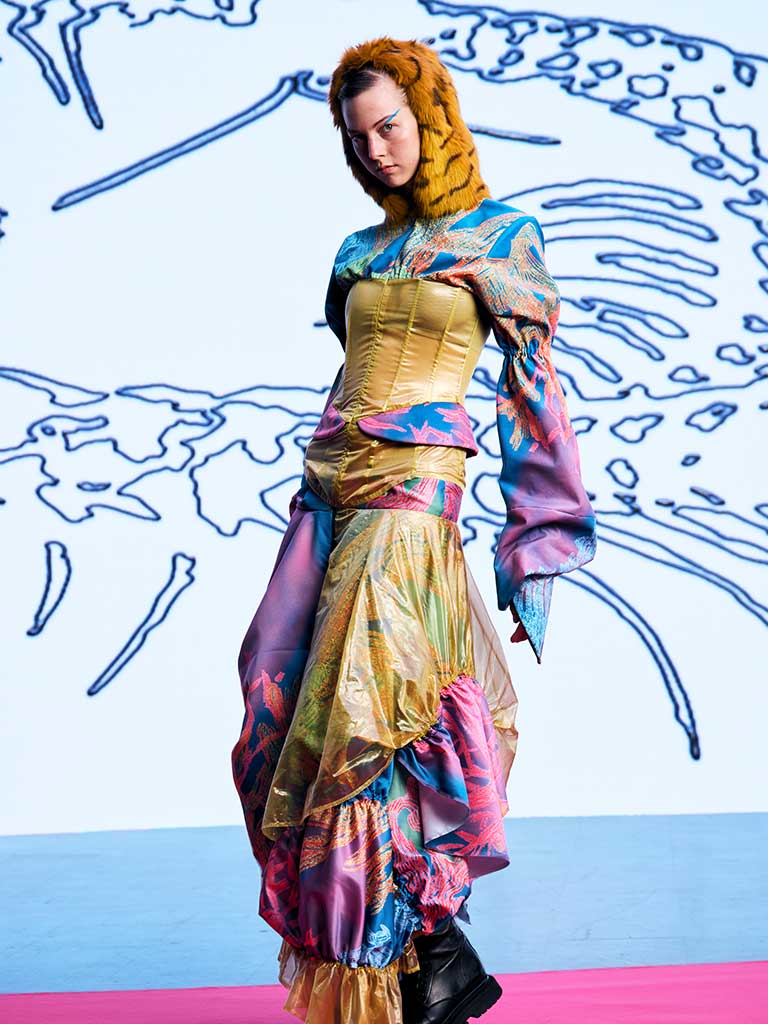
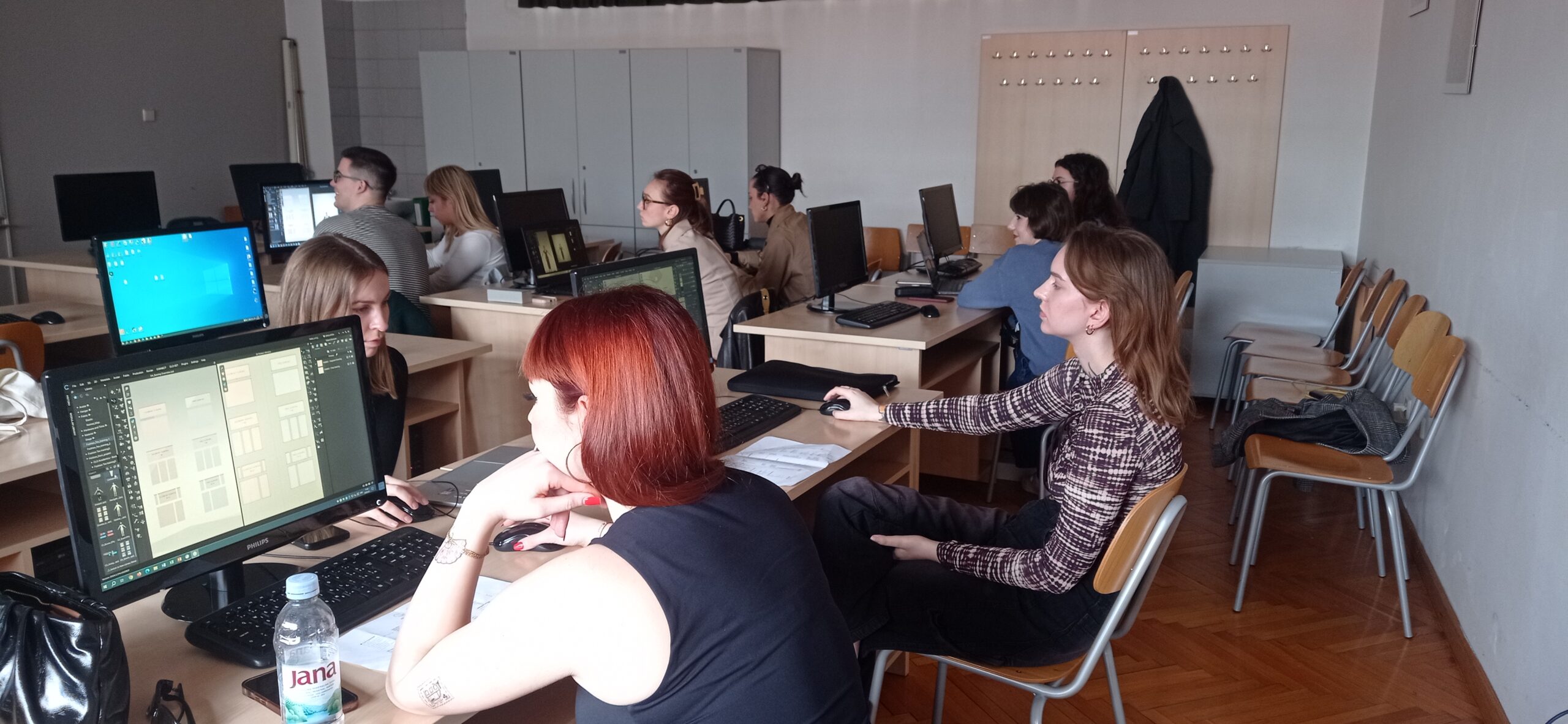
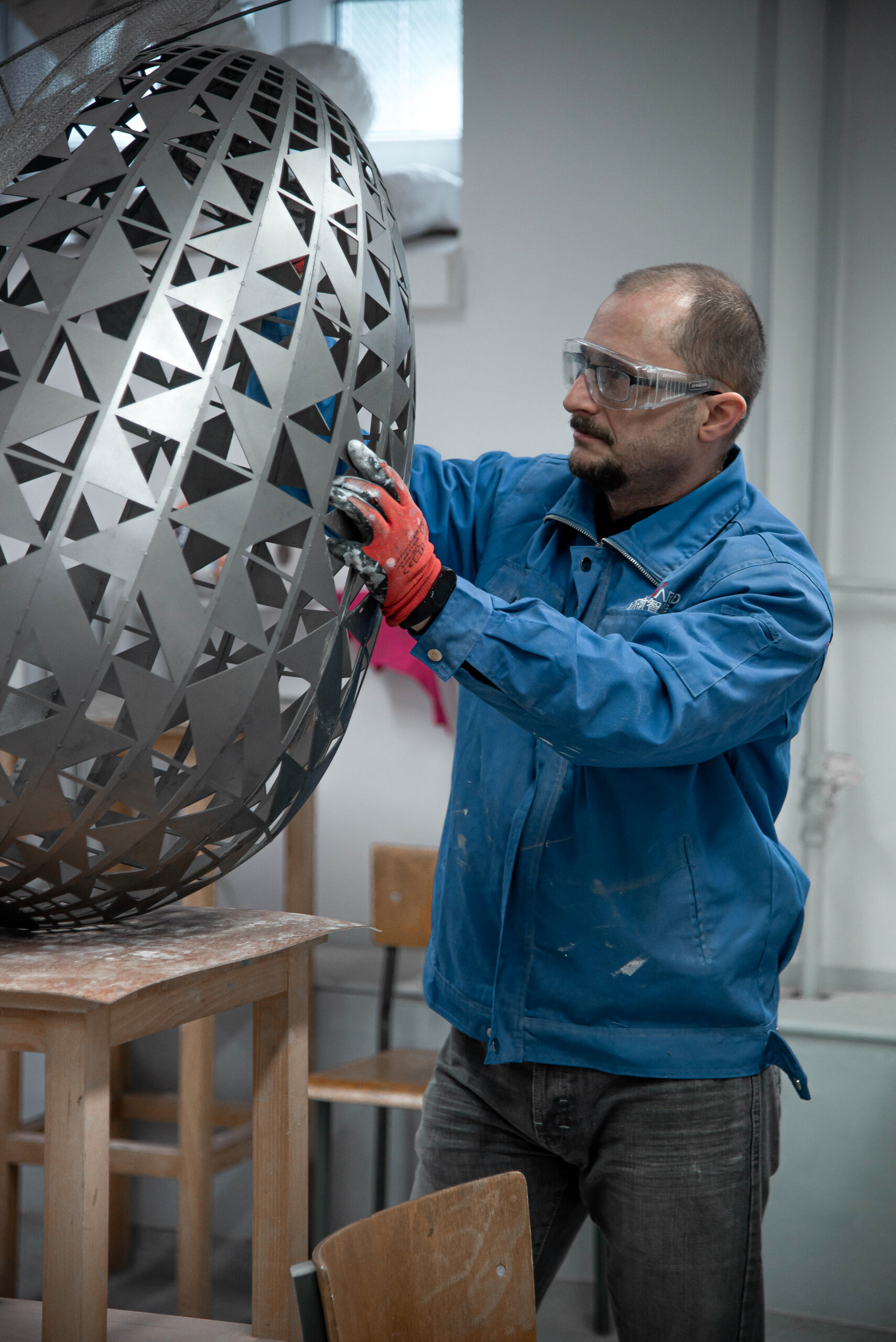
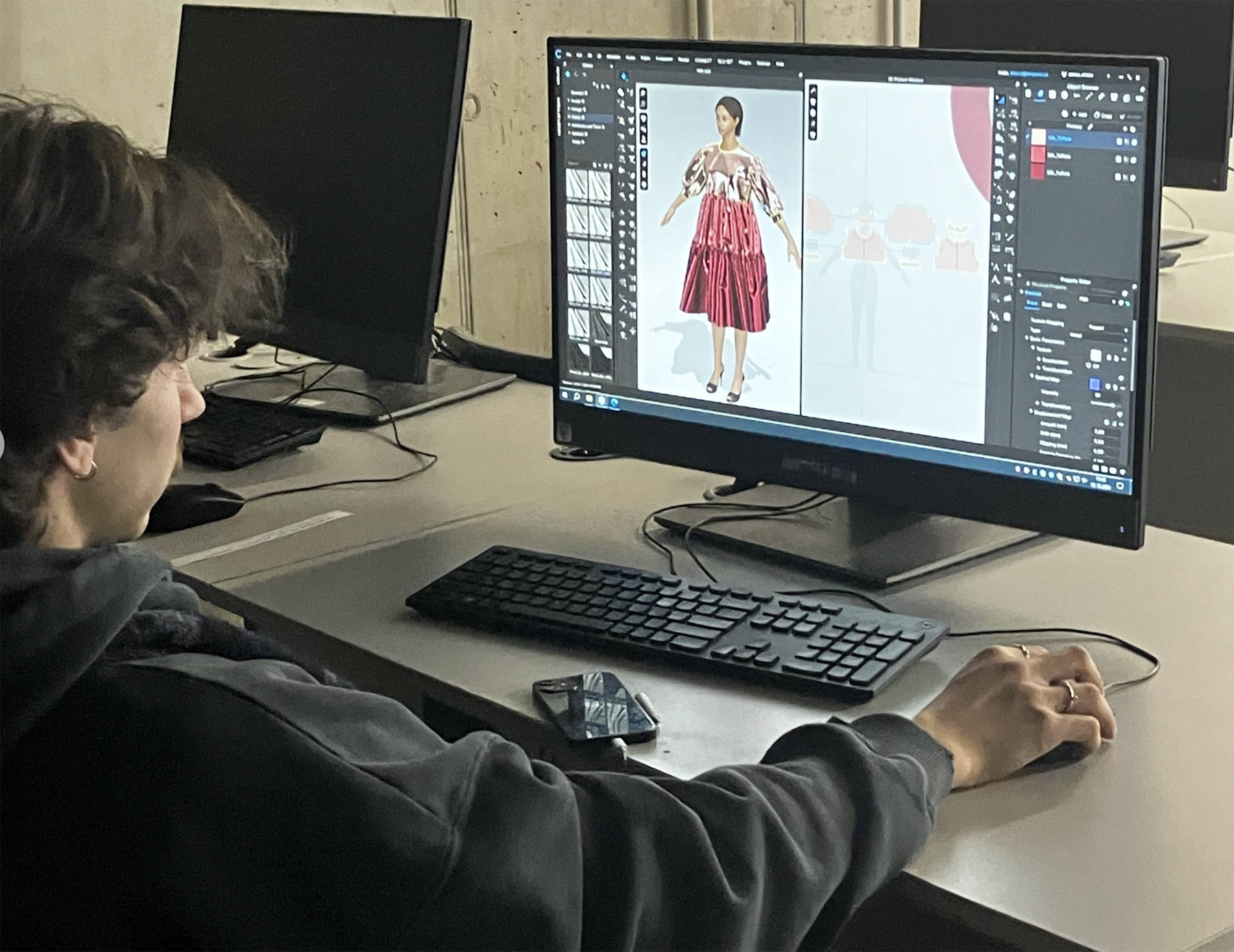
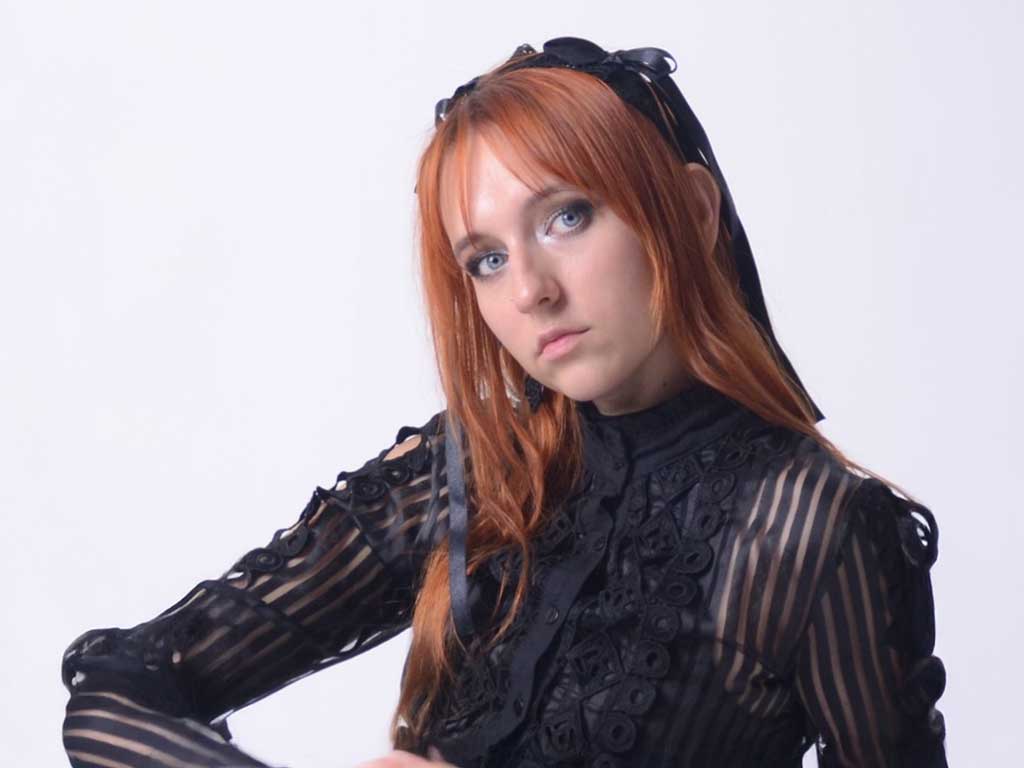
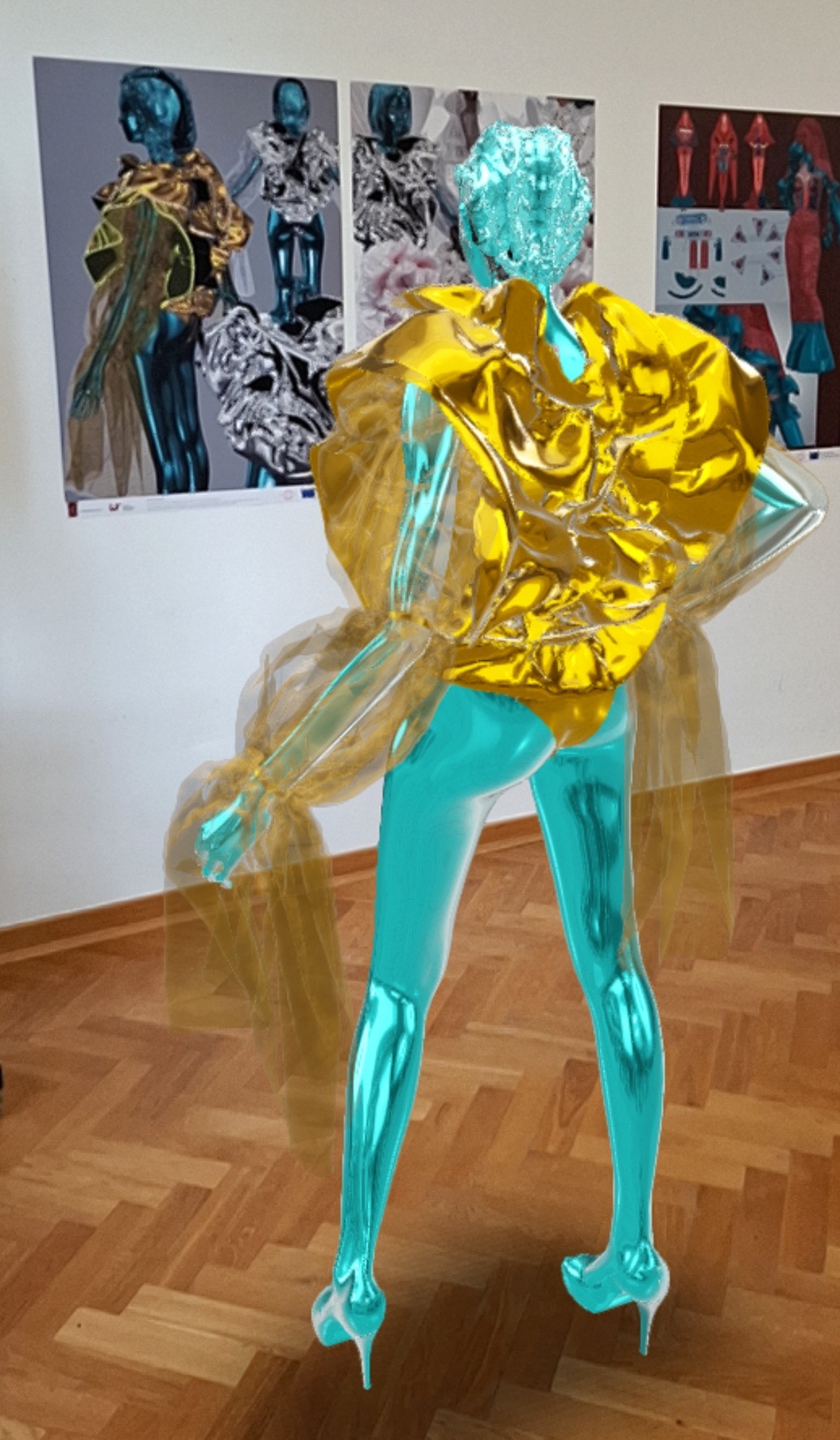
Sofija Estella Donga is a student at the Art Academy of Latvia and participated in the FashionTEX Riga Makerspace 2026. During these two intensive weeks, she utilized modern computers and new software, discovering digital knitting as a particularly inspiring technology. For her, the focus was less on a specific technical outcome and more on the opportunity to experiment, trust the creative process, and forge new connections with other students.
Sofija, what new skills or insights did you gain at the Makerspace?
I really enjoyed working with well-equipped computers and a wide range of new software, as well as exploring different possibilities. Digital knitting was particularly inspiring for me; it revealed new avenues I hadn’t been aware of before.
Was there a specific moment when you thought, “This is a real ‘aha’ moment”?
No, there wasn’t a single “aha” moment for me. Instead, it was the overall experience of trying out different tools and working methods while discovering new possibilities.
Did you make new contacts with other students or universities at the Makerspace?
Yes, I connected with other students. These encounters were a vital part of the experience for me and, ultimately, the greatest personal gain I took away from the Makerspace.
What was the biggest personal challenge you faced while working at the Makerspace, and how did you overcome it?
There weren’t really any major problems. It was mostly minor practical issues—such as difficulties with the doors or suboptimal ventilation.
Overall, this meant I was able to focus well on my work and experimentation.
What specific insights did you gain while working on your avatar or outfit?
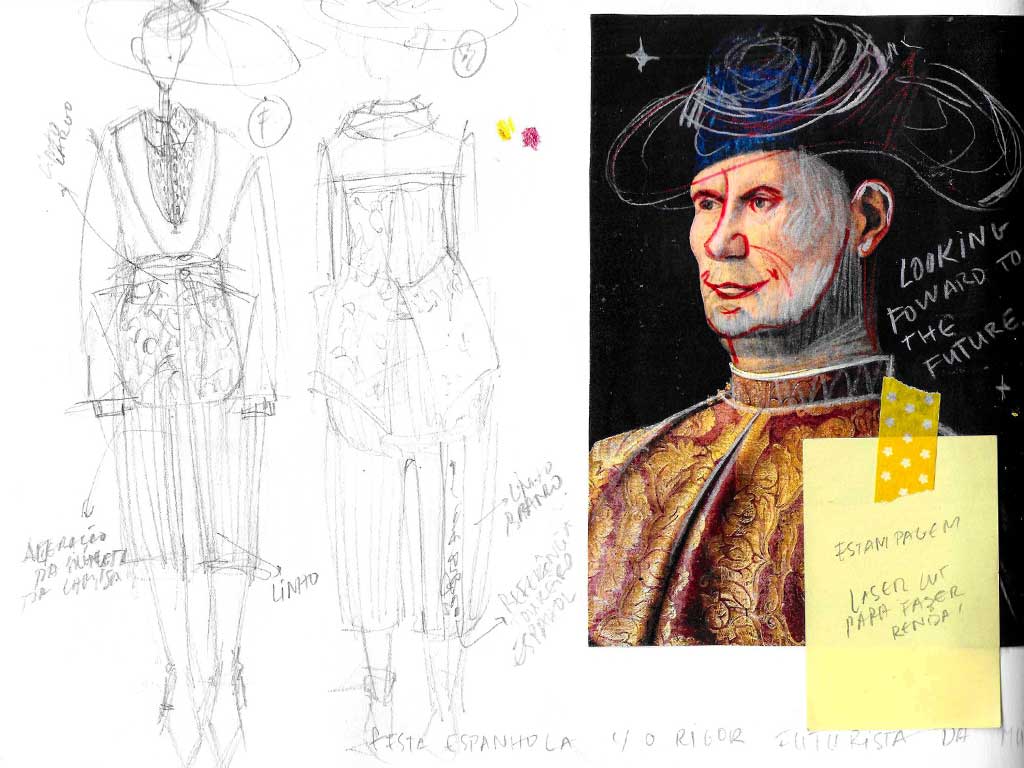
For me, the most important insight was learning to trust the process. Especially in creative work, you don’t always know exactly where a project will lead from the very beginning. I learned to embrace the process and trust that the individual steps would eventually come together.
Gab es einen Moment, der Sie besonders überrascht oder inspiriert hat?
The time spent with Artūrs Skurstenis was especially inspiring for me. The collaboration and exchange of ideas during those work sessions were a highlight of the Makerspace experience for me.
Mit welchen technischen Hilfsmitteln haben Sie am meisten gearbeitet, und was haben Sie dabei gelernt?
I focused heavily on digital knitting. Through this, I discovered the possibilities offered by the technology. It opened up new perspectives for me and showed me how I could use this technique in my own creative work in the future.
Which outcome of your work at the Riga Makerspace are you most proud of?
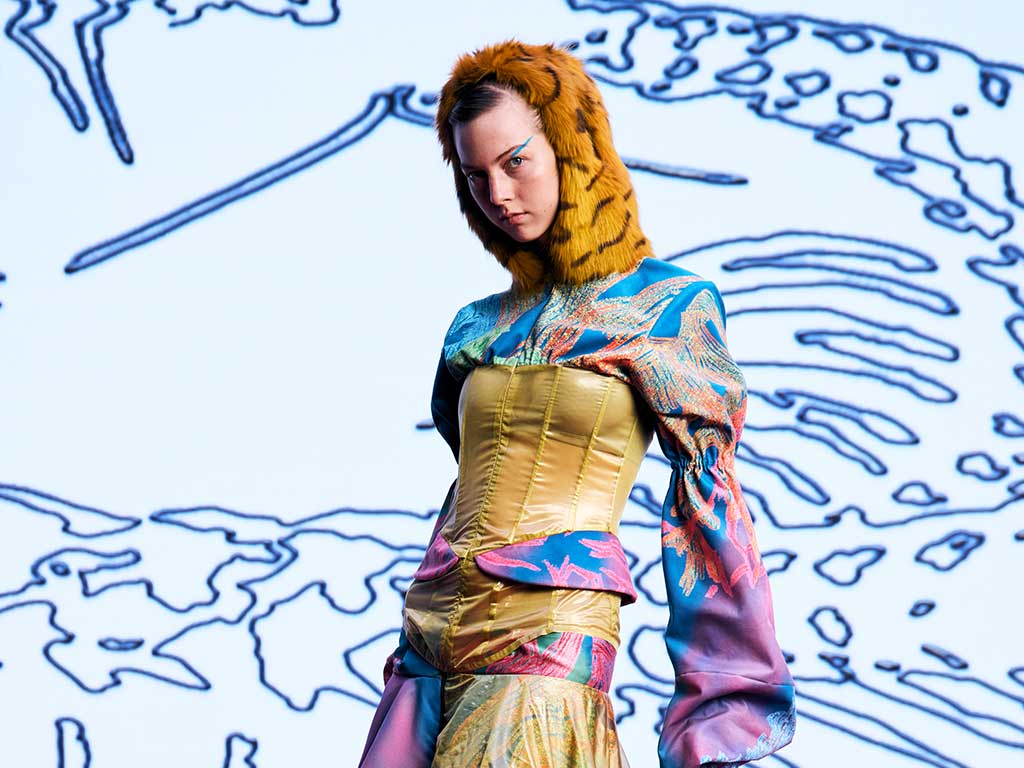
I am particularly proud of the physical outfit I created. It was rewarding to see a tangible result of my work at the end.
How do you plan to proceed after the Makerspace?
I don’t have a concrete plan yet. I simply want to keep exploring and experimenting, and remain open to new possibilities. That freedom to experiment is exactly what I want to take away from the Makerspace experience.
Are there any ideas or projects you would like to develop further?
First, I want to finish my FashionTEX outfit, even while I’m traveling. After that, I’m excited to see what new projects might emerge during my Erasmus stay.
What was the greatest personal benefit you gained from your time at the Makerspace?
For me, it was the connections I made with other students. The opportunity to meet new people and exchange ideas within an international group was incredibly valuable.
Sofija would recommend the Makerspace, particularly to people who want to experiment with new machines and tools. For future Makerspaces, she would like to see clearer schedules, especially for the workshops in the second week. She speaks very positively about the technical support provided.
Photo Credits: Miks Uzans Photography